How to spot a reliable second hand clothing wholesale supplier
By the Recycling Italy team
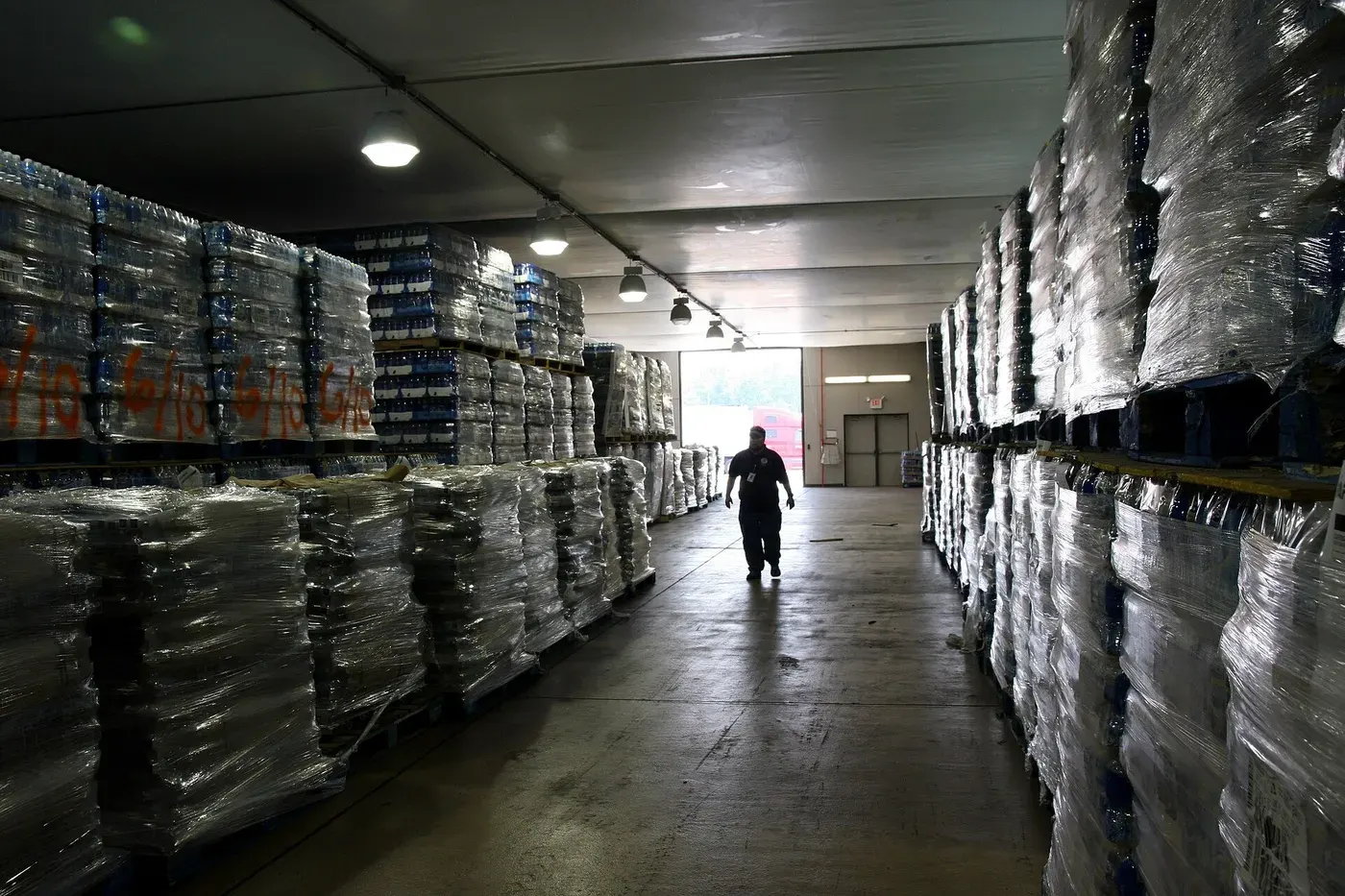
A reliable second hand clothing wholesale supplier can show you what is in the lot, name the quality tier and put every term into a written offer. A seller who sends only attractive pictures and a quick number has shown you none of that. This checklist covers what to ask, which public registers to check and what should make you stop.
Signs of a reliable second hand clothing wholesale supplier
Start with the goods. A serious seller can describe the category, the tier and the packing format of your lot, and can send photos or a short video of that lot rather than a stock gallery. Pictures taken for one lot say nothing about another, so ask which lot the pictures belong to.
Then look at the tier. A name such as cream or grade A means something only when the supplier says what sits inside and puts it in the offer.
On this site a tier names a quality level, and the exact tier and the contents are confirmed in writing. Be wary of a seller who quotes a neat figure in a chat and puts nothing on paper. The guide to sorting grades explains how to read those names.
Checks you can run yourself with public data
Words from a seller are one thing, registers another. Four public sources cover most of what a first-time buyer needs: the VAT number, the company register, the waste-handler register where it applies, and the shipment documents. Each takes minutes and none needs the supplier's permission. The table shows what each one proves and what it leaves open.
| Check | Public source | It shows | It does not show |
|---|---|---|---|
| VAT number | VIES (European Commission) | Whether the number is registered, valid or invalid | Who is behind it, or how the firm behaves |
| Company | Registro Imprese company report | Legal form, registered office, officers, activity | Quality of the goods |
| Waste handling | Albo Nazionale Gestori Ambientali | Registration for waste collection, transport, trade | Whether a lot is waste or goods |
| Shipment | CMR consignment note | Parties, packages, weight, carrier reservations | What is inside each bale |
VIES: what a valid result tells you and what it leaves out
The European Commission describes VIES as a search engine, not a database, that pulls data from the national VAT databases when you search. The result is valid or invalid, and an invalid one can mean the number is not registered in the national database, for reasons that include a number that has not been activated for intra-EU transactions.
The Commission also says it cannot check, correct, add or delete any national VAT registrations and cannot accept responsibility for the accuracy of the information.
The format helps too: according to the German tax office's overview of European formats, an Italian VAT number is IT followed by eleven digits. Use VIES for what it is: a quick test that the number the seller gave you exists and is active.
If the answer is invalid, ask the supplier to explain before you go further. If it is valid, you still need a second source, because a valid number says nothing about the firm behind it. That second source is the company register.
The company register: what the visura shows
An Italian company is on the Registro Imprese kept by the chamber of commerce, and registration is mandatory for anyone running a business activity in Italy, the register's own site states.
The visura camerale reports the company name, legal form, registered office, tax code, activity carried out, officers and, where relevant, registers, roles and licences. A historical version adds the changes made since the company was formed, including every registration and filing, and an English version is available for foreign buyers.
Read it as a buyer would read a reference. Does the name match the offer and the invoice? Is the registered activity close to trading in used goods? Has the address changed several times in a short period? None of these points is conclusive alone, but a report that contradicts the supplier's own description should be explained in writing before you pay.
Waste-handler registration: when to ask about the Albo
Used clothing sold for resale is usually handled as goods, but the line between goods and waste is not always sharp. The European Environment Agency notes that textiles appear on the European List of Waste, so national authorities have to assess whether used textiles to be exported should be classified as waste or not. If an offer includes rags, non-wearable fractions or anything called waste, the supplier's status may change and a different register may become relevant.
In Italy that register is the Albo Nazionale Gestori Ambientali. Its own page on mandatory registration says that under Article 212, paragraph 5, of Legislative Decree 152/2006, registration is a requirement for collecting and transporting waste, for site remediation, for asbestos remediation, and for trading and brokering waste without holding it.
Its categories include 4 for the collection and transport of non-hazardous special waste produced by third parties, 6 for cross-border transport within Italy and 8 for brokerage and trade without holding the waste. The Albo publishes a searchable list of registered companies, which shows reduced information when you are not logged in.
Whether any of this applies to your shipment is for your adviser or customs agent to say. A question for the supplier is enough: is any part of this lot classified as waste, and if so which registration category and number cover its transport?
Questions to ask before you choose a used clothing supplier
You do not need a long interview. Five plain questions reveal most of what you need to know, and the way they are answered matters as much as the answers.
- Which category and tier is this offer for, and where is that written down?
- Is the lot sold by weight, and how will the weight be confirmed?
- How is it packed and loaded for my address?
- Which delivery terms and costs apply to my order?
- What happens if the lot differs from the offer?
A supplier who is used to wholesale buyers answers these without effort. If every reply is "no problem, we will see", you are being asked to trust, and trust is exactly what a written offer is there to replace.
How to read an offer line by line
Take a pen, or a highlighter on screen, and mark each line of the offer against this list. A line you cannot mark is a question for the supplier.
- Category: clothing, shoes, toys or bric-a-brac, named, not implied.
- Tier: the name, plus the explanation of what it contains.
- Unit and weight basis: kilograms, and whether weight is taken before or after packing.
- Packing: bale, sack or box, and what one unit holds.
- Mix: gender, age and season, as far as the seller can say it.
- Delivery: who books the carrier and what is written about costs and documents.
- Payment and confirmation: the terms in writing, and how the order is confirmed.
A supplier who fills every line may still disappoint, and nobody can promise otherwise. But a supplier who leaves most lines blank has told you how the rest of the relationship will go.
Wholesale used clothes red flags in the offer
Vague wording is the first warning. A line such as "mixed clothes, good quality" with no category, no tier and no weight can be read any way the seller likes after delivery. The same goes for an offer that arrives as a voice message or a screenshot with no document attached.
Pressure is the second. Be careful if you are told the lot will be gone within the hour, or that you must pay before you have seen a single term. A serious seller will usually let you read an email first.
A third signal is drift. The category in the offer quietly changes between messages, the photos show one thing while the description says another, or the question about how the weight is confirmed gets a joke instead of an answer. One of these can be a misunderstanding. Two in the same conversation are a reason to slow down and ask for everything in a single document.
Why brand promises deserve a second look
Known labels can turn up in mixed lots of used clothing, and buyers like to hear it. But nobody can promise a particular label in a particular bale before the goods are opened and sorted. A seller who lists brands as a sure thing, with no mention of tier or condition, is selling an expectation.
A sound offer says it plainly: brands may appear, they cannot be promised, and the lot is described by category and tier. That sentence looks less exciting and protects both sides.
Reading the shipment documents: what the CMR note tells you
Under the CMR Convention the consignment note must list the sender, the carrier, the consignee, the place of taking over, the place designated for delivery, the description of the goods and of the packing, the number of packages with their marks and numbers, and the gross weight.
When it takes over the goods, the carrier checks the number of packages and their marks and the apparent condition of the goods and packaging, and if it cannot check, it writes its reservations on the note.
Article 9 adds the point that matters to you: if the note contains no specific reservations by the carrier, it is presumed, unless the contrary is proved, that the goods and their packaging appeared in good condition when taken over and that the packages and marks matched the note.
So read the note when the truck arrives. A package count that differs from the offer, or a carrier reservation you were never told about, is the earliest warning you will get.
Written terms separate a supplier from a seller of lots
Orders are confirmed by email or on a pro forma invoice. Payment terms are agreed in writing, and returns are possible only if they were agreed in advance. Check that all of this exists as a document you can open a month later, not as a message that has scrolled away.
Read the offer against your enquiry. If you asked for sizes for adults and the offer does not mention them, ask again before you confirm. The guide to buying wholesale for the first time follows the same sequence from enquiry to delivery.
Test the relationship with a small order
Trust grows with the first delivery, and it is cheaper to build it on a small lot than on a full truck. Take a modest lot in one category and compare it with the offer line by line: category, tier, packing, weight. Note how fast and how clearly the supplier answers if you have a question.
If the lot differs from the offer, watch the reaction: calm and in writing, or silence and delay. The first is what you pay a supplier for, and one delivery is enough to see which you have. Compare two offers on the same terms, not on the headline figure alone. The article on wholesale pricing lists what to line up side by side, and the catalog helps you name the category correctly.
Your next step: send the five questions above with your category and tier through the contact form, and keep the written reply for your records.
Frequently asked questions
What should a written offer from a supplier include?
At minimum it names the category, the tier, the packing format, the weight basis and the delivery terms for your address. It should also state how the order is confirmed and how payment is arranged. If any of these is missing, ask for it in writing before you answer.
Is it a warning sign if a supplier will not name exact brands?
No. Brands can appear in mixed lots, but a label cannot be promised before the goods are sorted. A supplier who describes the lot by category and tier is being accurate. The warning sign is the opposite: certain brands presented as sure.
Does a valid VIES result prove a supplier is reliable?
No. It shows that the VAT number is registered in the national database on the day you ask. The European Commission says it cannot check or correct national registrations, so pair the result with the company register and with how the supplier answers your questions.
How do I compare two suppliers fairly?
Send both the same enquiry with the same category, tier, sizes and delivery address. Then set the offers side by side: what is named, how the weight is confirmed and what each side does if the lot differs. Compare terms first and the headline figure second.
What if the supplier replies only in a chat app?
Ask them to put the offer in an email or a pro forma invoice. A chat message is easy to lose and hard to point to later. A supplier who works with wholesale buyers will have no difficulty sending a document with the terms in it.
When should I ask a supplier about waste-handler registration?
When any part of an offer is described as waste, rags or non-wearable material, or when the supplier says it collects or transports waste. In Italy the Albo Nazionale Gestori Ambientali keeps the register. For ordinary lots sold for resale, ask your adviser whether it applies.