Cream Second Hand Clothing: A Buyer's Reading of the Top Sorting Tier
By the Recycling Italy team
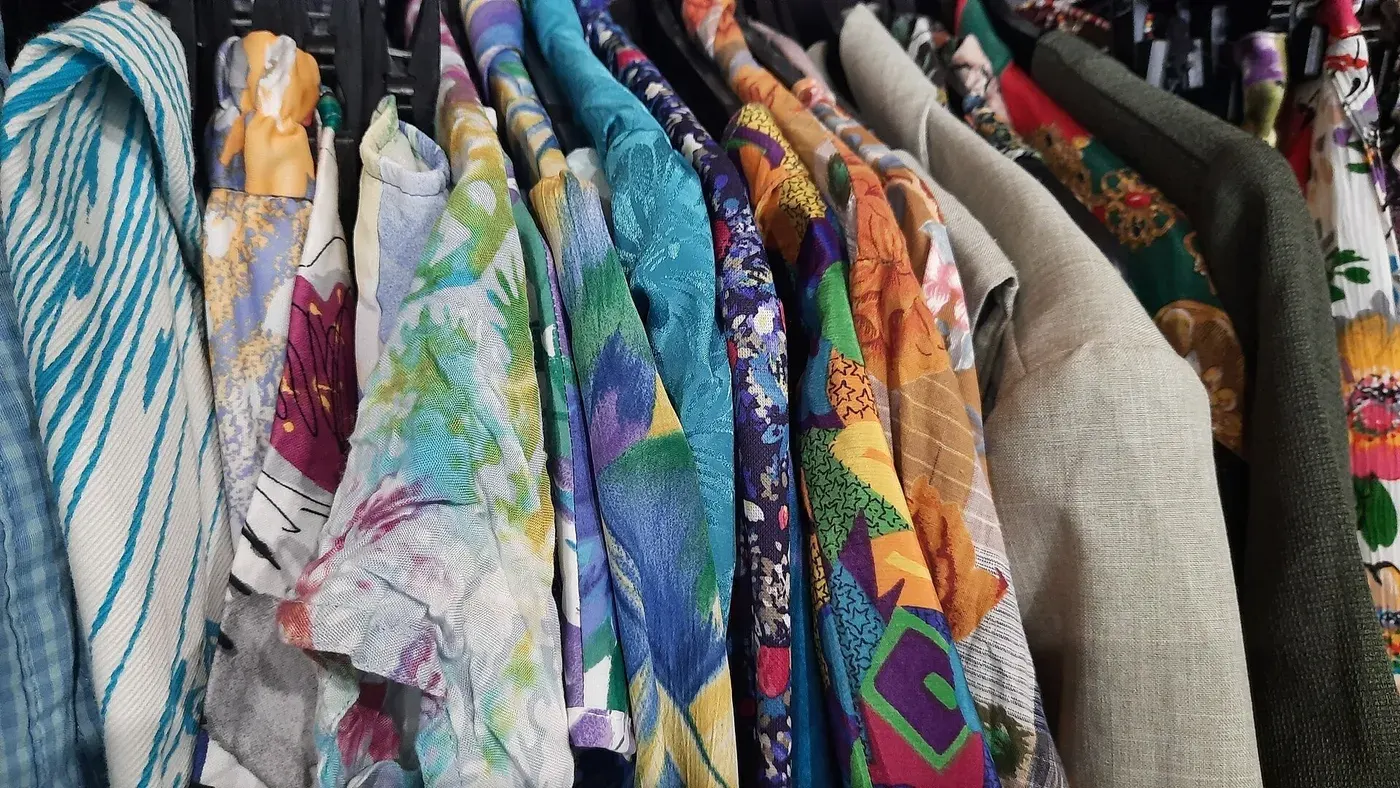
Cream second hand clothing is the top sorting tier of the used-clothing trade: the pieces a sorter judges to be in the strongest condition of a collection. It is a trade name, not a legal standard, and the sources read here give it no numeric scale. For an order, the written offer confirms what the tier contains.
What is cream sorting in the trade
Used clothing does not travel as one heap. It is sorted by skilled workers who separate what can be worn again from what cannot, and then grade what is left. A Waag booklet written for the EU-funded Reflow project (2021) says reusable items are divided into more than 200 categories and into at least three quality grades, called crème, first quality and second quality. Crème is the top grade.
The European Environment Agency uses the same word. Its 2023 briefing on EU exports of used textiles says charitable and private collectors typically want only reusable textiles and pre-sort them to extract high-value textiles, so-called cream, to sell in their own shops.
The rest is often exported unsorted as so-called "originals", which are likely to contain items fit and unfit for reuse. Cream is therefore what sorters take out first, and "originals" are what stays when nobody has taken anything out.
Neither source gives a threshold, a percentage or a defect list for cream. That is the main point to remember: the word names a level within one sorter's system, and another sorter may draw the line somewhere else.
Who buys cream second hand clothing and why
The Waag booklet says crème items are sold at the highest prices of the three grades, to second hand and vintage shops in Western Europe, and that the grade can include branded clothing. Resellers who serve customers looking for particular pieces, rather than for volume, are the natural audience. They are buying the chance of a rail that needs little work, and fewer pieces that must be rejected.
There is a wider reason that reuse sells. The EEA's 2024 briefing on the management of used and waste textiles states that reuse is a more environmentally sustainable option than recycling, and that it brings socio-economic benefits, such as small businesses built around selling second hand textiles.
For a shop owner this is background, not a sales argument: your customers decide what they buy, and the tier only affects how much of a lot is ready for sale.
What limits the supply of top-tier pieces
Quality at the top is limited by what comes in. The same 2024 EEA briefing notes that indoor collection is ideal for gathering high-quality, unsoiled textiles suitable for reuse, while containers on the street carry a higher contamination risk. It also says that, with separate collection of textiles expected to expand, collection rates should rise although the overall quality of what is collected may fall, which could reduce the incentive for reuse.
The briefing makes no prediction about any single tier, and this article does not either. What follows for a buyer is a modest caution. Do not assume that a given supply of cream will look the same from one lot to the next, and do not read a tier name as if it were a measurement.
What a tier word answers, and what it leaves open
"Cream" tells you about the level of condition and, often, style that a sorter has in mind. It does not tell you the category, the sizes or the season, and it does not tell you the brands. Known brands can appear in lots, but nothing promises them, and a tier name does not change that.
| Question | Does the tier name answer it? | Where the answer must be written |
|---|---|---|
| Which garments are in the lot | No | Category list in the offer |
| Which sizes | No | Size groups in the offer |
| Which season | No | Season in the request and the offer |
| How good is the condition | In part, as a quality level | The description of the tier in the offer |
| What the lot weighs | No | Weight and number of units in the offer |
| Which brands | No | Not promised; ask for photos |
The site names sorting tiers such as cream. Treat the tier name as a level of quality; the written offer is where the exact tier and the contents are confirmed. Ask what the offer calls each tier before you compare lots, because the same word on two offers may describe two different things.
Cream grade used clothes and the tariff
A buyer sometimes asks whether near-new goods are classified like worn ones. In the Harmonized System, as published in the UK Trade Tariff, note 3 to chapter 63 says heading 6309, worn clothing and other worn articles, applies only to goods that show signs of appreciable wear and are presented in bulk or in bales, sacks or similar packings. Chapters 61 and 62 cover apparel in general and exclude worn articles of heading 6309.
The rule says what it says; the code for your shipment is a matter for your customs agent, who can look at the description and the condition of the actual goods. The EEA adds that worn textiles and clothing are reported under Combined Nomenclature code 6309, and that textiles under that code are rarely considered waste.
Labelling second hand garments
Regulation (EU) No 1007/2011 requires fibre composition labelling for textile products made available on the market, and Annex V lists items that need none, including "Old made-up textile products, where explicitly stated to be such". The Commission's FAQ on the regulation applies this to second hand clothes whose composition cannot be established: consumers have to be explicitly informed that they are buying old made-up textile products. It is not legally binding.
The practical consequence is simple. A cream garment is still a second hand garment, and a shop that sells it should say that it is. Your resale price tag and your shelf sign carry that message, not the tier name.
How to ask for photos or a short video
Pictures and descriptions only indicate what a lot looks like, because each lot differs in weight, condition and style. Before you confirm, you can ask the supplier for photos or a short video of your lot. A good request names what you want to see, so that the supplier does not have to guess.
- A wide shot of the whole lot or the open unit, to see the proportion of categories.
- Close-ups of a handful of garments from different parts of the lot: collars, underarms, hems and seams.
- A few garments laid flat with the labels visible, to see size and fibre composition where present.
- The inside of any bag or carton that is part of the lot.
- A short video moving along a row of garments, which shows more variety than a still.
Compare what you see with the written offer, and say what differs before you confirm. A photograph supports the offer but does not replace it.
Why a tier costs work: sorting is manual
The EEA's 2023 briefing describes sorting as a manual and labour-intensive process, which is why it is more economical in countries with lower labour costs, and it calls the market one of tight margins. The Waag booklet likewise says that the financial margins of textile sorters are very thin.
Sorting by tier is therefore handwork: each decision rests on a person looking at a piece. When you ask for a tier, you are asking for that extra attention, and the offer should show you which tier you are getting.
A request that names category, sizes, season and tier
A clear request saves a round of questions. A buyer who writes "women's tops and knitwear, adult sizes, autumn, cream tier, photos please" has named the category, the size group, the season, the tier and the evidence wanted in one line. A buyer who writes "your best clothes" has named none of them.
Add what you will do with the goods: a stall that sells by the piece, a boutique that needs tidy sizes, or a reseller who passes the goods on. The supplier can then say whether the tier suits that use, and you avoid paying attention to a feature you do not need.
Reading the written offer for a cream lot
An offer for a cream lot should let a second reader understand the goods without the photographs. Look for the category and the sizes in plain words, the season, the tier name, the weight and the number of units, and the way the goods are packed. If a line is missing, ask for it to be added before you confirm.
The order is confirmed by email or on a pro forma invoice, and the payment terms are set in writing. Keep the offer with the photographs you received, so that a later conversation about the lot has a common reference. If an item is described by tier and not by piece, you should be able to say what the tier meant when you placed the order.
The rules around reuse are changing
Directive (EU) 2025/1892 amended the Waste Framework Directive. The European Parliament's summary says it requires used textile products, accessories, footwear and waste from them collected separately to be sorted before shipment, and that used textiles deemed suitable for reuse should not be considered textile waste. It entered into force on 16 October 2025, and Member States must set up extended producer responsibility schemes for textiles by 17 April 2028.
For a reseller, this is background about the market in which tiers are formed. It does not turn a tier name into a standard, and it does not change what an offer must say about a lot.
Common misunderstandings about the top tier
Three ideas come up often. The first is that cream means new, which it does not: the goods are used, and the sources describe pieces judged to be of high value for reuse. The second is that cream is the same everywhere, which no source supports, since none of them defines the word in numbers. The third is that the word promises brands, when a tier only describes a quality level.
A fourth idea is more practical: that you must buy cream to sell well. Your customers, your season and your rail decide what you need, and the guide to sorting grades shows the other tiers and how they fit together.
Next step
Pick a category, say which sizes you resell and ask for a cream lot in a message through the contact form, with a request for photos or a short video. The buying guide covers the order steps, the page on stock clothing shows the lots and the guide on choosing a supplier lists what to ask early.
Frequently asked questions
Is there an official definition of cream grade used clothes?
None of the public sources read for this article gives a numeric or legal definition. Waag and the European Environment Agency use the word as a trade name for the top of the sorting grades. Ask the supplier how the offer describes the tier.
Does cream mean the clothes are new?
No. The goods are used. The sources describe cream as the high-value pieces that a sorter extracts for reuse. The label rules for second hand garments still apply, so a shop should tell customers that the items are old made-up textile products.
Does cream mean branded clothing?
Not necessarily. A source describes crème as a grade that can include branded clothing, but known brands can appear in lots without being promised, and a tier name does not change that. Ask for photos of labels if brands matter to your customers.
Can I look at the goods before I say yes?
Ask the supplier for photos or a short video of your lot before you confirm. Pictures and descriptions are only indicative, since each lot differs in weight, condition and style, so compare them with the written offer and raise any difference before you agree.
What should the offer say about a cream lot?
The category, the sizes, the season, the name of the tier, the weight and the number of units, and the packing. Treat the tier as a quality level and ask for any missing line, because the exact tier and the contents are confirmed only in the written offer.
Is a lot of cream classified differently at customs?
The tariff note for heading 6309 refers to worn articles showing appreciable wear and presented in bulk or in bales, sacks or similar packings. How it applies to a lot of near-new pieces is a question for your customs agent, who sees the actual goods.