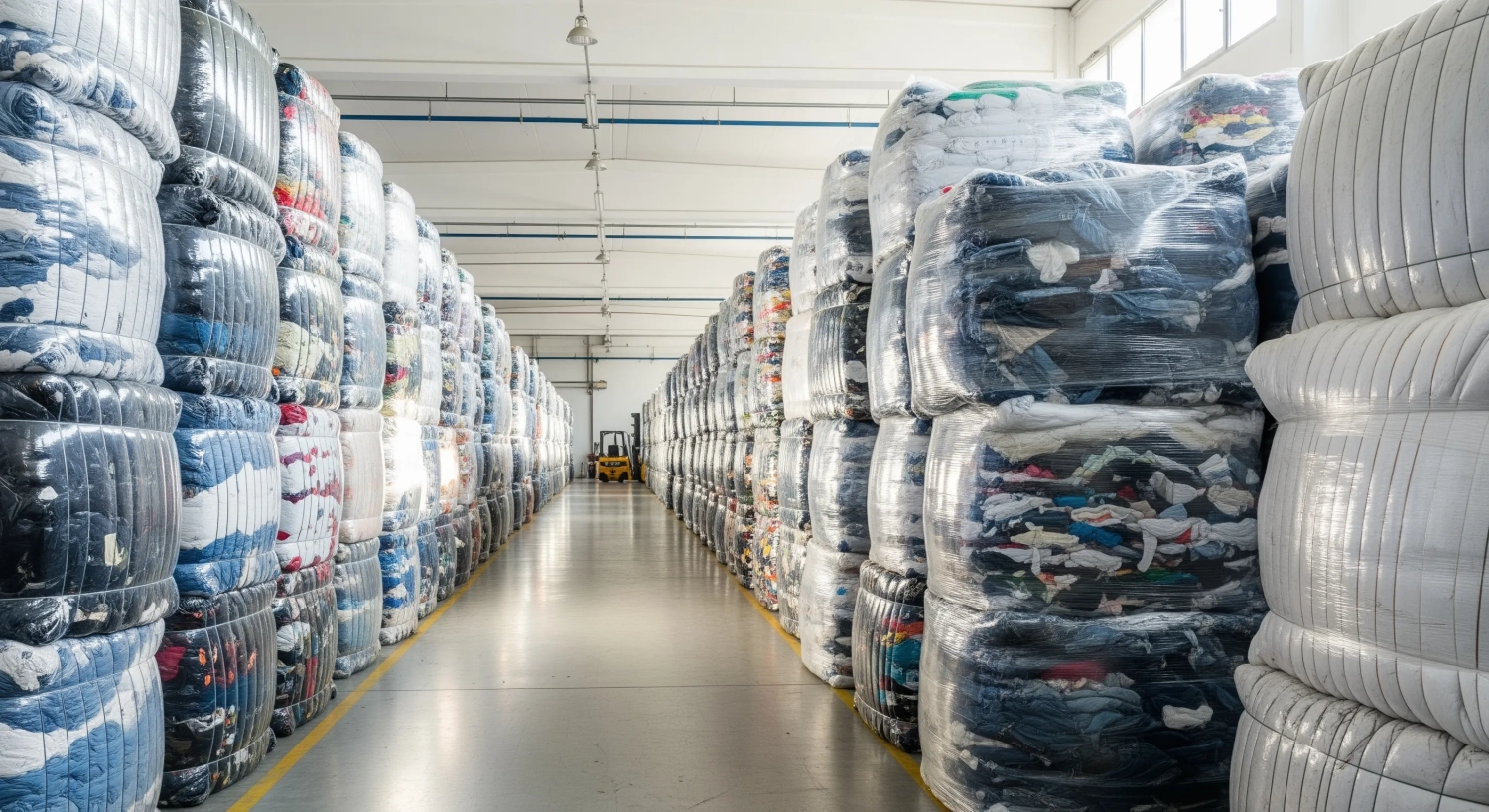
As the wholesale clothing industry continues to evolve, understanding the nuances of second-hand clothing supply, especially in Southern Italy, is essential for B2B buyers. Marcianise Sud in Caserta stands out as a pivotal logistics hub for trade buyers seeking quality used garments. By leveraging the region's strengths, businesses can optimize their supply chain, ensuring timely delivery and compliance with EU regulations.
Table of Contents
- Understanding the Used Clothing Market
- Key Benefits of Sourcing in Campania
- Strategies for Choosing a Wholesale Supplier
- Navigating Logistics and Delivery
- Ensuring Quality and Compliance
- Risk Mitigation in Wholesale Clothing
Key Takeaways
| Factor | Insight |
|---|---|
| Minimum Order Quantity | Minimum orders often start at 1000 kg when sourcing second-hand clothing. |
| Grading Systems | Understand the grading systems used in the market to determine the quality of items. |
| Logistics | Consider logistics, especially for cross-border deliveries within the EU. |
| Margin Optimization | Evaluate margins to ensure that pricing allows for profitability. |
Understanding the Used Clothing Market
The second-hand clothing market in Italy has seen significant growth due to increasing consumer preferences for sustainable options. This shift reflects a global trend towards circular fashion. Trade buyers must analyze local demand trends to tailor their offerings effectively.
Additionally, the role of various online platforms allows wholesalers to reach wider audiences. According to recent studies, the accessibility of e-commerce solutions has made it easier for businesses to exploit the opportunities presented by this expanding market.
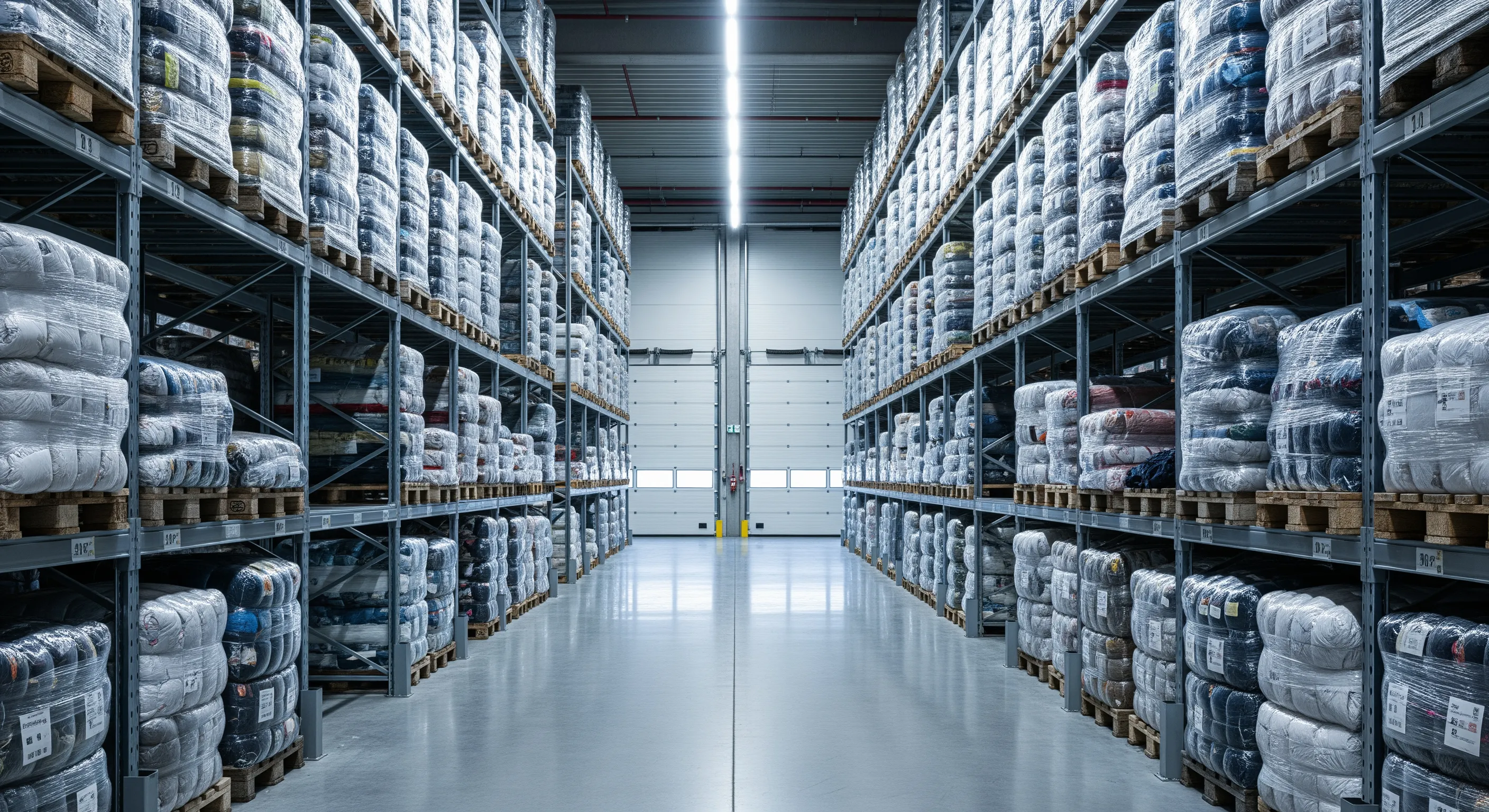
Pro tip: Regularly assess trends in the used clothing market to stay ahead of sourcing opportunities.
Key Benefits of Sourcing in Campania
Campania, and specifically Caserta, offers strategic advantages for B2B buyers in the wholesale clothing sector. The region is well-connected through logistics and transportation networks, facilitating efficient distribution across Europe.
The accessibility of quality second-hand clothing at competitive prices can significantly benefit trade buyers. The local market provides an opportunity to support sustainable practices, enhancing a brand's image as eco-conscious.
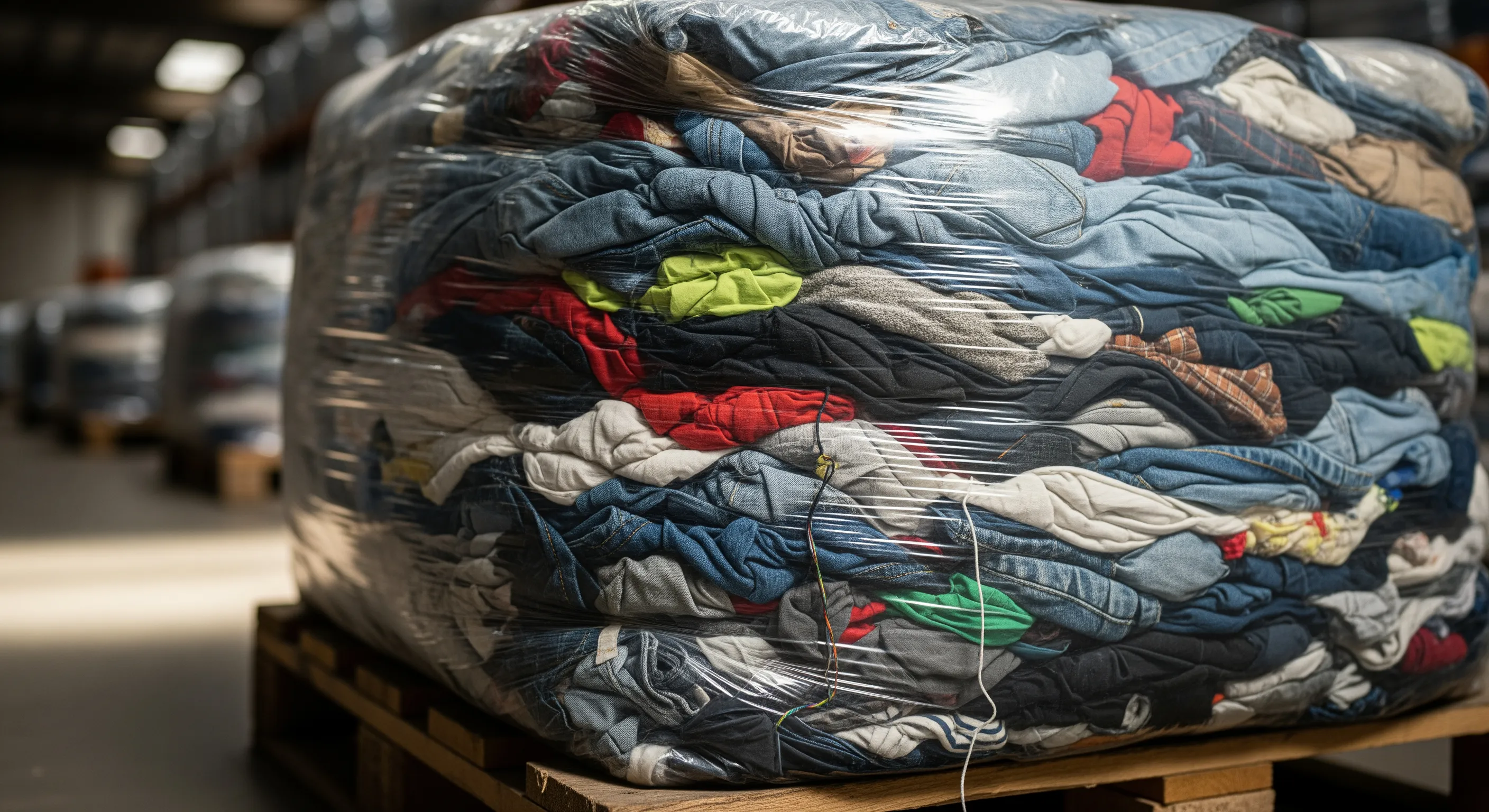
Pro tip: Emphasize the environmental impact of sourcing second-hand clothing in your marketing strategy.
Strategies for Choosing a Wholesale Supplier
Choosing the right wholesale supplier is vital for ensuring a consistent inventory and satisfied customers. Evaluate potential suppliers based on their grading standards, communication, and reliability.
Additionally, visiting the supplier’s warehouse can provide insights into their operations, helping to build trust and determine product quality. Consider using industry ratings to gauge supplier reputation.
Pro tip: Establish clear communication channels with your supplier to address any concerns promptly.
Navigating Logistics and Delivery
Understanding logistics is crucial for B2B operations, especially in the context of export and import. Establishing reliable delivery timelines ensures that your business can meet customer demands effectively.
Utilizing local logistics providers with expertise in cross-border delivery can minimize potential hurdles. Further, adopting a comprehensive logistics strategy enables businesses to enhance their operational efficiency.
Pro tip: Develop a logistics plan that includes contingency measures for potential delays.
Ensuring Quality and Compliance
Quality assurance and compliance with industry standards are critical components of the wholesale clothing business. Establish clear grading systems for the second-hand garments to maintain consistent quality.
Furthermore, understanding compliance requirements within the EU can help avoid regulatory pitfalls. Ensure all necessary documentation is in order to facilitate smooth transactions.
Pro tip: Regular training and updates on compliance standards can be beneficial for your team.
Risk Mitigation in Wholesale Clothing
| Practical Risk | Cause | Mitigation |
|---|---|---|
| Grading Disputes | Miscommunication on expectations | Establish clear grading criteria |
| Transit Damage | Poor handling during shipping | Use professional logistics services |
| Compliance Issues | Changing EU regulations | Stay updated on policies |
| Payment Terms | Delayed payments from buyers | Implement solid contract agreements |
Get a B2B Quote for Italian Second-Hand and Stock Clothing
For trade buyers who need consistent bulk supply, clear grading and efficient EU delivery, explore Recycling Italy at recyclingitaly.com. To request a quote or schedule a warehouse visit near Caserta, contact the team here: Contact Us.
Frequently Asked Questions
What is the minimum order quantity for bulk clothing?
The minimum order quantity typically starts at 1000 kg for bulk clothing orders.
How is the quality of second-hand clothing assessed?
Quality is assessed using specific grading systems that categorize items based on their condition.
What are the advantages of sourcing in Italy?
Sourcing in Italy provides access to quality products, efficient logistics, and compliance with EU standards.
How can I ensure timely delivery?
Partnering with reliable logistics providers and planning ahead can help ensure timely delivery of orders.