Explore the Benefits of Second Hand Clothes Wholesale
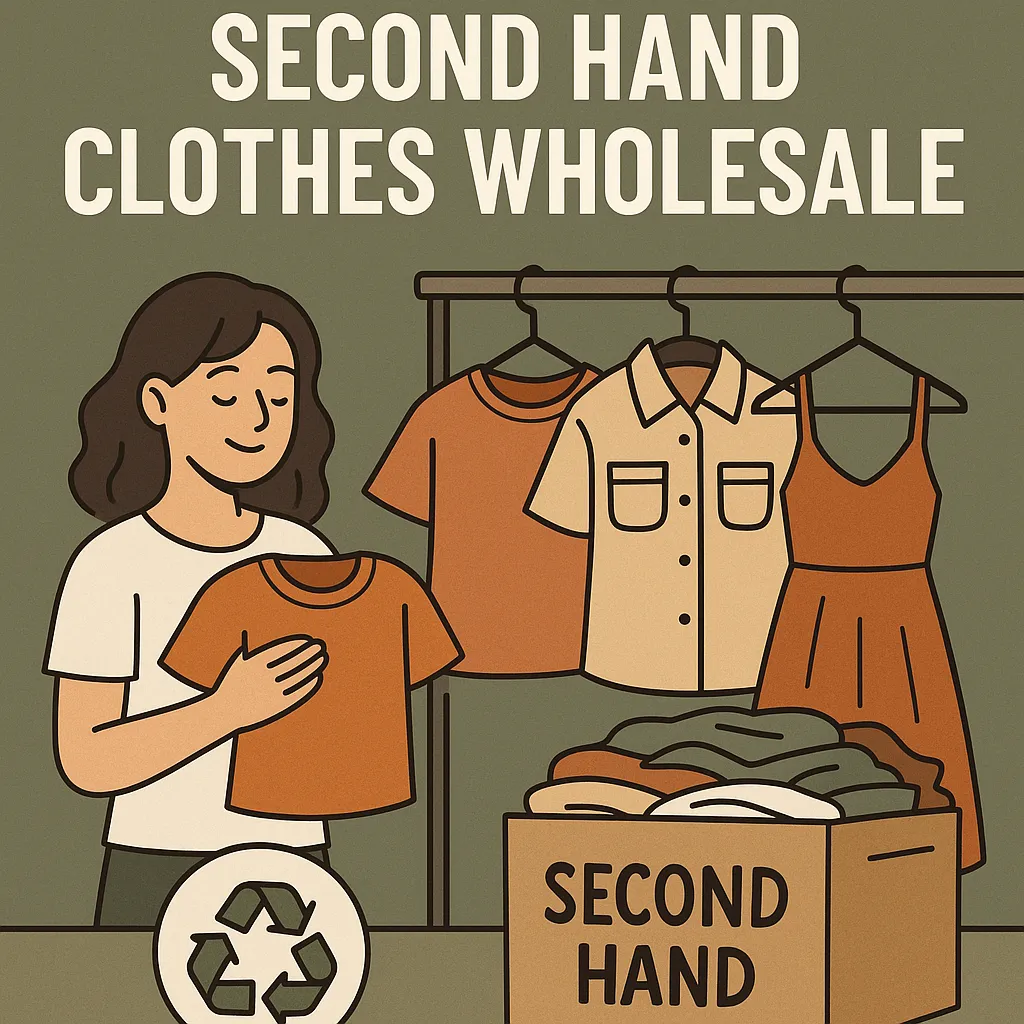
Second hand clothes wholesale options are increasingly popular among retailers looking to provide unique and sustainable fashion choices. The demand for eco-friendly clothing has surged, and retailers are responding by sourcing second hand garments to meet consumer preferences. This trend not only supports sustainability but also allows businesses to offer diverse selections at competitive prices. By embracing second hand clothes wholesale, retailers can tap into an expansive market that values environmental consciousness and individual style. In this article, we will delve into the advantages of purchasing second hand clothing in bulk, the types of products available, and how to source them effectively.
Why Choose Second Hand Clothes Wholesale?
Opting for second hand clothes wholesale presents numerous advantages for retailers. Firstly, the sustainability aspect cannot be overlooked; every garment purchased helps to reduce waste in landfills, contributing to a circular economy. Furthermore, second hand clothing often features unique designs and styles that cannot be found in mass-produced items. This can set a business apart from its competitors, as consumers increasingly seek individuality in their wardrobe choices. Economically, wholesale second hand clothing can be significantly less expensive than purchasing brand new items, providing retailers a better profit margin. Additionally, sourcing second hand garments can foster relationships with suppliers and create a network of sustainable fashion advocates, further enhancing a brand’s reputation. Retailers can also benefit from the growing trend towards thrift shopping, as many consumers are actively seeking out second hand options, making it a lucrative avenue worth exploring.
Types of Second Hand Clothing Available
The market for second hand clothes wholesale is diverse, offering a wide range of products to suit various business needs. Retailers can find everything from vintage apparel to contemporary styles, catering to different customer demographics. Vintage clothing, which often has a unique charm and history, can attract niche markets looking for one-of-a-kind pieces. On the other hand, contemporary second hand clothes appeal to a broader audience, providing affordable options that align with current fashion trends. Beyond clothing, wholesalers often carry accessories, shoes, and even outerwear, allowing retailers to offer a comprehensive selection. Additionally, many wholesalers provide sorted and categorized lots, making it easier for retailers to find specific items that align with their brand identity. This variety not only enhances the shopping experience for consumers but also empowers retailers to curate collections that resonate with their target audience.
How to Source Second Hand Clothes Wholesale
Sourcing second hand clothes wholesale requires strategic planning and research. Retailers should start by identifying reputable wholesalers that specialize in second hand clothing. Online platforms, trade shows, and local markets can provide valuable leads. It’s essential to evaluate the quality of the garments offered, as this will significantly impact customer satisfaction and brand image. Retailers should request samples to assess the condition and appeal of the clothing before making bulk purchases. Building relationships with suppliers can also lead to better pricing and exclusive deals. Furthermore, retailers can consider joining networks or associations focused on sustainable fashion, as these can provide access to exclusive wholesale opportunities. By approaching sourcing with diligence and a clear understanding of target markets, retailers can successfully navigate the second hand clothing landscape and create a thriving business model.
Marketing Second Hand Clothes to Consumers
Once retailers have stocked up on second hand clothes wholesale, effective marketing strategies become crucial to attract consumers. Social media platforms are excellent tools for showcasing unique finds and building a brand narrative around sustainability and individuality. Engaging content, such as styling tips and behind-the-scenes looks at sourcing trips, can create a connection with customers and encourage them to explore second hand options. Additionally, retailers should emphasize the environmental benefits of purchasing second hand, appealing to the growing consciousness among consumers regarding eco-friendly practices. Hosting events or pop-up shops can also provide an opportunity to display the clothing in a curated environment, enticing customers to engage with the brand. Collaborating with influencers who advocate for sustainable fashion can further amplify the reach and credibility of the marketing efforts. By effectively communicating the value of second hand clothing, retailers can cultivate a loyal customer base and contribute to a more sustainable future.
Conclusion: The Future of Second Hand Clothes Wholesale
The future of second hand clothes wholesale looks promising as more retailers recognize the potential benefits of incorporating sustainable practices into their business models. As consumer awareness around the environmental impact of fast fashion continues to grow, the demand for second hand clothing is expected to rise. Retailers who embrace this shift can not only enhance their product offerings but also position themselves as leaders in the sustainable fashion movement. By prioritizing quality, building strong supplier relationships, and effectively marketing their unique selections, businesses can thrive in this evolving landscape. Ultimately, adopting second hand clothes wholesale is more than just a trend; it's a sustainable solution that benefits retailers, consumers, and the planet.
Get Started with Second Hand Clothes Wholesale Today
If you’re ready to explore the world of second hand clothes wholesale, visit our [products page](https://recyclingitaly.com/products) to discover our extensive collection. Our commitment to quality and sustainability ensures that you will find the perfect garments for your store, all while supporting environmentally friendly practices. Additionally, learn about our [social mission](https://recyclingitaly.com/social-mission) and how your purchase contributes to a greater cause. Start your journey towards a sustainable future today!
FAQ
What is second hand clothes wholesale?
Second hand clothes wholesale refers to the bulk purchasing of pre-owned clothing items, typically sold at a lower price than new garments. This model allows retailers to stock diverse and sustainable fashion options while appealing to a growing demographic that values eco-friendly shopping. By sourcing second hand clothes wholesale, businesses can effectively reduce clothing waste and contribute to a circular economy, all while offering unique styles that attract consumers seeking individuality in their wardrobe.
Why should retailers consider second hand clothing?
Retailers should consider second hand clothing for multiple reasons including sustainability, uniqueness, and cost-effectiveness. By offering second hand items, businesses can appeal to environmentally conscious consumers, differentiate themselves from competitors, and maintain lower inventory costs. Additionally, second hand clothing often features distinctive styles that can enhance a retailer's product range and attract a diverse customer base. Embracing second hand options can position retailers as leaders in the sustainable fashion movement.
How can I ensure the quality of second hand clothes?
To ensure the quality of second hand clothes, retailers should conduct thorough research when selecting wholesalers. Requesting samples before making bulk purchases allows for an assessment of garment condition and appeal. Additionally, establishing long-term relationships with trusted suppliers can lead to better quality control and assurance. Retailers should also carefully inspect the items upon arrival, checking for any defects or damages, to maintain high standards and ensure customer satisfaction.
What types of second hand clothing are most popular?
The most popular types of second hand clothing often include vintage apparel, contemporary styles, and unique accessories. Vintage clothing attracts consumers looking for one-of-a-kind pieces with character, while contemporary options appeal to those seeking affordability and modern trends. Additionally, items like shoes and bags can be highly sought after in the second hand market. Retailers should focus on curating a selection that reflects current fashion trends while offering unique items to cater to diverse customer preferences.
How can I market second hand clothes effectively?
Effective marketing of second hand clothes involves leveraging social media, storytelling, and emphasizing sustainability. Retailers can showcase their unique finds through engaging content on platforms like Instagram and Facebook, creating a narrative around the benefits of second hand shopping. Highlighting the environmental impact of purchasing pre-owned items can resonate with eco-conscious consumers. Additionally, hosting events or collaborating with influencers can enhance visibility and attract a wider audience to the brand.
Where can I find reliable wholesalers for second hand clothing?
Reliable wholesalers for second hand clothing can often be found through online platforms, trade shows, and local sourcing events. Researching and connecting with suppliers who specialize in second hand garments is crucial to ensure quality and ethical sourcing. Joining networks or associations focused on sustainable fashion can also provide valuable leads and resources. Establishing long-term relationships with trustworthy wholesalers can lead to better pricing and exclusive opportunities for retailers seeking second hand clothing.