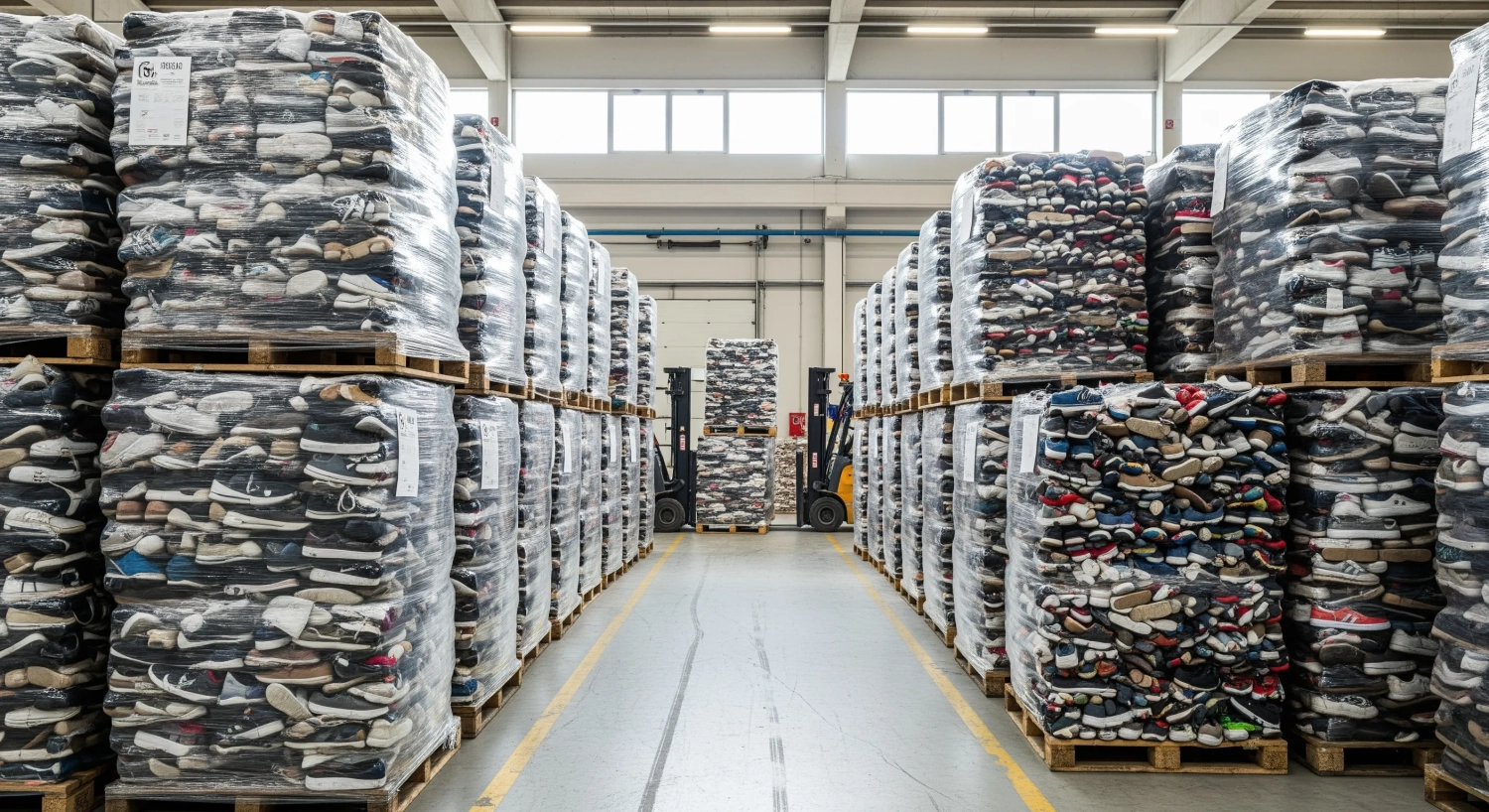
As the demand for sustainable fashion continues to grow, B2B buyers across Europe are increasingly seeking quality wholesale used shoes. Italy, located in the heart of Southern Europe with important logistics hubs such as Caserta, is ideally positioned as a source for second-hand footwear. Ultimately, wholesale operations can benefit from understanding market trends and best practices in sourcing used shoes in bulk, ensuring efficient logistics, and maintaining compliance throughout the supply chain.
Table of Contents
- Understanding the Market
- Sourcing Practices for Used Shoes
- Quality Assessment and Grading
- Logistics and Distribution Considerations
- Mitigating Risk in Wholesale Transactions
- Navigating the B2B Supply Chain
Key Takeaways
| Aspect | Considerations |
|---|---|
| MOQ | Generally around 1000 kg per order; |
| Quality Grading | Engage reliable suppliers for consistent grading; |
| Logistics | Utilize EU shipping routes for efficiency; |
| Risk Control | Establish clear payment terms and documentation; |
Understanding the Market
The European market for wholesale used shoes is expanding, reflecting an increasing consumer preference for sustainable options. A study on supply chain risks reveals that effective decision-making models are essential for managing these factors in the footwear sector (Springer). By understanding market dynamics, B2B buyers can position themselves better and take advantage of favorable pricing and sourcing opportunities.
Additionally, comprehending how various regional markets influence demand for used footwear ensures better inventory management. Ensuring compliance with EU regulations regarding footwear imports is crucial for success in this sector.
Sourcing Practices for Used Shoes
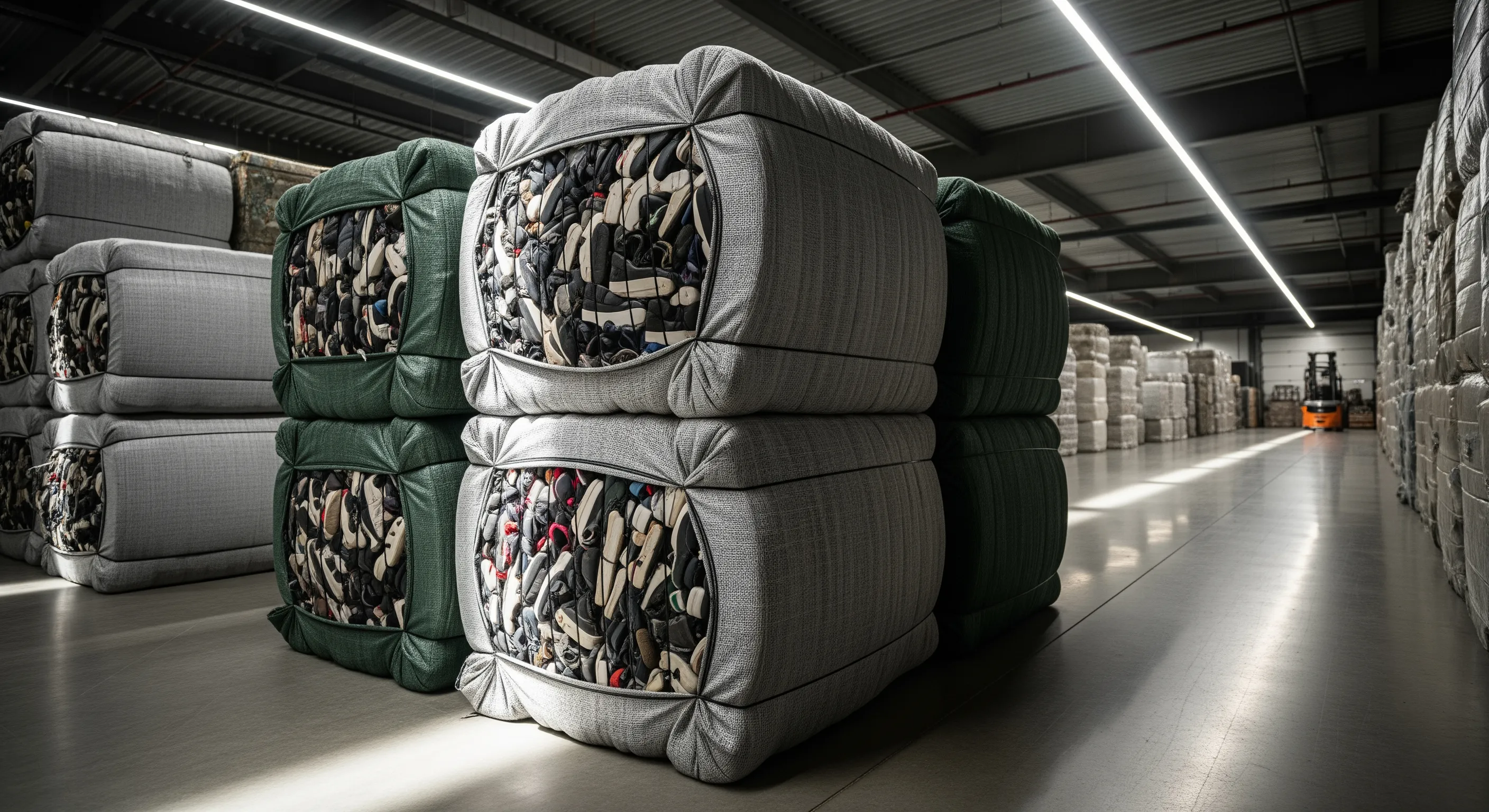
Identifying reputable suppliers of second-hand shoes in Italy is critical for maintaining quality and consistency. Research into Tabriz leather and shoe bazaars highlights the significance of traditional marketplaces in sourcing practices (ScienceDirect). Establishing long-term relationships with reliable vendors can yield better pricing and access to exclusive product lines.
B2B buyers should also consider attending industry trade shows and expos to network with potential suppliers and gain insights into the latest trends in used footwear.
Quality Assessment and Grading
Quality is paramount when selecting used footwear for resale. Implementing a rigorous grading system ensures that only high-quality products are offered to customers. Utilizing frameworks designed for online retail platforms can enhance user experience by ensuring consistent quality assessments (MDPI).
Regular audits of inventory can help maintain standards and prevent quality disputes down the line.
Logistics and Distribution Considerations
Efficient logistics play a critical role in the wholesale used shoes market. Leveraging EU logistics networks facilitates timely distribution. Inadequate planning can lead to increased costs and delays, impacting the overall supply chain. An analysis of global footwear production trends provides key insights into these logistics scenarios (World Bank).
Cross-border delivery strategies should be evaluated, considering customs requirements and transit time.

Mitigating Risk in Wholesale Transactions
Risk assessment is essential in the wholesale landscape, including disputes over product quality, transit damage, and compliance documentation. An examination of socioeconomic impacts of second-hand clothing emphasizes the importance of maintaining strict quality control
(Circular Economy) and establishing clear communication with suppliers.
Having standardized payment terms can mitigate concerns around financial integrity during transactions. Furthermore, being aware of evolving regulations related to pricing and interchangeability of goods is essential (EU regulation guidance).
Navigating the B2B Supply Chain
The complexity of navigating the B2B supply chain for wholesale used shoes emphasizes the need for better systems and strategies. Establishing an efficient workflow that encompasses all stages from sourcing to selling can dramatically improve margins. A thorough understanding of logistics, grading, and market trends provides the groundwork for crafting a competitive advantage.
By being proactive and responsive to changes in the supply chain, businesses can capitalize on emerging opportunities in the used footwear market.
Pro tip: Regularly analyze market trends and supplier performance to maintain a competitive edge.
Get a B2B Quote for Italian Second-Hand and Stock Clothing
For trade buyers who need consistent bulk supply, clear grading and efficient EU delivery, explore Recycling Italy at recyclingitaly.com. To request a quote or schedule a warehouse visit near Caserta, contact the team here: Contact Us.
Frequently Asked Questions
What are the benefits of sourcing wholesale used shoes?
Sourcing wholesale used shoes offers cost-effective options while promoting sustainability.
What should I consider when selecting a supplier?
Consider their track record, grading consistency, and logistics capabilities.
How can I ensure quality control in used shoes?
Implement a stringent grading system and conduct regular audits.
What logistics strategies are essential for success?
Focus on efficient distribution networks and compliance with customs regulations.