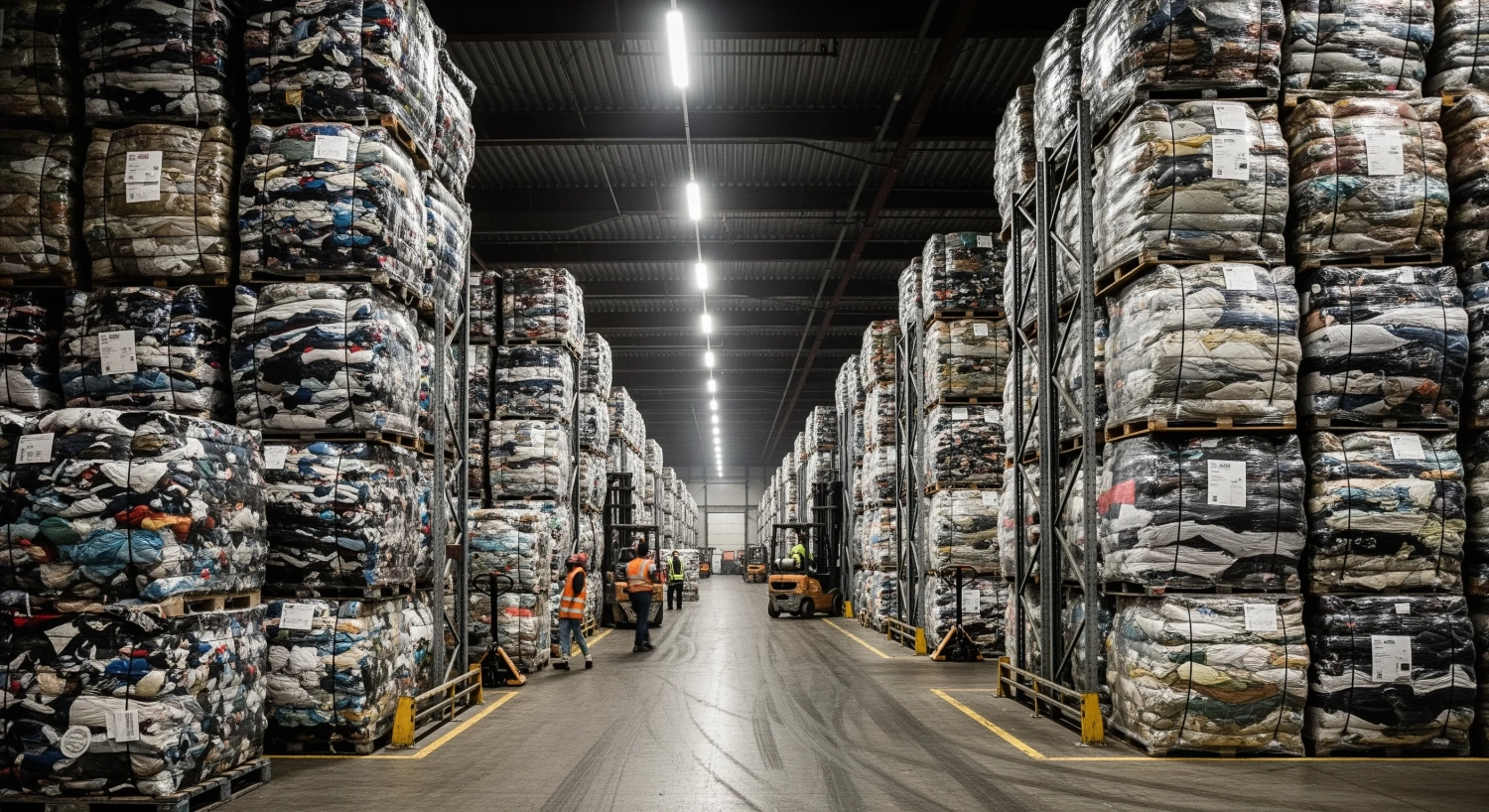
As the demand for sustainable practices rises, second hand clothes wholesale in Europe presents a valuable opportunity for trade buyers. Italy, specifically the region surrounding Marcianise Sud, Caserta, serves as a central logistics hub for B2B transactions in bulk second-hand clothing. This guide will help wholesalers and exporters navigate the complexities of sourcing quality stock, emphasizing efficient logistics and tailored solutions suitable for the European market.
Table of Contents
- Understanding the European Second Hand Clothing Market
- Key Benefits of Wholesale Second-Hand Clothing
- Grading and Sorting in Second-Hand Clothing
- Complying with EU Regulations
- Ensure Sustainability in Sourcing
- Trade Logistics and Risk Management
Key Takeaways
| Focus Area | Key Insight |
|---|---|
| MOQ | Typical minimum order quantity is 1000 kg. |
| Grading | Prioritize suppliers with established grading processes to ensure quality. |
| Logistics | Capitalize on Italy's logistics to reduce shipping times across Europe. |
| Margins | Focus on securing profitable pricing through direct relationships with suppliers. |
Understanding the European Second Hand Clothing Market
In recent years, the European market for second hand clothing has expanded significantly. Buyers are increasingly looking for sustainable alternatives, and Italy's bulk second-hand clothing sector is at the forefront. According to EU market analysis, the demand for environmentally friendly apparel is set to grow, making second hand clothing a lucrative industry for B2B companies.
This growth is driven by increased awareness of the environmental impact of fast fashion and an increase in the availability of quality used clothing from reputable suppliers. By tapping into this market, businesses can offer sustainable solutions and meet evolving consumer expectations.
Key Benefits of Wholesale Second-Hand Clothing
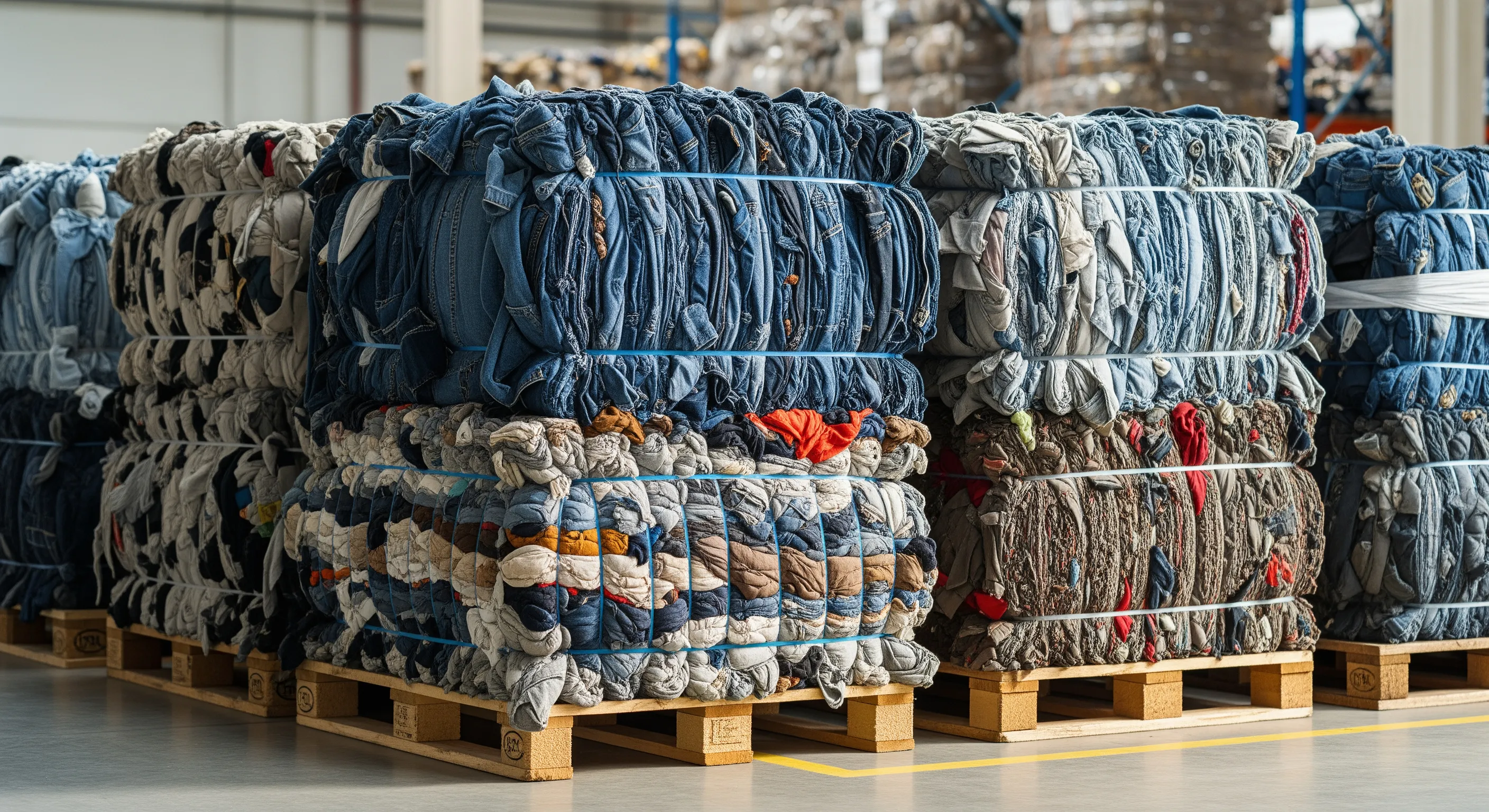
Wholesale used clothes provide numerous advantages for businesses. Not only do they offer competitive pricing, but they also contribute to environmental sustainability. Engaging with experienced suppliers enables businesses to reduce costs while accessing inventory that meets growing consumer demands.
Additionally, second-hand clothing allows retailers to stock unique and diverse products, appealing to a broad customer base. This variety can differentiate businesses in a crowded marketplace and lead to increased sales.
Grading and Sorting in Second-Hand Clothing
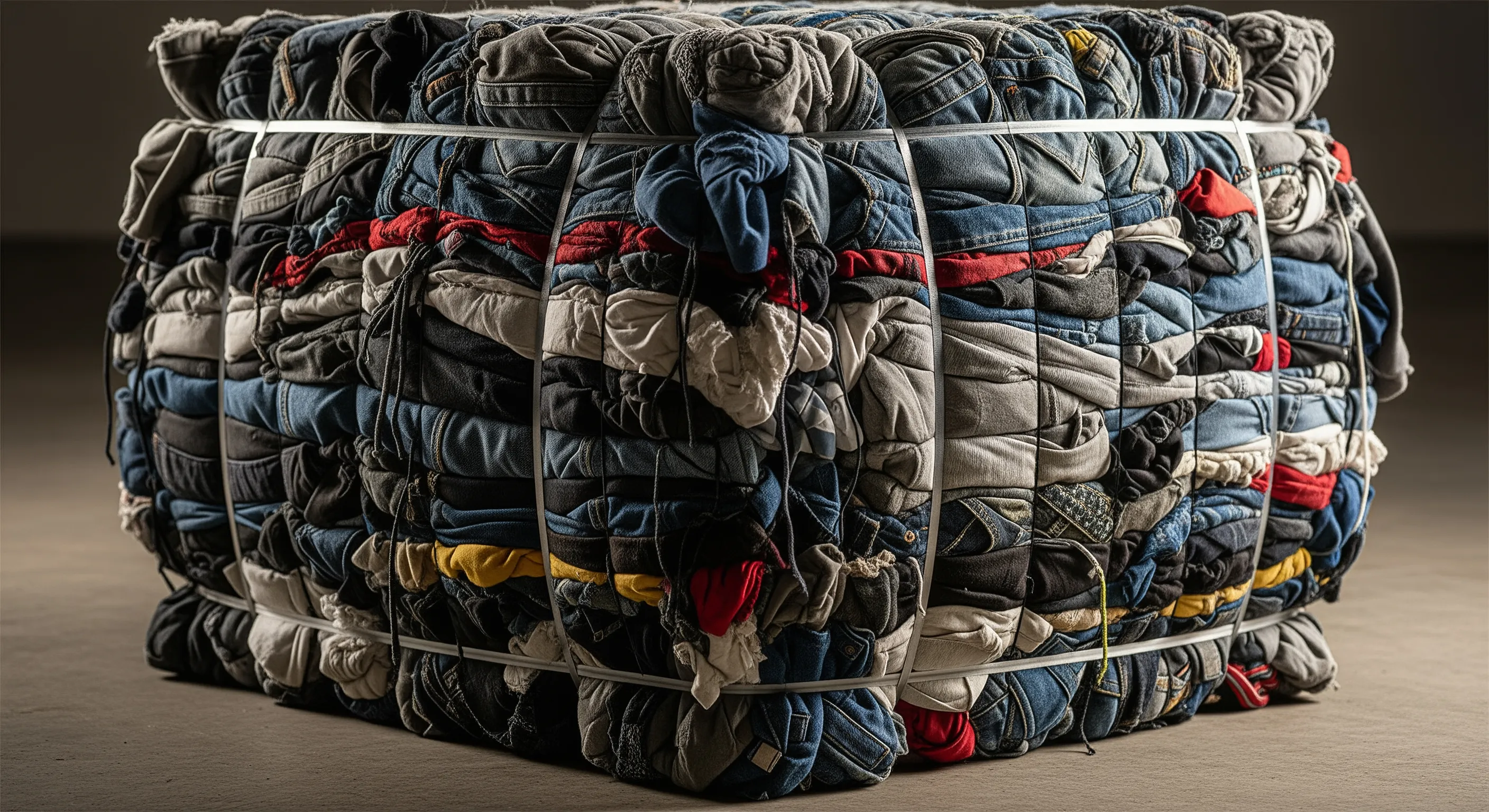
Proper grading and sorting of second-hand clothes are crucial for maintaining quality standards. Suppliers should implement rigorous sorting measures to categorize items effectively. As noted in industry best practices, this process improves the overall quality of goods supplied and minimizes disputes about condition between buyers and suppliers.
When sourcing from wholesalers, it's advisable to inquire about their grading process. Transparency in sorting practices builds trust and ensures buyers receive quality products suited to their market needs.
Pro tip: Always request samples from potential suppliers to verify quality before placing a bulk order.
Complying with EU Regulations
Understanding and complying with EU regulations for importing and trading second-hand clothing is essential. This includes adhering to documentation requirements and ensuring products meet safety standards. Businesses that remain compliant can avoid costly delays or penalties in their import processes. According to EU regulatory guidelines, providing proper documentation can streamline cross-border shipments.
Wholesalers must also stay informed about changing regulations regarding textile waste and recycling as the EU pushes for more stringent environmental policies. Being proactive in compliance will not only mitigate risks but also enhance a brand's reputation in the market.
Ensure Sustainability in Sourcing
Sourcing second-hand clothing sustainably is more than just a trend—it's a necessity in today’s market. Companies that focus on sustainable practices can attract the growing segment of environmentally-conscious consumers. Engaging in sustainable sourcing involves working with trusted second-hand clothing suppliers who prioritize environmentally friendly practices.
Brands that successfully position themselves as sustainable alternatives often enjoy increased loyalty and repeat business. To enhance sustainability, wholesalers should consider aligning with partners who are committed to the principles of the circular economy.
Pro tip: Regularly audit suppliers for compliance with sustainability standards and their commitment to ethical practices.
Trade Logistics and Risk Management
Logistics play a crucial role in the effective management of second-hand clothing imports. Businesses must establish reliable shipping protocols to minimize transit time and manage costs effectively. By leveraging Italy's strategic location, companies can optimize their sourcing and distribution strategies across Europe.
The following table outlines key risks involved in trading second-hand clothing, along with their mitigation strategies:
| Risk | Cause | Mitigation |
|---|---|---|
| Grading disputes | Inconsistent supplier quality | Establish clear grading agreements from the outset. |
| Transit damage | Poor packaging practices | Implement robust packaging standards. |
| Compliance/docs | Incomplete documentation | Regularly review and update compliance checklists. |
| Payment terms | Unclear payment agreements | Use standardized contracts to outline payment terms. |
Pro tip: Building strong relationships with logistic partners can improve communication and reliability.
Get a B2B Quote for Italian Second-Hand and Stock Clothing
For trade buyers who need consistent bulk supply, clear grading and efficient EU delivery, explore Recycling Italy at recyclingitaly.com. To request a quote or schedule a warehouse visit near Caserta, contact the team here: Contact Us.
Frequently Asked Questions
What is the minimum order quantity for second-hand clothing?
The typical minimum order quantity is 1000 kg for bulk orders.
How do I ensure quality from my supplier?
Request samples and evaluate their grading processes.
What logistics considerations should I have?
Look into reliable shipping protocols and compliance with EU regulations.
How can I verify suppliers' sustainability practices?
Regular audits can help ensure compliance with sustainability standards.