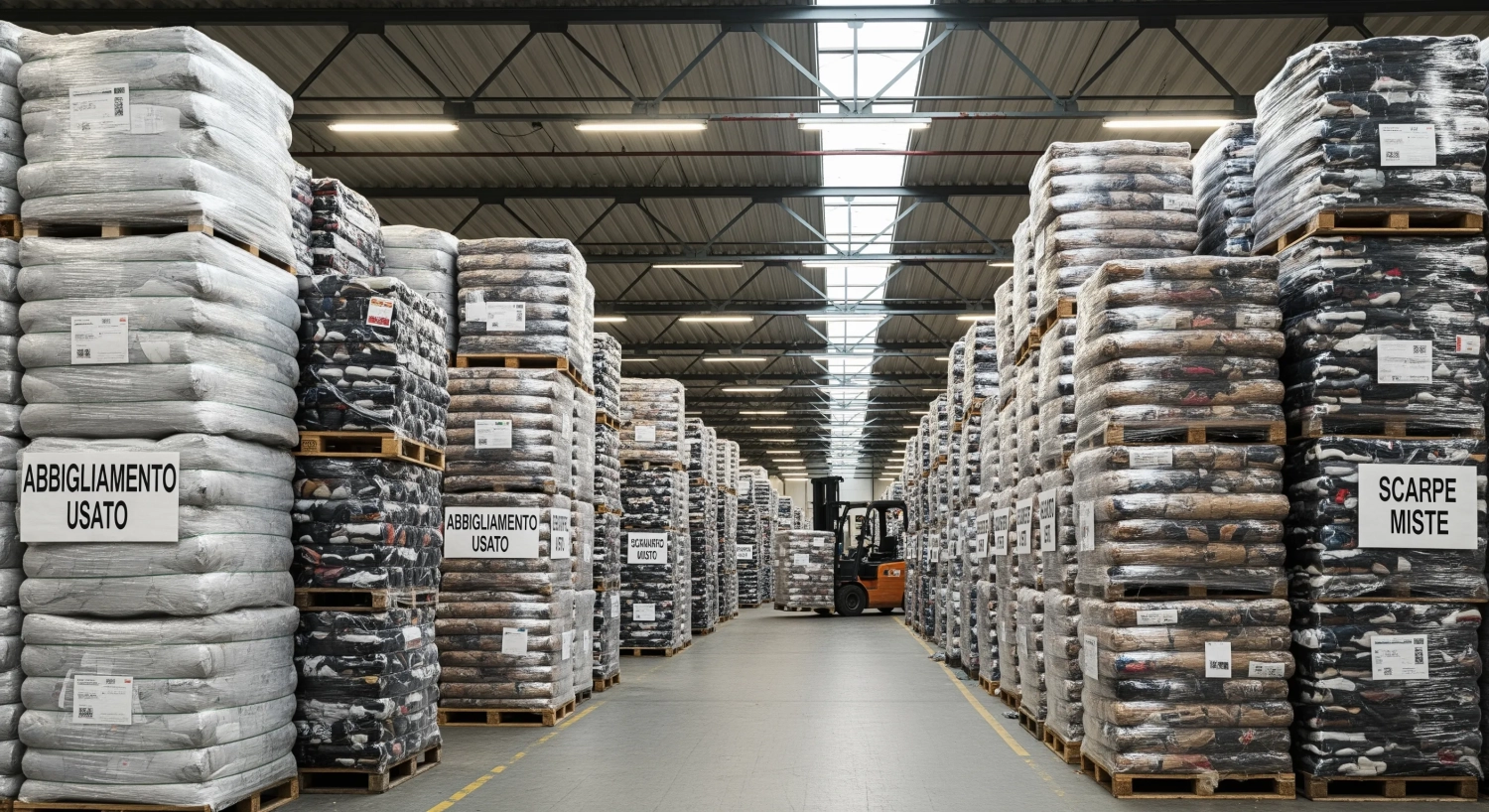
In the wholesale landscape of Italy, particularly in the logistics hub of Caserta, buying second-hand clothes and shoes has become a strategic business move for trade buyers across Europe. As companies seek quality stock to cater to sustainable fashion trends, the demand for second-hand merchandise is growing. Recycling Italy offers an extensive range of premium second-hand clothing, making it an ideal supplier for wholesalers, exporters, and store owners looking for reliable bulk options.
Table of Contents
- Key Takeaways
- Why Choose Second Hand Products?
- The Sustainable Advantage of Second Hand Clothing
- Understanding Quality and Grading
- Risks in Bulk Ordering and How to Mitigate
- The Role of Logistics in Wholesale Operations
Key Takeaways
| Aspect | Details |
|---|---|
| Minimum Order Quantity (MOQ) | Typically starts at 1000 kg for trade orders. |
| Grading System | Categorization based on condition and brand; essential for quality assurance. |
| Logistics Complexity | Considerations for cross-border shipping, customs documentation and storage. |
| Risk Control | Establish clear contracts to mitigate disputes over product quality and delivery. |
Why Choose Second Hand Products?
The shift towards second-hand clothing represents more than just a trend; it embodies a sustainable movement gaining traction among consumers. A recent study highlights that Gen Z is particularly keen on sustainable shopping, favoring businesses that champion eco-friendly practices. Hence, sourcing second-hand clothes and shoes can not only meet market demand but also enhance brand reputation.
Moreover, second-hand products are often more affordable than their new counterparts, allowing businesses to maintain competitive pricing. As the European Union continues to increase its focus on sustainability, embracing second-hand options aligns business strategies with broader market expectations.
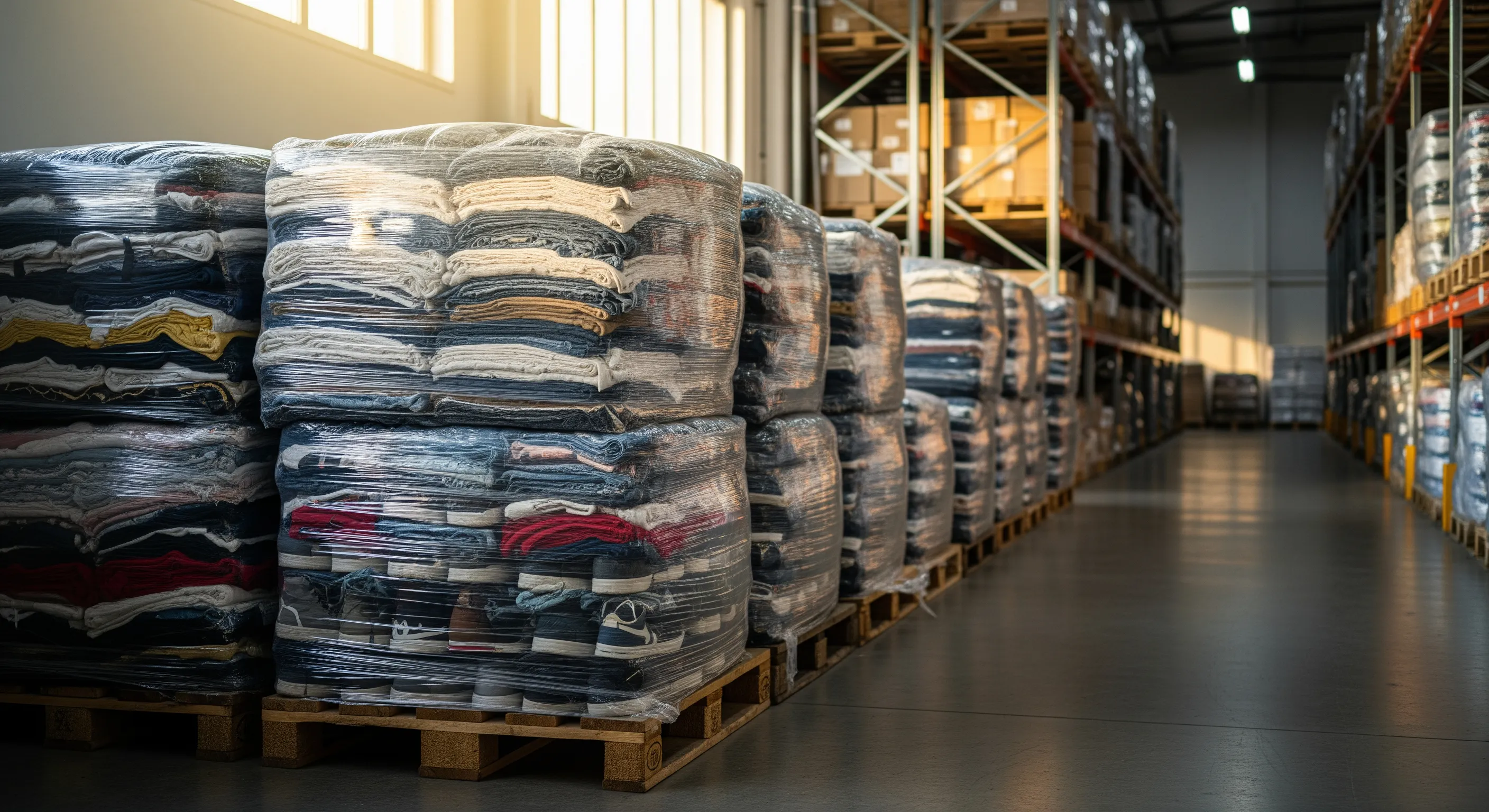
Pro tip: Position your business as a leader in sustainable practices by emphasizing your commitment to second-hand clothing.
The Sustainable Advantage of Second Hand Clothing
Second-hand clothing significantly reduces waste, contributing to a circular economy where resources are reused effectively. The EU market for second-hand textiles has been growing exponentially, driven by an increased consumer awareness regarding environmental impact. In fact, the EU is the world's second largest importer of textiles, with a valuation of approximately $125 billion.
A comprehensive report from the European Parliament further highlights that clothing consumption has surged by 40% over the last few decades in the EU, largely driven by lower prices. This surge, while beneficial for consumers, presents a sustainability challenge that can be addressed through second-hand offerings.
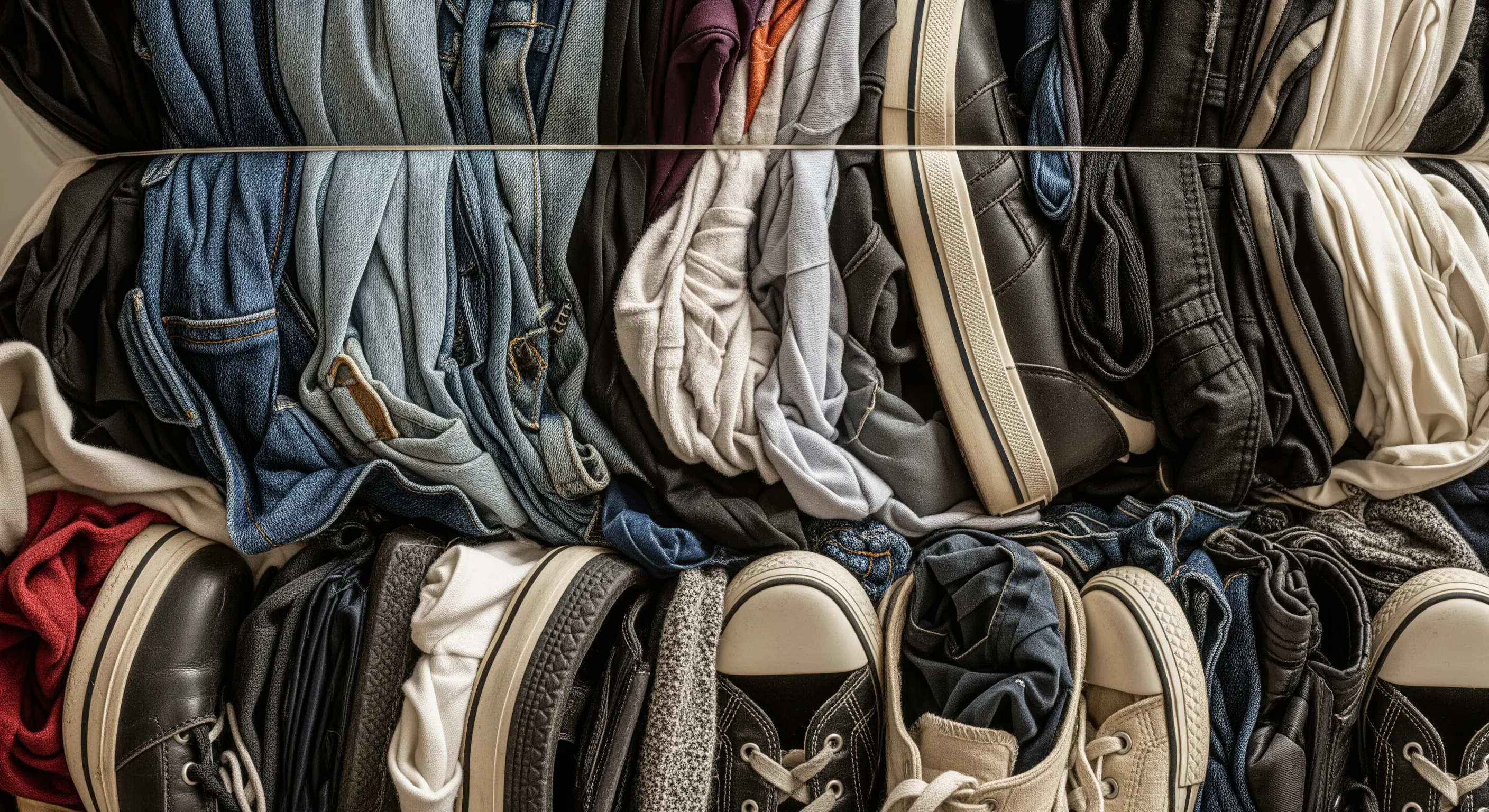
Pro tip: Create promotional campaigns focused on the sustainability angle to appeal to eco-conscious consumers.
Understanding Quality and Grading
When purchasing second-hand stock, it’s vital to understand the grading system in place. Different grades reflect the quality, condition, and brand of the clothing, which impacts resale value. By implementing a reliable grading system, wholesalers can ensure product consistency and authenticity, enhancing trust with buyers.
Additionally, clear communication about grading can help mitigate dissatisfaction and build long-term customer relationships. Studies have indicated that consumers are highly influenced by external factors such as product quality and information clarity, reinforcing the importance of a structured grading approach.
Pro tip: Regularly train your staff on grading standards to maintain quality across all inventories.
Risks in Bulk Ordering and How to Mitigate
Ordering second-hand clothing in bulk presents several risks, including grading disputes, transit damage, and compliance with legal standards. It is essential for wholesalers to establish clear terms regarding quality assurance and delivery timelines to mitigate these risks effectively. Conducting thorough inspections upon receipt can also safeguard against potential losses.
| Risk | Cause | Mitigation |
|---|---|---|
| Grading Disputes | Lack of transparency in grading criteria. | Implement a standardized grading system and communicate standards. |
| Transit Damage | Poor packaging or handling during shipment. | Ensure robust packaging and select reliable carriers. |
| Compliance/Documentation | Insufficient documentation during customs clearance. | Prepare all necessary documents in advance. |
| Payment Terms | Ambiguities in payment conditions. | Clarify payment terms in contracts. |
Pro tip: Always review contracts thoroughly before finalizing orders to mitigate potential risks.
The Role of Logistics in Wholesale Operations
Effective logistics are crucial for the success of any wholesale operation, particularly in cross-border trade within the EU. Ensuring efficient warehousing, timely delivery, and proper documentation is essential for maintaining product quality and customer satisfaction. As wholesalers, businesses must be equipped to handle the complexities of customs regulations and shipping processes.
According to a recent dataset, operational efficiency in warehousing and logistics directly correlates with overall business performance. Smooth logistics not only enhance profitability but also improve reputation among customers and partners.
Pro tip: Establish solid relationships with logistics providers to streamline operations and reduce costs.
Get a B2B Quote for Italian Second-Hand and Stock Clothing
For trade buyers who need consistent bulk supply, clear grading and efficient EU delivery, explore Recycling Italy at recyclingitaly.com. To request a quote or schedule a warehouse visit near Caserta, contact the team here: Contact Us.
Frequently Asked Questions
What is the typical MOQ for B2B orders?
The typical MOQ is around 1000 kg for bulk orders.
How is quality graded in second-hand clothing?
Quality is typically graded based on condition, brand, and the presence of any damage.
Can I visit the warehouse to inspect stock?
Yes, warehouse visits can be arranged for trade buyers.
What are the benefits of sourcing second-hand clothing?
Sourcing second-hand clothing supports sustainability and often offers lower price points for retailers.