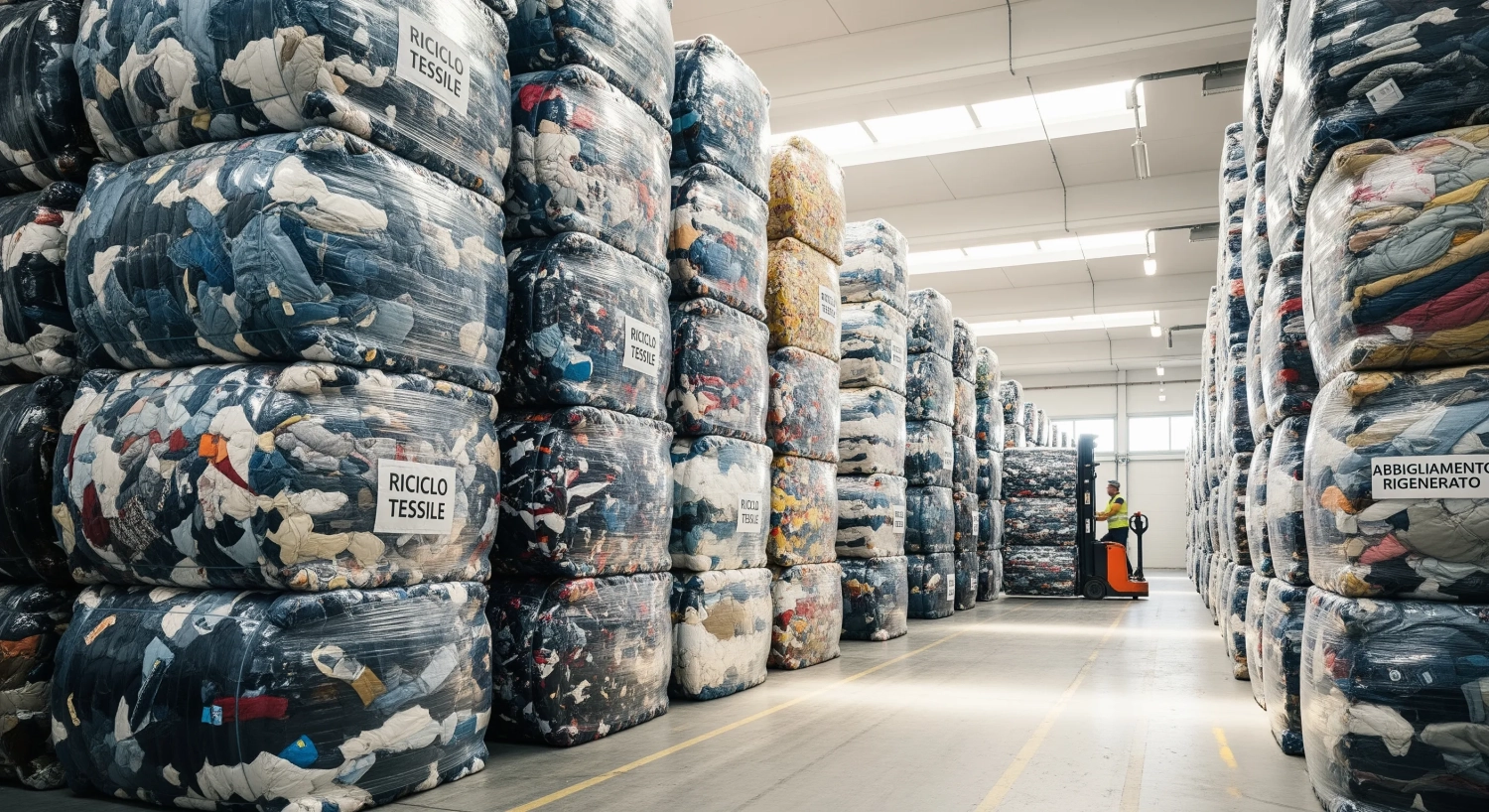
In an evolving European market, ingrosso abbigliamento usato rigenerato has become a pivotal aspect for B2B trade buyers. Settled in the logistics hub of Marcianise Sud, Caserta, Recycling Italy offers a seamless experience in sourcing second-hand clothing. By prioritizing quality and assorted options, this sector ensures that wholesalers, exporters, and entrepreneurs can meet diverse consumer demands while contributing to sustainability. Connect with trusted suppliers who are well-versed in the nuances of regional and cross-border transactions.
Table of Contents
- What is Ingrosso Abbigliamento Usato Rigenerato?
- Benefits of Choosing a Reliable Supplier
- Grading and Sorting Second-Hand Clothing
- The Role of Logistics in the Supply Chain
- Risk Management in B2B Transactions
- Sustainable Practices in Clothing Recycling
Key Takeaways
| Aspect | Details |
|---|---|
| MOQ | Starting from 1000 kg, catering to bulk buyers. |
| Grading | Quality-controlled bales ensuring product variety. |
| Logistics | Cross-border delivery with comprehensive documentation. |
| Risk Control | Established protocols to manage grading disputes and transit damages. |
What is Ingrosso Abbigliamento Usato Rigenerato?
Ingrosso abbigliamento usato rigenerato refers to the wholesale of second-hand clothing that has been processed and prepared for resale. This practice not only serves the growing demand for affordable fashion but also supports a sustainable circular economy. Businesses that engage in this trade can offer a diverse range of products to their customers while actively participating in eco-friendly initiatives.
Engaging with established networks, like Recycling Italy, provides ease of access to high-quality stock that meets market standards, fulfilling the expectations of retail clients across Europe.
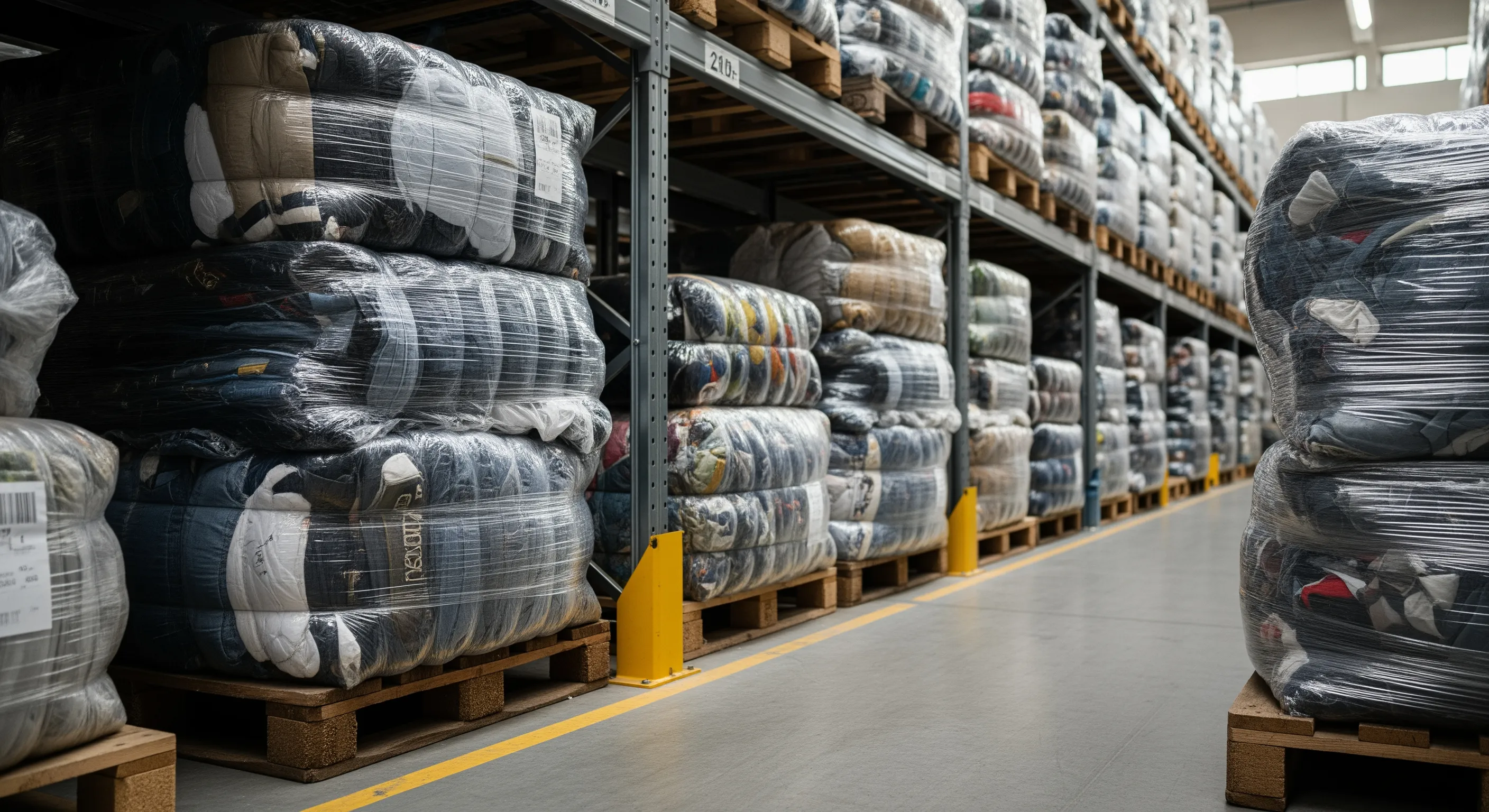
Pro tip: Collaborate with suppliers who emphasize transparency in their grading and sourcing processes.
Benefits of Choosing a Reliable Supplier
Partnering with a trustworthy supplier can significantly streamline your operations. Reliable suppliers offer consistency in product quality and timely deliveries, crucial factors for maintaining a competitive edge. By opting for established suppliers, B2B buyers can harness better pricing strategies and forecast market trends effectively.
Beyond cost advantages, reputable suppliers often adhere to quality assurance protocols, ensuring that the garments passed on to retailers align with their branding and customer expectations.
Pro tip: Always request product samples before making bulk purchasing decisions.
Grading and Sorting Second-Hand Clothing
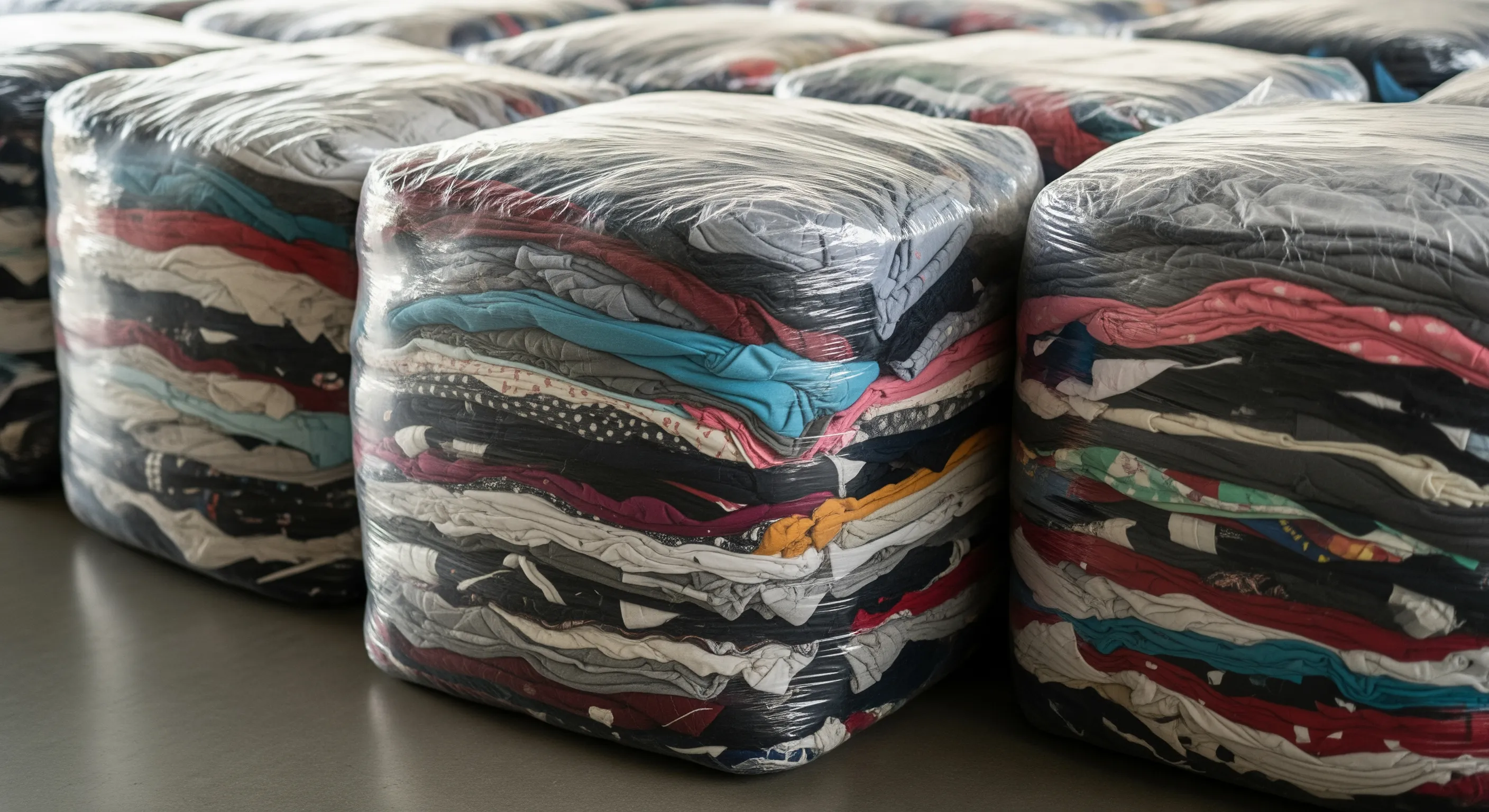
Proper grading and sorting are essential to ensure that the second-hand clothing meets market demands. Various criteria are applied to assess the quality and condition of garments categorized for wholesale. This process allows suppliers to offer differentiated pricing models based on the quality tiers of clothing, providing customers with options that range from premium quality to budget-friendly selections.
By implementing efficient sorting measures, suppliers can optimize their inventory management while offering a wider variety of choices, ensuring that buyers receive the best products tailored to their clientele.
Pro tip: Familiarize yourself with common grading standards to make informed purchasing decisions.
The Role of Logistics in the Supply Chain
Efficient logistics are crucial for the success of any B2B transaction involving second-hand clothing. The ability to manage inventory, compliance with customs regulations, and timely deliveries are paramount for trade buyers. Logistics should not only facilitate the movement of goods but also ensure that adequate documentation supports cross-border operations.
Collaboration with proficient logistics partners allows businesses to navigate the complexities of international trade, reducing risks associated with delays and documentation issues.
Pro tip: Leverage technology to track shipments and optimize supply chain transparency.
Risk Management in B2B Transactions
Mitigating risks in B2B transactions is vital for the integrity of supply chains. Factors such as grading disputes, transit damages, and compliance with documentation need to be managed systematically. Businesses should prioritize establishing clear terms of service and payment protocols to avert potential misunderstandings.
Involving legal counsel during contract negotiations could be beneficial to mitigate risks and navigate any complexities that arise during transactions.
| Risk | Cause | Mitigation |
|---|---|---|
| Grading Disputes | Inconsistent standards | Clear guidelines and regular audits |
| Transit Damage | Poor packaging | Using validated packing materials |
| Compliance/Documents | Lack of clear documentation | Maintain thorough records |
| Payment Terms | Undefined agreements | Detail terms in contracts |
Pro tip: Regularly review risk management strategies to remain agile in response to market changes.
Sustainable Practices in Clothing Recycling
The rise of consumer awareness around sustainability has transformed the wholesale clothing market in Europe. As a result, businesses engaging in abbigliamento rigenerato Italia must adopt eco-friendly practices that minimize waste and encourage recycling.
Incorporating sustainable practices not only attracts environmentally-conscious consumers but also helps brands build trust and loyalty in a competitive marketplace. Adhering to circular economy principles can enhance a company's reputation and market position.
Pro tip: Implement recycling initiatives within your supply chain to strengthen your sustainability commitment.
Get a B2B Quote for Italian Second-Hand and Stock Clothing
For trade buyers who need consistent bulk supply, clear grading and efficient EU delivery, explore Recycling Italy at recyclingitaly.com. To request a quote or schedule a warehouse visit near Caserta, contact the team here: Contact Us.
Frequently Asked Questions
What types of clothing are available for wholesale?
A variety of second-hand clothing options, from casual wear to branded items, are available for wholesale purchases.
How can I ensure product quality?
Engage with trusted suppliers who provide transparency in their grading processes and share product samples.
What are the benefits of buying second-hand clothing?
Buying second-hand clothing supports sustainability, often provides cost savings, and allows access to unique items.
Is international shipping available?
Yes, many suppliers offer international shipping options within Europe.