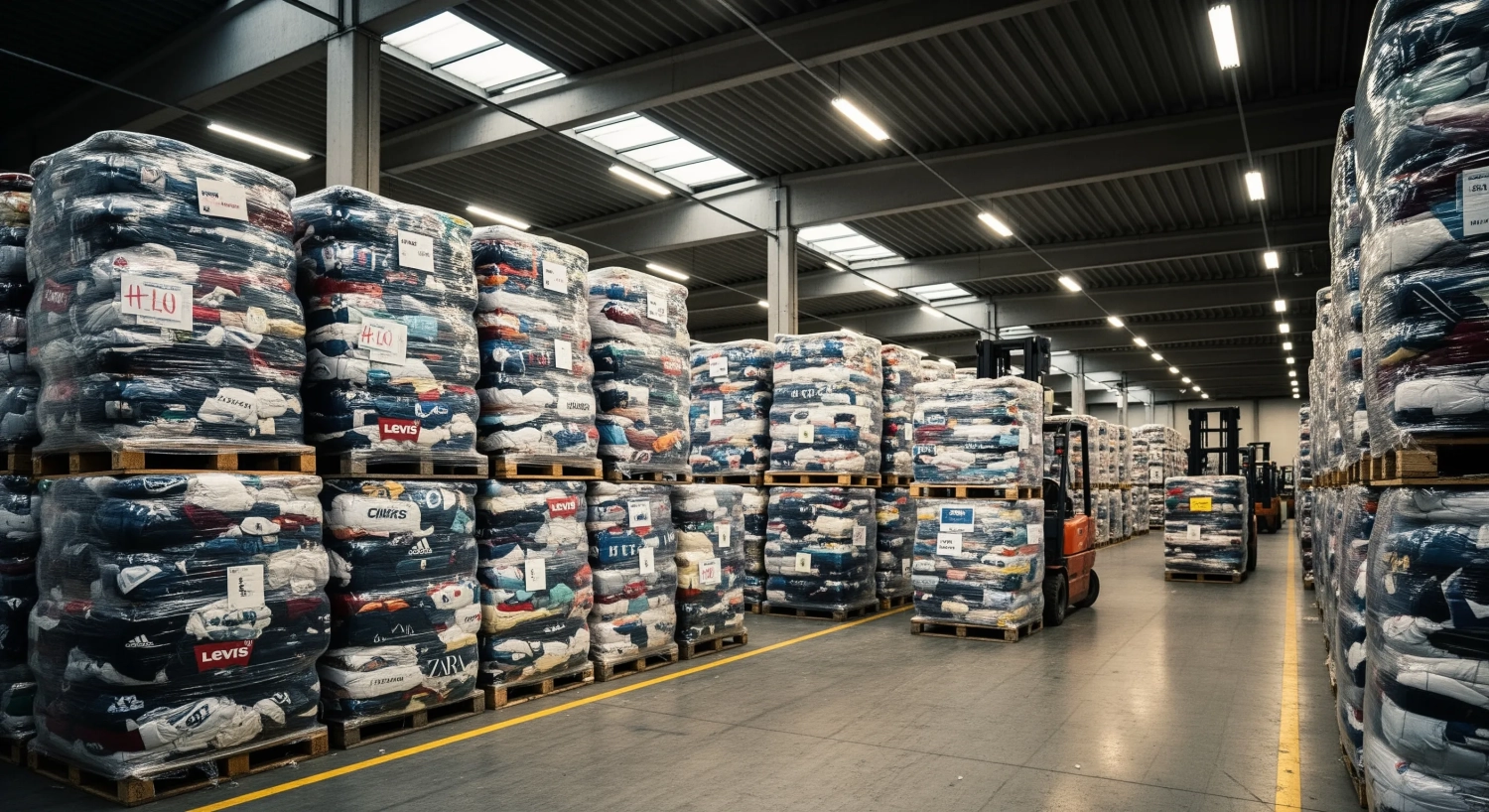
In the heart of Southern Italy, Recycling Italy offers a robust platform for trade buyers seeking quality branded second hand clothes wholesale. Located in Marcianise Sud near Caserta, we leverage our strategic position within the European logistics hub to serve wholesalers, store owners, and clothing export businesses across Europe. With a commitment to providing premium quality and efficient bulk sourcing, our offering of second-hand apparel is perfectly suited for businesses aiming to elevate their retail fashion lines.
Table of Contents
- What are Branded Second Hand Clothes Wholesale?
- Benefits of Sourcing Second Hand Apparel
- How to Navigate Supply Chain Logistics
- Understanding Grading and Sorting
- Risk Mitigation in B2B Transactions
- Sustainability in the Fashion Industry
Key Takeaways
| Focus Area | Details |
|---|---|
| Minimum Order Quantity (MOQ) | Typically 1000 kg for trade orders. |
| Grading & Sorting | Essential for quality assurance and profit margins. |
| Logistics | EU shipping experience ensures smooth import/export operations. |
| Warehouse Visits | Encouraged for greater trust and relationship building. |
What are Branded Second Hand Clothes Wholesale?
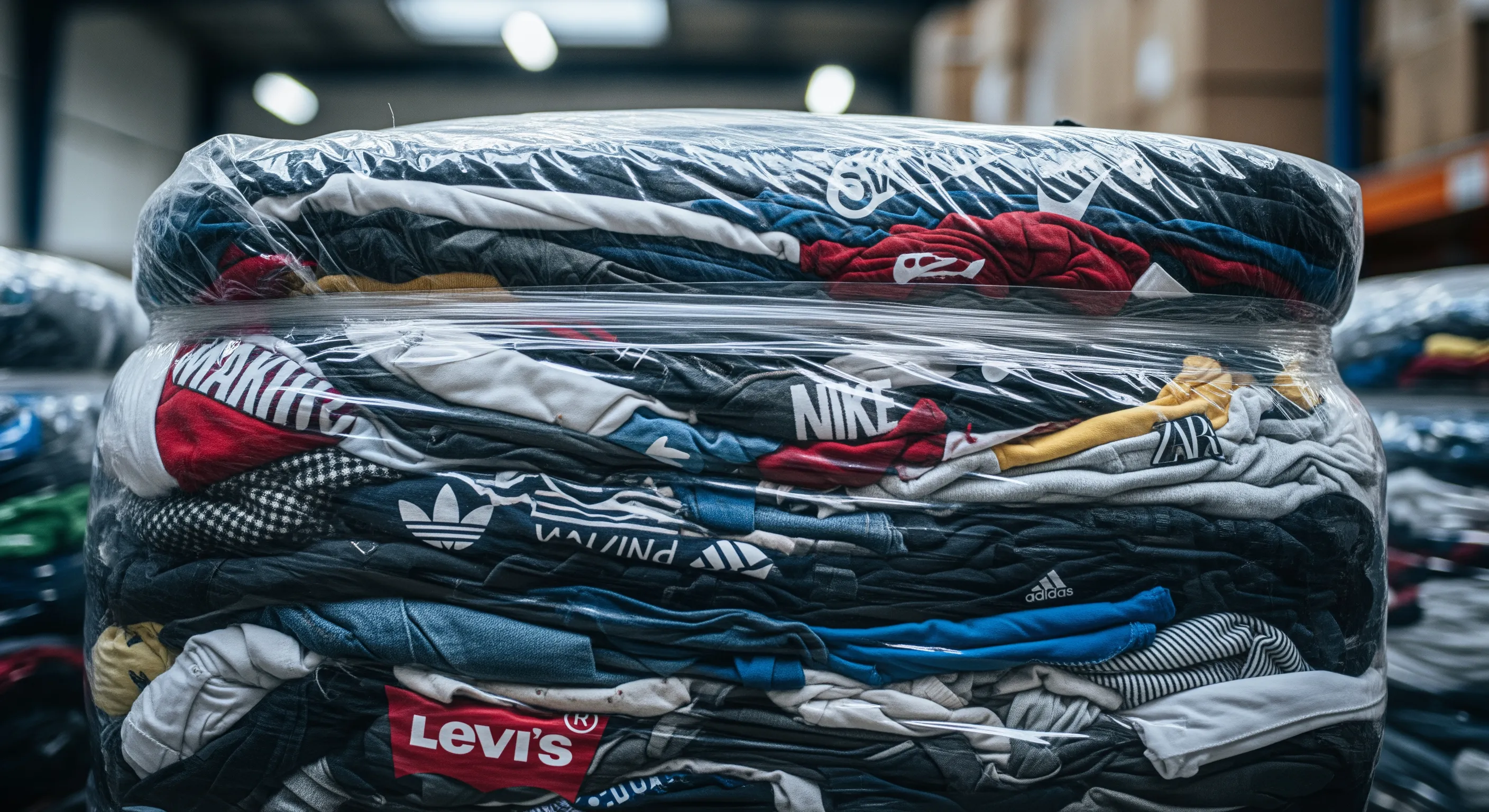
Branded second hand clothes wholesale refers to bulk collections of used clothing that include well-known brands. These items are often sourced from various channels such as liquidation sales, donations, or surplus inventory. They are then resold in significant quantities, primarily serving businesses looking to incorporate these products into their retail offerings.
For trade buyers in the EU, these clothes represent not only a profitable opportunity but also a sustainable choice by promoting the reuse of quality apparel. A reputable supplier, like Recycling Italy, ensures consistent quality and grading, enhancing the buyer's ability to cater to diverse market needs.
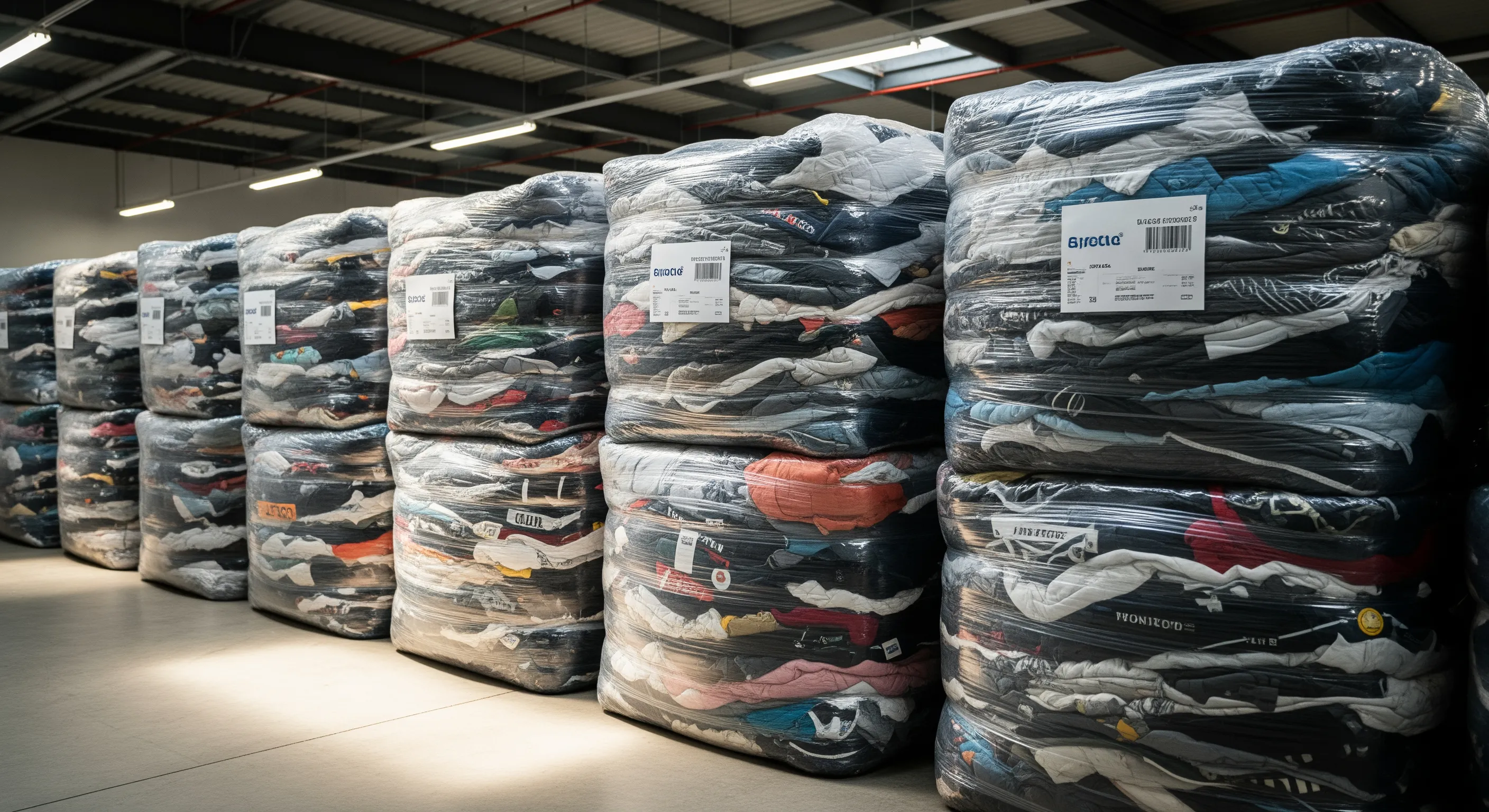
Pro tip: Always verify the supplier’s grading process to ensure you receive high-quality stock.
Benefits of Sourcing Second Hand Apparel
Sourcing second hand apparel has numerous advantages for B2B buyers. First and foremost is the cost-effectiveness, enabling retailers to provide competitive prices while still enjoying healthy profit margins. Furthermore, the growing awareness of sustainability among consumers makes second hand clothing an appealing choice.
Additionally, by focusing on bulk purchases of second-hand branded clothes, buyers are often able to diversify their inventory with popular brands, attracting a broader customer base and increasing overall sales.
Pro tip: Regularly assess market trends to ensure the apparel you source meets consumer preferences.
How to Navigate Supply Chain Logistics
Efficient supply chain logistics are paramount for successfully managing B2B transactions involving second hand clothing. Understanding the nuances of customs documentation, cross-border shipping, and local regulations is critical. Suppliers need to be well-versed in EU shipping processes to minimize delays and ensure compliance.
Strong partnerships with logistics firms can also optimize delivery times and reduce shipping costs, further enhancing the profitability of the transaction. For buyers, receiving timely updates and having the option for track-and-trace systems can build trust and transparency.
Pro tip: Collaborate closely with your logistics partner to ensure impeccable supply chain management.
Understanding Grading and Sorting
Grading and sorting second hand clothes is crucial for maintaining quality and meeting market expectations. Properly graded items ensure that buyers receive products that align with their standards, thus reducing potential returns and dissatisfaction.
Suppliers often categorize clothing by brand, condition, or type, allowing B2B buyers to select options that best fit their business models. Understanding the grading process can help buyers negotiate better deals and manage stock effectively.
Pro tip: Familiarize yourself with grading categories to enhance negotiation leverage with suppliers.
Risk Mitigation in B2B Transactions
Risk control is essential in B2B dealings, particularly with second hand clothing. Understanding common risks such as grading disputes, transit damage, and compliance issues can prepare buyers to address challenges proactively.
A comprehensive approach to risk management involves due diligence on suppliers, clear agreements on grading standards, and safeguards during transport. Implementing measures such as standard payment terms and insurance for high-value shipments can also help mitigate risks effectively.
| Practical Risk | Cause | Mitigation |
|---|---|---|
| Grading Disputes | Inconsistent quality standards | Establish clear grading agreements |
| Transit Damage | Poor packaging or handling | Use reliable carriers with good insurance |
| Compliance Issues | Incorrect documentation | Verify paperwork and customs requirements |
| Payment Terms | Late or non-payment | Implement clear contracts and schedules |
Pro tip: Regularly review your risk management strategies to stay ahead of potential issues.
Sustainability in the Fashion Industry
The fashion industry’s growing focus on sustainability makes sourcing second hand clothing increasingly relevant. B2B buyers can not only enhance their environmental credentials but also meet the expectations of consumers who prioritize sustainable practices.
By investing in second hand branded clothes, businesses contribute to the circular economy and promote responsible consumption. This commitment not only attracts eco-conscious customers but also aligns with EU regulations aimed at reducing textile waste.
Pro tip: Highlight your sustainability initiatives in marketing efforts to appeal to more consumers.
Get a B2B Quote for Italian Second-Hand and Stock Clothing
For trade buyers who need consistent bulk supply, clear grading and efficient EU delivery, explore Recycling Italy at recyclingitaly.com. To request a quote or schedule a warehouse visit near Caserta, contact the team here: Contact Us.
Frequently Asked Questions
What is the minimum order quantity for second hand clothes?
The minimum order quantity is typically 1000 kg for trade orders.
How do I ensure quality in my orders?
Work with reputable suppliers who prioritize grading and quality assurance.
Can I visit the warehouse before purchasing?
Yes, warehouse visits are encouraged for greater transparency and relationship building.
What are the risks involved in B2B transactions?
Common risks include grading disputes, transit damage, and compliance issues. Implementing clear agreements can help mitigate these risks.