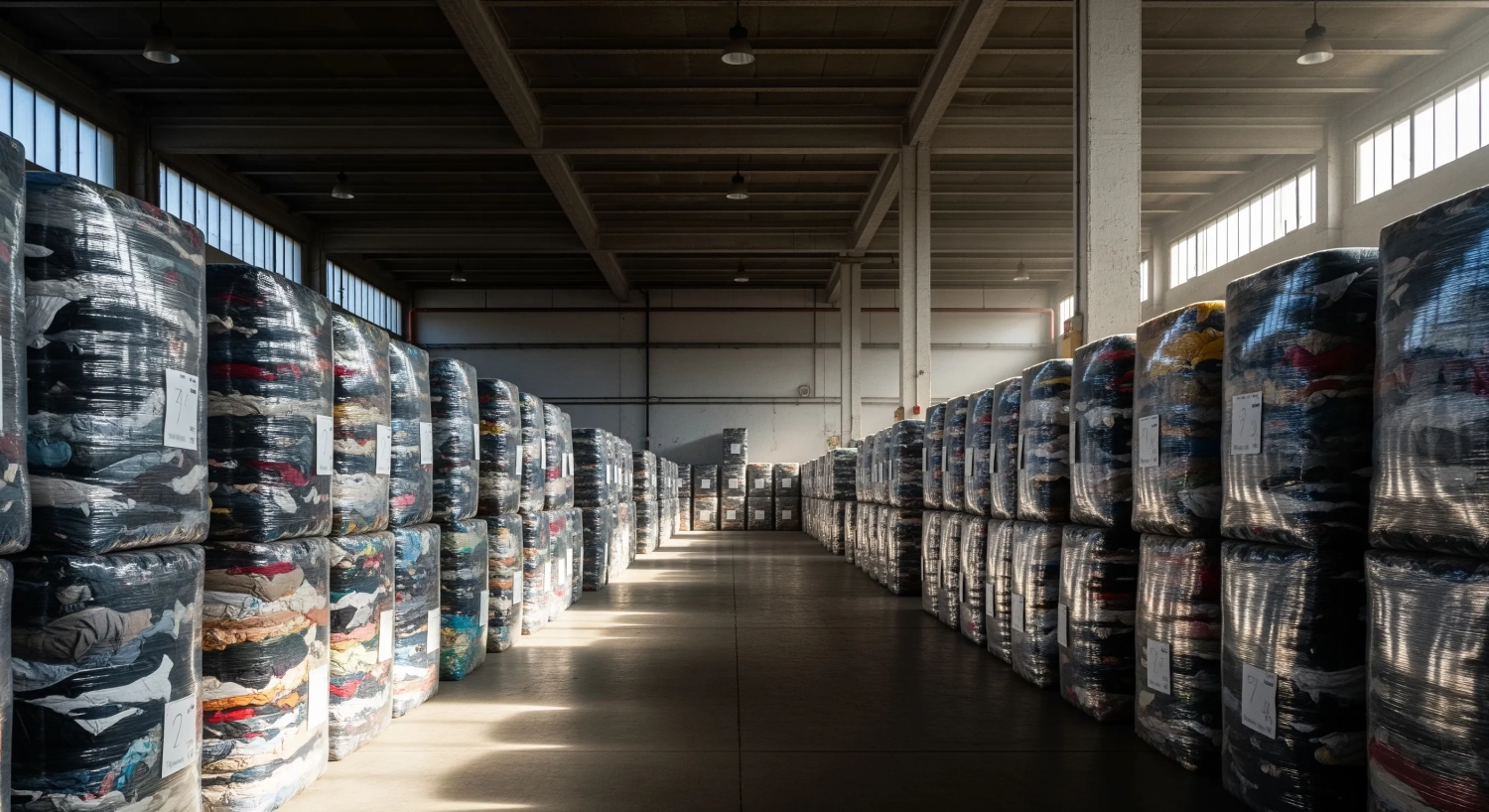
Finding reliable sources for second hand clothes wholesale near me is paramount for B2B buyers operating within the Italian and wider European marketplaces. Marcianise Sud in Caserta serves as an important logistics hub, providing favourable access to quality second-hand clothing vendors. Businesses looking to stock their inventory must prioritize suppliers who can ensure consistent bulk availability, efficient logistics, and adherence to rigorous grading standards. Navigating this wholesale environment effectively will enable trade buyers to maximize their margins and enhance their sustainable offerings.
Table of Contents
- Key Takeaways
- Bulk Suppliers in Italy
- The Value of Quality Grading
- Logistics and Delivery Optimization
- Sustaining Eco-Friendly Practices
- Risk Mitigation in Bulk Buying
Key Takeaways
| Focus Area | Details |
|---|---|
| Minimum Order Quantity (MOQ) | Typical MOQ is 1000 kg to ensure efficient operations. |
| Grading Systems | Understanding grading is key to managing expectations and product quality. |
| Logistical Considerations | Cross-border logistics need to be streamlined for timely delivery. |
| Margins and Risk Control | Effective risk control strategies are essential for maintaining business margins. |
Bulk Suppliers in Italy
Italy boasts a rich ecosystem of bulk second hand clothing suppliers, catering to a variety of markets both locally and throughout Europe. Establishing connections with these suppliers in and around Caserta allows trade buyers to benefit from convenient logistics and competitive pricing. Business owners can easily source diverse apparel genres ranging from vintage to contemporary trends.
Leveraging local relationships enhances trust and ensures quicker resolutions to logistical challenges, which are common in the B2B environment. Buyers must prioritize working with established suppliers who demonstrate robust supply chain management capabilities, ensuring alignment with their own operational needs.
The Value of Quality Grading
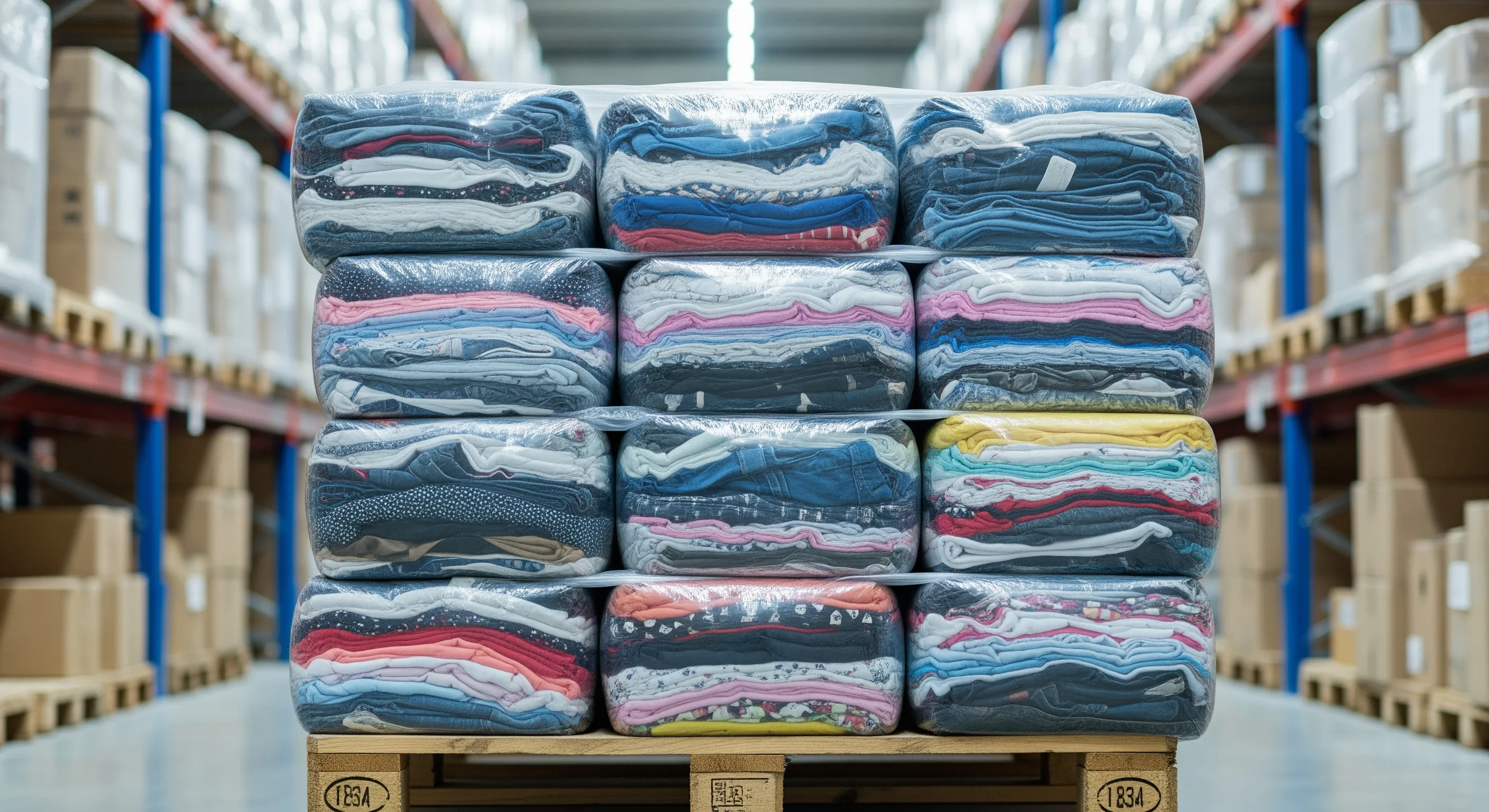
A strict grading system is vital in the wholesale second hand clothing business. Buyers must familiarize themselves with grading tiers to avoid discrepancies in product quality. Understanding how suppliers grade their clothing can save significant time and resources while preventing misunderstandings during transactions.
Implementing an effective quality assessment process ensures that trade buyers receive items that meet their specifications. Establishing clear communication regarding product conditions and expectations reduces the likelihood of disputes stemming from grading differences.
Logistics and Delivery Optimization
Optimizing logistics and delivery processes is essential for B2B buyers of second hand clothing. Efficient logistical practices not only ensure timely receipt of goods but also enhance overall operational efficiency. Given the geographical advantages of Caserta, trade buyers can manage their logistics strategically, reducing transit times and costs when dealing with suppliers.
By integrating robust inventory management systems and tracking technologies, businesses can achieve greater supply chain transparency, facilitating smoother operations. This also aids in managing compliance with EU customs and documentation requirements.
Sustaining Eco-Friendly Practices
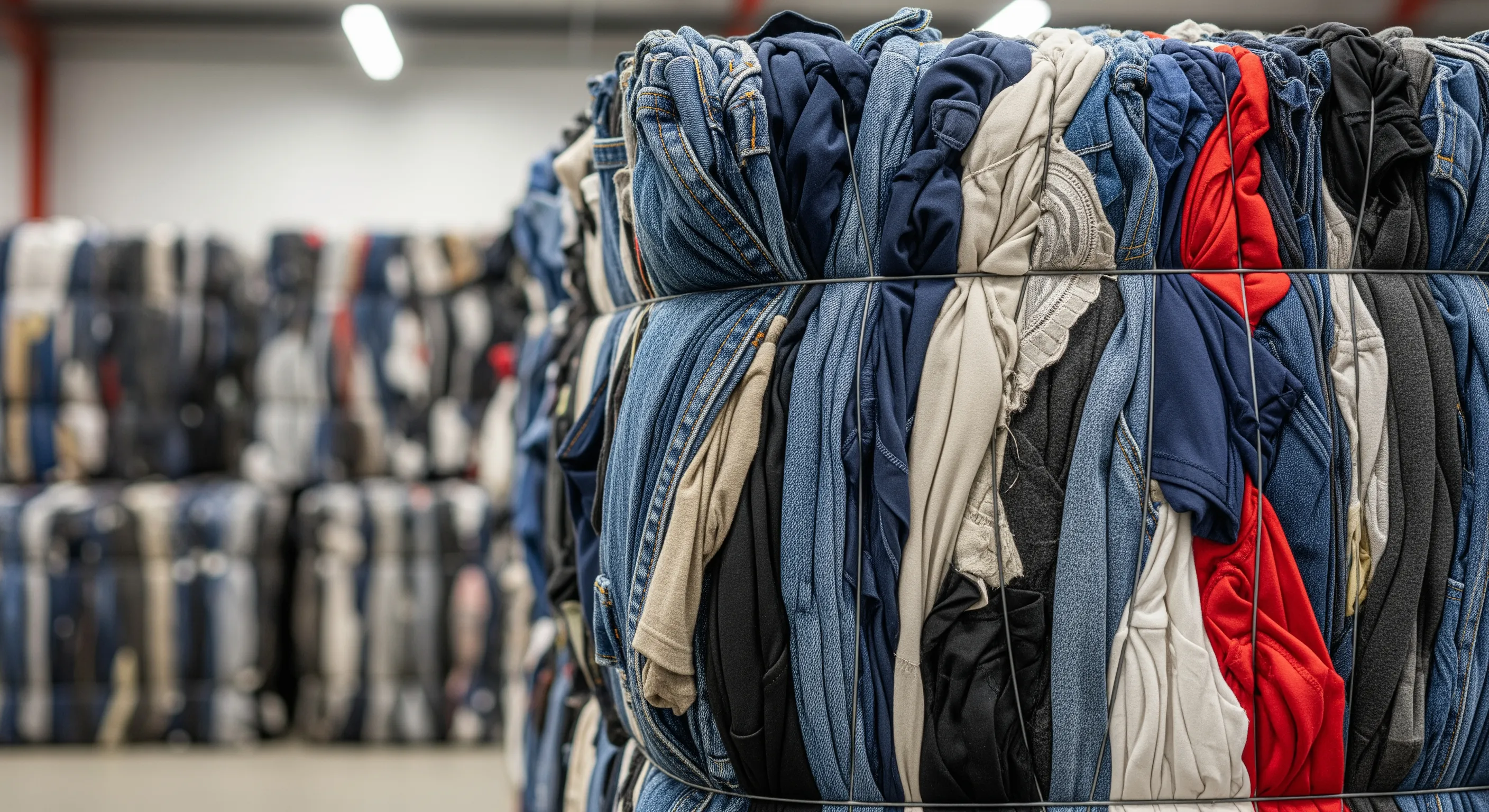
As the second hand clothing market continues to thrive, maintaining eco-friendly practices remains a priority. By sourcing from reliable second hand clothing suppliers, B2B businesses can contribute to a circular economy that promotes sustainability. Selecting eco-friendly clothing suppliers is not only beneficial for the environment but also resonates well with a growing consumer preference for sustainable products.
Establishing a commitment to sustainability can provide businesses with a competitive edge in the market, appealing to the environmentally-conscious customer base. By focusing on sourcing practices that prioritize ecological balance, companies can strengthen their brand image in a crowded marketplace.
Pro tip: Consider visiting suppliers in person to assess their operations and verify their grading processes firsthand.
Risk Mitigation in Bulk Buying
Bulk buying can involve several risks, but having a well-defined risk mitigation strategy can safeguard businesses. Common risks include grading disputes, damage during transit, and issues related to compliance and documentation. Understanding the causes behind these challenges allows businesses to implement proactive strategies.
For instance, aligning with suppliers who have proven standards for grading and consistent delivery records can mitigate risks significantly. Engaging in open communication about payment terms can also reduce the likelihood of financial disputes, keeping relationships strong and transparent.
| Risk | Cause | Mitigation |
|---|---|---|
| Grading Disputes | Lack of clear grading definitions | Establish clear terms with suppliers |
| Transit Damage | Improper packaging techniques | Verify packaging standards |
| Compliance Issues | Inaccurate documentation | Implement check on required paperwork |
| Payment Disputes | Ambiguous payment terms | Clarify and document terms pre-purchase |
Get a B2B Quote for Italian Second-Hand and Stock Clothing
For trade buyers who need consistent bulk supply, clear grading and efficient EU delivery, explore Recycling Italy at recyclingitaly.com. To request a quote or schedule a warehouse visit near Caserta, contact the team here: Contact Us.
Frequently Asked Questions
What is the typical minimum order for second hand clothes?
The typical minimum order quantity (MOQ) for second hand clothes wholesale is 1000 kg.
How do I know if a supplier is trustworthy?
Checking reviews and seeking references, as well as conducting site visits, can help in assessing supplier trustworthiness.
What are the benefits of buying second hand clothes in bulk?
Buying second hand clothes in bulk can offer cost savings, unique apparel options, and contribute to sustainable practices.
Can I visit the warehouse before placing an order?
Yes, visiting the warehouse beforehand is advised to verify stock and assess grading processes.