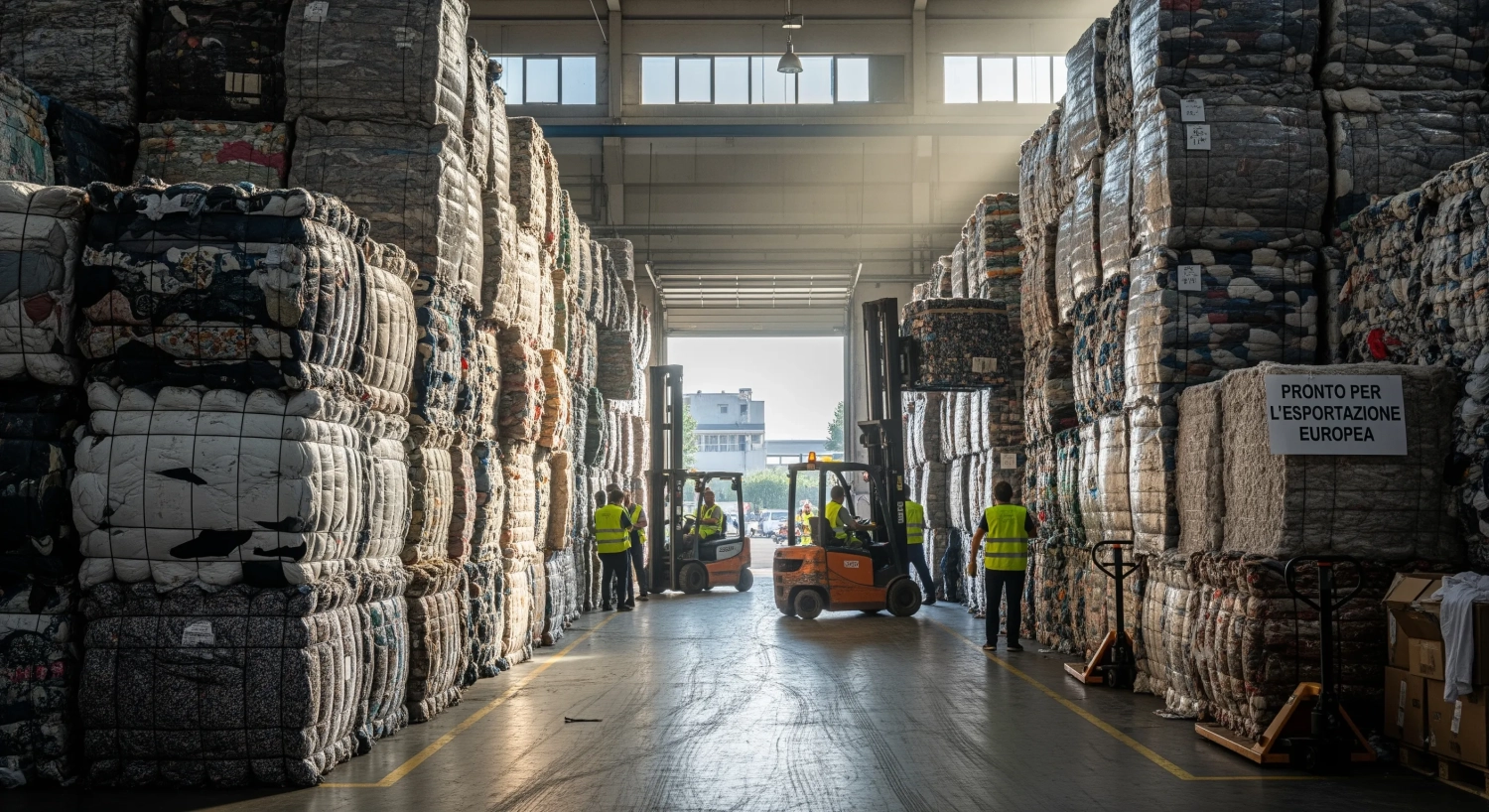
The demand for wholesale used clothing is gaining traction in the EU, especially among B2B buyers looking for sustainable solutions to inventory management. Companies in Italy can benefit from sourcing second-hand clothing in bulk, ensuring quality and compliance while fostering a more circular economy. Positioned near the logistics hub of Caserta, businesses can optimize their supply chain operations by working with reliable bulk clothing suppliers. This guide offers insights to help trade buyers navigate the wholesale landscape.
Table of Contents
- Market Overview
- Key Players in Wholesale Clothing
- Benefits of Bulk Ordering
- Logistics and Supply Chain Management
- Risk Control in Wholesale Transactions
- Sustainability in the Fashion Industry
Key Takeaways
| Focus Area | Details |
|---|---|
| Minimum Order Quantity (MOQ) | Typically 1000 kg for bulk orders. |
| Grading and Sorting | Ensure grading standards are clear to avoid disputes. |
| Logistics Efficiency | Utilize regional logistics centers to minimize shipping time. |
| Margin Control | Adopt transparent pricing to manage margins effectively. |
Market Overview
The wholesale used clothing landscape in Europe is evolving as buyers increasingly prioritize sustainability. B2B trade offers significant opportunities for wholesalers and exporters alike. With a focus on quality, numerous international players have established operations, ensuring compliance with EU regulations. According to a comprehensive market analysis, the demand for eco-friendly wholesale options continues to grow.
Understanding trends in the used apparel supply chain helps stakeholders identify essential business opportunities. Several emerging markets are increasingly participating in the European second-hand clothing movement, enhancing the available options for both suppliers and buyers.
Key Players in Wholesale Clothing
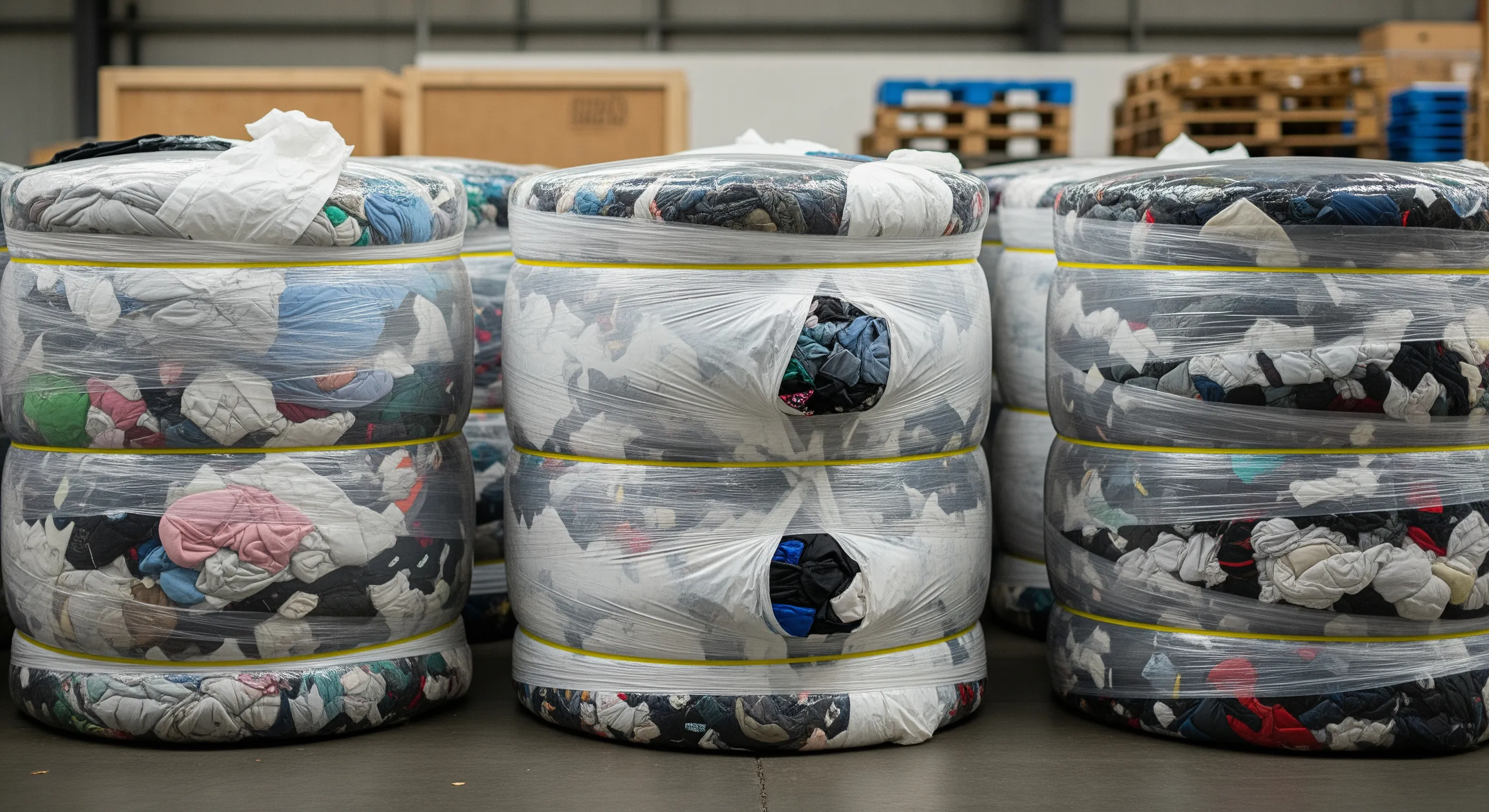
Within the European landscape, numerous players emphasize sustainable practices, creating a thriving network of wholesale suppliers. B2B buyers must navigate this complex ecosystem to find reputable suppliers who offer competitive prices and reliable product quality. One can leverage resources like industry reports to identify key players across Europe.
Partnerships with established brands can enhance credibility, expand market reach, and ensure a consistent flow of quality goods. Additionally, many suppliers engage in ethical sourcing practices that align with environmental responsibilities.
Benefits of Bulk Ordering
Purchasing second-hand clothing in bulk allows buyers to manage their inventory effectively while also benefiting from economies of scale. A study from a leading textile authority indicates that bulk orders can significantly reduce per-unit costs, enhancing margins.
Moreover, a consistent supply of quality stock can help retailers maintain competitive pricing and attract more customers. This model supports sustainability by reducing waste in the fashion industry, making it a practical solution for forward-thinking businesses.
Logistics and Supply Chain Management
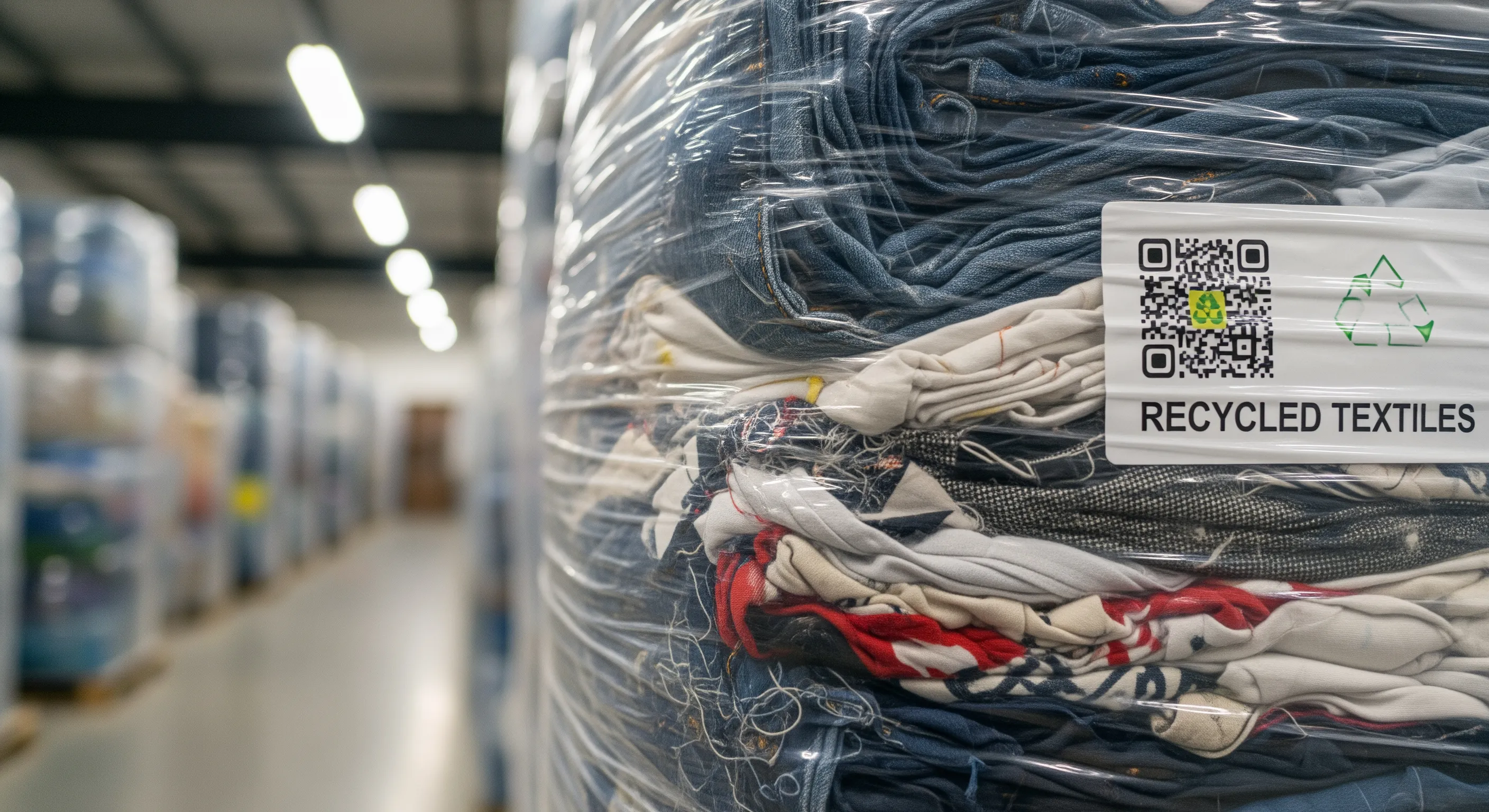
Efficient logistics are crucial for the success of wholesale used clothing operations. Partners located near Caserta can provide beneficial cross-border delivery options and streamline customs processes. With the current focus on sustainability, effective supply chain management is essential to minimizing carbon footprints.
Utilizing EU logistics hubs offers advantages like quicker turnaround times and reduced shipping costs. According to recent studies on logistics, optimizing the supply chain can lead to significant improvements in overall operational efficiency.
Risk Control in Wholesale Transactions
Managing risks in wholesale transactions is vital to ensure successful operations. Issues such as grading discrepancies and payment terms can potentially lead to disputes. Suppliers must adopt clear communication strategies to mitigate these risks. Utilizing services offered by specialized legal advisors can greatly assist in drafting robust contracts.
Furthermore, thorough documentation practices help provide clarity and accountability, reducing the likelihood of compliance issues during transportation.
| Risk | Cause | Mitigation |
|---|---|---|
| Grading Disputes | Lack of clear grading standards. | Establish precise definitions and auditing methods. |
| Transit Damage | Poor packaging or handling. | Implement best practices for safe transport. |
| Regulatory Compliance | Inconsistent documentation. | Maintain rigorous documentation protocols. |
| Payment Terms | Unclear agreements. | Standardize payment contracts. |
Sustainability in the Fashion Industry
As the push for sustainable fashion continues, wholesale used clothing plays a vital role in this movement. The circular economy benefits from second-hand clothing, reducing textile waste and promoting responsible consumer behavior. Educational resources provided by sustainability experts support buyers in making informed decisions.
In addition, collaborations with sustainability-focused organizations can help enhance business credibility while contributing to environmentally friendly practices.
Pro tip: Consider establishing partnerships with sustainable brands to boost your warehouse's credibility and appeal.
Get a B2B Quote for Italian Second-Hand and Stock Clothing
For trade buyers who need consistent bulk supply, clear grading and efficient EU delivery, explore Recycling Italy at recyclingitaly.com. To request a quote or schedule a warehouse visit near Caserta, contact the team here: Contact Us.
Frequently Asked Questions
What is the typical minimum order quantity for wholesale used clothing?
The minimum order quantity is typically 1000 kg for bulk purchases.
How do I ensure quality in used clothing?
Establish clear grading standards and work with trusted suppliers.
Where can I find reliable suppliers of second-hand clothing?
Utilize industry reports and networks within the EU to identify trustworthy suppliers.
What are the benefits of sourcing second-hand clothing?
Sourcing second-hand clothing helps reduce waste, provide cost-effective inventory solutions, and support sustainable practices.