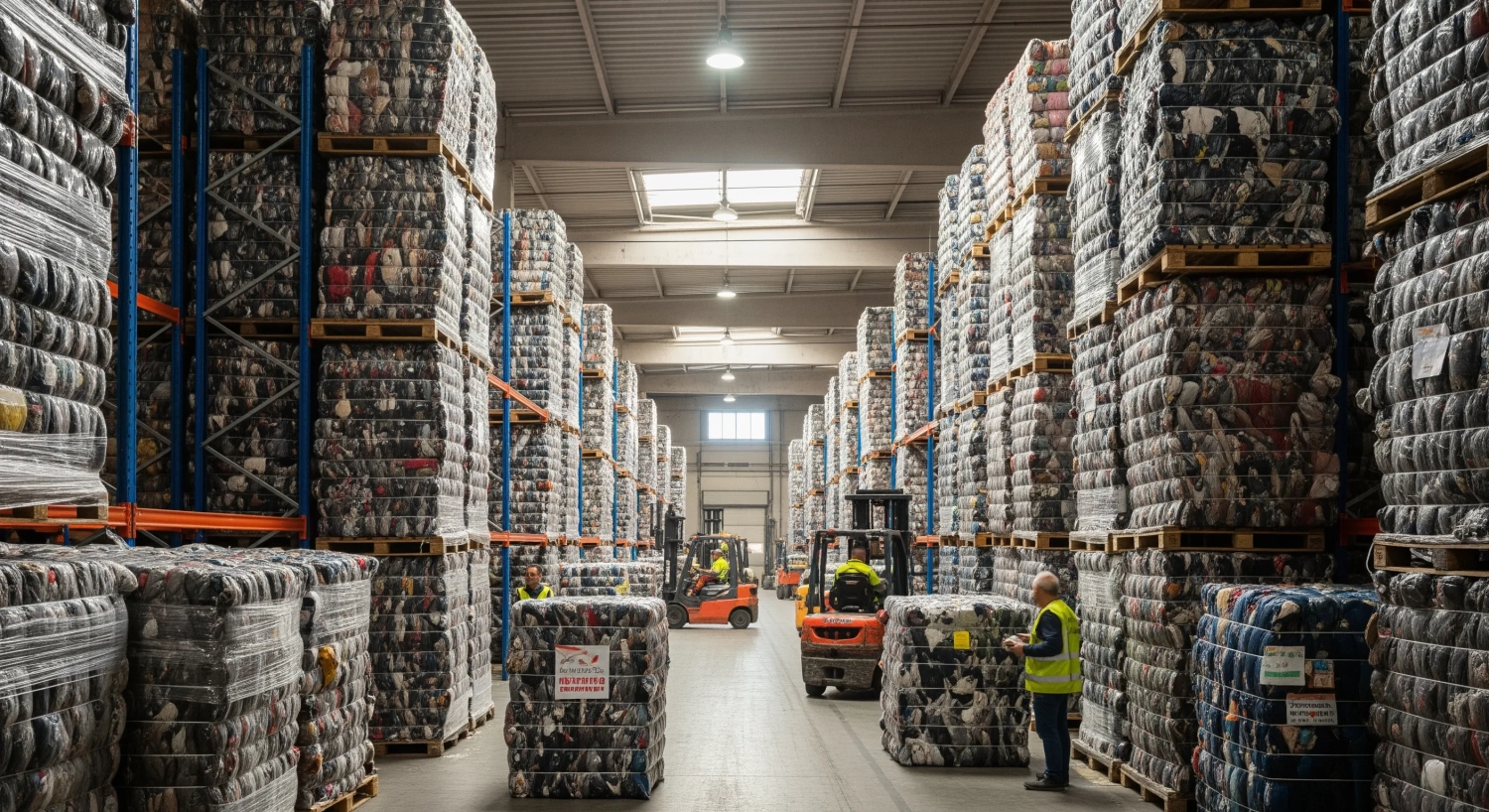
The wholesale market for second-hand clothing has seen increased demand in Europe, providing businesses with a reliable source of quality stock clothing. Based in the heart of Italy, Recycling Italy acts as a strategic hub, facilitating effective logistics across Europe. Trade buyers such as wholesalers, exporters, and store owners can benefit from sourcing quality used garments through centralized warehousing and efficient distribution channels. With a minimum order quantity of 1000 kg, partners are assured of consistent supply to meet the needs of their clientele.
Table of Contents
- Key Takeaways
- The Sustainable Choices in Second-Hand Clothing
- Understanding the Grading Process
- Operational Advantages of Using European Suppliers
- Ensuring Logistics Readiness
- Risk Assessment and Mitigation
Key Takeaways
| Aspect | Details |
|---|---|
| Minimum Order Quantity (MOQ) | The standard MOQ is 1000 kg, helpful for bulk buyers. |
| Grading & Sorting | Quality grading ensures that only the best items are available. |
| Logistics & Delivery | Strategic location in Italy allows for efficient EU shipping. |
| Risk Control | Regular assessments help minimize disputes and guarantee quality. |
The Sustainable Choices in Second-Hand Clothing
Adopting second-hand clothing aligns with the principles of the circular economy, reducing waste and resource consumption. By choosing to source second-hand clothing, businesses contribute to sustainability while offering their customers an array of unique pieces. European clothing suppliers provide insights into the growing trends in responsible fashion.
In addition to economic benefits, sourcing second-hand products promotes environmental stewardship. This method of procuring clothing reduces the demand for new textile production, which is one of the most resource-intensive industries globally. Companies that prioritize eco-friendly practices often see loyal customers who appreciate sustainability.
Understanding the Grading Process
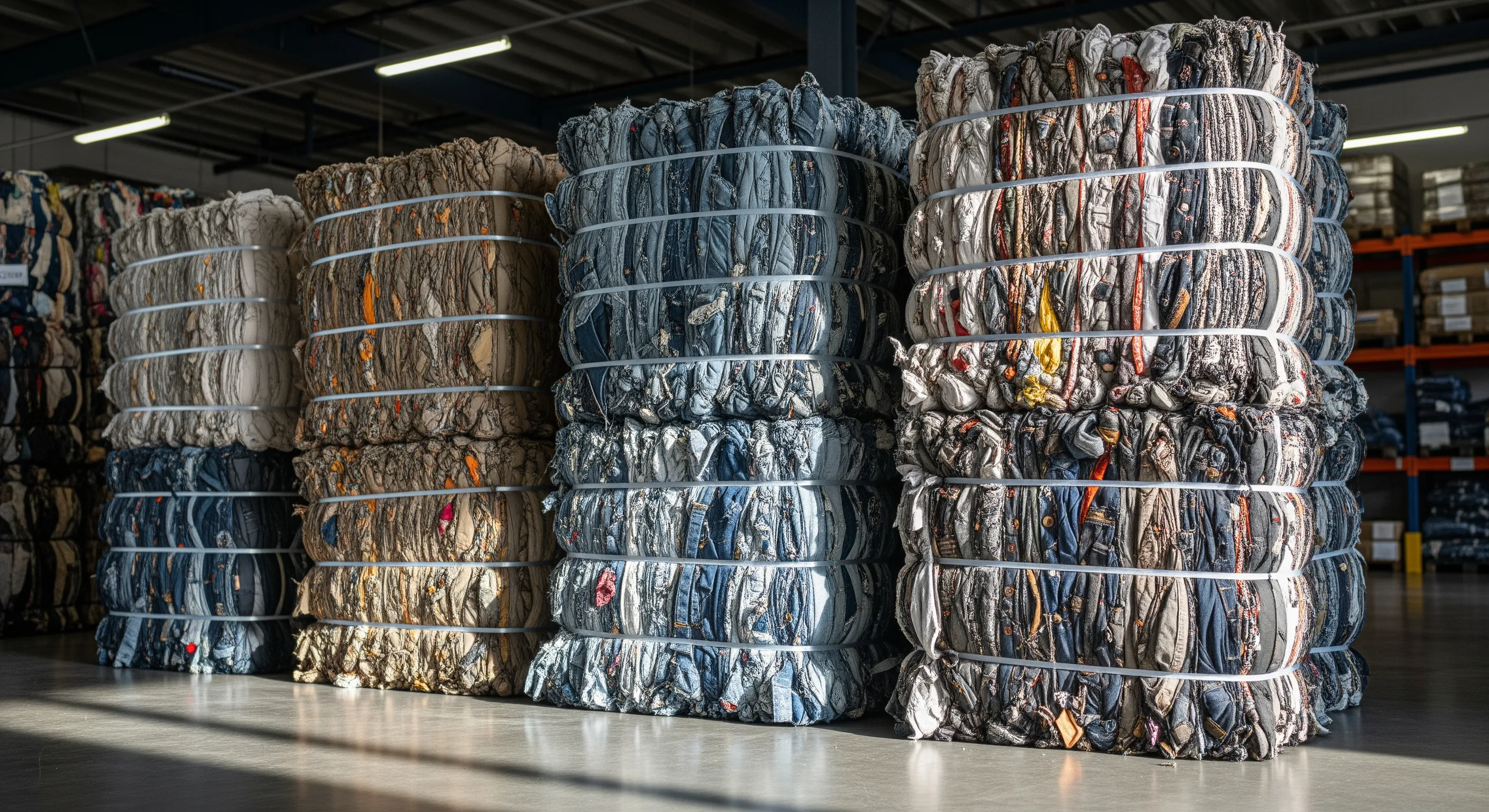
Grading is an essential part of sourcing second-hand clothing. It involves categorizing garments based on quality, condition, and brand. This meticulous process helps wholesalers ensure they provide customers with products that meet their expectations. Grading also plays a crucial role in setting pricing and inventory management.
Moreover, established grading systems can enhance the buyer’s confidence. Understanding how a supplier sorts and grades their clothing fosters trust and can lead to long-term partnerships.
Operational Advantages of Using European Suppliers
European clothing suppliers afford significant operational benefits, particularly for trade buyers. Proximity to key markets ensures timely deliveries that align with consumer demand cycles. Furthermore, reliable logistics networks from Italy to various EU nations minimize delays and enhance inventory turnover.
Working with local suppliers also reduces customs complexities and fosters a more transparent supply chain. Buyers can benefit from established relationships and practical knowledge of market dynamics, leading to improved decision-making.
Ensuring Logistics Readiness
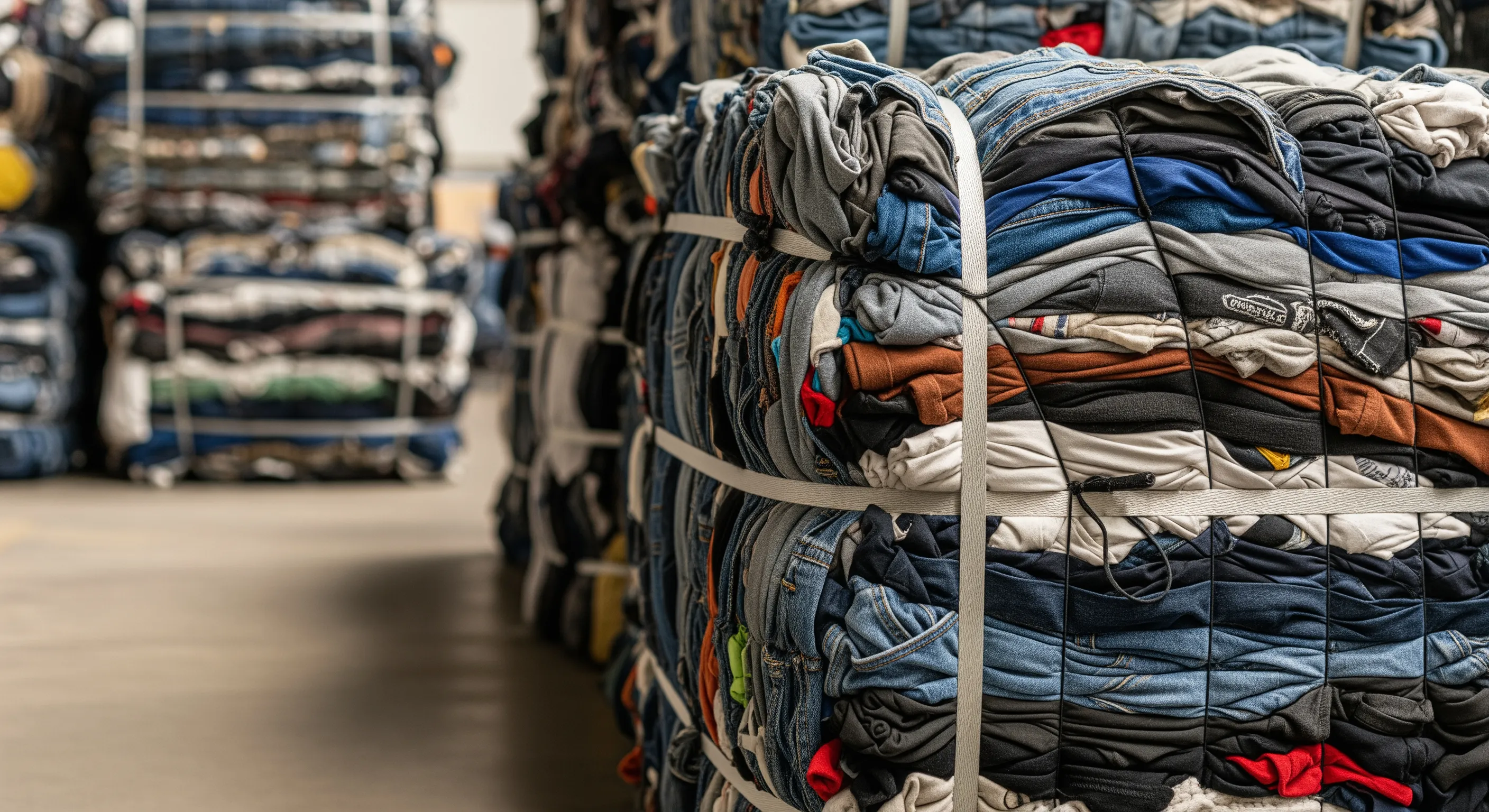
Effective logistics solutions are crucial for successful wholesale operations in the second-hand clothing market. Having a readiness plan for logistics ensures that trade buyers can meet customer demands without disruptions. Recycling Italy’s strategic location in Marcianise Sud, Caserta, establishes an ideal logistics hub for rapid response.
Additionally, understanding customs regulations and documentation is vital for smooth cross-border operations. Suppliers that assist with related processes enhance trust and collaborative efforts with buyers.
Risk Assessment and Mitigation
Risk assessment is an ongoing process to identify potential challenges in the supply chain. These can range from quality disputes to transit damages and compliance issues. Crafting a risk mitigation strategy helps businesses navigate challenges effectively.
Regular assessments of supplier relationships, product quality, and logistics processes enable businesses to control risks proactively. This strategic approach aids in maintaining stability within the wholesale supply chain.
| Risk | Cause | Mitigation |
|---|---|---|
| Disputes on Quality | Poor grading practices | Implement clear grading standards |
| Transit Damage | Poor packaging or handling | Invest in robust packaging solutions |
| Compliance Issues | Changing EU regulations | Regularly update documentation practices |
| Payment Disputes | Lack of clear terms | Establish clear payment terms upfront |
Get a B2B Quote for Italian Second-Hand and Stock Clothing
For trade buyers who need consistent bulk supply, clear grading and efficient EU delivery, explore Recycling Italy at recyclingitaly.com. To request a quote or schedule a warehouse visit near Caserta, contact the team here: Contact Us.
Frequently Asked Questions
What types of garments are available for wholesale?
A wide variety of second-hand clothing is available including casual wear, sportswear, and formal attire.
What is the minimum order quantity?
The minimum order quantity is 1000 kg, designed for bulk trade.
Can I request a warehouse visit?
Yes, interested buyers can request a visit to our facilities in Italy.
How does the grading system work?
The grading system categorizes clothing based on quality and condition.