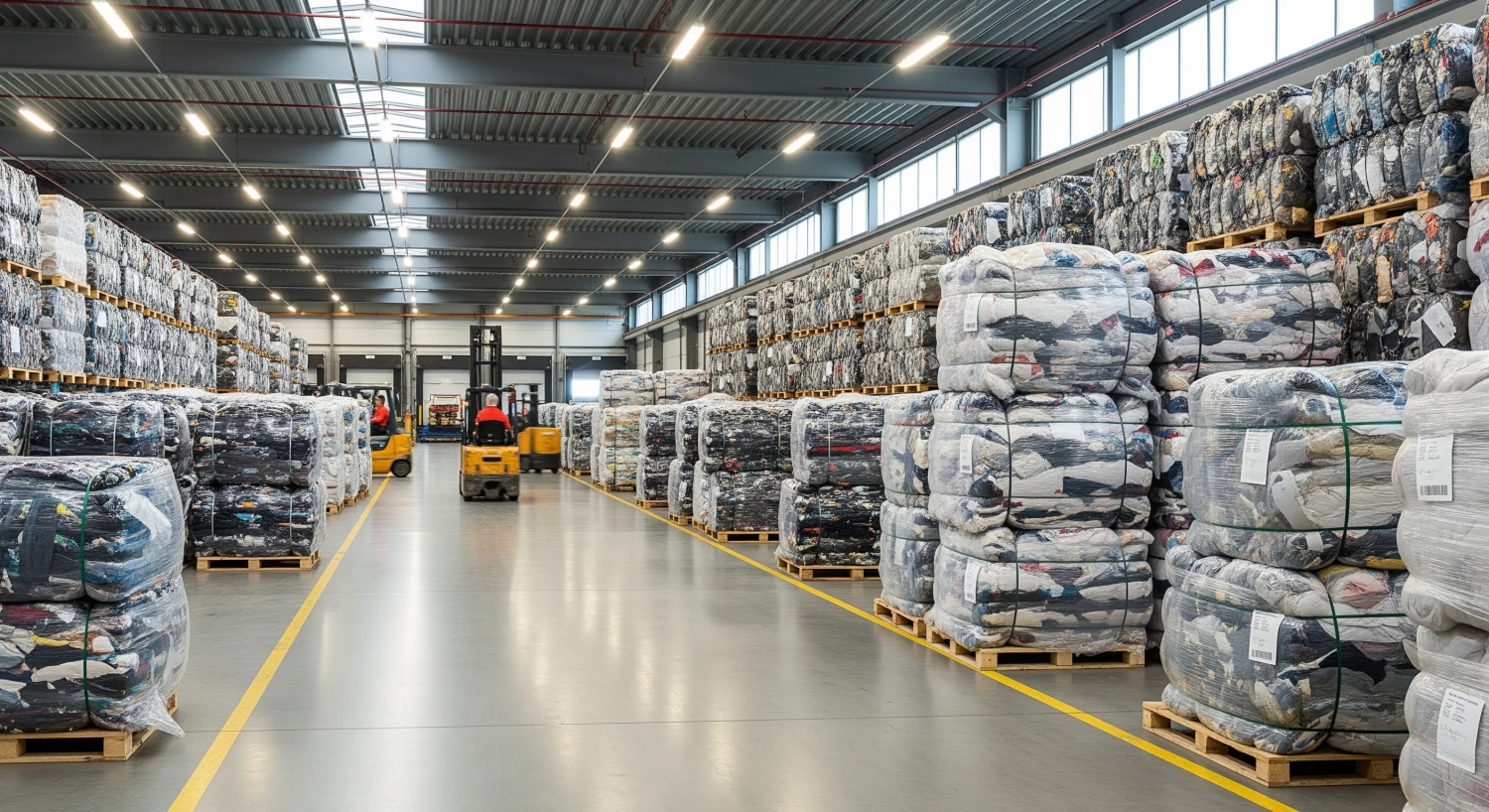
Germany presents an attractive opportunity for B2B buyers looking to source bulk second-hand clothes. With its strategic location in Europe, businesses can benefit from efficient logistics routes to Italy and beyond. Recycling Italy focuses on providing high-quality wholesale solutions tailored to meet the needs of retailers, wholesalers, and exporters. By prioritizing sustainability, we ensure that every business partnership contributes to the circular economy.
Table of Contents
- What is Bulk Second Hand Clothes Wholesale?
- Advantages of Sourcing from Italy
- Understanding the Germany Wholesale Market
- Key Products and Grading
- Sustainability and the Circular Economy
- Risk Mitigation in Bulk Trade
Key Takeaways
| Aspect | Details |
|---|---|
| MOQ | 1000 kg per lot, ensuring a strong supply chain |
| Grading | Expert grading ensures high quality for retail partners |
| Logistics | Efficient shipping routes from Italy to Germany |
| Risk Control | Clear payment terms and product verification processes |
What is Bulk Second Hand Clothes Wholesale?
Bulk second hand clothes wholesale involves the large-scale buying and selling of used clothing. This sector facilitates trade among various stakeholders, including wholesalers, retailers, and exporters. The focus is primarily on providing economical solutions while adhering to sustainability practices.
The growth of this market is driven by the increasing consumer demand for affordable, quality clothing while promoting responsible shopping habits. Companies like Recycling Italy play a pivotal role in bridging supply and demand.
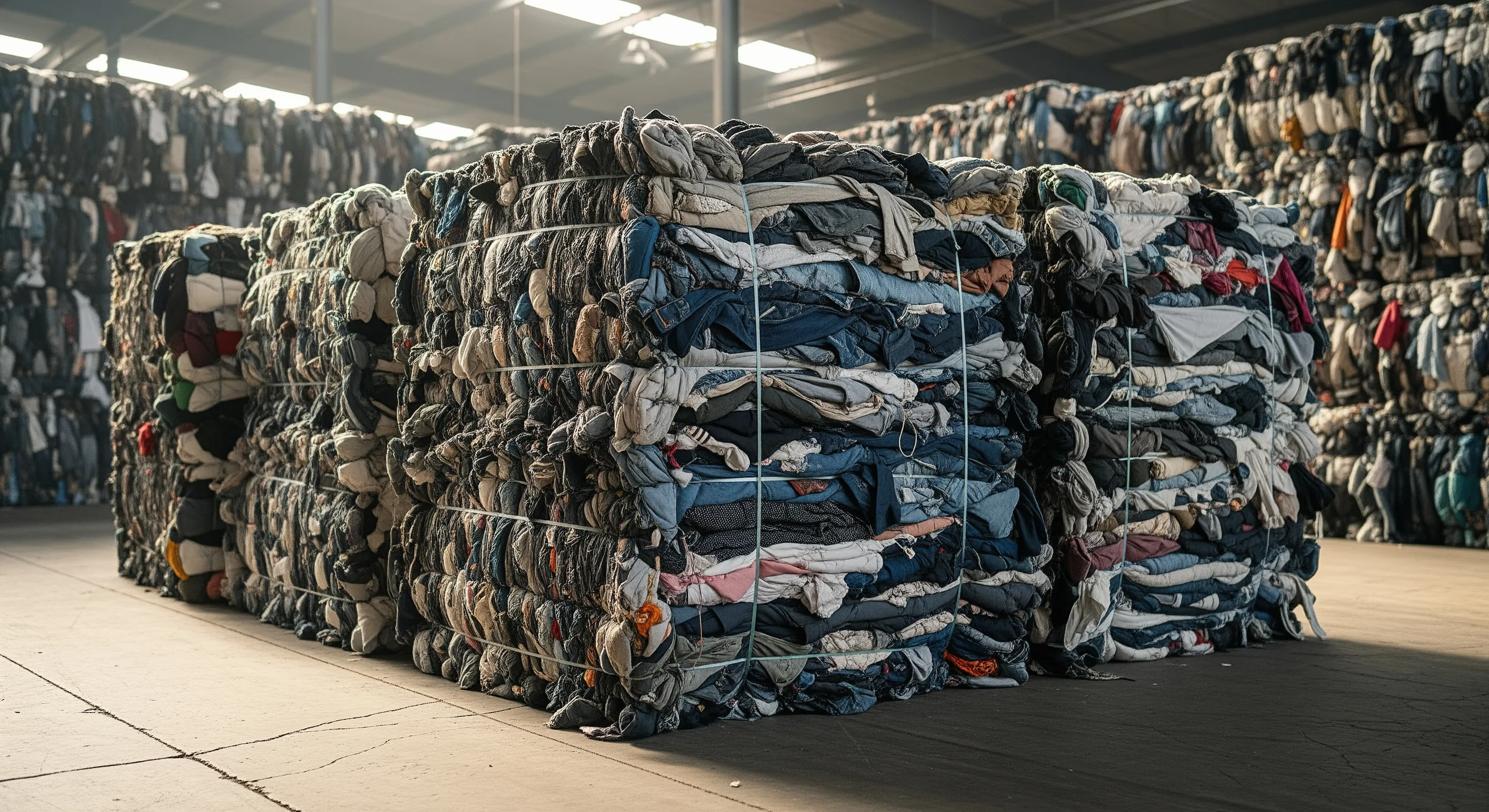
Pro tip: Understanding the specific needs of your market helps in selecting the right stock.
Advantages of Sourcing from Italy
Sourcing second-hand clothing from Italy provides several advantages for B2B buyers, including quality, reliability, and accessibility. Italy is known for its stringent quality controls, ensuring that only the best products are offered to partners.
Additionally, the central location of Italy in Europe means that transportation to Germany is both efficient and cost-effective. As a result, businesses can expect timely deliveries and minimized logistics challenges.
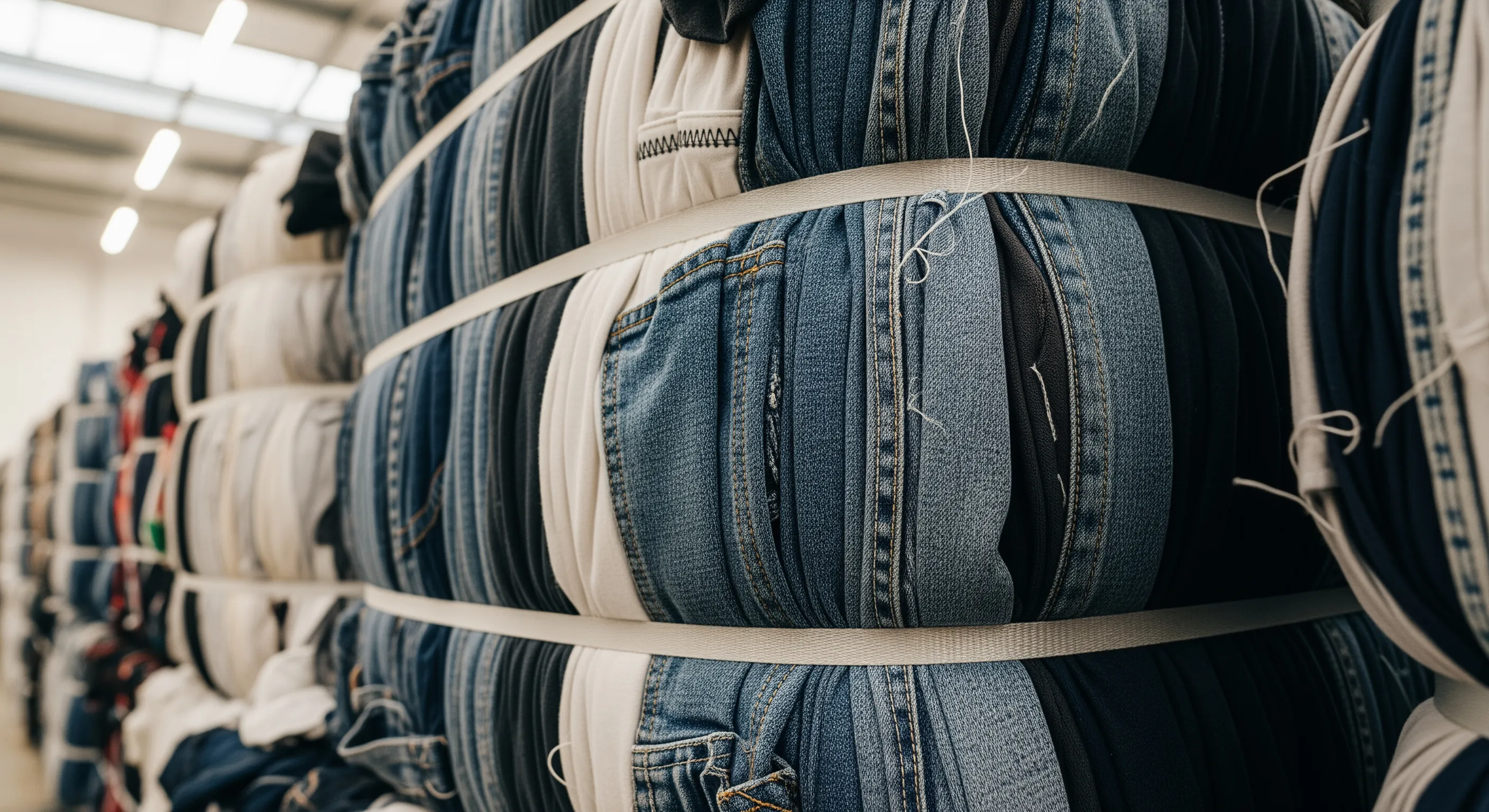
Pro tip: Establishing long-term relationships with suppliers can lead to better pricing and availability.
Understanding the Germany Wholesale Market
The wholesale market in Germany is characterized by a diverse range of buyers, from local retailers to large chain stores, all seeking reliable sources for second-hand clothes. The demand for sustainable and affordable fashion is prevalent, representing a significant opportunity for suppliers.
According to recent reports, the import of second-hand clothing has seen a steady increase over the years, with Germany playing a vital role in this evolving market.
Pro tip: Conducting market research helps in identifying the most promising segments.
Key Products and Grading
In the wholesale of second-hand clothing, grading plays a crucial role. Products are sorted based on quality, style, and brand, which helps buyers make informed decisions. Common categories include premium, commercial, and basic grade clothing.
Clear grading not only benefits suppliers by building trust but also enhances customer satisfaction among consumers. Comprehensive analysis in previous studies highlights the importance of appropriate categorization to optimize sales in the sector, including findings from recent case studies.
Pro tip: Regular training on grading techniques can improve staff efficiency and accuracy.
Sustainability and the Circular Economy
The second-hand clothing market is closely linked with sustainability and the concept of the circular economy. By engaging in wholesale second-hand clothing trade, businesses contribute to reducing waste, lowering carbon footprints, and promoting environmentally friendly practices.
The European Union emphasizes these principles, as evidenced in various reports on textile consumption and sustainability trends. A comprehensive overview of these perspectives can be found in EU regulations that promote sustainable practices across the industry.
Pro tip: Highlighting sustainability initiatives can enhance your brand’s reputation.
Risk Mitigation in Bulk Trade
Mitigating risks in the bulk second-hand clothing trade is critical for successful operation. Identifying potential issues, such as grading disputes, transit damages, and compliance challenges, helps in creating effective strategies.
In line with recent findings, stakeholders should focus on clear payment terms and comprehensive support throughout the import process. The GreenCCircuit report provides additional insights into managing these risks effectively.
Pro tip: Establish a risk management framework to address challenges proactively.
Get a B2B Quote for Italian Second-Hand and Stock Clothing
For trade buyers who need consistent bulk supply, clear grading, and efficient EU delivery, explore Recycling Italy at recyclingitaly.com. To request a quote or schedule a warehouse visit near Caserta, contact the team here: Contact Us.
Frequently Asked Questions
What are the benefits of buying second-hand clothes in bulk?
Buying second-hand clothes in bulk can lead to significant cost savings while promoting sustainable fashion practices.
How can I ensure quality in my orders?
Partnering with reputable suppliers who provide clear grading specifications can help ensure quality.
What is the minimum order quantity for bulk purchases?
The typical minimum order quantity (MOQ) is 1000 kg.
How does the circular economy relate to second-hand clothing?
The circular economy encourages recycling and reusing materials to reduce waste, which aligns well with the second-hand clothing market.