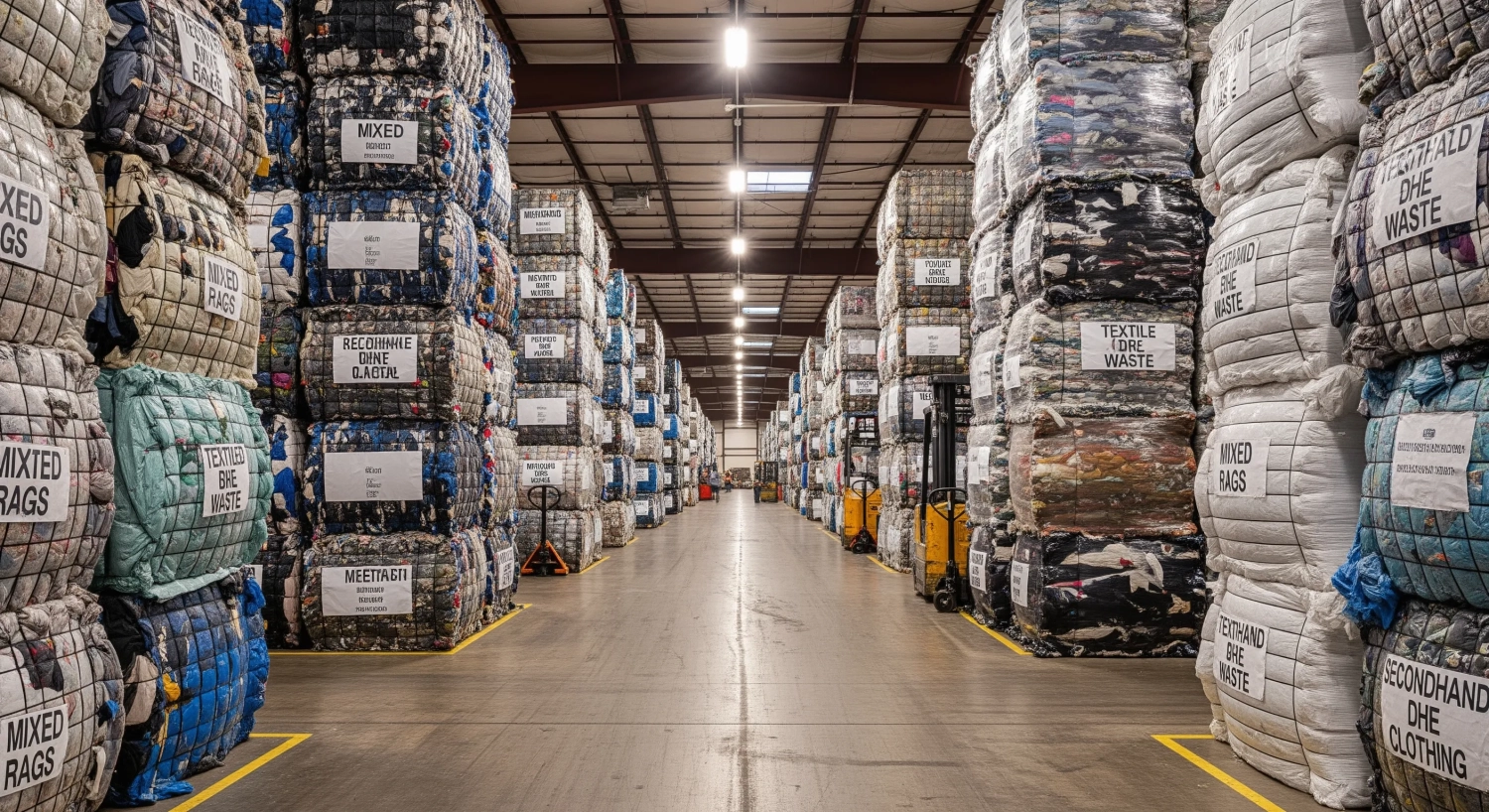
As a B2B buyer in the used clothing market, it's essential to connect with reliable suppliers who can meet your bulk clothing needs. Italy, particularly the logistics hub of Marcianise Sud, Caserta, plays a pivotal role in the European second-hand clothing supply chain. In this comprehensive guide, we’ll explore top sources for used clothing wholesale in Italy, focusing on trade buyers looking to establish sustainable supply chains and maximize their business potential.
Table of Contents
- B2B Market Insights
- Sourcing Options and Suppliers
- The Role of Sorting and Grading
- Logistics and Transportation
- Sustainability in the Clothing Supply Chain
- Changing Dynamics and Global Influences
Key Takeaways
| Key Concept | Details |
|---|---|
| MOQ | Standard minimum order quantity for trade is 1000 kg. |
| Grading | Proper grading ensures quality and market readiness. |
| Logistics | Efficient EU logistics reduce lead times and transportation costs. |
| Risk Control | Clear terms and regular inspections can mitigate disputes. |
B2B Market Insights
The used clothing wholesale market in Italy is multifaceted, involving numerous suppliers and buyers across Europe. Factors driving this market include sustainability initiatives and consumer demand for affordable clothing options. Understanding market trends is critical for trade buyers aiming to source quality second-hand clothing efficiently.
Trade buyers should note the variance in stock availability depending on the season and the source from which clothing is procured. According to local market studies, the demand for Italian second-hand clothing is on the rise, particularly in environmentally conscious markets.
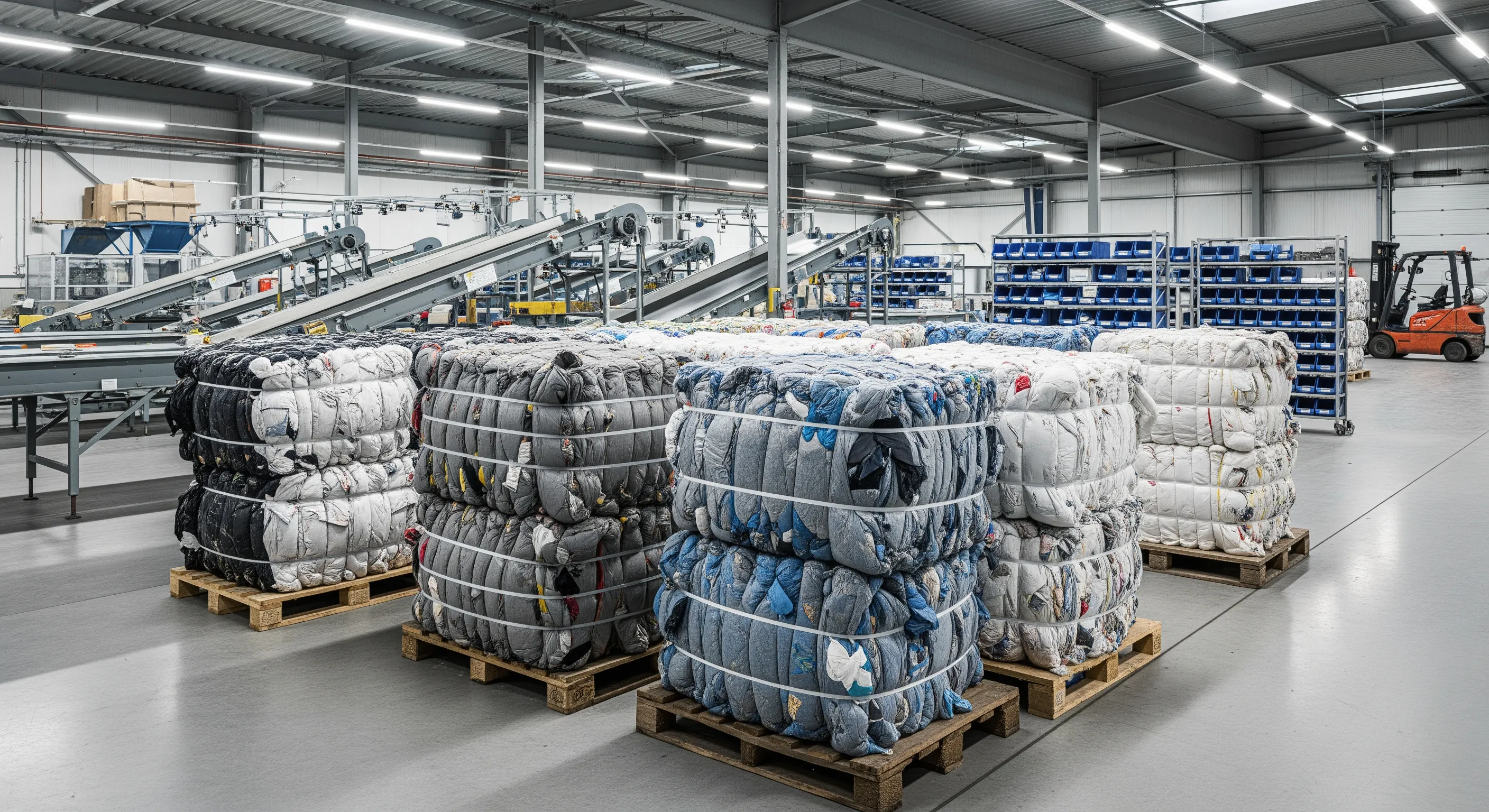
Pro tip: Regularly review seasonal trends and adjust your sourcing strategies accordingly to stay competitive.
Sourcing Options and Suppliers
When considering where to source used clothing, Italy offers a variety of options, from local wholesalers to large-scale exporters. Each supplier may have different specializations, such as branded clothing, vintage items, or bulk lots. Establishing relationships with multiple suppliers can ensure a steady flow of inventory.
For buyers focused on sustainability, it's advisable to partner with suppliers who adhere to eco-friendly practices. Many sustainable clothing suppliers emphasize recycling and responsible sourcing, aligning with the circular economy’s ethos.
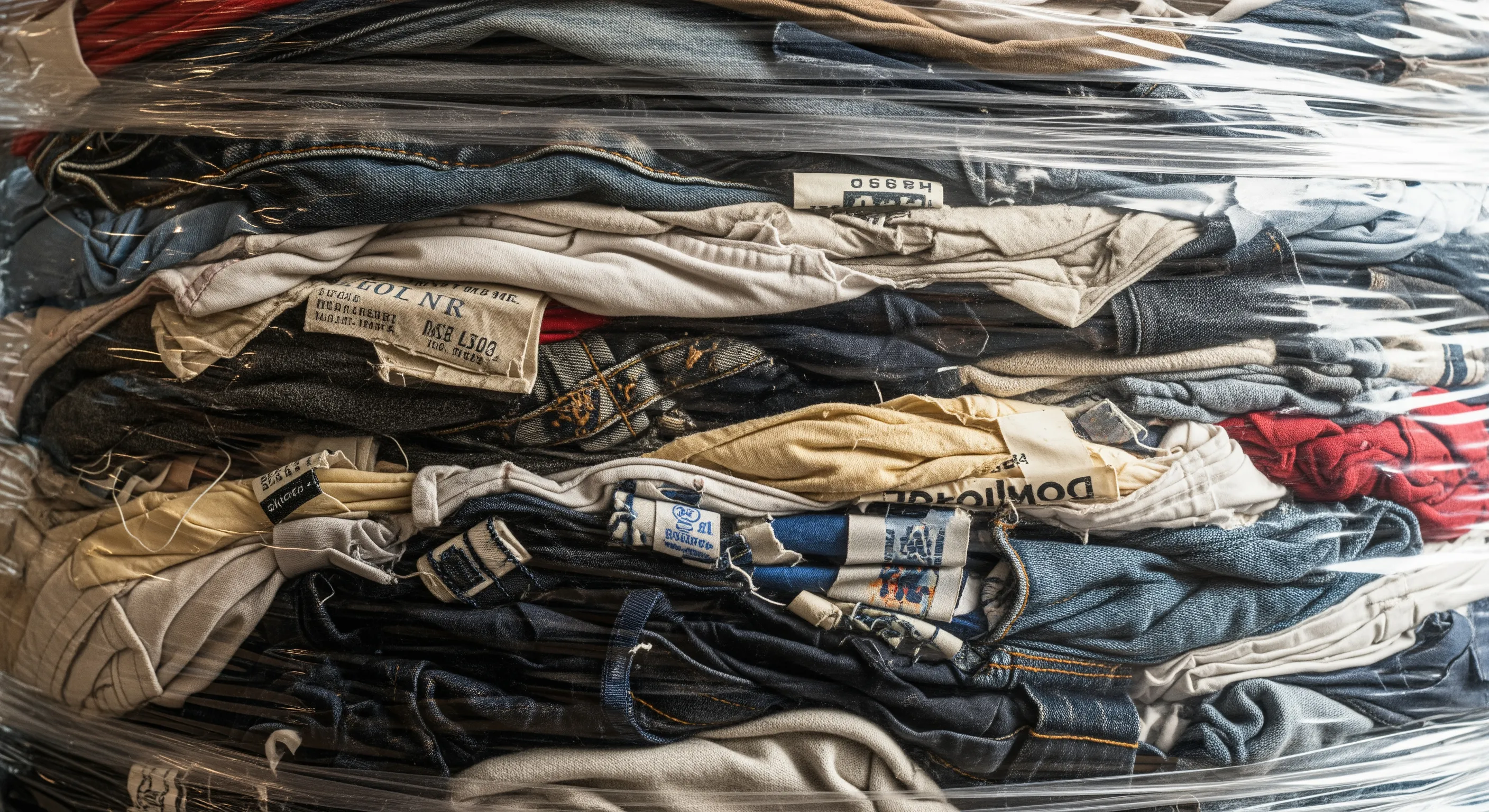
Pro tip: Always verify supplier certifications and practices to ensure they meet your quality and ethical standards.
The Role of Sorting and Grading
Sorting and grading are crucial steps in the wholesale used clothing process. Proper grading ensures buyers receive products that meet their specifications, reducing the chance of returns and dissatisfaction. Suppliers should provide transparent grading systems to foster trust with buyers.
Moreover, established grading practices can help trade buyers manage their inventory more effectively. By understanding the qualities of different grades, buyers can make informed decisions on pricing and marketing strategies.
Pro tip: Create a checklist for grading standards and ensure all team members are aligned for consistent outcomes.
Logistics and Transportation
Efficient logistics are vital in the used clothing wholesale market. With Italy serving as a key logistics hub in Southern Europe, understanding local transportation options is crucial for expediting orders. Trade buyers should consider both road and maritime transport for cross-border shipments to optimize costs.
Deliveries can often face challenges, such as customs regulations and documentation requirements. Understanding these requirements can streamline import/export processes. According to industry reports, proper documentation reduces potential delays significantly.
Pro tip: Build relationships with logistics providers who specialize in handling used clothing for smoother operations.
Sustainability in the Clothing Supply Chain
Sustainability is becoming increasingly important in the clothing supply chain. By sourcing second-hand clothing, trade buyers contribute to reducing waste and promoting a circular economy. This sustainable approach is supported by consumers who are increasingly aware of their purchasing impacts.
Many suppliers in Italy are embracing sustainable practices, ensuring their processes align with eco-friendly principles. Partnering with such suppliers not only benefits the environment but also enhances brand reputation.
Pro tip: Regularly evaluate your supply chain partners for their commitment to sustainability.
Changing Dynamics and Global Influences
The dynamics of the used clothing market are continuously evolving, influenced by global trends and consumer behavior shifts. Trade buyers must stay informed about these changes to remain competitive.
Factors such as economic conditions, shipping costs, and international trade agreements can impact sourcing strategies. Staying adaptable is key; regularly revisiting your sourcing and logistics approach can help mitigate risks associated with market fluctuations.
Pro tip: Stay connected with industry associations to keep abreast of changes impacting the wholesale clothing market.
Get a B2B Quote for Italian Second-Hand and Stock Clothing
For trade buyers who need consistent bulk supply, clear grading and efficient EU delivery, explore Recycling Italy at recyclingitaly.com. To request a quote or schedule a warehouse visit near Caserta, contact the team here: Contact Us.
Frequently Asked Questions
What is the minimum order quantity for used clothing wholesale?
The typical MOQ for used clothing is 1000 kg.
How do I ensure the quality of the second-hand clothing?
It's essential to verify supplier grading systems and request samples if needed.
What logistics challenges should I be aware of?
Customs regulations and documentation can pose challenges but are manageable with proper knowledge.
How can sustainability be integrated into my business model?
By sourcing second-hand clothing, trade buyers can significantly contribute to sustainability efforts.