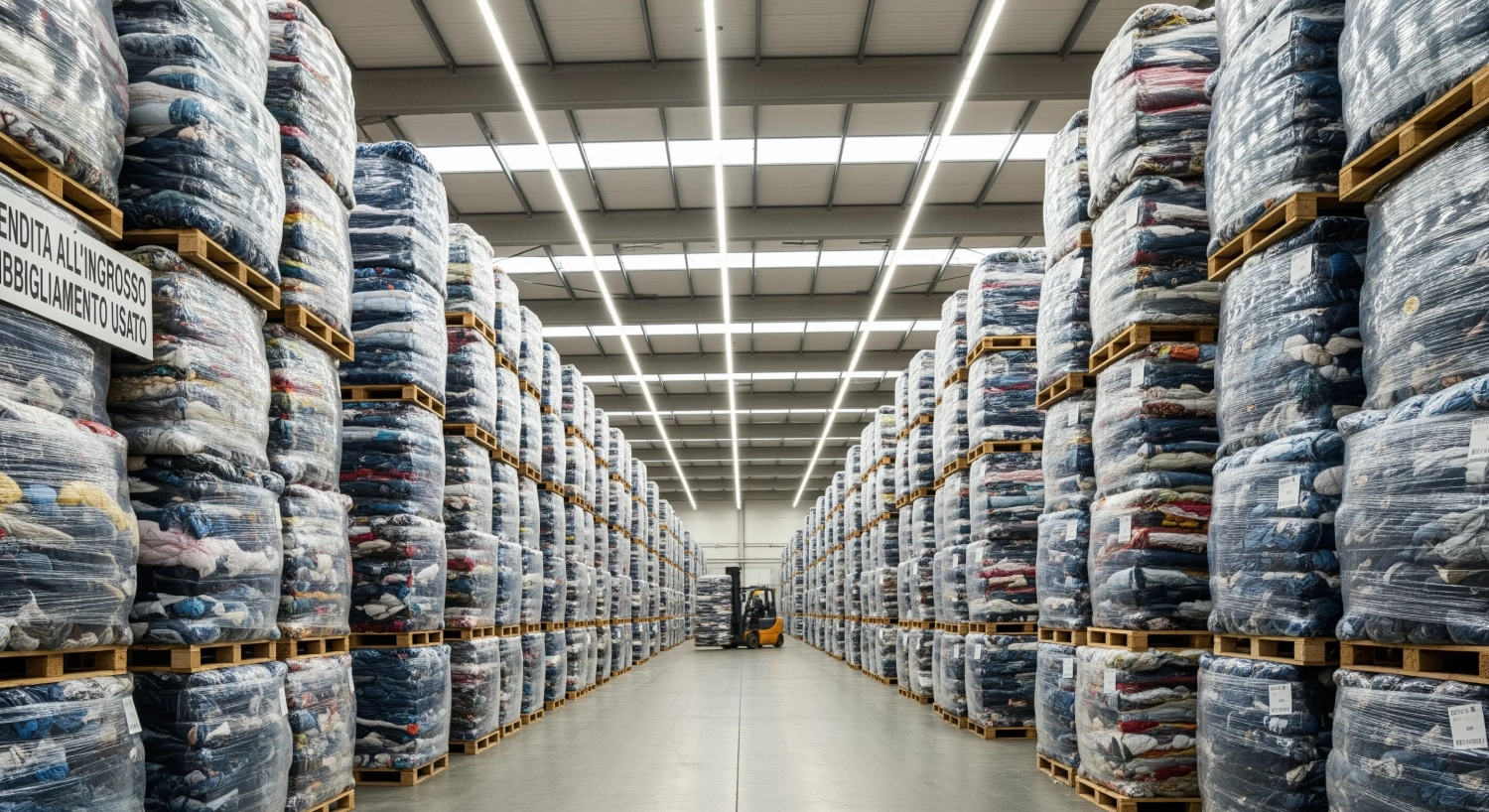
In the competitive landscape of B2B wholesale in Italy, securing a reliable source for used clothing is essential for trade buyers. Located in a strategic logistics hub like Marcianise Sud, you have access to a thriving market for second-hand and stock clothing. As a buyer, you can benefit significantly from the diverse offerings and favorable conditions that the Italian market presents. Understanding the procurement process, including regulations and logistics, will aid in making informed decisions, ensuring smooth transactions and timely deliveries.
Table of Contents
- Understanding Second-Hand Clothing Wholesale
- Benefits of Using Wholesale Suppliers
- How to Source Used Clothing Locally
- Evaluating Clothing Suppliers
- Risk Management for Bulk Purchasing
- Sustainability in the Second-Hand Market
Understanding Second-Hand Clothing Wholesale
When seeking used clothing wholesale near me, it is crucial to understand the market dynamics. The wholesale clothing sector in Italy is well-developed, characterized by competitive pricing and quality products. Buyers have access to diversified inventories, allowing for tailored purchasing strategies based on market demands.
Secondly, suppliers often implement grading systems which sort clothing based on quality and type. This grading structure aids buyers in selecting products that meet specific market expectations.
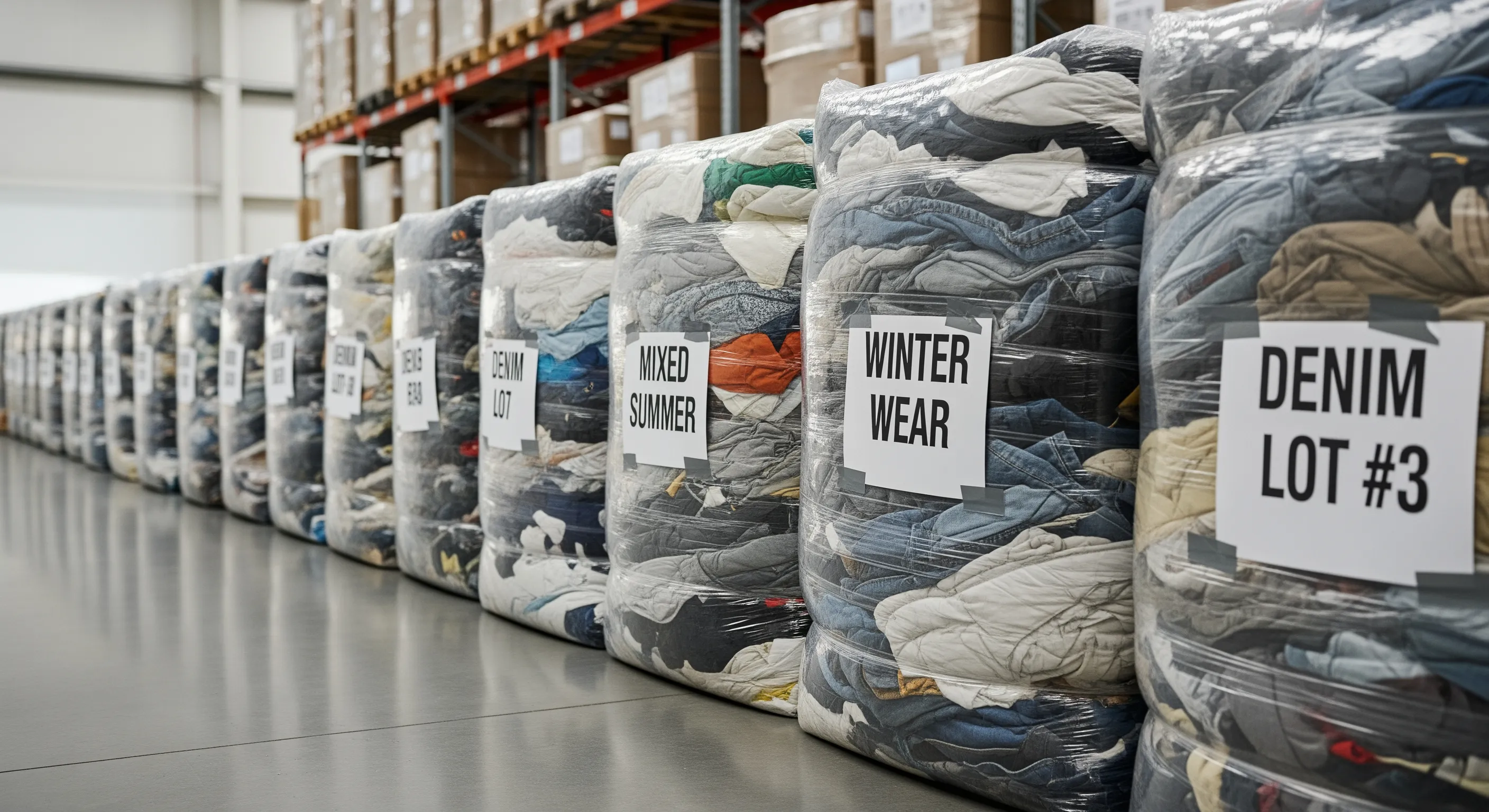
Pro tip: Familiarize yourself with the grading system used by suppliers to ensure you select the inventory suitable for your market needs.
Benefits of Using Wholesale Suppliers
Bulk clothing suppliers in Italy provide numerous advantages, including significant cost savings and consistent product availability. By sourcing from reputable suppliers, trade buyers can enjoy economies of scale, which lowers overall costs compared to retail purchasing.
Additionally, wholesale channels often lead to better margins during resale, especially in regions that value quality second-hand clothing. With a strong push towards sustainability, consumers are increasingly seeking eco-friendly options, making second-hand clothing a viable choice.
Pro tip: Evaluate your supplier’s return policy and customer support to safeguard your investments.
How to Source Used Clothing Locally
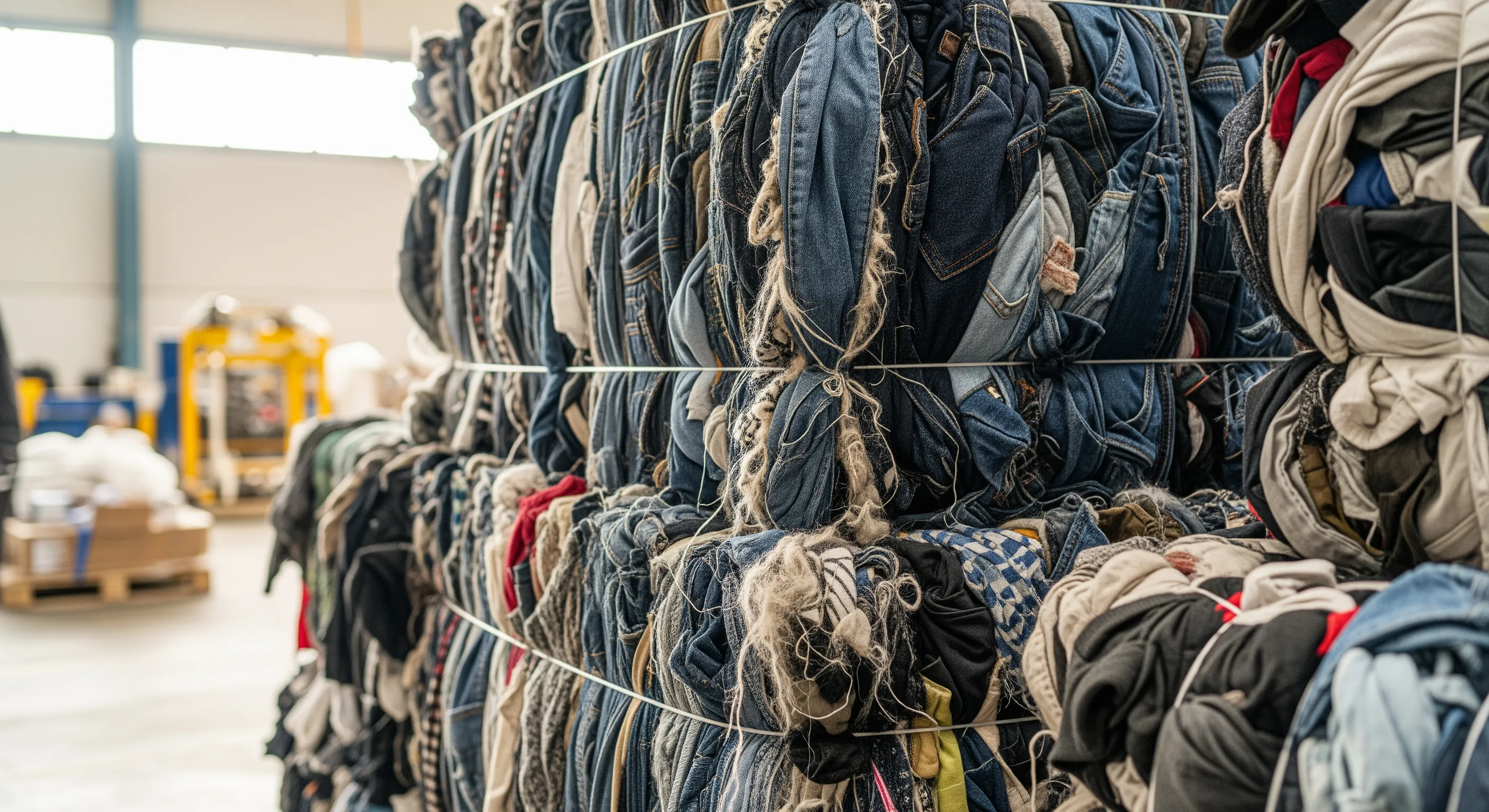
Finding used clothes distributors in your area can streamline the sourcing process. Often, regional suppliers are more familiar with local trends and customer preferences. Attend trade shows and industry events in the Caserta region to connect with suppliers and explore their offerings.
Utilizing digital platforms can also expedite locating wholesale partners. Many suppliers list their inventories online, allowing you to compare prices and quality before committing to a deal.
Pro tip: Always request samples before placing a bulk order to verify the quality of the clothing.
Evaluating Clothing Suppliers
When choosing clothing stock suppliers, it's important to conduct thorough evaluations. Look for suppliers with established reputations and positive customer reviews. Verifying their compliance with EU regulations ensures that the products you source meet necessary legal standards.
Additionally, consider visiting their warehouses to assess the quality of the products firsthand. This direct engagement can offer insights into their inventory management practices and overall business operations.
Pro tip: Ask potential suppliers about their logistics capabilities and timelines to ensure timely delivery.
Risk Management for Bulk Purchasing
Engaging in bulk purchasing of second-hand clothing can entail certain risks, such as grading disputes or transit damage. Understanding these risks and having contingency plans in place is essential for safeguarding investments. For instance, establish clear grading agreements with suppliers to minimize misunderstandings.
Additionally, investing in reliable transport solutions can help mitigate the risk of transit damage. Collaborate with logistics experts familiar with handlingsecond-hand clothing, ensuring that your products arrive intact.
| Risk | Cause | Mitigation |
|---|---|---|
| Grading Disputes | Lack of clear communication | Establish detailed grading agreements |
| Transit Damage | Poor handling and transport | Partner with experienced logistics providers |
| Compliance Issues | Regulatory misunderstandings | Regular training and updates on regulations |
| Payment Delays | Inefficient payment processes | Implement secure payment options |
Pro tip: Maintain clear communication with your suppliers throughout the purchasing process to reduce risks.
Sustainability in the Second-Hand Market
The demand for environmentally friendly options is growing, making sustainability a pivotal concern in the second-hand clothing market. Sourcing through bulk clothing suppliers, you can contribute to the circular economy, helping reduce waste and promoting sustainable business practices.
Trade buyers should focus on ethically-sourced products to align with consumer preferences. Working with suppliers who share similar sustainability values will not only enhance your brand image but also attract a conscientious customer base.
Pro tip: Highlight the sustainability practices of your supply chain in your marketing to appeal to environmentally conscious consumers.
Get a B2B Quote for Italian Second-Hand and Stock Clothing
For trade buyers who need consistent bulk supply, clear grading and efficient EU delivery, explore Recycling Italy at recyclingitaly.com. To request a quote or schedule a warehouse visit near Caserta, contact the team here: Contact Us.
Frequently Asked Questions
What is the minimum order quantity for wholesale used clothing?
The minimum order quantity typically starts at 1000 kg for wholesale orders.
How do I ensure the quality of second-hand clothing?
Request samples and familiarize yourself with the grading system of your supplier.
Are there any regulations I should be aware of?
Yes, ensure compliance with EU regulations and standards for second-hand clothing.
How can I improve my purchasing strategy?
Conduct market research and continually review supplier options to find better deals.