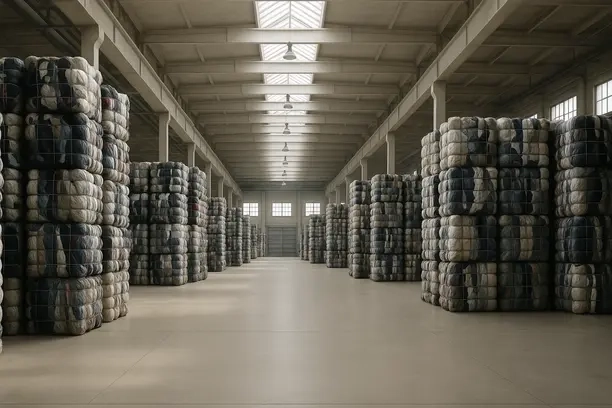
In the ever-evolving landscape of fashion, wholesale second-hand clothing offers significant advantages for B2B buyers in Europe. Located in the logistics hub of Caserta, Italy, Recycling Italy Srl specializes in supplying quality stock and second-hand apparel in bulk. This article aims to provide trade buyers with essential insights, strategies, and resources to tap into the potential of the second-hand clothing market across Europe.
Table of Contents
- Key Takeaways
- Understanding Bulk Second Hand Clothing
- The Grading Process
- Supply Chain Readiness
- Circular Economy and Sustainability
- Wholesale Relationships for Success
Key Takeaways
| Aspect | Details |
|---|---|
| MOQ | Typically starts at 1000 kg for bulk orders. |
| Quality Control | Importance of diligent grading to ensure inventory quality. |
| Logistics | Efficient EU logistics facilitate timely delivery and streamlined operations. |
| Margins | Understanding market pricing can enhance profitability. |
Understanding Bulk Second Hand Clothing
Wholesale second-hand clothing is an effective solution for businesses seeking to reduce costs while offering attractive options to consumers. The appeal of recycled garments is not just economical; they also align with a growing trend toward sustainability. According to an industry report, the demand for bulk second-hand clothing has increased significantly in recent years.
The European market is particularly favorable due to its established networks for sourcing and distributing second-hand textiles. Trade buyers can benefit from enhanced market readiness and lower shipping risks.
The Grading Process
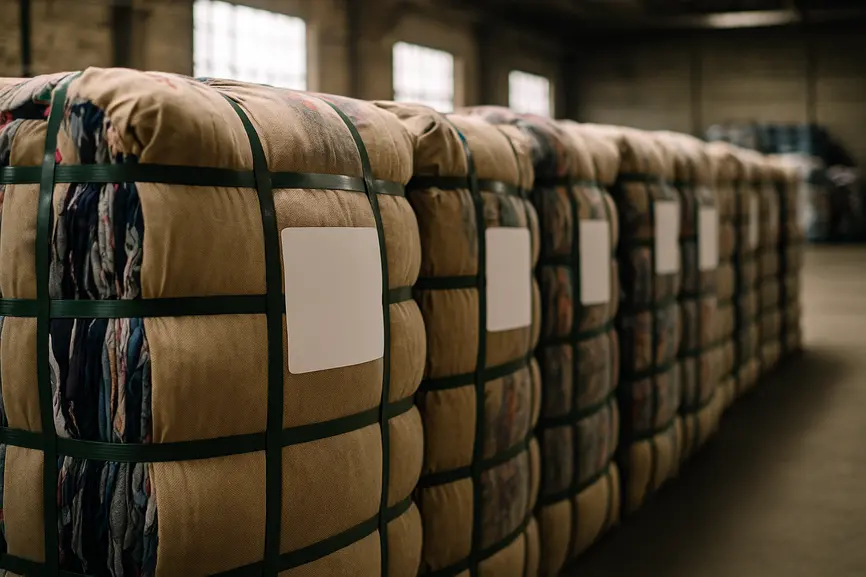
Understanding the grading system for second-hand apparel is crucial for maintaining the quality of offerings. Different grades might include sorting methods based on fabric type, usability, and brand value. Proper grading ensures that buyers know what to expect and can serve their consumers effectively.
This process not only dictates product quality but also impacts pricing strategies and inventory management. For more information on effective grading techniques, review best practices outlined by industry experts.
Supply Chain Readiness
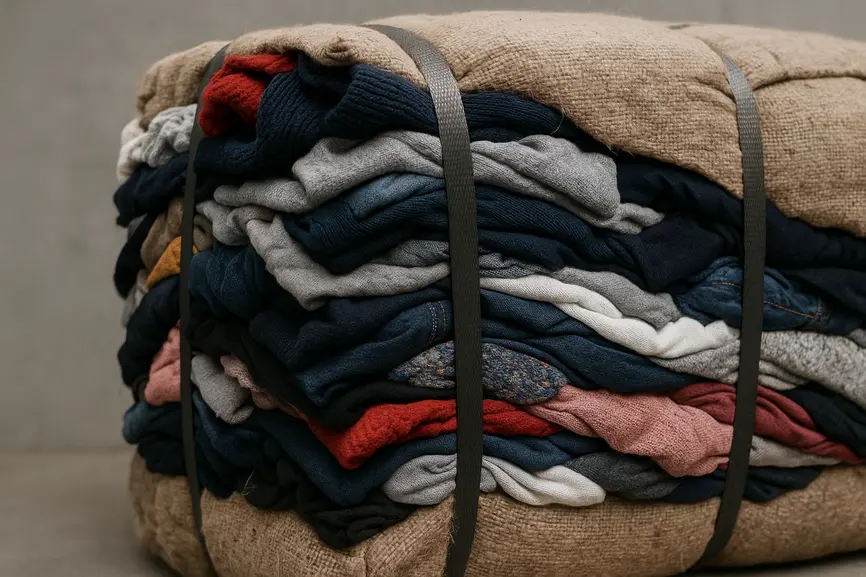
Efficient supply chains are fundamental for successful wholesale operations. Ensuring that all documentation is accurate and readily available facilitates smoother transactions. In Europe, understanding customs regulations and ensuring compliance is a must, as delays can negatively impact profitability.
Engaging with local forwarding agents can streamline the logistics process. Additionally, according to recent supply chain studies, maintaining strong communication throughout the supply chain is vital for managing risks effectively.
Circular Economy and Sustainability
As the demand for sustainability rises, wholesale second-hand clothing plays a key role in the circular economy. Businesses that prioritize eco-friendly practices not only attract conscious consumers but also stand to benefit from potential tax incentives and grants focusing on sustainable practices.
The integration of recycled garments into retail strategies can significantly reduce waste and promote a positive brand image. Resources like EU sustainability guidelines support businesses in implementing these practices.
Wholesale Relationships for Success
Building strong relationships with suppliers and logistics partners can enhance operational success. Understanding supplier capabilities, exploring options for flexible pricing, and discussing volume discounts are crucial steps for setting mutually beneficial agreements.
Networking in trade events and industry forums can also facilitate valuable connections. For a deeper understanding of effective wholesale strategies, refer to comprehensive industry insights.
Pro tip: Establish clear communication channels with suppliers to ensure alignment on expectations and quality controls.
Get a B2B Quote for Italian Second-Hand and Stock Clothing
For trade buyers who need consistent bulk supply, clear grading and efficient EU delivery, explore Recycling Italy at recyclingitaly.com. To request a quote or schedule a warehouse visit near Caserta, contact the team here: Contact Us.
Frequently Asked Questions
What are the advantages of buying second-hand clothing in bulk?
Buying second-hand clothing in bulk reduces costs, offers diverse inventory, and promotes sustainability.
What types of clothing can be found in bulk?
Bulk orders can include a variety of apparel from casual wear to branded garments.
How is the grading of second-hand clothing performed?
Grading is performed based on usability, fabric, and brand reputation.
How can businesses ensure compliance with regulations?
Staying informed on local customs and trade regulations is essential for compliance.