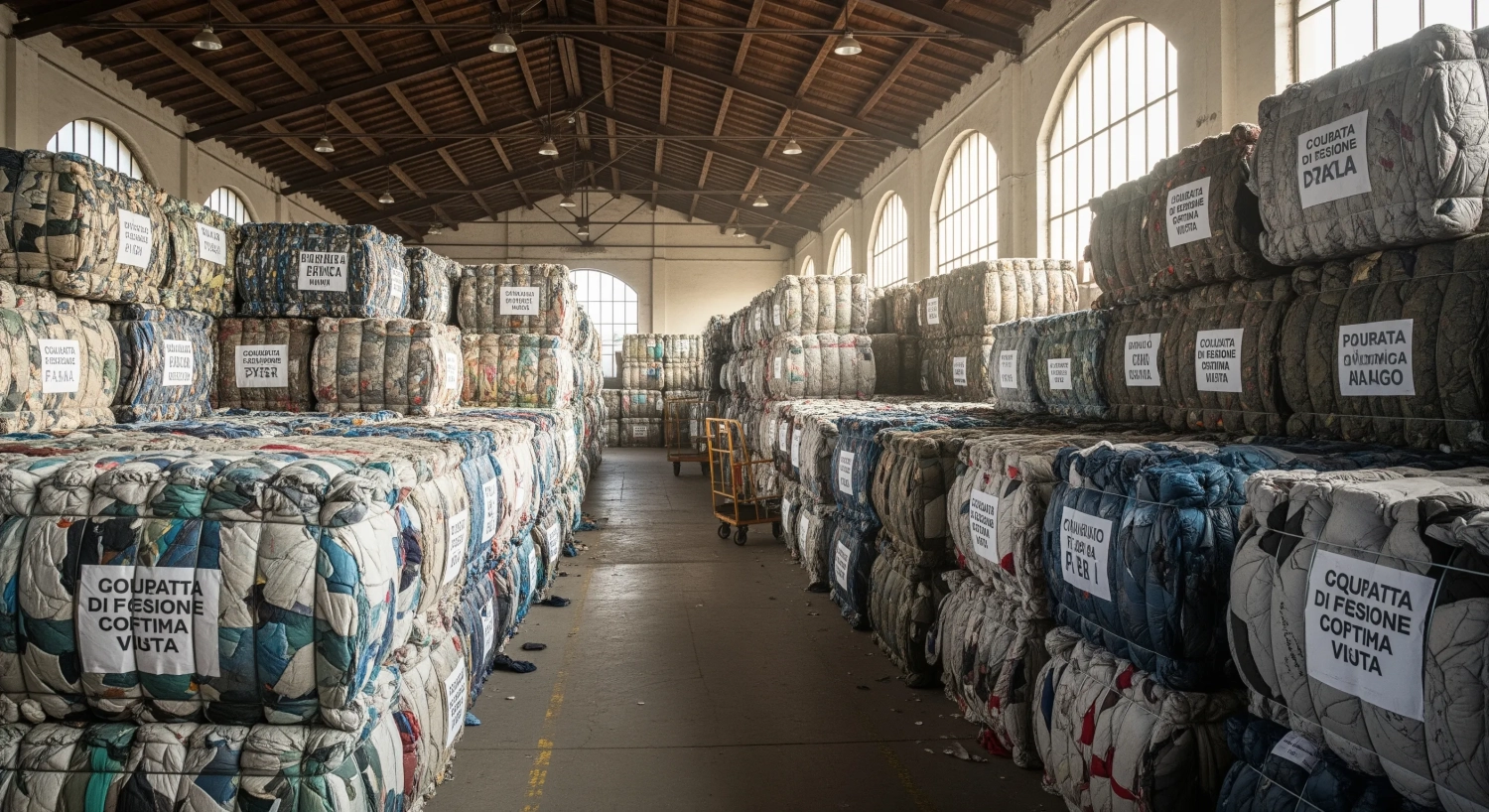
Wholesale used clothing bales are a cornerstone of the second-hand apparel market in Italy and across Europe, catering specifically to trade buyers looking for bulk quantities. With Marcianise Sud, located in Caserta, serving as a logistics hub, businesses can access a streamlined EU supply chain. This post discusses the essentials of sourcing the best wholesale used clothing bales, helping B2B buyers navigate the landscape of second-hand clothing. Understanding grading standards and supply processes will facilitate informed purchasing decisions for wholesalers, distributors, and exporters.
Table of Contents
- What to Look For in Wholesale Used Clothing Bales
- Understanding Grading and Sorting Standards
- B2B Suppliers in Italy and Europe
- Supply Chain Logistics for Wholesale Clothing
- Sustainability and the Circular Economy
- Navigating Risk in Wholesale Clothing Purchases
Key Takeaways
| Minimum Order Quantity | Typically starts at 1000 kg, ensuring bulk supply. |
| Grading Standards | Understand grading levels to manage quality expectations. |
| Logistics Management | Efficient shipping and handling are crucial for timely deliveries. |
| Risk Control | Mitigate risks through proper documentation and supplier vetting. |
What to Look For in Wholesale Used Clothing Bales
When considering wholesale used clothing bales, it's essential to prioritize quality and uniformity. Buyers should examine the types of clothing included, focusing on well-known brands and styles that appeal to their target market. The packaging, weight, and condition of the bales also play a crucial role in determining their value and potential resale profitability.
Moreover, examining the previous sourcing and distribution practices of your supplier can provide insights into the sustainability of the bales. Knowing that your clothing comes from ethical sources not only enhances your brand reputation but also aligns with increasing consumer demand for sustainable fashion.
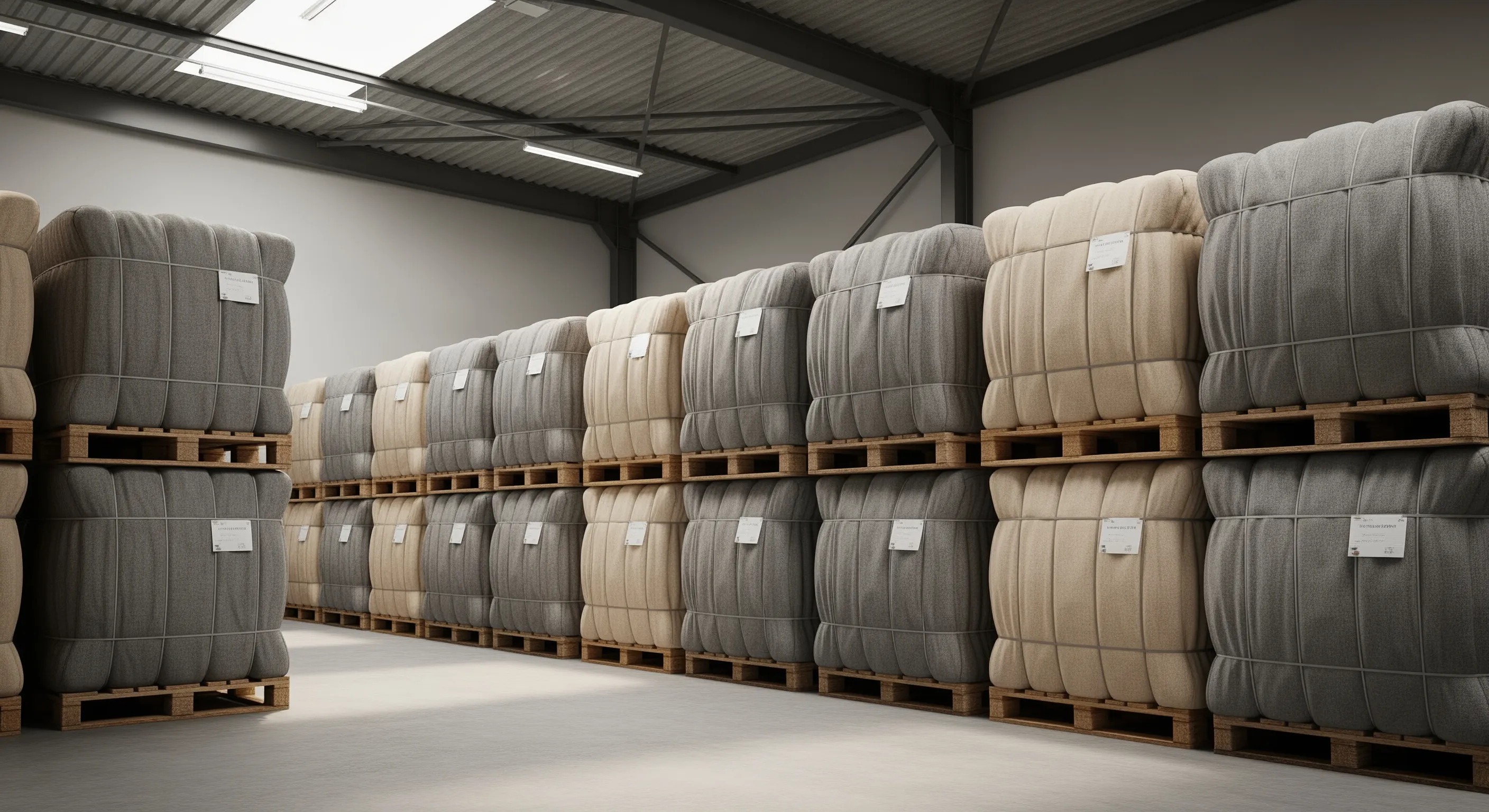
Pro tip: Always request samples from suppliers to assess the quality before making large purchases.
Understanding Grading and Sorting Standards
The grading and sorting of used clothing are critical for establishing market value. Clothing quantities are typically sorted into categories like A-grade, B-grade, and damaged goods. Having a clear grading system helps buyers maintain expectations regarding the resale potential of the clothing.
Familiarizing yourself with grading standards allows buyers to make informed decisions and minimizes the risk of purchasing bales with unsellable items. This meticulous approach ensures that you are offering quality products to your customers, enhancing your reputation in the market.
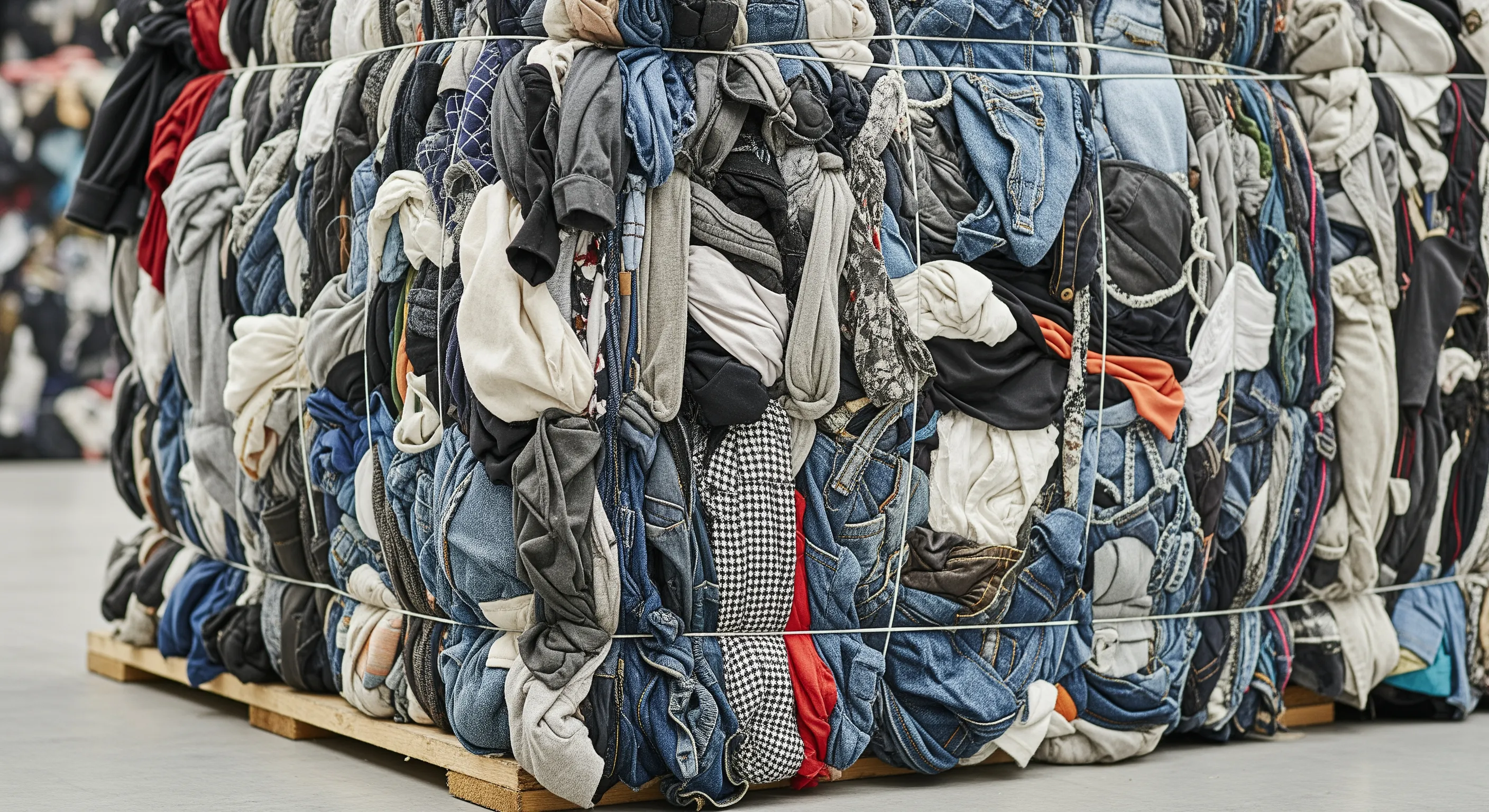
Pro tip: Partner with suppliers who provide transparent grading of their products to ensure quality assurance.
B2B Suppliers in Italy and Europe
Italy is home to various reputable B2B suppliers specializing in wholesale used clothing bales. These suppliers usually maintain strict quality controls and offer detailed information about the content and grading of their bales. Connecting with established suppliers can facilitate smoother transactions and reliable delivery schedules.
You can find a variety of stock clothing suppliers across Europe; however, ensuring compliance with EU regulations for importing textiles is crucial. Thorough research into suppliers can also minimize the risk of encountering disputes or quality issues in the procurement process.
Pro tip: Engage suppliers with good reviews and a strong network in the EU for better assurance in quality.
Supply Chain Logistics for Wholesale Clothing
The logistics of transporting wholesale used clothing bales can be complicated. Buyers must ensure efficient logistics to handle customs clearance and cross-border transportation within the EU. Working with experienced logistics providers can streamline the shipping process, thereby reducing lead times and ensuring product availability.
Additionally, understanding local regulations regarding imports of used textiles is crucial for compliance. Proper logistics management not only facilitates timely delivery but also helps mitigate potential risks associated with delays or damages during transit.
Pro tip: Regular communication with logistics partners boosts transparency and efficiency in the supply chain.
Sustainability and the Circular Economy
The rise of the circular economy emphasizes the importance of sustainability in the clothing industry's supply chain. Sourcing used clothing bales aligns with environmentally friendly practices, appealing to increasingly eco-conscious consumers.
Understanding the sustainability benefits of second-hand clothing not only enhances brand image but can also be a significant market differentiator. Many consumers are looking for brands that prioritize ethical sourcing and sustainability, making it essential for B2B buyers to consider these aspects when forming their purchasing strategies.
Pro tip: Educate your customers about the sustainability aspects of your products to enhance their buying experience.
Navigating Risk in Wholesale Clothing Purchases
Every business transaction carries certain risks, especially when dealing with bulk orders of used clothing. Common risks range from grading disputes to potential transit damage. Establishing clear payment terms can also assist in mitigating concerns regarding order fulfillment.
| Risk | Cause | Mitigation |
| Grading disputes | Poor grading practices by suppliers. | Ensure contracts specify grading standards. |
| Transit damage | Improper handling during shipment. | Engage reliable logistics firms with good records. |
| Documentation issues | Misalignment with customs requirements. | Partner with knowledgeable customs brokers. |
| Payment terms confusion | Vague agreements on payment schedules. | Clearly outline payment terms upfront. |
Get a B2B Quote for Italian Second-Hand and Stock Clothing
For trade buyers who need consistent bulk supply, clear grading and efficient EU delivery, explore Recycling Italy at recyclingitaly.com. To request a quote or schedule a warehouse visit near Caserta, contact the team here: Contact Us.
Frequently Asked Questions
What is the minimum order quantity for wholesale used clothing bales?
The minimum order quantity typically starts at 1000 kg.
How can I ensure the quality of the used clothing bales?
Request samples and research suppliers' grading standards.
What are the shipping considerations when importing used clothing?
Understanding customs requirements and logistics providers is crucial for timely delivery.
How does sustainability play a role in B2B clothing purchases?
Sourcing second-hand clothing supports sustainable practices in the fashion industry.