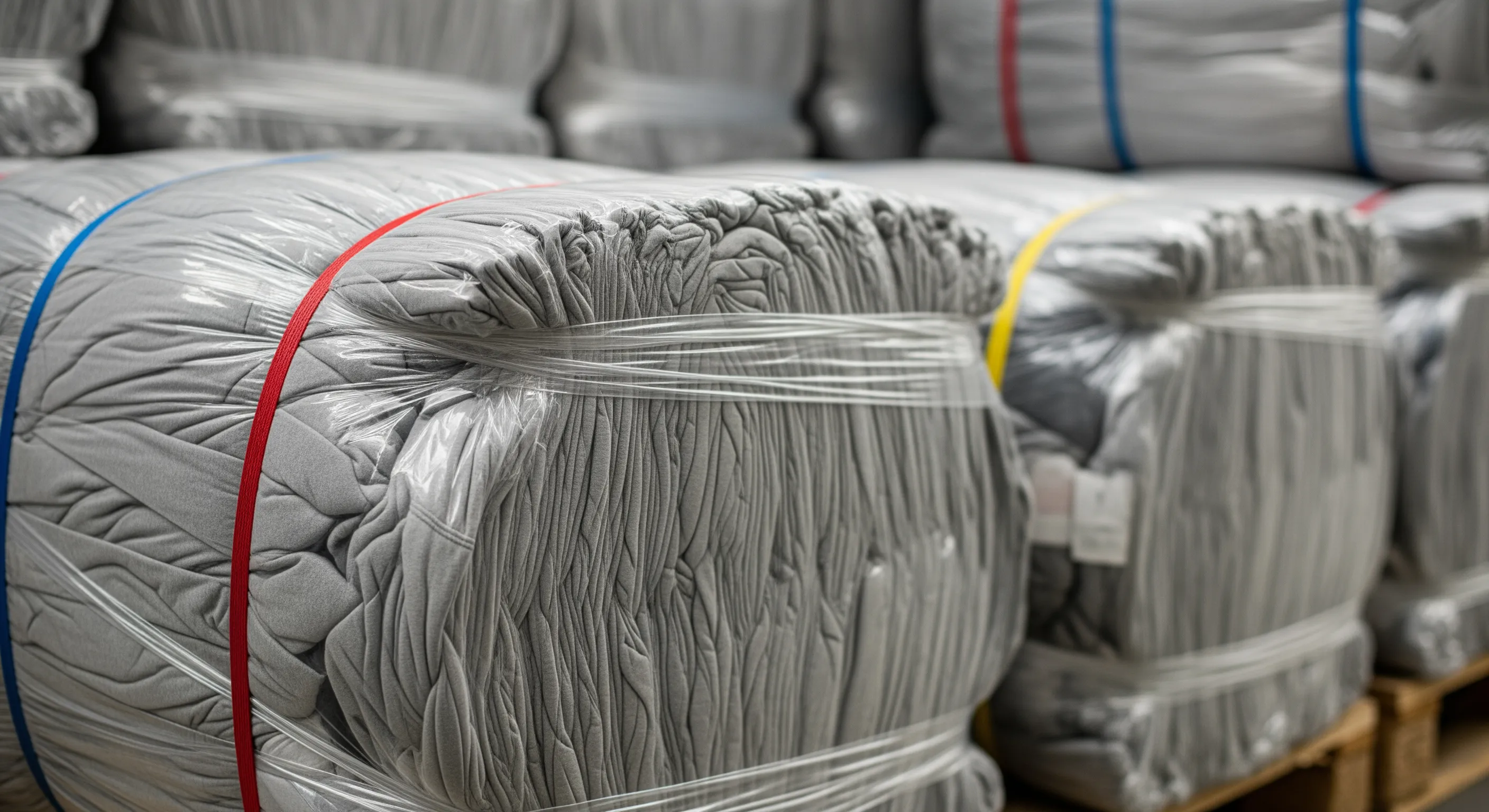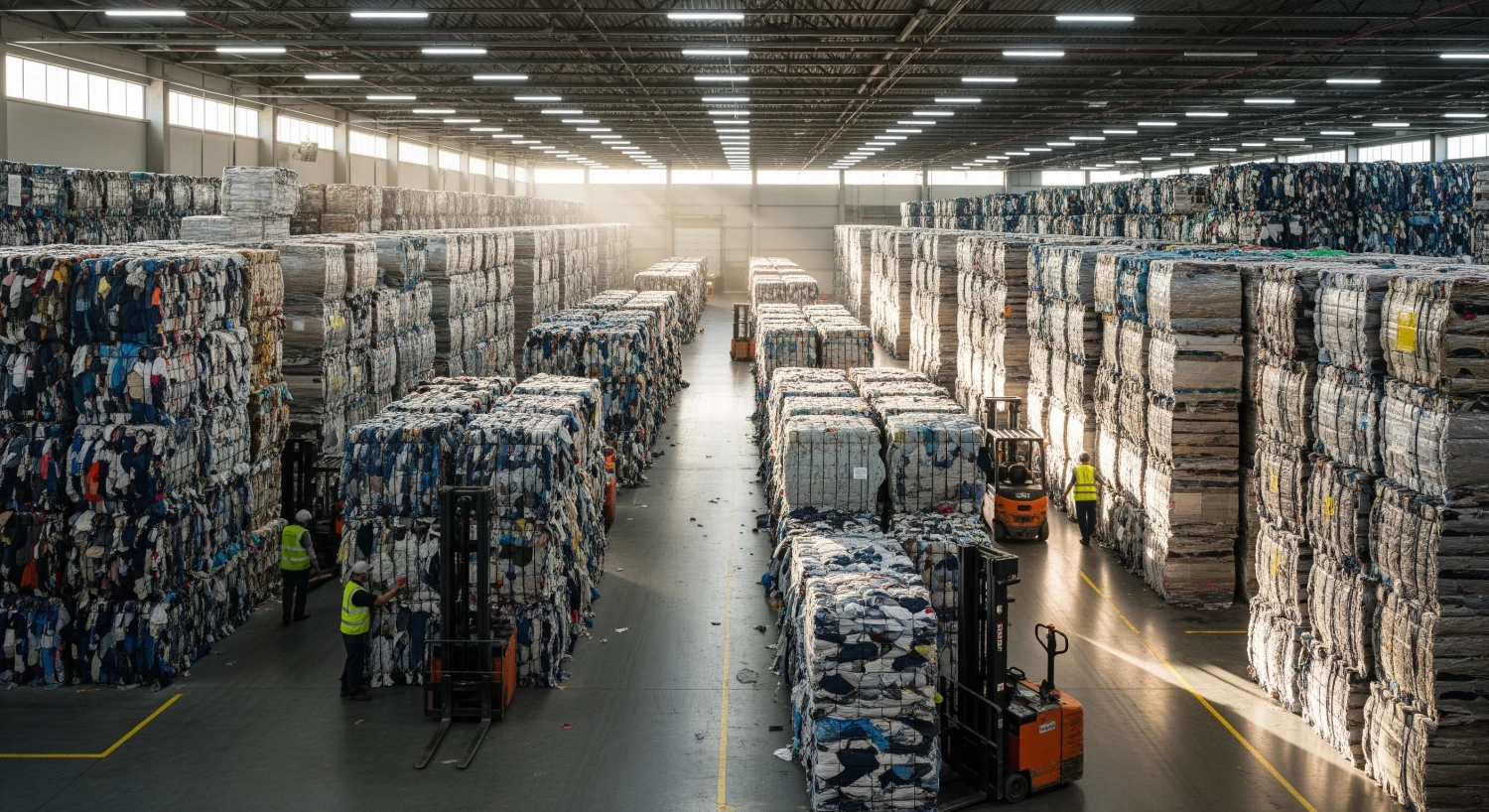
The demand for quality abbigliamento usato ingrosso has significantly risen among B2B suppliers across Europe, especially in Italy. As a logistics hub in the heart of Southern Europe, Marcianise offers a strategic advantage for wholesalers looking to import or export quality second-hand clothing in bulk. By understanding the local market and leveraging efficient logistics, trade buyers can ensure optimal sourcing strategies for their retail operations.
Table of Contents
- Key Takeaways
- Importance of Quality Second-Hand Clothing
- EU Logistics in Recycling
- Factors Affecting Pricing in Wholesale Clothing
- Sustainability in the Fashion Industry
- Tips for Selecting Reliable Suppliers
Key Takeaways
| Area | Details |
|---|---|
| Minimum Order Quantity | Usually starts at 1000 kg for bulk orders. |
| Grading Standards | Understanding grades affects pricing; verify quality before purchase. |
| Logistics | Ensure efficient shipping and customs clearance for Italy and EU. |
| Risk Management | Negotiate payment terms and verify suppliers meticulously to mitigate risks. |
Importance of Quality Second-Hand Clothing
Quality in abbigliamento usato ingrosso directly impacts branding and customer satisfaction. Wholesalers must prioritize sourcing from reputable suppliers who adhere to grading standards. According to a recent study, Italian textile districts focus on firm specialization and quality assurance practices, which can affect the overall market perception of second-hand clothing.
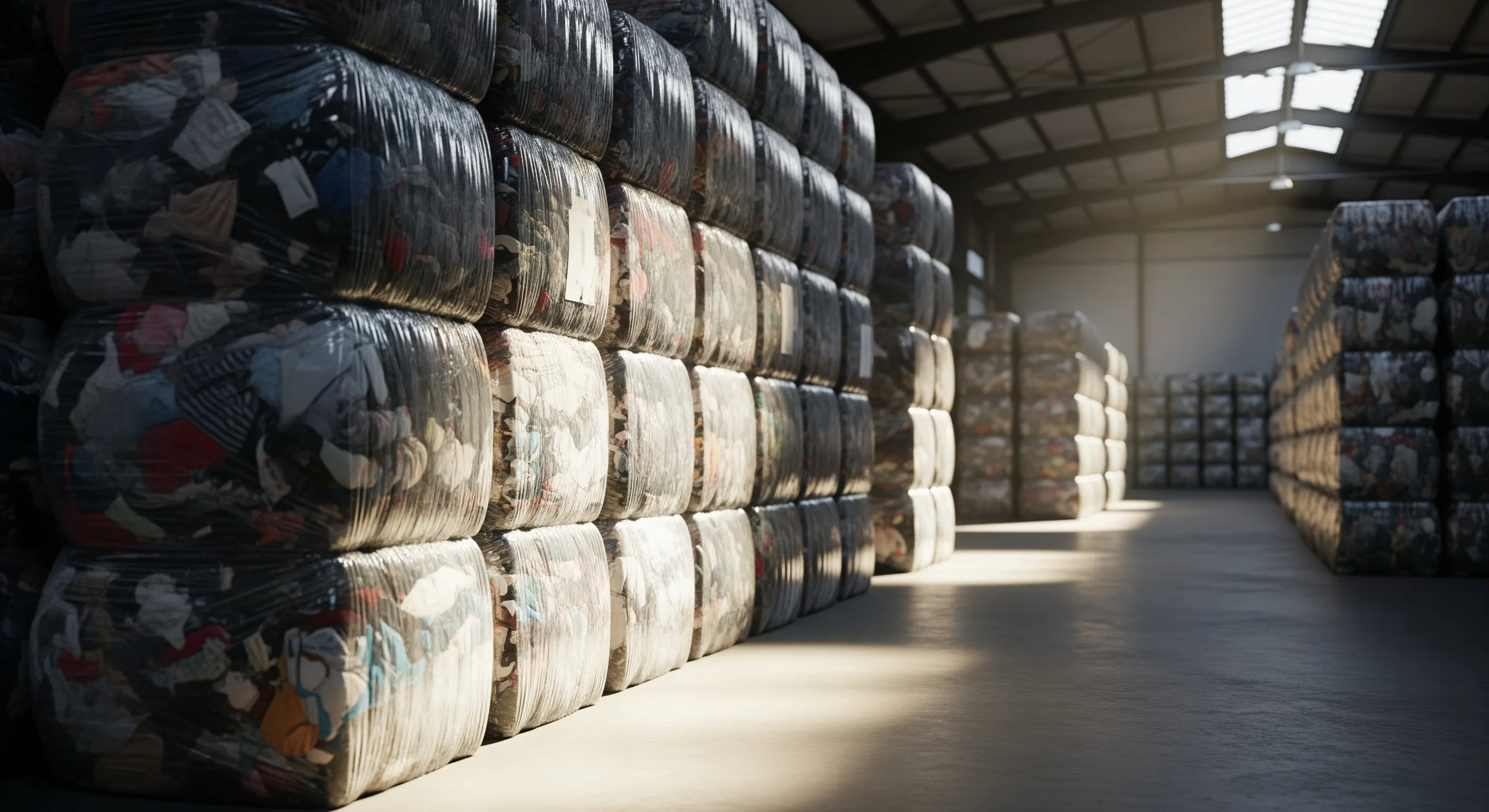
A robust grading system not only facilitates better buying decisions but also builds trust with clients. Wholesalers should seek suppliers that provide clear reports on the types of clothing, their conditions, and any defects noted.
Pro tip: Establish partnerships with suppliers who offer transparency in their grading processes for enhanced trust.
EU Logistics in Recycling
Efficient logistics play a key role in the success of bulk clothing transactions. Southeastern Italy, particularly Caserta, provides a favorable logistical hub for B2B suppliers dealing in second-hand clothing. Optimizing delivery routes and understanding EU regulations can mitigate delays and reduce costs.
Trade buyers can streamline their operations by utilizing local warehousing services and adapting to cross-border delivery expectations. This not only fosters quicker turnover but also improves supply chain efficiency, as highlighted in the European Central Bank report.
Pro tip: Leverage technology to track shipments and ensure timely deliveries to customers in multiple EU countries.
Factors Affecting Pricing in Wholesale Clothing
Pricing in abbigliamento usato ingrosso can vary widely based on quality, supplier reputation, and market demand. The European market continues to evolve, influencing pricing structures. The analysis of market trends shows that efficient sourcing can enhance profit margins for wholesalers.
Understanding cost elements, such as transportation, storage, and customs duties, is crucial. These can significantly impact end-pricing. Further, businesses must keep an eye on fashion trends to adjust inventory accordingly to meet customer demands, ensuring competitive pricing strategies.
Pro tip: Regularly review and adjust pricing strategies based on market fluctuations and consumer trends.
Sustainability in the Fashion Industry
The circular economy plays a pivotal role in the future of the fashion industry. Enhancing sustainability through the usage of second-hand clothing forms an integral part of this transition. The 100 Italian Circular Economy Stories showcases various initiatives that exemplify how businesses can contribute to a more sustainable future.
Moreover, integrating eco-friendly practices in warehousing and logistics helps minimize environmental impact. Wholesalers should advocate for sustainable practices among suppliers and consciously assess the carbon footprint of their operations.
Pro tip: Engage with suppliers who prioritize sustainability to align with growing consumer demands for eco-friendly products.
Tips for Selecting Reliable Suppliers
Choosing trustworthy suppliers is crucial in the wholesale clothing market. Due diligence includes not just verifying credentials, but also reviewing legal compliance and understanding grading policies used by potential partners.
It’s vital to establish clear communication lines with suppliers, ensuring they are responsive and transparent in their dealings. Reviewing feedback from other buyers can provide valuable insights into reliability.
Pro tip: Always visit suppliers if possible, to foster stronger relationships and verify operational practices.
Get a B2B Quote for Italian Second-Hand and Stock Clothing
For trade buyers who need consistent bulk supply, clear grading and efficient EU delivery, explore Recycling Italy at recyclingitaly.com. To request a quote or schedule a warehouse visit near Caserta, contact the team here: Contact Us.
Frequently Asked Questions
What is the minimum order quantity for abbigliamento usato ingrosso?
The minimum order quantity typically starts at 1000 kg for bulk orders.
How can I ensure the quality of second-hand clothing?
Always verify grading standards and opt for suppliers who provide detailed reports on the condition of clothing.
What are the benefits of recycling in the fashion industry?
Recycling contributes to sustainability, reduces waste, and supports a circular economy.
How do I choose reliable suppliers?
It's important to review their credentials, compliance, and feedback from other buyers. Engage directly with them whenever possible.
Recommended
- Explore The Benefits Of Second Hand Clothes Wholesale
- Second Hand Branded Clothes Wholesale A Sustainable Choice
- Discovering Second Hand Clothes Wholesale Options
- Exploring Second Hand Clothes Wholesale In The Uk