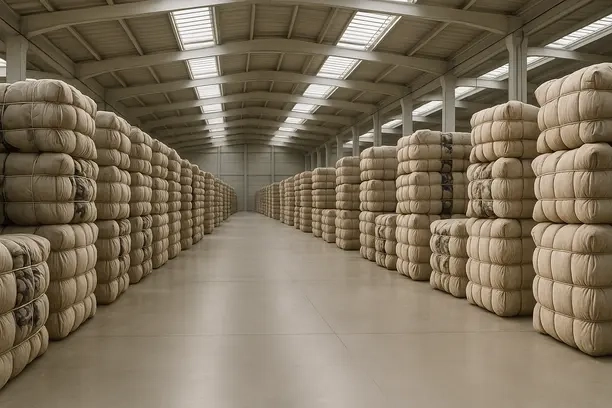
In the thriving market of second-hand shoes wholesale, Italy stands out as a pivotal supply hub. Situated in Marcianise Sud, Caserta, it offers seamless logistics across Europe, catering to B2B buyers who are looking for high-quality, bulk footwear. With the increasing demand for sustainable goods, sourcing second-hand shoes is not only a great business choice but also supports the circular economy. Buyers looking to stock their stores with reliable products can find a wealth of opportunities in Italy's wholesale sector.
Table of Contents
- Understanding the Wholesale Markets
- Key Suppliers in Italy
- Assessing Product Quality
- Logistics and Shipping
- Risk Mitigation in B2B Transactions
- Market Trends and Opportunities
Key Takeaways
| Aspect | Details |
| Minimum Order Quantity (MOQ) | Typically around 1000 kg for bulk purchases. |
| Grading and Sorting | Ensure clear grading standards are in place to avoid disputes. |
| Logistics | Utilize efficient shipping logistics to decrease costs. |
| Risk Management | Establish payment terms and compliance checks before transactions. |
Understanding the Wholesale Markets
The second-hand shoe market in Europe has rapidly evolved, with many suppliers focusing on eco-friendly practices. Italy's position allows for efficient distribution to various European countries, making it a strategic choice for B2B buyers. According to industry analysis, understanding local market dynamics is vital.
This demand for sustainable options has led to a surge in wholesale suppliers. Establishing relationships with these suppliers ensures reliable access to quality footwear, while fostering a partnership that benefits both parties in the long run.
Key Suppliers in Italy
Identifying reputable suppliers is essential for success in the wholesale shoe market. Italy boasts a variety of companies specializing in second-hand shoes, each offering unique products and services. Leveraging resources like supplier networks can aid in finding trustworthy partners.
It's important to assess each supplier based on their product quality, grading processes, and customer service standards to ensure alignment with your business needs.
Assessing Product Quality
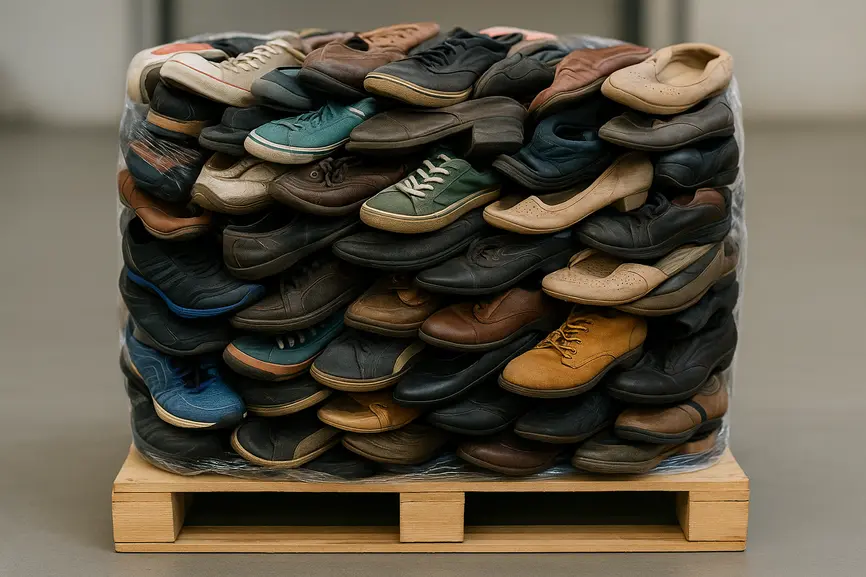
Quality control is crucial in the second-hand market. Buyers should establish criteria for assessing the condition of shoes before making purchases. Utilizing visual inspections and creating detailed grading systems can improve satisfaction and minimize returns. Partnering with suppliers that prioritize quality can enhance your offerings significantly.
This assessment process becomes even more efficient when suppliers provide transparent reports on the condition of the stock. As a best practice, investing time in warehouse visits can also enable buyers to evaluate the quality firsthand.
Logistics and Shipping
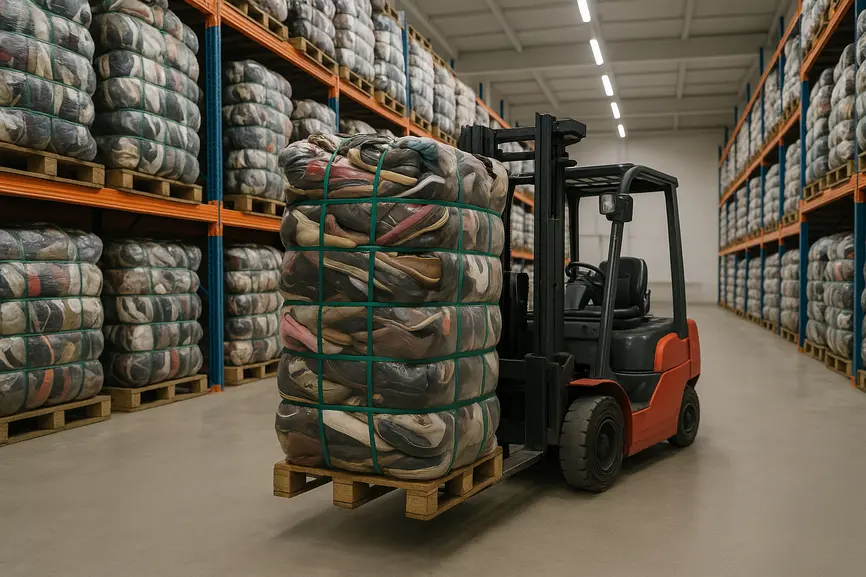
Effective logistics management can streamline operations in the second-hand shoes wholesale business. Italy's logistics capabilities, especially near the Caserta hub, allow for quick distribution to major EU markets. Understanding customs regulations and documentation requirements is essential for smooth transactions.
Partnering with experienced logistics providers can also facilitate better delivery times and lower shipping costs, directly impacting business margins.
Risk Mitigation in B2B Transactions
Every business transaction carries inherent risks, especially in B2B settings. Establishing clear payment terms and compliance verification can minimize disputes. Utilizing contracts that outline expectations can also safeguard your investment.
Understanding potential pitfalls such as grading disputes, transit damage, and documentation issues is essential for maintaining smooth operations.
| Risk | Cause | Mitigation |
| Grading Disputes | Lack of clear standards. | Establish grading protocols. |
| Transit Damage | Improper packaging. | Use high-quality packing materials. |
| Compliance Issues | Incomplete paperwork. | Thorough documentation checks. |
| Payment Delays | Ambiguous terms. | Clearly defined contract terms. |
Market Trends and Opportunities
The market for second-hand shoes is adapting to new consumer behaviors, with increasing awareness of sustainability. This trend opens up opportunities for B2B buyers to access affordable products while contributing to the circular economy.
Investigate market reports and forecasts to identify potential growth areas, ensuring your business stays competitive and aligned with emerging trends.
Get a B2B Quote for Italian Second-Hand and Stock Clothing
For trade buyers who need consistent bulk supply, clear grading and efficient EU delivery, explore Recycling Italy at recyclingitaly.com. To request a quote or schedule a warehouse visit near Caserta, contact the team here: Contact Us.
Frequently Asked Questions
What is the minimum order quantity for second-hand shoes?
The typical MOQ is around 1000 kg.
How can I assess the quality of the shoes?
Utilize a grading system and conduct visual inspections before purchase.
What logistics challenges should I be aware of?
Customs regulations and documentation are crucial for smooth transactions.
What risks should I consider when buying bulk second-hand shoes?
Grading disputes and compliance issues are key areas to monitor.