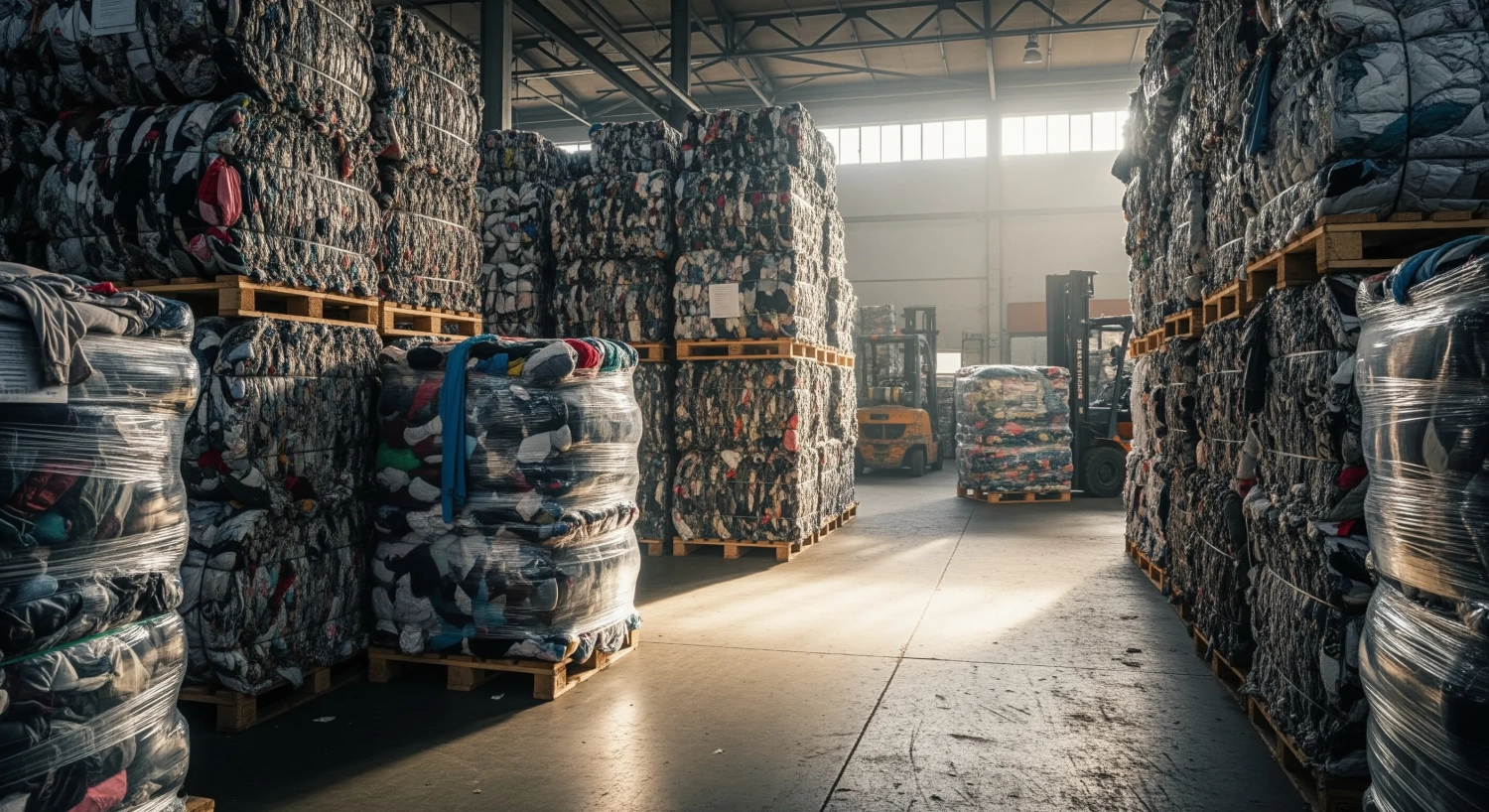
As a trade buyer in Italy or Europe, sourcing used clothing wholesale from the USA can be a strategic advantage for your business. The proximity of Marcianise Sud in Caserta, a logistics hub in Southern Europe, facilitates efficient distribution and import processes. This guide explores the best sources for wholesale second-hand clothing, essential for bulk purchasing decisions. Understanding your options can help you optimize stock levels and meet market demands effectively.
Table of Contents
- Understanding the US Market for Used Clothing
- Top Suppliers for Bulk Clothing
- Grade and Sort Options
- Logistics and Shipping Considerations
- Addressing Risks in Bulk Purchases
- Regulatory Aspects of Importing
Key Takeaways
| Focus Area | Insights |
|---|---|
| Minimum Order Quantity (MOQ) | Typical MOQ for trade orders is around 1000 kg. |
| Grading Standards | Invest in reliable grading systems to ensure quality. |
| Logistics | Partner with efficient logistics providers to ensure timely deliveries across Europe. |
| Risk Management | Implement clear payment terms for better cash flow management. |
Understanding the US Market for Used Clothing
The used clothing market in the USA has been growing significantly, driven by increasing consumer interest in sustainable fashion. Many suppliers are available to service international markets, highlighting the importance of choosing the right partner for bulk purchases. Understanding the variety of offerings facilitates strategic decision-making when selecting used clothing for your retail operations.
Market studies indicate a robust supply chain for wholesale second-hand clothing, which allows for competitive pricing. Establishing connections with reliable sources can lead to long-term partnerships, enhancing your ability to cater to diverse consumer preferences.
Pro tip: Attend trade shows and industry events in the USA to network with potential suppliers and gain insights into emerging trends.
Top Suppliers for Bulk Clothing
When seeking suppliers for used clothing, consider both established brands and smaller businesses. Prominent suppliers often provide comprehensive logistics support, ensuring the smooth transport of goods. Each supplier varies in their grading systems, which is integral to understanding what you are purchasing.
Researching potential partners can streamline your purchasing process. Look for suppliers with positive reviews and proven histories in international shipping. By focusing on reputable suppliers, you minimize risks associated with quality and compliance.
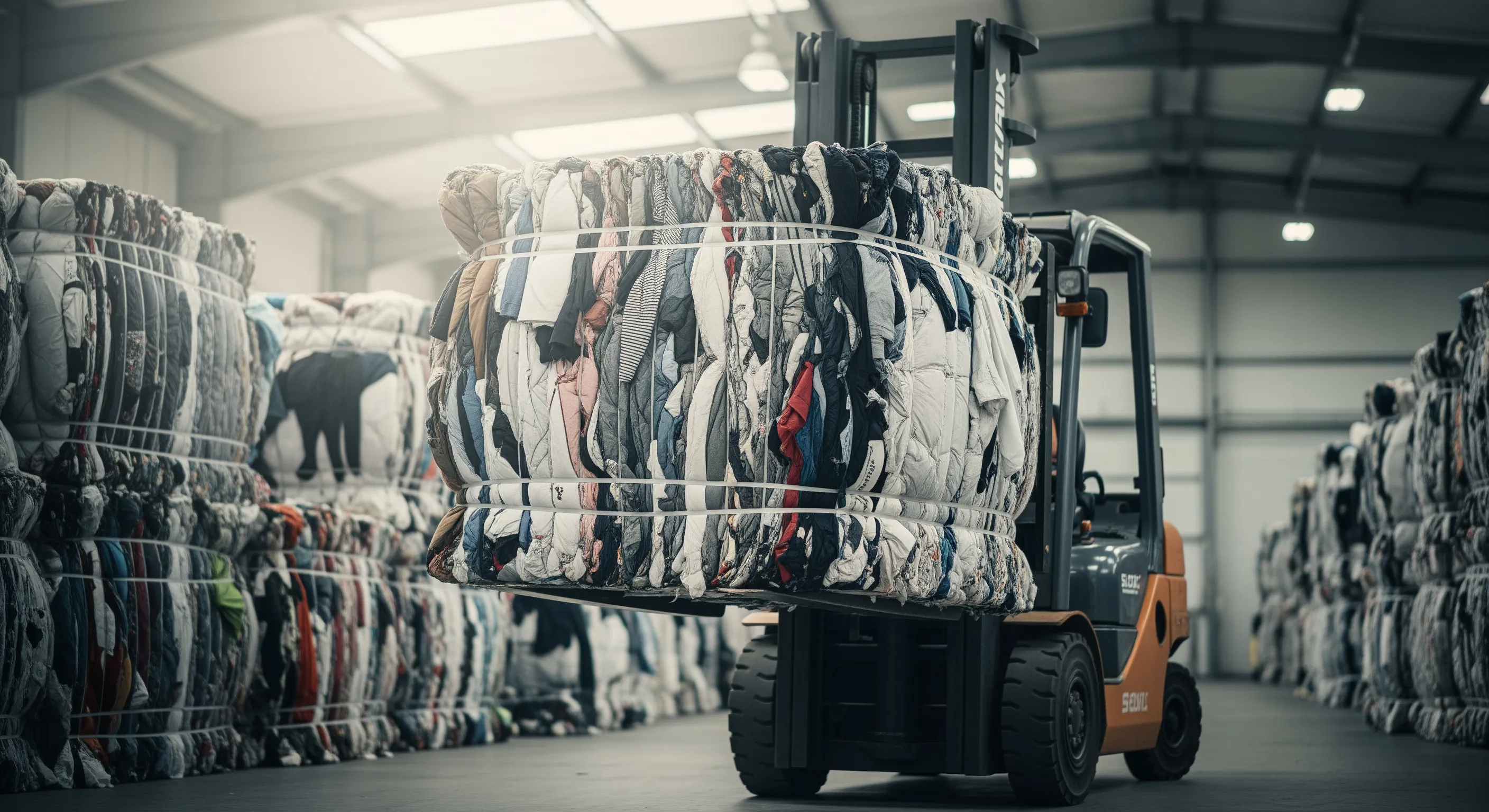
Pro tip: Verify supplier certifications and conduct due diligence to build trust and reliability.
Grade and Sort Options
Grading and sorting are critical processes in the wholesale second-hand clothing market. Suppliers often categorize clothing into different grades, impacting pricing and customer perception. Understanding these grades can help you make informed purchasing decisions.
The common grading system includes items like A-grade for high-quality apparel and B-grade for slightly damaged items. Bulk purchasers should be aware of these distinctions to mitigate potential losses due to quality issues.
Pro tip: Collaborate with suppliers who offer flexible grading options to better align with your market demands.
Logistics and Shipping Considerations
Logistics play a crucial role in the second-hand clothing wholesale business. Efficient delivery systems and accurate tracking mechanisms are essential for ensuring customer satisfaction. The geographical location of suppliers in the USA impacts shipping times and costs, so it's advisable to evaluate these factors when selecting a partner.
Customs clearance is another important aspect. Ensuring proper documentation facilitates smoother transactions and helps avoid potential delays. Buyers must stay updated on regulations that can affect shipping routes and customs fees.
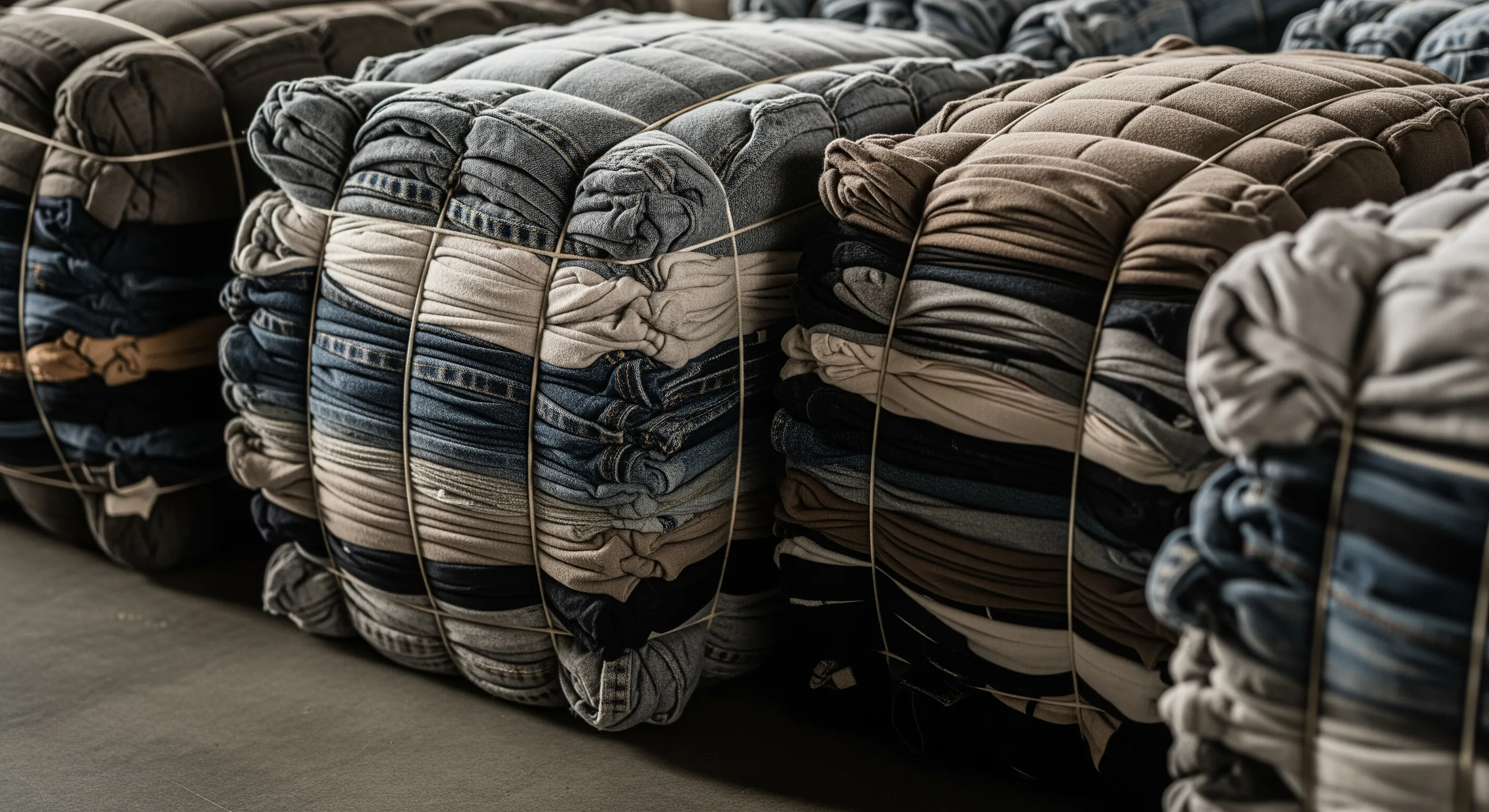
Pro tip: Establish clear communication with your logistics partner to track shipments effectively and prevent misunderstandings.
Addressing Risks in Bulk Purchases
When engaging in bulk clothing purchases, several risks may arise, including disputes over grading, shipping damage, and payment misunderstandings. It's vital to establish clear terms before finalizing agreements. Documentation should be thorough to avoid conflicts later.
Real-time tracking of shipments can mitigate transit damage risks, ensuring that any issues are identified and resolved promptly. Moreover, ensure you have a detailed compliance strategy to adhere to trade regulations when importing goods.
| Risk | Cause | Mitigation |
|---|---|---|
| Grading Disputes | Lack of standardization in grading systems | Agree on grading criteria pre-purchase |
| Transit Damage | Poor packaging or handling | Collaborate with reliable logistics partners |
| Compliance Issues | Regulatory changes | Stay informed on import regulations |
| Payment Terms | Misunderstandings on payment schedules | Document all payment terms clearly |
Pro tip: Regularly audit your supply chain to identify and address emerging risks.
Regulatory Aspects of Importing
Importing used clothing into Europe requires compliance with various regulations concerning quality and safety standards. Understanding the legal landscape aids in ensuring smooth operations. Ensure that you are aware of any applicable tariffs or fees that can influence your overall costs.
Documentation, such as certificates of conformity and import licenses, should be meticulously prepared to bypass delays at customs. Buyers who navigate these requirements efficiently will find smoother import experiences.
Pro tip: Consult legal experts in trade regulations to stay compliant and minimize risks.
Get a B2B Quote for Italian Second-Hand and Stock Clothing
For trade buyers who need consistent bulk supply, clear grading and efficient EU delivery, explore Recycling Italy at recyclingitaly.com. To request a quote or schedule a warehouse visit near Caserta, contact the team here: Contact Us.
Frequently Asked Questions
How can I ensure quality in bulk purchases?
Partner with reputable suppliers who have a proven track record and suitable grading systems in place.
What are the shipping costs associated with importing used clothing?
Shipping costs vary based on suppliers' locations, shipment sizes, and logistics partners. Always request detailed shipping quotes.
Are there specific regulations for importing second-hand clothing?
Yes, stay informed of the EU regulations regarding safety and quality standards for imported goods.
How can I mitigate risks in my supply chain?
Implement clear contracts and maintain open communication with your suppliers to handle potential issues promptly.