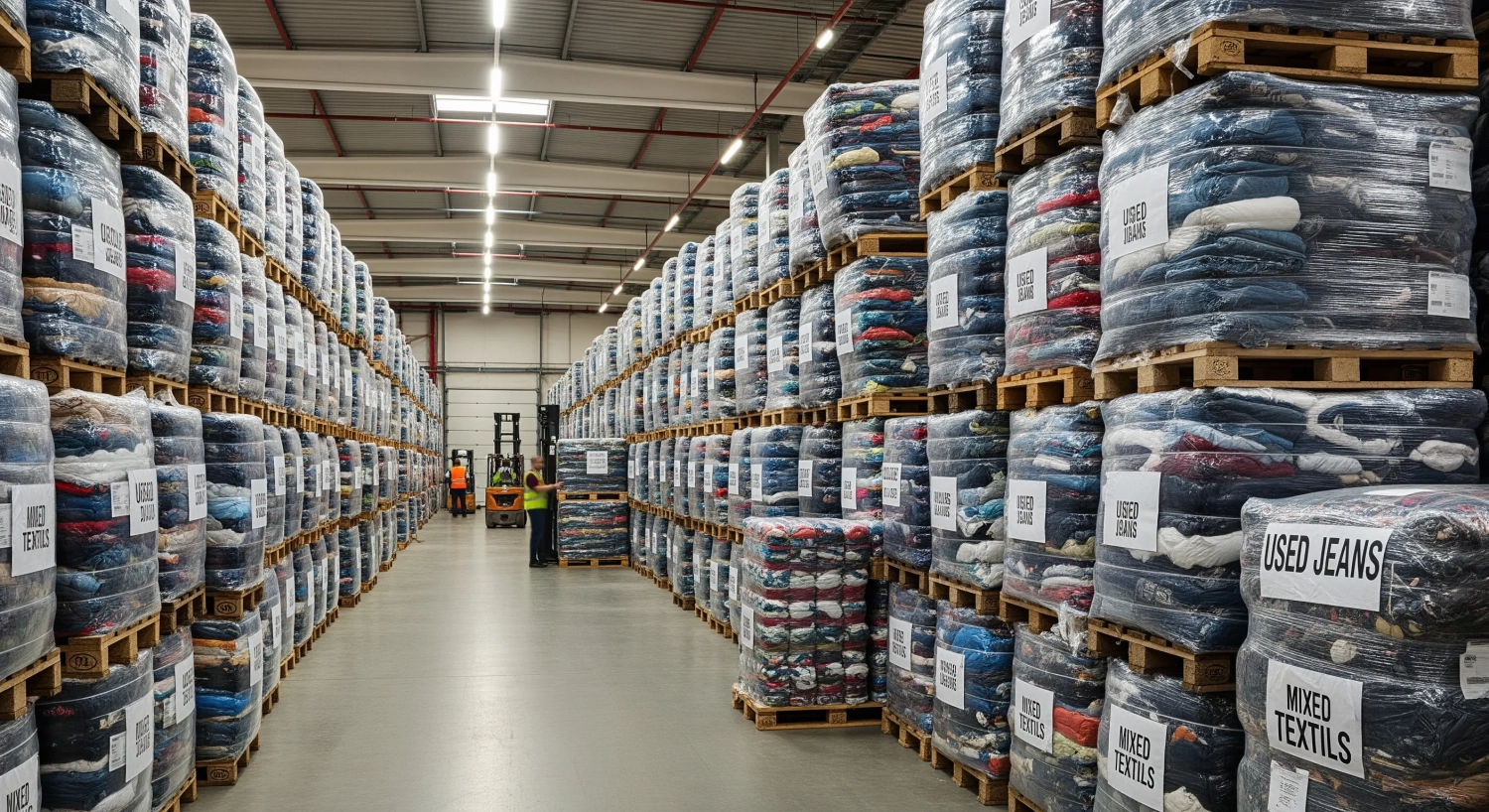
In the heart of Southern Italy, specifically Marcianise Sud, Caserta, lies a thriving hub for wholesale second-hand clothing. As a key logistics center in Europe, it facilitates efficient bulk trades across various markets. By connecting with reputable suppliers in Italy, businesses can access high-quality stock clothing that meets market demands. Understanding the landscape of wholesale second-hand clothing is crucial for trade buyers looking to leverage sustainable practices while maximizing their profits.
Table of Contents
- Understanding the Second Hand Market in Europe
- Top Countries for Sourcing Second Hand Clothing
- The Significance of Grading in Second Hand Clothing
- Evaluating Suppliers for Wholesale Clothing
- Logistics and Supply Chain Readiness
- Benefits of Connecting with Italian Suppliers
Key Takeaways
| Aspect | Details |
|---|---|
| MOQ (Minimum Order Quantity) | Typically around 1000 kg for bulk trades. |
| Grading Standards | Adhering to strict grading ensures quality assurance. |
| Logistics | Efficient EU shipping is essential for timely deliveries. |
| Risk Control | Regular warehouse visits help mitigate risks and ensure compliance. |
Understanding the Second Hand Market in Europe
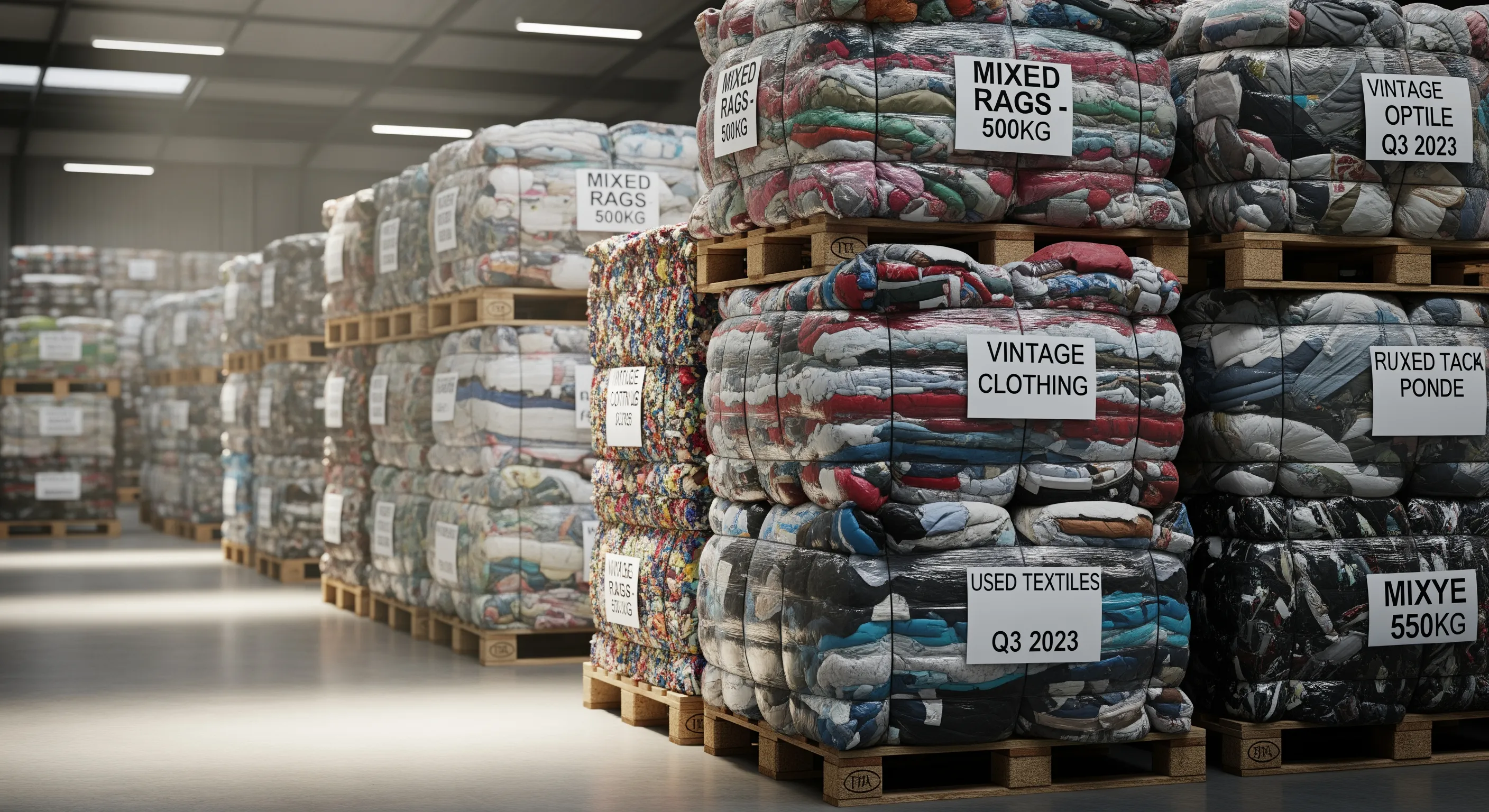
The second-hand clothing market in Europe is rapidly growing, driven by increasing consumer awareness of sustainability and environmental impact. Trade buyers interested in wholesale second hand clothing in Europe can find a wealth of opportunities here. Key players in this market focus on responsible sourcing practices and product lifecycle management.
According to an industry report, Europe has established itself as a significant player in the global second hand clothing sector. This growth is attributed to the evolving consumer preferences that favor circular economy principles. Businesses looking to capitalize on this trend need to consider the importance of quality and sustainability in their sourcing strategies.
Pro tip: Understanding local regulations and cultural factors can enhance business outcomes when sourcing second hand clothing.
Top Countries for Sourcing Second Hand Clothing
When sourcing second hand clothing, certain European countries stand out due to their established supply chains and quality control practices. Germany, France, and the Netherlands are particularly notable for their robust markets in used clothing.
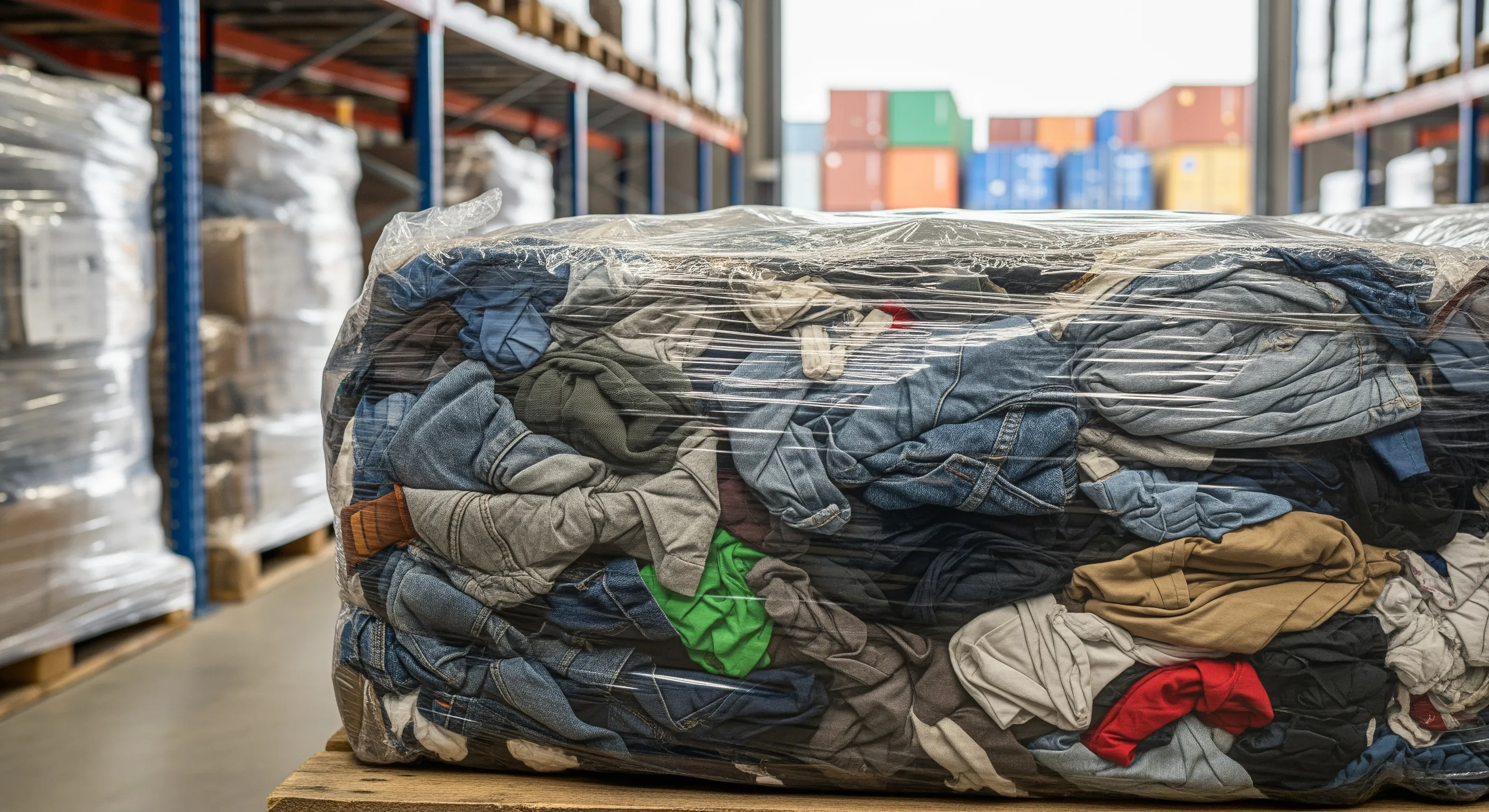
Many suppliers in these regions comply with EU standards, ensuring that products meet quality expectations. As reported by the European Commission, the demand for used clothing is rising, and sourcing from these countries can yield high-quality stock at competitive prices.
Pro tip: Always verify the supply chain details and certifications when selecting suppliers for used clothing.
The Significance of Grading in Second Hand Clothing
Grading is a crucial aspect of the second hand clothing business. It involves categorizing clothes based on their quality and wear, thus influencing pricing and demand significantly. Effective grading systems help maintain product integrity and ensure customer satisfaction, making it easier for businesses to manage inventory efficiently.
Different grades can appeal to various market segments, from high-end boutiques to budget retailers. Understanding grading standards allows trade buyers to make informed decisions. Industry insights show that companies using rigorous grading methods frequently report higher profits.
Pro tip: Familiarize yourself with grading terminology to better communicate with suppliers and understand product offerings.
Evaluating Suppliers for Wholesale Clothing
Choosing the right supplier can make or break a business in the wholesale second hand clothing market. Factors such as reliability, quality assurance, and customer service play crucial roles in the evaluation process.
Since the bulk supply can vary, it’s imperative to conduct thorough background checks and request samples. Reports indicate that buyers who invest time in supplier assessment often experience smoother transactions, according to industry analyses.
Pro tip: Establish clear communication channels with suppliers to facilitate efficient transactions.
Logistics and Supply Chain Readiness
Effective logistics is essential when dealing with wholesale second hand clothing. European trade buyers must consider shipping options, customs regulations, and warehousing solutions. A well-organized logistics plan ensures timely delivery and helps avoid unexpected costs.
As reported in an EU Logistics report, establishing partnerships with reliable logistics providers is beneficial. Ensuring that your supply chain is resilient and adaptable is crucial for navigating market fluctuations.
Pro tip: Maintain flexibility in your logistics strategies to adapt to changing market needs.
Benefits of Connecting with Italian Suppliers
Italy is renowned for its fashion culture, and this extends into the wholesale second hand clothing market. By collaborating with Italian suppliers, businesses gain access to unique and stylish secondhand apparel.
Moreover, Italian suppliers often emphasize quality and durability, making their offerings highly desirable. Engaging with local suppliers not only streamlines the sourcing process but can also enhance brand perception in the market.
Pro tip: Building long-term relationships with suppliers can lead to better pricing and service stability.
Get a B2B Quote for Italian Second-Hand and Stock Clothing
For trade buyers who need consistent bulk supply, clear grading and efficient EU delivery, explore Recycling Italy at recyclingitaly.com. To request a quote or schedule a warehouse visit near Caserta, contact the team here: Contact Us.
Frequently Asked Questions
What are the benefits of buying second-hand clothing in bulk?
Buying second-hand clothing in bulk is cost-effective and sustainable. It allows businesses to offer diverse products while reducing environmental impact.
How do I find reliable second-hand clothing suppliers?
Conduct thorough research, ask for references, and evaluate suppliers based on their grading and customer service.
What is the typical MOQ for second-hand clothing?
The minimum order quantity typically starts at around 1000 kg.
Why is grading important in the second-hand clothing market?
Grading ensures quality assurance and customer satisfaction, enabling better inventory management and pricing strategies.