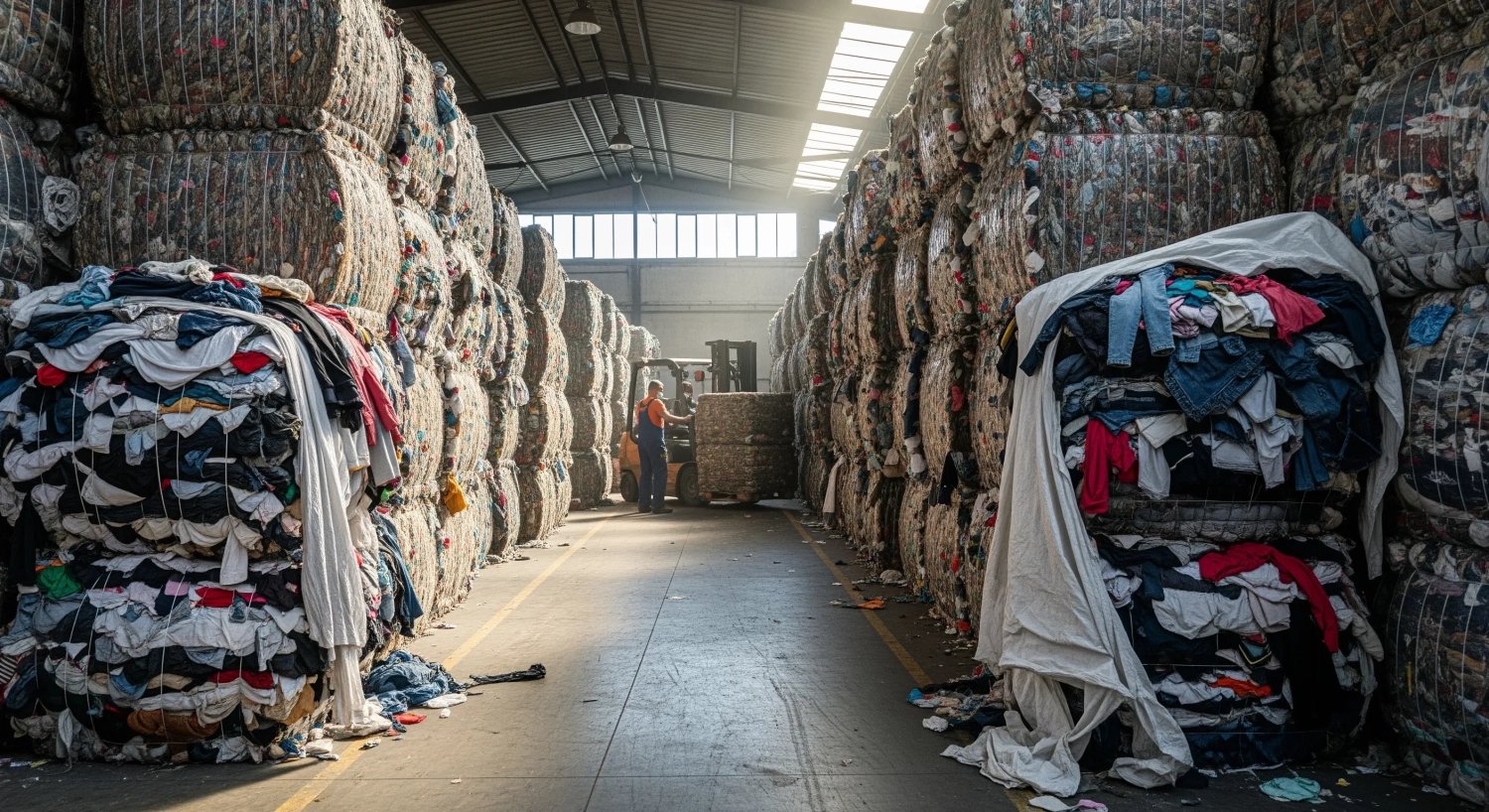
Looking for wholesale used clothing near me? As a B2B buyer in Italy, you have access to quality bulk second-hand clothing sourced from the heart of Europe. Located in Caserta, Recycling Italy facilitates seamless logistics, ensuring quick distribution across the EU. With minimum order quantities tailored to trade buyers, we help you meet your needs for sustainable and affordable apparel.
Table of Contents
- Understanding the Used Clothing Market
- B2B Supply Chain in Italy
- The Importance of Grading
- Sustainability and the Circular Economy
- Risk Mitigation in Wholesale Trade
- Conclusion
Key Takeaways
| Focus Area | Details |
|---|---|
| Minimum Order Quantity (MOQ) | Typically starts from 1000 kg for bulk orders. |
| Grading Practices | Strict grading processes ensure quality and selection. |
| Logistics | Efficient transportation networks from Caserta to across Europe. |
| Risk Control | Clear payment terms and documentation processes protect buyers. |
Understanding the Used Clothing Market
The second-hand clothing industry is a significant player in the global market, with Italy being a key hub for sourcing and distributing used garments. Recent analyses suggest that international second-hand clothing trade patterns not only support local businesses but also contribute to sustainable practices.
Trade buyers in Europe are increasingly interested in identifying reliable suppliers who can provide bulk second-hand clothing. This growing demand can be attributed to the enhanced awareness of sustainability, which encourages businesses to choose recycled materials over new fabrics.
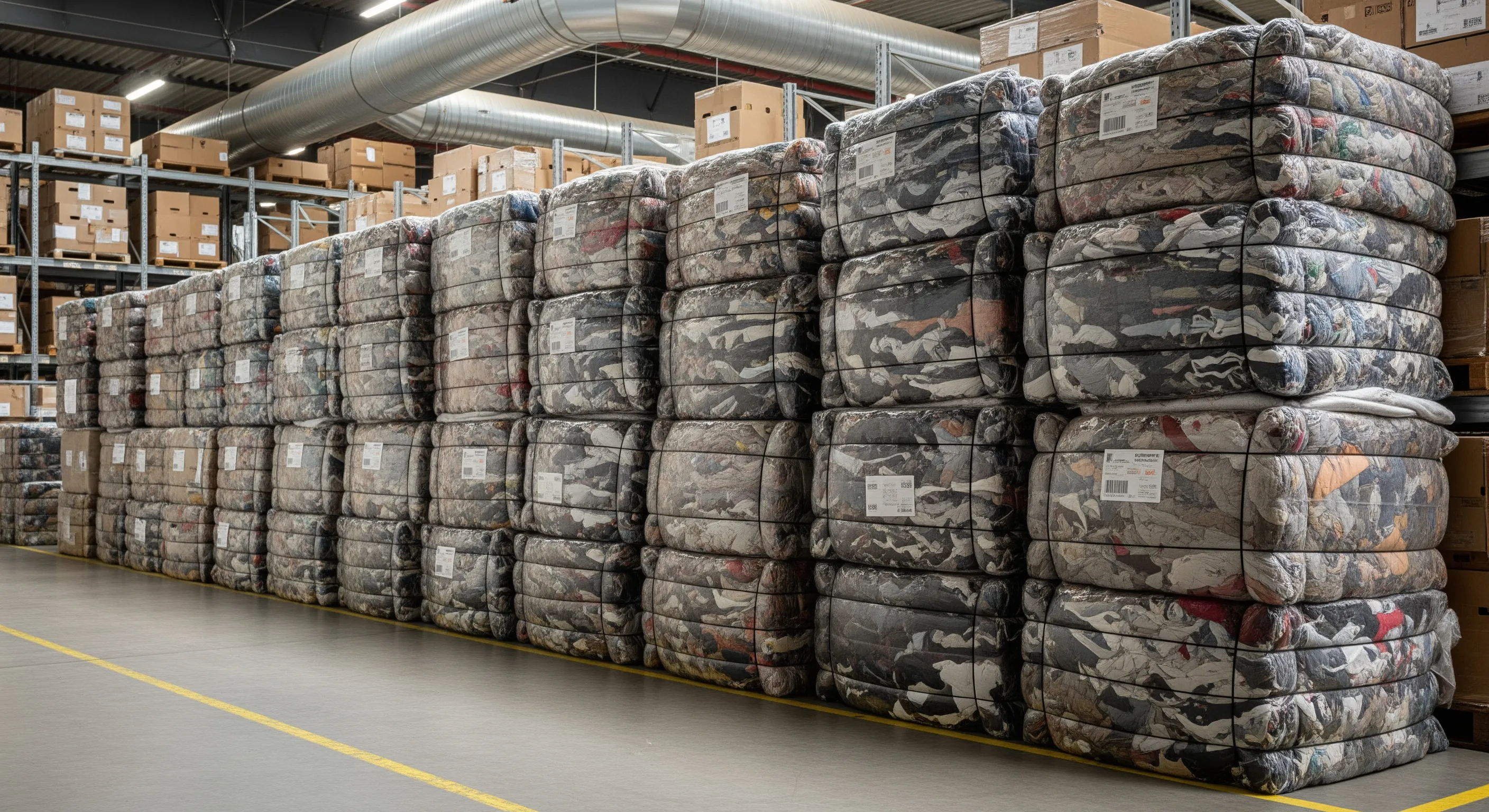
Pro tip: Establish a relationship with suppliers for better prices and consistent quality in your orders.
B2B Supply Chain in Italy
Italy's strategic location in Southern Europe gives it an edge in logistics, facilitating quick and efficient transit times across EU borders. Italy's B2B wholesale clothing sector thrives on streamlined processes and solid networks, allowing for effective management of large volumes.
By leveraging Italy’s extensive logistics framework, trade buyers can anticipate lower shipping costs and faster delivery times, crucial for maintaining inventory levels and meeting market demands.
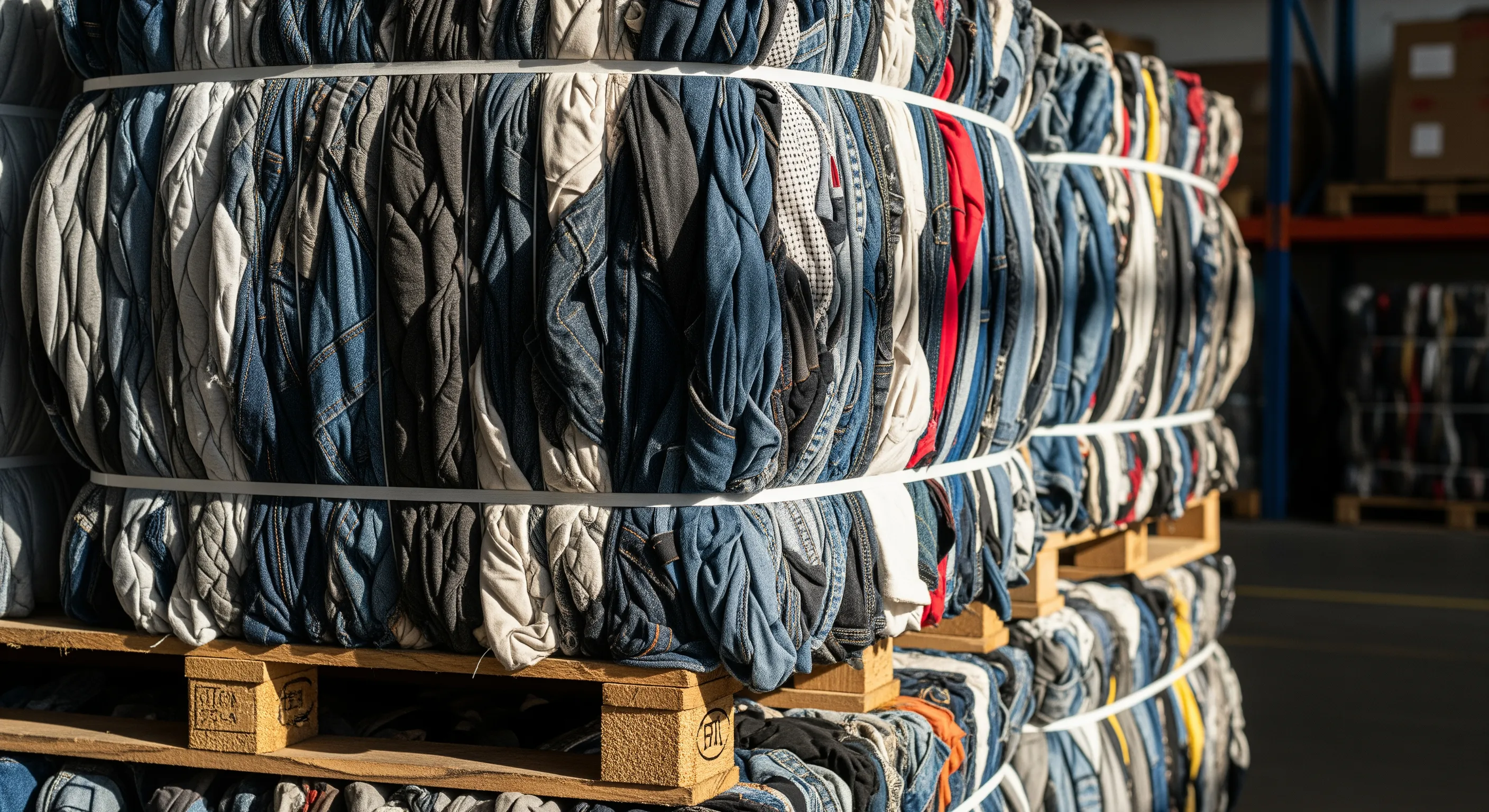
Pro tip: Assess the reliability of logistics partners to reduce shipping delays and ensure product availability.
The Importance of Grading
Grading is a critical process in the second-hand clothing sector, ensuring that wholesalers and retailers receive items that meet their specific quality standards. Minimal defects can mean the difference between a profitable sale and inventory losses.
Refined grading practices enable wholesale clothing suppliers in Italy to offer a diverse range of products, catering to different customer segments. The right grading systems not only increase customer satisfaction but also foster trust in the B2B transaction.
Recent reports suggest that effective grading processes are paramount to maintaining sustainability practices by minimizing waste.
Pro tip: Regularly communicate with your suppliers about their grading standards to ensure alignment with your quality expectations.
Sustainability and the Circular Economy
The circular economy plays a vital role in how the used clothing market operates. Businesses committed to sustainability recognize the importance of reusing materials to minimize environmental impact.
According to studies, less than half of used clothes are collected for reuse or recycling. Thus, promoting a circular economy can significantly enhance the percentage of clothing reintroduced into the market. This creates both opportunity and responsibility for B2B buyers to contribute to a more sustainable future.
Sustainability measures in the textile sector indicate a pressing need for effective policies to increase reuse rates and improve recycling processes.
Pro tip: Champion sustainable practices in your purchasing decisions to build a positive brand image.
Risk Mitigation in Wholesale Trade
Managing risks in the wholesale clothing sector is essential for success. Key challenges include grading disputes, transit damages, and compliance with documentation requirements.
| Risk | Cause | Mitigation |
|---|---|---|
| Grading Disputes | Inconsistent quality assessments | Standardized grading protocols |
| Transit Damage | Poor handling during transport | Choose experienced logistics partners |
| Compliance/Docs | Complex import/export regulations | Stay updated with legal requirements |
| Payment Terms | Lack of clarity in transactions | Define clear payment agreements |
Pro tip: Regular audits of suppliers and logistics can significantly reduce risks involved in wholesale transactions.
Conclusion
Identifying reliable sources for wholesale used clothing in Italy is essential for B2B buyers looking to expand their offerings. Understanding the supply chain, the importance of grading, and sustainable practices allows for better decision-making and improved business outcomes.
To explore the benefits of a consistent supply of quality used clothing, visit Recycling Italy for more information.
Get a B2B Quote for Italian Second-Hand and Stock Clothing
For trade buyers who need consistent bulk supply, clear grading and efficient EU delivery, explore Recycling Italy at recyclingitaly.com. To request a quote or schedule a warehouse visit near Caserta, contact the team here: Contact Us.
Frequently Asked Questions
What is the minimum order quantity for wholesale used clothing?
The typical minimum order quantity is around 1000 kg for bulk orders.
How do I ensure the quality of second-hand clothing?
Establish clear grading standards with your suppliers to ensure the quality meets your requirements.
Why is sustainability important in the clothing industry?
Sustainability reduces environmental impact and promotes responsible consumption through practices like recycling and reusing clothing.
Where can I find reliable suppliers for used clothing?
In Italy, wholesalers like Recycling Italy offer a robust supply of quality second-hand clothing for B2B buyers.