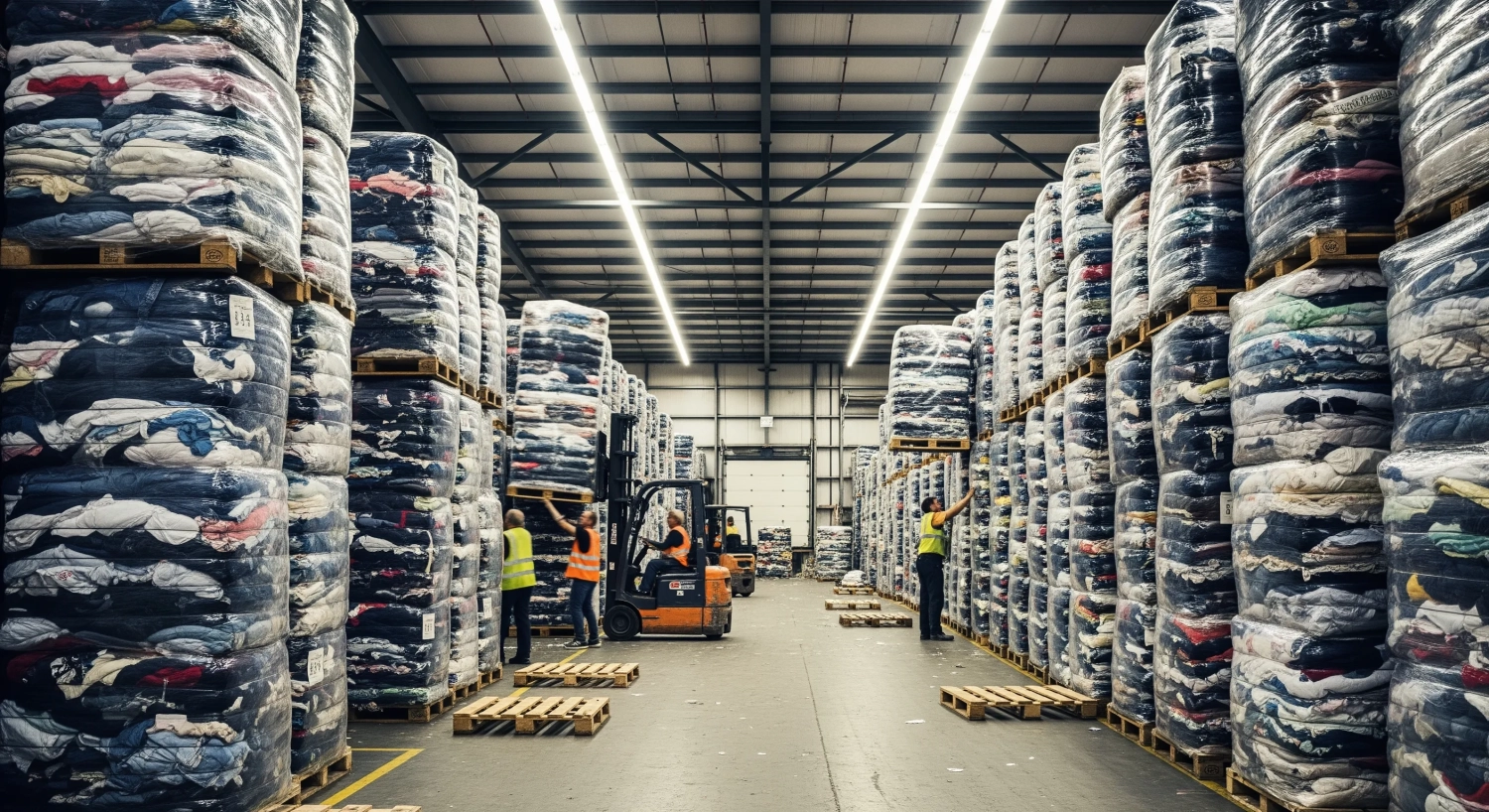
As a B2B buyer in Italy and broader Europe, sourcing quality second-hand clothing at competitive prices is essential for maintaining your retail operations. With the Southern European logistics hub located in Marcianise Sud, Caserta, businesses can efficiently access bulk supplies from trusted wholesalers. Our focus is on providing trade buyers with quality second-hand apparel offerings tailored to meet their specific needs. Here, we explore valuable insights into second-hand clothes wholesale options, ideal for businesses looking to expand their offerings and enhance sustainability.
Table of Contents
- The Benefits of Second-Hand Clothing Wholesale
- Understanding Bulk Clothing Sourcing
- The Relevance of Grading and Sorting
- Sustainability and the Circular Economy
- Risk Mitigation in Bulk Clothing Trade
- Key Players and Reliable Suppliers
Key Takeaways
| Key Aspect | Consideration |
|---|---|
| MOQ | Typically starts at 1000 kg for trade orders. |
| Grading | Essential for quality control and determining resale value. |
| Logistics | Effective cross-border delivery requires preparation for customs documentation. |
| Risk Control | Establish agreements on payment terms and dispute resolution. |
The Benefits of Second-Hand Clothing Wholesale
Engaging in second-hand clothing wholesale provides numerous advantages for businesses across Europe. These include the ability to reduce inventory costs while acquiring a diverse range of styles that cater to various consumer preferences. Moreover, sourcing used apparel significantly enhances sustainability in your supply chain, making it an appealing choice for environmentally-conscious consumers.
According to recent industry reports, the demand for second-hand clothing continues to rise, driven by both cost considerations and a shift in consumer behavior toward sustainable options. This trend indicates a robust market for B2B clothing suppliers willing to tap into the potential of used garments.
Understanding Bulk Clothing Sourcing
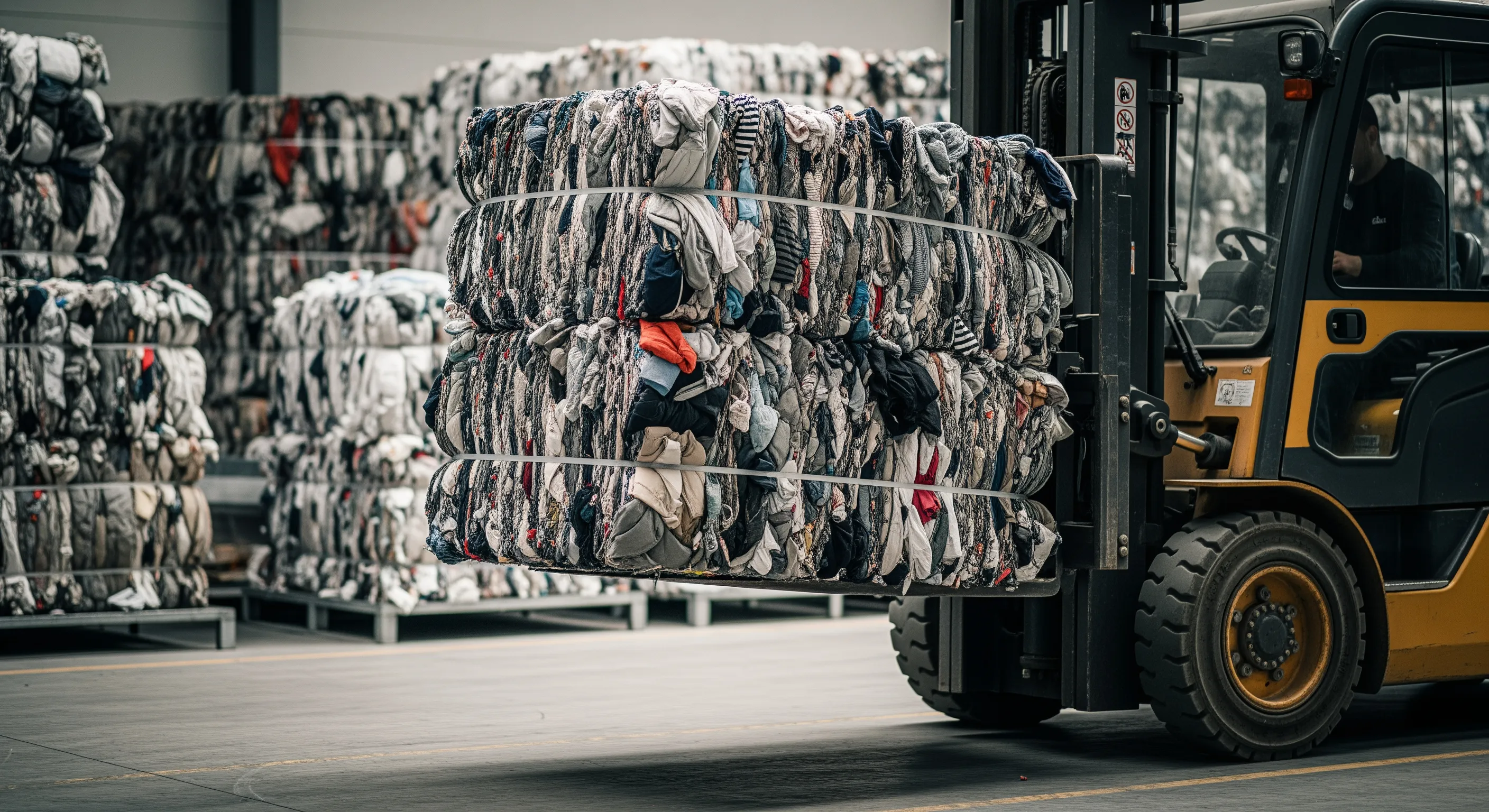
For B2B buyers, comprehending the dynamics of bulk clothing sourcing is key to successful procurement. Usually, suppliers offer clothing in varied grades, allowing businesses to select lots that align with their target customers' needs. It's crucial to foster relationships with suppliers who prioritize quality assurance during sorting and grading processes.
By understanding the criteria and processes involved, buyers can better navigate the supply chain for bulk used clothing. For example, suppliers with established logistics protocols can provide timely and compliant delivery, minimizing disruptions in inventory.
The Relevance of Grading and Sorting
Grading and sorting play a pivotal role in the wholesale second-hand clothing market. Effective grading allows wholesalers to classify garments according to condition, style, and brand, ensuring buyers know what to expect when they place an order. This categorization can significantly impact consumer satisfaction and sales volumes.
Moreover, proper sorting helps reduce waste by ensuring that only high-quality goods reach the consumer. This practice not only supports profitability but also aligns with sustainability initiatives.
Pro tip: Ensure to request sample batches when starting a relationship with new suppliers to verify quality standards before placing larger orders.
Sustainability and the Circular Economy
Sourcing second-hand clothing is not only a measure for cost-effectiveness but also an essential aspect of the circular economy. By choosing to purchase used garments, businesses contribute to waste reduction while supporting sustainable practices. This shift toward recycling is crucial for meeting regulatory standards and environmental commitments.
Many European countries have set ambitious targets for waste reduction, leading to increased regulation around sourcing and selling used clothing. Familiarizing yourself with these guidelines will equip you with the knowledge necessary to remain compliant while enhancing your business model.
Risk Mitigation in Bulk Clothing Trade
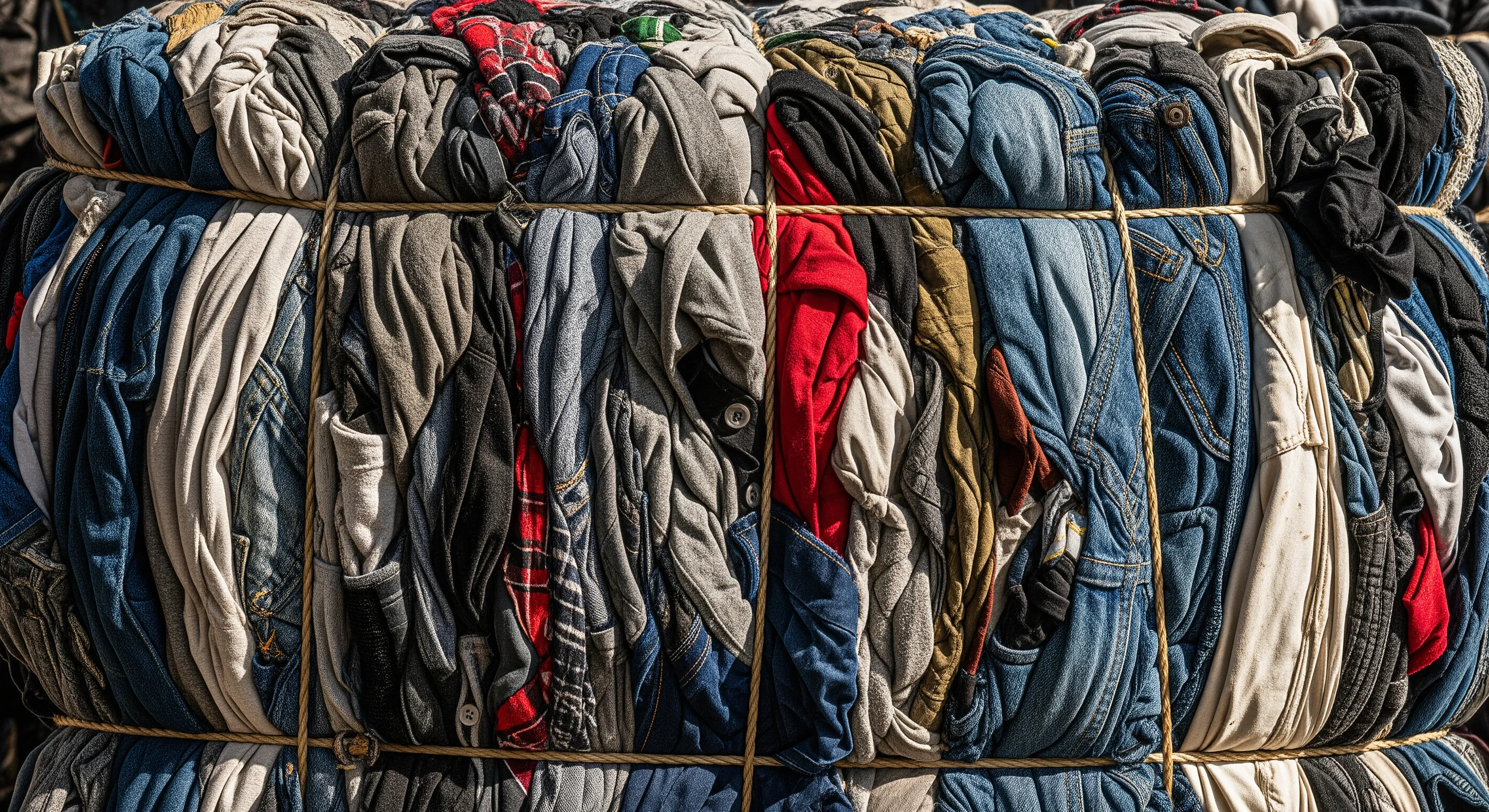
In the world of bulk clothing trade, risk management is crucial. Understanding common risks such as grading disputes, transit damage, and compliance is vital for B2B buyers. Establishing clear agreements with suppliers can mitigate these risks effectively.
For example, implementing stricter quality checks and defining payment terms can significantly reduce issues arising from discrepancies in orders. Further, having a robust logistics plan aids in smooth transit and delivery.
| Practical Risk | Cause | Mitigation |
|---|---|---|
| Grading disputes | Inconsistent quality checks | Establish clear grading guidelines |
| Transit damage | Poor packaging and handling | Utilize reliable logistics partners |
| Compliance/docs | Lack of readiness on regulations | Stay updated with local laws |
| Payment terms | Undefined agreements | Formalize payment schedules |
Key Players and Reliable Suppliers
Identifying reputable suppliers is vital for success in the second-hand clothing wholesale market. Look for suppliers with a solid track record and strong networks within the EU supply chain to ensure efficient logistics and timely deliveries. Building a relationship with such suppliers can lead to improved pricing and exclusive access to premium stock.
Part of your vetting process should include visiting warehouses, checking their sorting procedures, and understanding their logistics capabilities. Doing so will instill confidence in your supply chain operations.
Pro tip: Always prioritize suppliers that offer transparent communication and thorough documentation regarding their products.
Get a B2B Quote for Italian Second-Hand and Stock Clothing
For trade buyers who need consistent bulk supply, clear grading and efficient EU delivery, explore Recycling Italy at recyclingitaly.com. To request a quote or schedule a warehouse visit near Caserta, contact the team here: Contact Us.
Frequently Asked Questions
What is the typical minimum order quantity for second-hand clothing?
The typical MOQ is usually 1000 kg for trade orders.
How can I ensure the quality of second-hand clothing?
Establish clear grading guidelines with your suppliers and consider requesting sample lots.
What are the logistics considerations when sourcing bulk clothing?
Effective logistics include ensuring compliance with customs regulations and timely delivery schedules.
Are there sustainability benefits to sourcing second-hand clothing?
Yes, sourcing used garments significantly contributes to waste reduction and aligns with circular economy principles.