Wholesale Used Shoes for Sale: Quality and Affordability
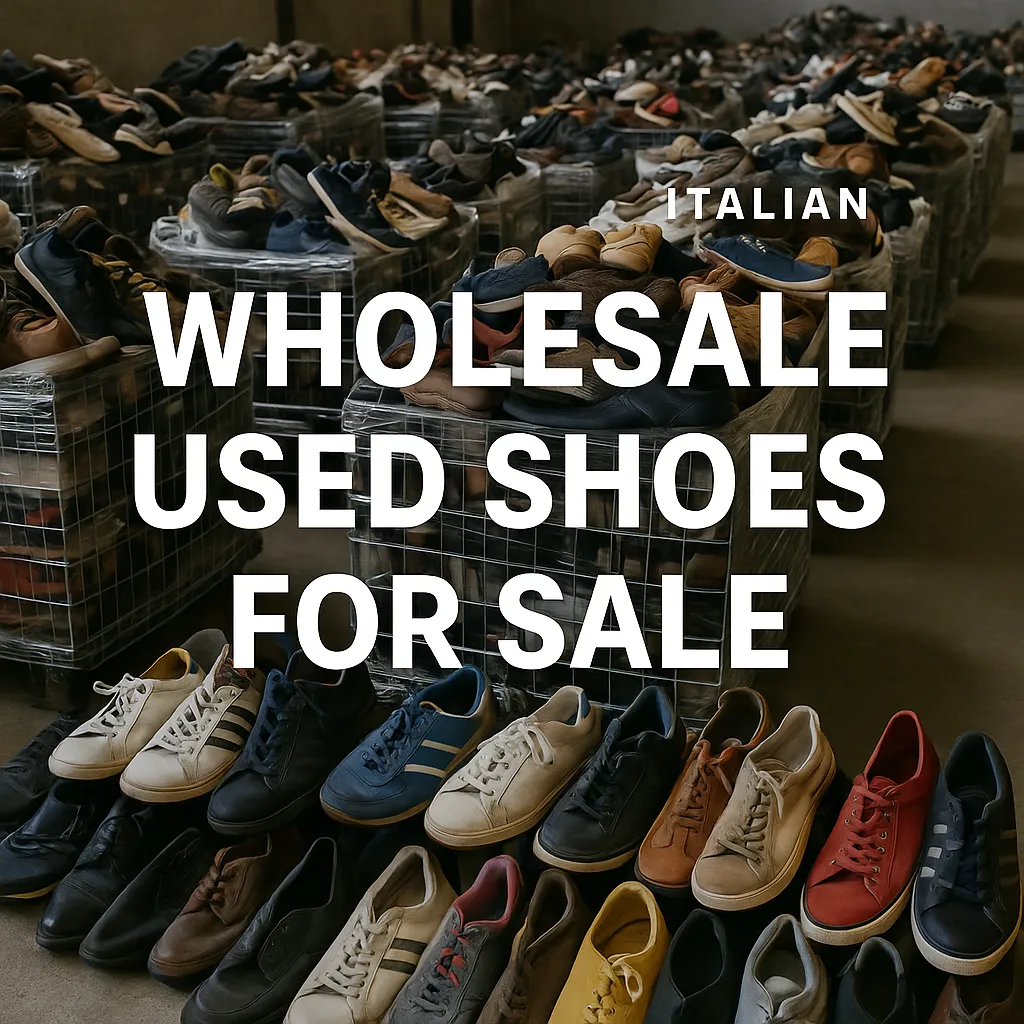
Wholesale used shoes for sale can serve as a lucrative opportunity for retailers and resellers alike. The demand for affordable footwear has never been higher, as consumers increasingly seek sustainable options that don't break the bank. With a vast array of styles, brands, and conditions available, the wholesale market for used shoes is thriving. Retailers can acquire high-quality products at lower prices, allowing them to offer competitive pricing in their stores. This not only attracts more customers but also supports a responsible approach to fashion, emphasizing the importance of recycling and reusing footwear. By tapping into this market, businesses can contribute to a more sustainable future while boosting their profit margins.
Understanding the Wholesale Market for Used Shoes
Entering the wholesale market for used shoes involves understanding various factors that influence pricing, quality, and availability. Suppliers often source their inventory from donations, overstock, and unsold retail items, which can lead to a wide variety of shoes being available at any given time. Retailers must thoroughly assess the quality of the shoes being offered to ensure they meet the standards of their customer base. The grading system for used shoes typically ranges from 'like new' to 'well-worn', with pricing adjusted accordingly. Retailers can benefit from building strong relationships with suppliers, enabling better access to high-quality stock and favorable terms. Additionally, understanding seasonal trends can help in scoping out the best time to purchase inventory. For instance, demand for sandals may peak in summer, while boots are more sought after in winter. Thus, timing purchases according to market trends is crucial for maximizing profitability.
Where to Find Wholesale Used Shoes
Finding reliable sources of wholesale used shoes can be a challenge, yet numerous avenues exist. Trade shows, online marketplaces, and direct relationships with wholesalers are just a few options. Websites dedicated to B2B sales often list suppliers who specialize in second-hand footwear. Additionally, retailers can explore local charities and thrift shops, which may offer bulk purchasing options for businesses interested in wholesale. Leveraging local networks can also yield fruitful partnerships, allowing businesses to source inventory directly while supporting local economies. Importantly, due diligence is essential; ensuring that suppliers comply with quality standards and ethical sourcing practices will safeguard a retailer's reputation. Testing samples from potential suppliers can help assess quality before committing to larger orders. By diversifying sourcing strategies, retailers can maintain a steady supply of quality used shoes in their inventory.
The Benefits of Selling Used Shoes
Selling used shoes offers a plethora of benefits, both from a business and environmental perspective. First and foremost, used shoes are often more affordable than new alternatives, making them appealing to budget-conscious consumers. This affordability can lead to increased sales volume, allowing retailers to thrive without high overhead costs. Furthermore, selling used shoes contributes to an eco-friendly business model, promoting recycling and waste reduction. In today's market, more consumers are prioritizing sustainability, and businesses that align with these values can cultivate a loyal customer base. Additionally, used shoes often come with unique styles and retro appeal, attracting fashion-forward shoppers who seek individuality in their footwear choices. Retailers can also capitalize on trends such as upcycling, offering customers the chance to purchase stylish shoes while supporting a sustainable future. Overall, the benefits of selling used shoes extend beyond mere profit, making a positive impact on the environment and society as well.
Creating an Effective Inventory Strategy
Developing an effective inventory strategy for wholesale used shoes is paramount for any retailer aiming to maximize their business potential. Retailers should start by analyzing customer preferences and market trends to determine which types of shoes are in demand. This analysis will help in making informed purchasing decisions and ensure that stock aligns with consumer desires. Implementing a robust inventory management system can streamline operations, aiding in tracking stock levels and sales patterns. Such systems can also help in forecasting future inventory needs, which is crucial for avoiding overstock and stockouts. Regularly rotating inventory based on the season and current trends can keep offerings fresh and appealing to customers. Furthermore, retailers should consider promotional strategies that highlight unique or limited-time offers on used shoes, creating a sense of urgency and excitement among shoppers. By maintaining an organized and strategic inventory approach, retailers can enhance their operational efficiency and grow their market presence.
Marketing Your Wholesale Used Shoes
Marketing wholesale used shoes effectively is essential for drawing customers and increasing sales. Retailers should focus on highlighting the unique aspects of their offerings, such as affordability, sustainability, and diverse styles. Utilizing social media platforms can create buzz around new arrivals and special promotions, engaging with a larger audience. High-quality images showcasing the shoes in various settings can attract potential buyers, emphasizing their unique features and quality. In addition, retailers can collaborate with influencers or fashion bloggers who resonate with their target demographic, further expanding their reach. Creating a compelling brand narrative around the importance of sustainable fashion can also resonate with consumers who value eco-friendly practices. Email marketing campaigns targeting previous customers can be an effective way to promote new inventory and special offers. By crafting a strong marketing strategy that emphasizes the value of used shoes, retailers can successfully position themselves within the market.
Challenges in the Wholesale Used Shoe Market
While the wholesale used shoe market presents numerous opportunities, it also comes with its share of challenges. One of the primary hurdles is the variability in quality and condition of used footwear. Retailers must navigate the fine line between offering competitively priced products and ensuring that they do not compromise on quality. Establishing strict quality control measures is essential to maintain customer satisfaction and brand integrity. Additionally, competition within the used shoe market is fierce; as more retailers recognize the potential of this niche, standing out becomes increasingly difficult. Retailers must therefore innovate and find unique selling points that differentiate them from others in the market. Seasonal fluctuations in demand can also present challenges, necessitating a flexible inventory strategy. Retailers may experience surges in demand during specific times of the year, leading to stock shortages, or conversely, overstock during quieter periods. By being aware of these challenges and proactively developing strategies to address them, retailers can navigate the complexities of the wholesale used shoe market more effectively.
Conclusion: The Future of Wholesale Used Shoes
The future of wholesale used shoes appears bright, driven by the increasing consumer demand for sustainable and affordable options. As more people recognize the environmental impact of fast fashion, the appeal of second-hand footwear continues to grow. Retailers who adapt to these shifts in consumer behavior and actively promote the benefits of used shoes are likely to thrive in this evolving landscape. Establishing strong supplier relationships, investing in effective marketing strategies, and maintaining a keen understanding of market trends will be essential for long-term success. Additionally, embracing e-commerce will expand reach and accessibility, allowing retailers to tap into a wider customer base beyond local markets. As sustainability becomes a core value for consumers, those in the wholesale used shoe market hold a unique position to lead the charge towards a more responsible approach to fashion. By prioritizing quality, sustainability, and innovation, retailers can carve out a significant niche in this burgeoning market.
FAQ
What are wholesale used shoes for sale?
Wholesale used shoes for sale refer to bulk quantities of second-hand footwear sold to retailers or resellers at reduced prices. These shoes can vary in quality and condition, ranging from barely worn to well-loved. Retailers can purchase these shoes to offer a range of affordable options to their customers, capitalizing on the growing trend towards sustainable fashion. The wholesale market provides businesses with the opportunity to stock unique items that appeal to budget-conscious consumers and those looking for distinctive styles. By sourcing used shoes in bulk, retailers can enhance their inventory while promoting eco-friendly shopping habits.
How can I ensure the quality of wholesale used shoes?
Ensuring the quality of wholesale used shoes involves thorough vetting of suppliers and their products. Retailers should establish relationships with trusted wholesalers known for their stringent quality control processes. Requesting samples before making bulk purchases can help assess the condition and suitability of the shoes. Additionally, retailers can implement their own quality checks upon receiving shipments, categorizing shoes based on their condition and usability. A clear grading system can assist in maintaining transparency with customers about the quality of shoes being sold. By prioritizing quality assurance, retailers can build a solid reputation and foster customer loyalty.
What types of shoes are popular in the wholesale used shoe market?
In the wholesale used shoe market, certain types of footwear tend to be more popular based on current fashion trends and consumer preferences. Sneakers and athletic shoes are consistently in demand, appealing to a broad audience seeking affordable options for everyday wear. Additionally, vintage and retro styles have surged in popularity, particularly among younger consumers looking for unique pieces. Seasonal footwear, such as sandals in summer and boots in winter, also sees fluctuating demand. Retailers should stay attuned to market trends and customer feedback to ensure they stock the most sought-after styles, maximizing their sales potential.
How can I market wholesale used shoes effectively?
Effectively marketing wholesale used shoes requires a multifaceted approach that highlights their unique features and benefits. Utilizing social media platforms to showcase new arrivals, promotions, and customer testimonials can create a buzz around the products. High-quality visuals and engaging content that tells the story of sustainability can resonate with eco-conscious consumers. Collaborating with influencers or bloggers who align with the brand's values can also broaden reach and attract new customers. Email marketing campaigns targeting existing customers can promote special offers and encourage repeat business. By creating a compelling narrative around the value of used shoes, retailers can effectively engage their audience and drive sales.
What are the challenges in sourcing wholesale used shoes?
Sourcing wholesale used shoes presents several challenges, including variability in quality and availability. Retailers may encounter difficulties in finding reliable suppliers who consistently meet quality standards. Additionally, the fluctuating nature of inventory can lead to challenges in maintaining stock levels that meet consumer demand. Seasonal shifts in fashion trends can also affect the availability and desirability of certain types of footwear. To mitigate these challenges, retailers should diversify their sourcing strategies, establish strong supplier relationships, and stay informed about market trends. By being proactive and adaptable, retailers can navigate the complexities of sourcing wholesale used shoes successfully.
| Supplier Name | Location | Contact | Quality Rating |
|---|---|---|---|
| EcoFootwear | Italy | [email protected] | 4.5/5 |
| ShoeCycle | USA | [email protected] | 4.7/5 |
| SecondStep | Germany | [email protected] | 4.8/5 |
| GreenSole | UK | [email protected] | 4.6/5 |
| Footprint | France | [email protected] | 4.9/5 |
Ready to explore the exciting world of wholesale used shoes for sale? Check out our products or learn more about our social mission to understand how we contribute to sustainable fashion. If you have any questions, feel free to contact us!
Disclaimer: The information provided in this article is for educational purposes only and does not constitute professional advice. Always conduct your own research before making business decisions.