Wholesale Used Clothing Florence: A Sustainable Choice
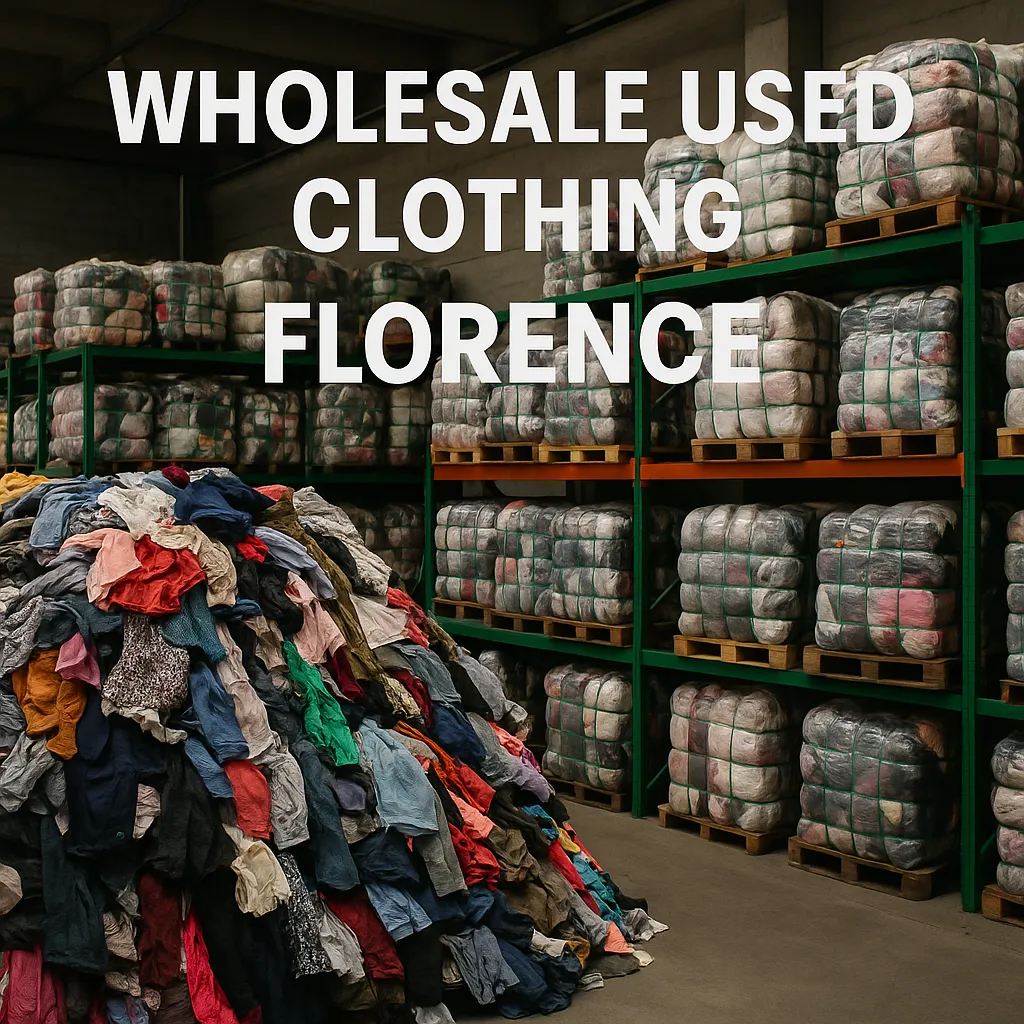
Wholesale used clothing Florence is an excellent option for retailers looking to offer unique and sustainable fashion choices to their customers. As the demand for eco-friendly and affordable clothing continues to rise, many businesses are turning to wholesale suppliers to stock their stores with quality secondhand garments. These suppliers not only provide a diverse range of clothing but also contribute to reducing waste and promoting a circular economy. By sourcing wholesale used clothing, retailers can cater to a growing market of environmentally conscious consumers while also benefiting from lower costs compared to new apparel. This article explores the advantages of sourcing wholesale used clothing in Florence, the best places to find such suppliers, and tips for success in this growing industry.
The Advantages of Sourcing Wholesale Used Clothing
There are numerous advantages to sourcing wholesale used clothing, particularly in a fashion-forward city like Florence. First and foremost, the environmental benefits cannot be overstated. By opting for secondhand garments, retailers help minimize the carbon footprint associated with the production of new clothing. The fashion industry is one of the largest polluters globally, and selling used clothing is a significant step towards sustainability. Additionally, wholesale used clothing offers retailers the chance to stock unique items that can differentiate their store from competitors. Many consumers are seeking one-of-a-kind pieces that reflect their individual styles, and secondhand clothing provides just that. With the right sourcing strategies, retailers can curate collections that appeal to diverse customer bases, enhancing their brand reputation and customer loyalty.
Finding Reliable Suppliers in Florence
When it comes to sourcing wholesale used clothing Florence has a variety of options for retailers. Local markets, textile recycling centers, and specialized wholesalers are excellent starting points. Networking with other retailers can also provide leads on reputable suppliers. Additionally, attending trade shows and industry events focused on sustainable fashion can connect you with wholesalers who prioritize quality and eco-friendliness. It's essential to conduct thorough research on potential suppliers, seeking reviews and testimonials from other businesses. Establishing a solid relationship with your supplier can lead to better pricing, exclusive access to certain items, and a more tailored selection that meets your specific needs. Before committing to a supplier, consider requesting samples to assess the quality of their products.
Tips for Success in the Wholesale Used Clothing Market
To thrive in the wholesale used clothing market, it is crucial to understand your target audience and their preferences. Research current fashion trends while also considering the timeless pieces that tend to sell well. Marketing your unique offerings effectively can set your business apart; utilizing social media platforms to showcase your inventory and engage with customers is a powerful strategy. Create an inviting online presence that reflects your brand's ethos, emphasizing sustainability and style. Consider offering promotions or loyalty programs to encourage repeat business, as satisfied customers are likely to return and recommend your store to others. Finally, staying informed about industry trends and continuously adapting your inventory based on consumer preferences will be key to your long-term success.
The Role of Sustainability in Fashion
Sustainability has become a buzzword in the fashion industry, and for good reason. The environmental impact of fast fashion is alarming, with millions of tons of clothing ending up in landfills each year. By focusing on wholesale used clothing, retailers can play a significant role in combatting this issue. Consumers are increasingly aware of the consequences of their purchasing decisions and are actively seeking brands that align with their values. This shift presents an opportunity for retailers to market their offerings as sustainable choices. By promoting the environmental benefits of secondhand clothing, businesses can not only attract eco-conscious shoppers but also contribute to a larger movement towards sustainability in fashion. It's important for retailers to communicate their commitment to sustainability through their branding, marketing, and customer engagement efforts.
Building a Community Around Sustainable Fashion
Creating a community around sustainable fashion can enhance your brand's appeal and foster customer loyalty. Engage with your audience on social media platforms by sharing stories about the impact of sustainable choices. Encourage customers to share their purchases and styling ideas, creating a sense of belonging among your clientele. Hosting events, workshops, or collaborations with local artists and influencers can further strengthen community ties. Consider partnering with organizations that promote sustainability to emphasize your commitment to the cause. By aligning your brand with a larger movement, you not only enhance your reputation but also inspire your customers to make more conscious choices. A thriving community can significantly boost brand loyalty and drive sales.
Adapting to Changing Consumer Preferences
The fashion landscape is continuously evolving, and retailers must stay attuned to changing consumer preferences. Trends can shift rapidly, so being flexible and responsive is crucial for success in the wholesale used clothing market. Regularly revisiting your inventory and sourcing new items will keep your offerings fresh and appealing. Pay attention to customer feedback and adapt your strategies accordingly. If certain styles or categories are particularly popular, consider expanding your offerings in those areas. Additionally, keep an eye on emerging trends in sustainability and ethical fashion to position your brand as a leader in these critical discussions. By staying ahead of the curve, your business can thrive even amid changing market conditions.
Conclusion: The Future of Wholesale Used Clothing
The future of wholesale used clothing in Florence looks promising as more consumers prioritize sustainability in their buying decisions. Retailers who embrace this trend can not only enhance their profitability but also contribute positively to the environment and society. With the right strategies, sourcing quality secondhand clothing can lead to a thriving business model that resonates with eco-conscious consumers. As the market continues to grow, those who are proactive in building sustainable practices into their operations will likely emerge as leaders in the industry. By focusing on quality, community engagement, and adaptability, retailers can successfully navigate the evolving landscape of wholesale used clothing and make a lasting impact on their customers and the environment.
FAQ
What are the benefits of wholesale used clothing Florence?
Wholesale used clothing Florence offers numerous benefits, including environmental sustainability, unique inventory, and cost savings for retailers. By choosing secondhand garments, businesses contribute to reducing waste and pollution in the fashion industry. Additionally, retailers can differentiate themselves by offering unique items that appeal to consumers seeking individual styles. The lower costs associated with buying used clothing compared to new items also allow retailers to maintain competitive pricing, ultimately enhancing profit margins. Furthermore, the growing demand for sustainable fashion creates an opportunity for businesses to attract a dedicated customer base that values eco-friendly practices.
How can I find reliable wholesale used clothing suppliers?
Finding reliable wholesale used clothing suppliers involves researching local markets, textile recycling centers, and networks within the fashion industry. Networking with other retailers and attending trade shows focused on sustainable fashion can lead to valuable supplier connections. It's crucial to assess potential suppliers by reviewing testimonials and conducting thorough research to ensure their quality and reliability. Establishing a good relationship with your suppliers can also lead to better pricing and exclusive access to certain items. Don't hesitate to request samples before making significant purchases to ensure the quality of their products meets your standards.
What trends should I consider in the wholesale used clothing market?
Staying informed about current fashion trends is essential for success in the wholesale used clothing market. Pay attention to seasonal trends, popular colors, and styles that resonate with your target audience. Additionally, consider timeless pieces that consistently sell well, such as vintage items or classic wardrobe staples. Understanding the growing movement towards sustainability can also inform your sourcing and marketing strategies. By curating your inventory based on both trends and customer preferences, you can create a compelling collection that attracts consumers and encourages repeat business.
How can I market my wholesale used clothing business?
Marketing your wholesale used clothing business effectively requires a strong online presence and a clear brand message. Use social media platforms to showcase your unique inventory, engage with customers, and share stories about the sustainability of your products. Create a visually appealing website that reflects your brand ethos, highlighting your commitment to eco-friendly practices. Consider utilizing email marketing to keep customers informed about new arrivals and promotions. Collaborating with influencers or local artists can also help expand your reach and attract new customers who resonate with your sustainable mission.
What role does community play in the success of a clothing retailer?
Building a community around your clothing retail business can significantly enhance brand loyalty and customer engagement. Engaging with your audience through social media, events, and collaborations fosters a sense of belonging among your clientele. Encouraging customers to share their experiences and styling ideas can create a vibrant community that supports your brand. Partnering with local organizations that promote sustainability can further strengthen ties with your customer base. By aligning your business with a larger movement, you not only enhance your reputation but also inspire customers to make more conscious choices, ultimately driving sales and success.