Wholesale Used Clothing Exporters: A Sustainable Choice
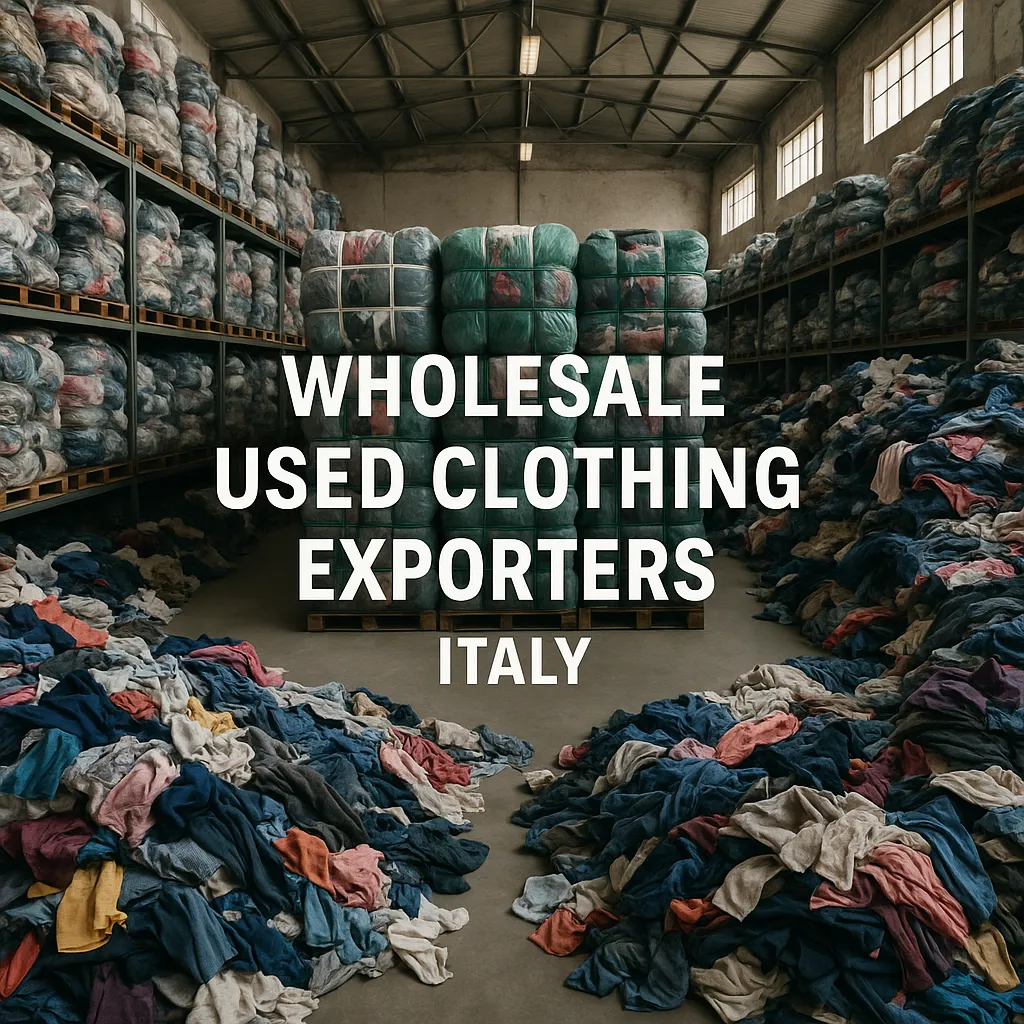
The world of wholesale used clothing exporters is a rapidly growing sector in the fashion industry, driven by a rising awareness of sustainability and eco-friendly practices. These exporters play a crucial role in providing businesses with access to high-quality, second-hand clothing that not only meets consumer demand for unique styles but also contributes to reducing textile waste. The global marketplace for used clothing has expanded significantly, with exporters sourcing garments from various regions and making them available to retailers looking to offer sustainable fashion options. This shift towards wholesale used clothing aligns with a larger trend of conscious consumerism and the desire to promote ethical fashion choices.
Understanding the Wholesale Used Clothing Market
The wholesale used clothing market operates on several key principles that benefit both exporters and retailers. Firstly, it allows for the redistribution of clothing that might otherwise end up in landfills, hence promoting environmental sustainability. Exporters often collaborate with charities, thrift stores, and textile recycling facilities to source high-quality garments that have been carefully curated for resale. This process ensures that the clothing offered is not only stylish but also in good condition, making it appealing to consumers who are increasingly seeking unique and affordable fashion choices. Additionally, the wholesale model allows retailers to purchase in bulk, which significantly reduces their costs and enables them to pass savings on to their customers. By tapping into the wholesale used clothing market, businesses can enhance their product offerings while also aligning themselves with the growing demand for sustainable options.
Benefits of Partnering with Wholesale Used Clothing Exporters
Partnering with wholesale used clothing exporters presents numerous advantages for retailers looking to diversify their inventory and appeal to eco-conscious consumers. One of the primary benefits is the cost-effectiveness of sourcing second-hand clothing. Retailers can acquire unique items at significantly lower prices than new garments, enabling them to maximize their profit margins. Furthermore, the variety offered by wholesale exporters allows retailers to differentiate themselves in a saturated market. This uniqueness can attract a dedicated customer base that values sustainability and individuality in their fashion choices. Beyond economic benefits, retailers who align themselves with wholesale used clothing exporters can also enhance their brand image by showcasing their commitment to sustainability and responsible sourcing practices, which resonates with today's environmentally-aware shoppers.
How to Choose the Right Exporter
Selecting the right wholesale used clothing exporter is crucial for retailers who want to ensure a steady supply of quality garments. Retailers should start by assessing the reputation of potential exporters through reviews and testimonials from other businesses. It's important to inquire about the sourcing practices of the exporter to ensure that the clothing is ethically obtained and of high quality. Additionally, retailers should evaluate the range of products offered, including various styles, sizes, and categories, to meet diverse consumer needs. Establishing a good relationship with the exporter can also lead to better pricing, exclusive deals, and a more reliable supply chain. Retailers may also want to ask about the exporter’s return policy and the possibility of visiting their facilities to inspect the merchandise firsthand, as this can provide valuable insights into the quality and variety of clothing available.
Trends in the Wholesale Used Clothing Industry
The wholesale used clothing industry is continuously evolving, with several trends shaping its future. The rise of online marketplaces has made it easier for wholesale exporters to connect with retailers across the globe, thus broadening their reach and allowing for a more diverse product offering. Additionally, the increasing popularity of vintage and retro fashion has led to a surge in demand for unique second-hand items, which exporters are keen to capitalize on. Sustainability is another driving factor, with more consumers actively seeking brands that promote eco-friendly practices. As a result, many wholesale used clothing exporters are incorporating transparency in their sourcing and distribution processes, which builds trust with retailers and end-consumers alike. Furthermore, technological advancements in inventory management and logistics are streamlining operations, allowing exporters to efficiently handle larger volumes of clothing while maintaining quality standards.
Connecting with Wholesale Used Clothing Exporters
Connecting with wholesale used clothing exporters can be a straightforward process if retailers take the right approach. Many exporters have a robust online presence, making it easy for potential clients to browse available inventory and place orders. Retailers should leverage social media platforms and professional networking sites to discover reputable exporters and engage with their offerings. Attending trade shows and industry events can also provide valuable opportunities to meet exporters in person, fostering relationships that can lead to beneficial partnerships. Furthermore, utilizing online directories and platforms dedicated to wholesale trade can help retailers find suitable exporters that align with their business values and goals. Building a network within the wholesale used clothing industry not only aids in sourcing but can also lead to collaborative opportunities, enhancing the overall business landscape for retailers.
Logistics and Supply Chain Considerations
Logistics and supply chain management are critical components for retailers working with wholesale used clothing exporters. Ensuring timely delivery of products is essential for maintaining inventory levels and meeting customer demand. Retailers must establish clear communication with exporters regarding shipping times, methods, and potential delays. It's also crucial to understand the import/export regulations that may affect the movement of goods across borders, as compliance with these laws helps avoid costly penalties. Additionally, retailers should consider the environmental impact of their logistics choices, opting for more sustainable shipping methods where possible. By prioritizing efficient and eco-friendly logistics, retailers can enhance their operational effectiveness while reinforcing their commitment to sustainability—a key factor in attracting modern consumers.
Marketing Wholesale Used Clothing
Marketing wholesale used clothing effectively requires a strategic approach that highlights the unique value proposition of these garments. Retailers should focus on storytelling, sharing the history and uniqueness of each piece, which can resonate with consumers seeking individuality in their fashion choices. Utilizing social media platforms to showcase styled looks and customer testimonials can create a community around the brand, encouraging engagement and repeat business. Moreover, retailers can implement loyalty programs that reward customers for purchasing sustainable clothing, further promoting eco-conscious shopping habits. Collaborating with influencers in the sustainable fashion space can also amplify marketing efforts, reaching a broader audience and driving sales. By adopting innovative marketing strategies, retailers can successfully position themselves within the wholesale used clothing market while fostering a loyal customer base.
The Future of Wholesale Used Clothing Exporters
The future of wholesale used clothing exporters looks promising, with sustainability trends driving consumer preferences and shaping market dynamics. As awareness of environmental issues continues to grow, more businesses are likely to embrace sustainable sourcing as a core component of their operations. This shift is expected to lead to increased partnerships between retailers and wholesale used clothing exporters, fostering a collaborative environment that prioritizes ethical practices. Technological advancements will also play a significant role, as data analytics and artificial intelligence can optimize supply chain management and enhance customer experiences. With the right strategies in place, wholesale used clothing exporters are well-positioned to meet the evolving demands of the market while contributing to a more sustainable fashion industry.
Building Long-Term Relationships
Building long-term relationships with wholesale used clothing exporters is essential for retailers aiming for sustained success in this niche market. Trust and transparency form the foundation of these partnerships, allowing retailers to collaborate closely with exporters to refine product offerings and adapt to changing consumer preferences. Regular communication and feedback can help exporters understand the specific needs of retailers, leading to better service and enhanced product quality. Moreover, participating in joint marketing initiatives or sustainability projects can strengthen these relationships, showcasing a shared commitment to ethical practices. As the wholesale used clothing market continues to expand, fostering strong partnerships will be key to navigating challenges and capitalizing on opportunities for growth.
FAQ
What are wholesale used clothing exporters?
Wholesale used clothing exporters are businesses that specialize in sourcing and distributing second-hand clothing to retailers at bulk prices. These exporters play a vital role in the fashion industry by providing access to affordable and unique clothing options while promoting sustainability. By sourcing garments from various suppliers, they help reduce textile waste and support ethical fashion practices. Retailers partnering with wholesale used clothing exporters can enhance their product offerings and cater to the growing demand for eco-friendly fashion.
How can I find reliable wholesale used clothing exporters?
Finding reliable wholesale used clothing exporters involves thorough research and networking. Start by checking online directories, industry websites, and trade shows to discover potential exporters. Reading reviews and testimonials from other businesses can provide valuable insights into their reputation and reliability. Engaging with exporters on social media platforms can also help establish connections and gauge their responsiveness. Once you identify potential partners, consider visiting their facilities to inspect the quality of their garments and ensure they align with your business values.
What types of clothing do wholesale used clothing exporters offer?
Wholesale used clothing exporters offer a wide range of clothing types, including casual wear, formal attire, vintage pieces, and seasonal items. The inventory may vary depending on the exporter, as they often source garments from different regions and suppliers. Retailers can find various styles, sizes, and categories to meet the diverse needs of their customers. It's essential for retailers to communicate their specific requirements to exporters to ensure they receive the right types of clothing that resonate with their target audience.
How does sourcing from wholesale used clothing exporters benefit the environment?
Sourcing from wholesale used clothing exporters significantly benefits the environment by promoting the circular economy and reducing textile waste. When garments are reused instead of discarded, it minimizes the demand for new clothing production, which is a resource-intensive process. This practice helps conserve water, energy, and raw materials while decreasing carbon emissions associated with manufacturing and transportation. By partnering with wholesale used clothing exporters, retailers not only offer unique and affordable fashion options but also contribute to a more sustainable future.
Can I visit a wholesale used clothing exporter’s facility?
Many wholesale used clothing exporters welcome visits from potential retailers to inspect their facilities and inventory. This visit can provide valuable insights into the quality of the clothing offered and the exporter’s sourcing practices. Before visiting, it's advisable to schedule an appointment and communicate your interests to ensure a productive experience. During the visit, you can ask questions, evaluate the inventory, and discuss potential partnerships, helping you make informed decisions about your sourcing needs.
For more information about our products, visit RecyclingItaly Products or learn about our social mission. If you have any questions, feel free to contact us today!
Disclaimer: The information provided in this article is for informational purposes only and should not be considered as professional advice. Always conduct your own research and consult with an expert before making business decisions.