Understanding Used Clothes Sorting Techniques
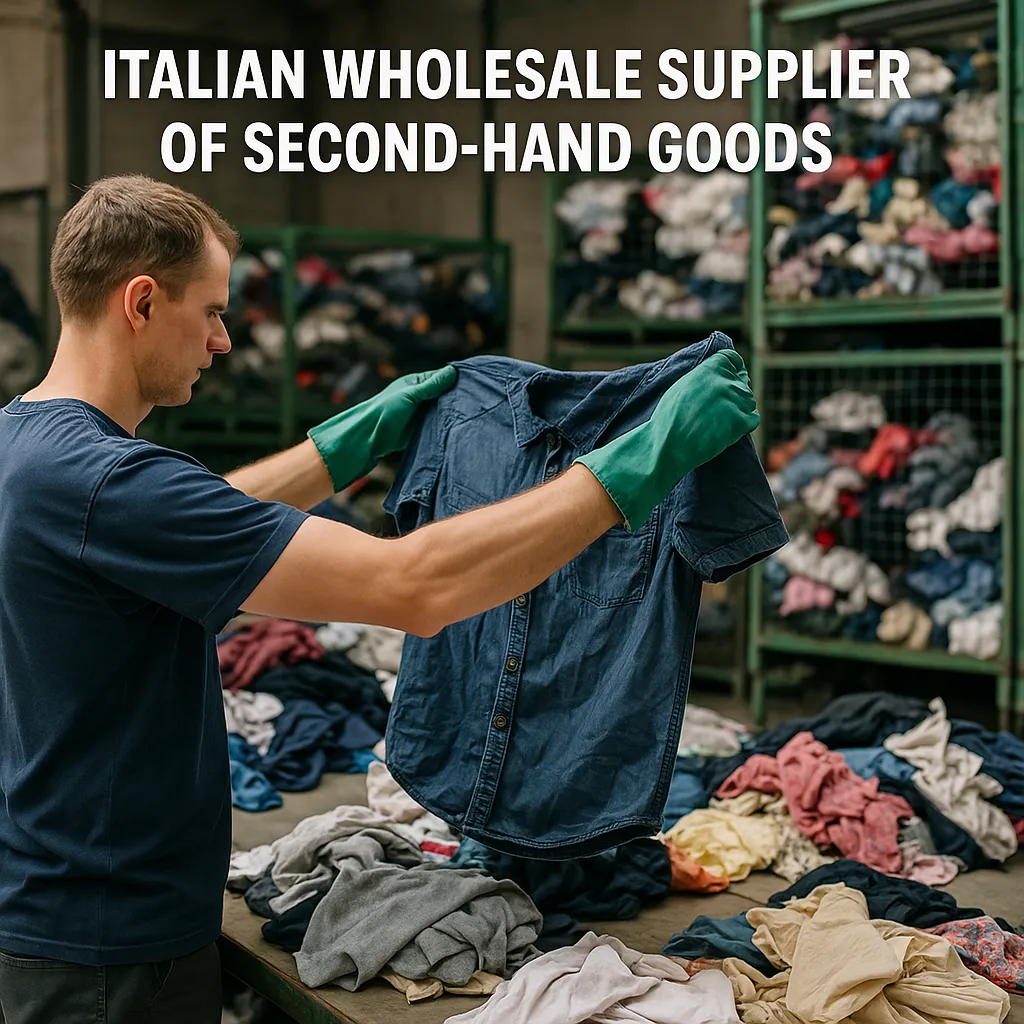
Used clothes sorting is a critical process that plays an essential role in the recycling and reuse of textiles. The journey of repurposing clothing begins with understanding the various methods of sorting, which can significantly impact the efficiency of recycling programs. Sorting used clothes properly not only helps in identifying items suitable for resale but also ensures that those that cannot be reused are disposed of responsibly. This article delves into the importance of used clothes sorting, the methods employed, and the benefits of implementing efficient sorting practices in your recycling initiatives.
The Importance of Used Clothes Sorting in Recycling
Sorting used clothes is vital for maximizing the potential of textile recycling. When clothes are sorted correctly, it allows for a more streamlined process in determining which items can be resold, repaired, or recycled into new materials. The environmental benefits are significant; reducing landfill waste not only conserves natural resources but also decreases carbon emissions associated with clothing production. Furthermore, effective sorting can enhance the economic viability of recycling programs by increasing the quality and quantity of textiles that can be processed. This ultimately leads to a more sustainable textile industry and promotes responsible consumer behavior. As more people become aware of the impact of their clothing choices, the demand for efficient sorting practices will continue to grow, making it a crucial aspect of modern recycling efforts.
Methods of Used Clothes Sorting
There are several methods used in the sorting of used clothes, each designed to optimize the process according to the specific needs of recycling facilities. Manual sorting, for instance, involves workers categorizing items based on their quality and type. This method is particularly effective for identifying high-value items that can be resold. Automated sorting systems, on the other hand, utilize technology such as optical sensors and artificial intelligence to classify textiles at a much faster rate. This can significantly increase throughput in larger operations. Additionally, sorting can be done by color, fabric type, or condition, allowing for a more tailored approach to recycling that maximizes the potential for reuse. Each method has its advantages, and often a combination of manual and automated sorting yields the best results in terms of efficiency and quality.
Benefits of Efficient Used Clothes Sorting
Implementing efficient used clothes sorting practices provides numerous benefits, not only for recycling facilities but also for the environment and the community. One of the primary advantages is the increased recovery rate of usable textiles, which reduces the amount of waste sent to landfills. This contributes to a decrease in environmental pollution and conserves resources needed for new clothing production. Furthermore, efficient sorting can create economic opportunities by generating jobs in the recycling sector and promoting local businesses that sell second-hand goods. Community awareness programs focused on the importance of used clothes sorting can also foster responsible consumer habits, encouraging people to consider the lifecycle of their clothing. Ultimately, these benefits highlight the importance of investing in sorting technologies and training, as they play a pivotal role in building a more sustainable future.
Challenges in Used Clothes Sorting
Despite the clear benefits of used clothes sorting, several challenges persist in the industry. One of the main issues is the sheer volume of textiles that need to be processed, which can overwhelm sorting facilities, especially during peak donation seasons. This can lead to bottlenecks in the sorting process, resulting in increased costs and reduced efficiency. Additionally, the lack of standardization in sorting practices can lead to inconsistencies in the quality of sorted materials, complicating the recycling process. Another challenge is the contamination of textiles with non-recyclable materials, which can hinder the recycling efforts and potentially damage sorting equipment. Addressing these challenges requires ongoing investment in technology, training, and public awareness initiatives to educate consumers on the importance of proper textile disposal and donation practices.
Training and Workforce Development
Investing in training and workforce development is essential for improving used clothes sorting outcomes. Skilled workers are better equipped to identify valuable items and sort them efficiently, which directly impacts the overall effectiveness of recycling operations. Training programs that focus on the nuances of textile identification and sorting can lead to a more knowledgeable workforce, ultimately benefiting the entire recycling ecosystem. Moreover, providing opportunities for advancement within the sorting facilities can motivate employees and reduce turnover, ensuring a stable and efficient workforce. Collaborations with local educational institutions can also help in developing specialized training programs that prepare workers for the unique challenges of the textile recycling industry, fostering a culture of sustainability within the community.
Community Engagement and Awareness
Community engagement plays a crucial role in the success of used clothes sorting initiatives. Educating the public about the importance of sorting textiles can lead to increased participation in recycling programs and reduce contamination rates in donations. Hosting workshops, informational sessions, and outreach campaigns can help raise awareness about textile waste and the benefits of responsible clothing disposal. Furthermore, collaborating with local organizations and charities can enhance community involvement, creating a supportive network that encourages sustainable practices. As communities become more engaged in the recycling process, they develop a sense of ownership over their local environment, which can lead to lasting change and a commitment to sustainability. Engaging the community is not just about education; it's about building a movement that values and prioritizes recycling.
Future Trends in Used Clothes Sorting
The future of used clothes sorting is poised for significant advancements as technology continues to evolve. Innovations in artificial intelligence and machine learning are expected to enhance sorting accuracy and efficiency, allowing for faster processing times and better quality control. Additionally, the integration of blockchain technology could provide greater transparency in the recycling supply chain, enabling consumers to track the journey of their donated textiles. Another trend is the increasing emphasis on circular economy principles, which encourage the design of products for reuse and recycling from the outset. As the textile industry shifts towards sustainability, sorting practices will need to adapt, focusing on developing systems that can handle new materials and recycling methods. Embracing these trends will be vital for the industry to thrive in an ever-changing landscape, ensuring that used clothes sorting remains a cornerstone of effective recycling efforts.
Technological Innovations
Technological innovations are transforming the landscape of used clothes sorting, presenting opportunities for improved efficiency and effectiveness. Advanced sorting machines equipped with sensors and AI capabilities are capable of identifying fabric types, colors, and even conditions at unprecedented speeds, reducing the reliance on manual labor. These machines can also be programmed to adapt to new sorting requirements as recycling technologies evolve, ensuring that facilities remain competitive. Furthermore, the use of data analytics can help facilities optimize their sorting processes by analyzing trends and identifying areas for improvement. As these innovations continue to develop, they will play a critical role in enhancing the overall sustainability of the textile recycling industry, ensuring that more materials are diverted from landfills and reused in the production of new products.
FAQ
What is used clothes sorting and why is it important?
Used clothes sorting is the process of categorizing second-hand textiles based on their quality, type, and condition. This practice is crucial for recycling initiatives as it maximizes the potential for reuse and proper disposal, reducing overall waste and promoting sustainability. Efficient sorting helps identify items suitable for resale, repair, or recycling, ensuring that those unable to be reused are disposed of responsibly. By implementing effective sorting practices, recycling facilities can enhance their operations, reduce environmental impact, and create economic opportunities, making used clothes sorting a fundamental aspect of a more sustainable textile industry.
How can I participate in used clothes sorting in my community?
Participating in used clothes sorting within your community is simple and impactful. You can start by organizing or joining local clothing drives and donation events, ensuring that items are sorted before being sent to recycling facilities. Additionally, consider volunteering at local charities or thrift stores that accept clothing donations, where you can assist in sorting and categorizing items. Educating friends and family about responsible clothing disposal is also crucial; sharing resources and information about textile recycling can help raise awareness. By actively engaging in these practices, you contribute to a more sustainable community and help reduce textile waste.
What are the common challenges faced in used clothes sorting?
Common challenges in used clothes sorting include the overwhelming volume of textiles that need processing, which can lead to operational bottlenecks. Inconsistencies in sorting practices can result in varying quality of sorted materials, complicating recycling efforts. Additionally, contamination from non-recyclable items can damage sorting equipment and hinder the recycling process. Addressing these challenges requires ongoing investment in technology and training, as well as public awareness initiatives to educate consumers on proper textile disposal. By tackling these issues, recycling facilities can improve their efficiency and effectiveness in sorting used clothes.
What technologies are shaping the future of used clothes sorting?
The future of used clothes sorting is being shaped by technological advancements such as artificial intelligence and machine learning, which enhance sorting accuracy and efficiency. Automated sorting machines equipped with sensors can quickly identify fabric types and conditions, significantly reducing processing times. Data analytics also plays a role, allowing facilities to optimize sorting processes by analyzing trends and performance metrics. Furthermore, the integration of blockchain technology may provide transparency in the recycling supply chain, facilitating better tracking of donated textiles. These innovations promise to improve the sustainability of the textile recycling industry.
How does used clothes sorting benefit the environment?
Used clothes sorting benefits the environment by reducing textile waste and promoting recycling, which conserves natural resources and minimizes landfill overflow. By identifying items that can be reused or recycled, sorting helps divert a significant amount of textiles from landfills, thereby decreasing environmental pollution and the carbon footprint associated with new clothing production. Moreover, efficient sorting practices contribute to a more circular economy, wherein materials are kept in use for as long as possible. This not only enhances sustainability efforts but also fosters responsible consumer behavior, creating a positive impact on the environment.
How can I learn more about used clothes sorting practices?
To learn more about used clothes sorting practices, consider visiting local recycling facilities or thrift shops that conduct sorting operations. Many organizations offer workshops or informational sessions focused on textile recycling and sorting best practices. Online resources, including blogs and educational websites, can provide valuable insights into innovative sorting methods and industry trends. Engaging with community initiatives centered around recycling and sustainability can also enhance your understanding. By actively seeking knowledge about used clothes sorting, you can contribute more effectively to recycling efforts in your community.