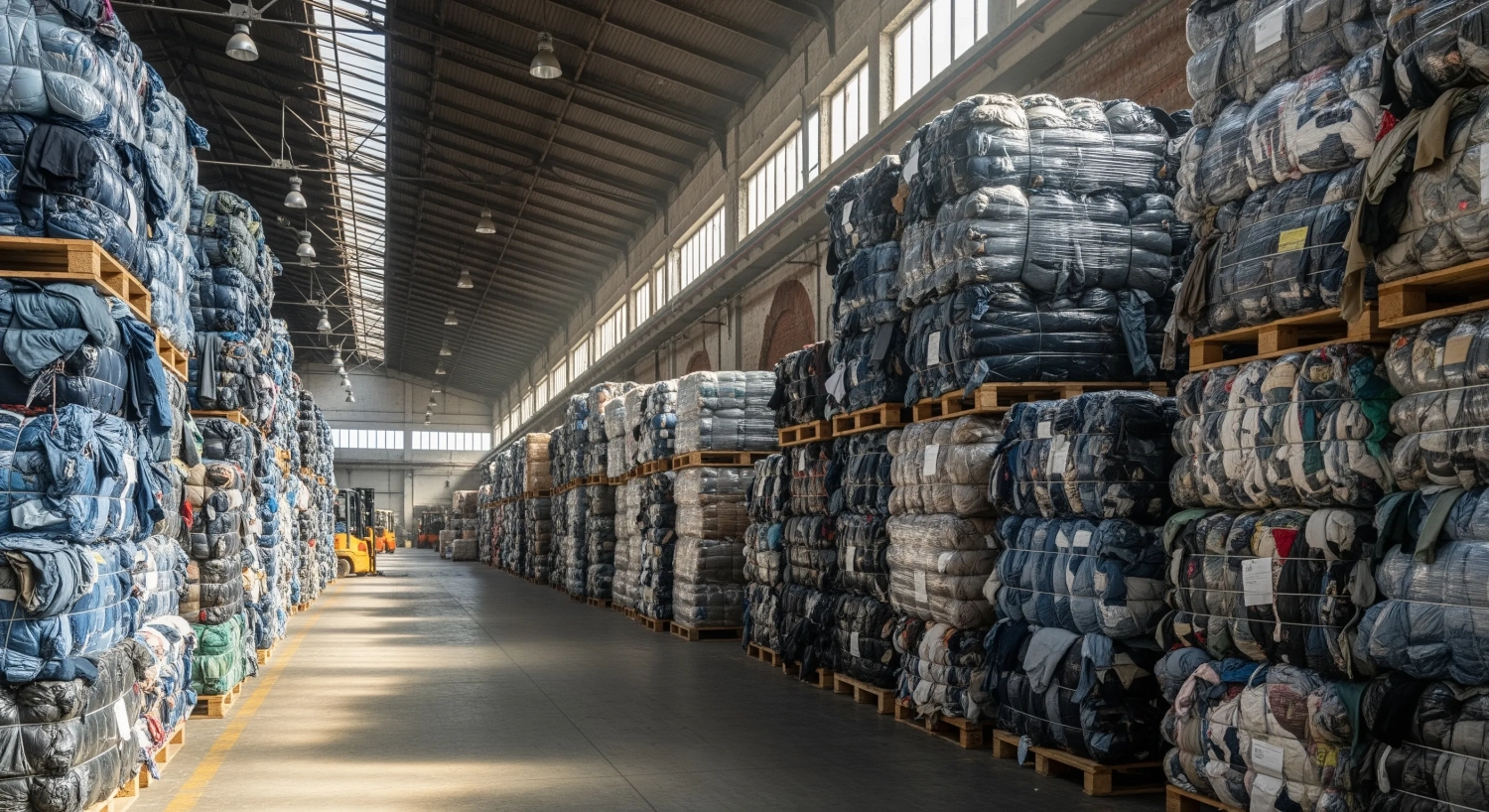
Wholesale second hand clothing is a booming sector in Europe, particularly for B2B trade buyers seeking quality stock at competitive prices. Italy serves as a logistics hub, providing efficient supply chain solutions for wholesalers, exporters, and store owners across Europe. By tapping into the network of reliable suppliers, businesses can source bulk orders of second-hand clothing that align with sustainable fashion principles. Discover the possibilities for your B2B operations as we delve into the key aspects of sourcing wholesale second hand clothes in Europe.
Table of Contents
- Understanding the Second-Hand Clothing Market
- Key Sourcing Regions in Europe
- Logistics and Supply Chain Efficiencies
- The Role of Sorting and Grading
- Risk Mitigation in Bulk Orders
- Sustainable Sourcing Practices
Key Takeaways
| Aspect | Best Practices |
|---|---|
| Minimum Order Quantity (MOQ) | Establish clear MOQs from suppliers for bulk orders. |
| Grading Standards | Utilize consistent grading criteria to assess quality. |
| Logistics | Partner with efficient logistics providers to streamline delivery. |
| Compliance | Ensure all paperwork is complete for smooth cross-border trade. |
Understanding the Second-Hand Clothing Market
The second-hand clothing market in Europe represents a lucrative opportunity for B2B operators. With an increasing consumer demand for sustainable options, trade buyers must understand market dynamics and trends. In recent years, sustainability has taken center stage, influencing purchasing decisions and pushing businesses to source eco-friendly apparel.
According to a recent industry report, the second-hand clothing market is projected to continue its robust growth, driven by younger consumers keen on sustainable fashion. Businesses can capitalize on this trend by securing quality second-hand clothing from trusted suppliers.
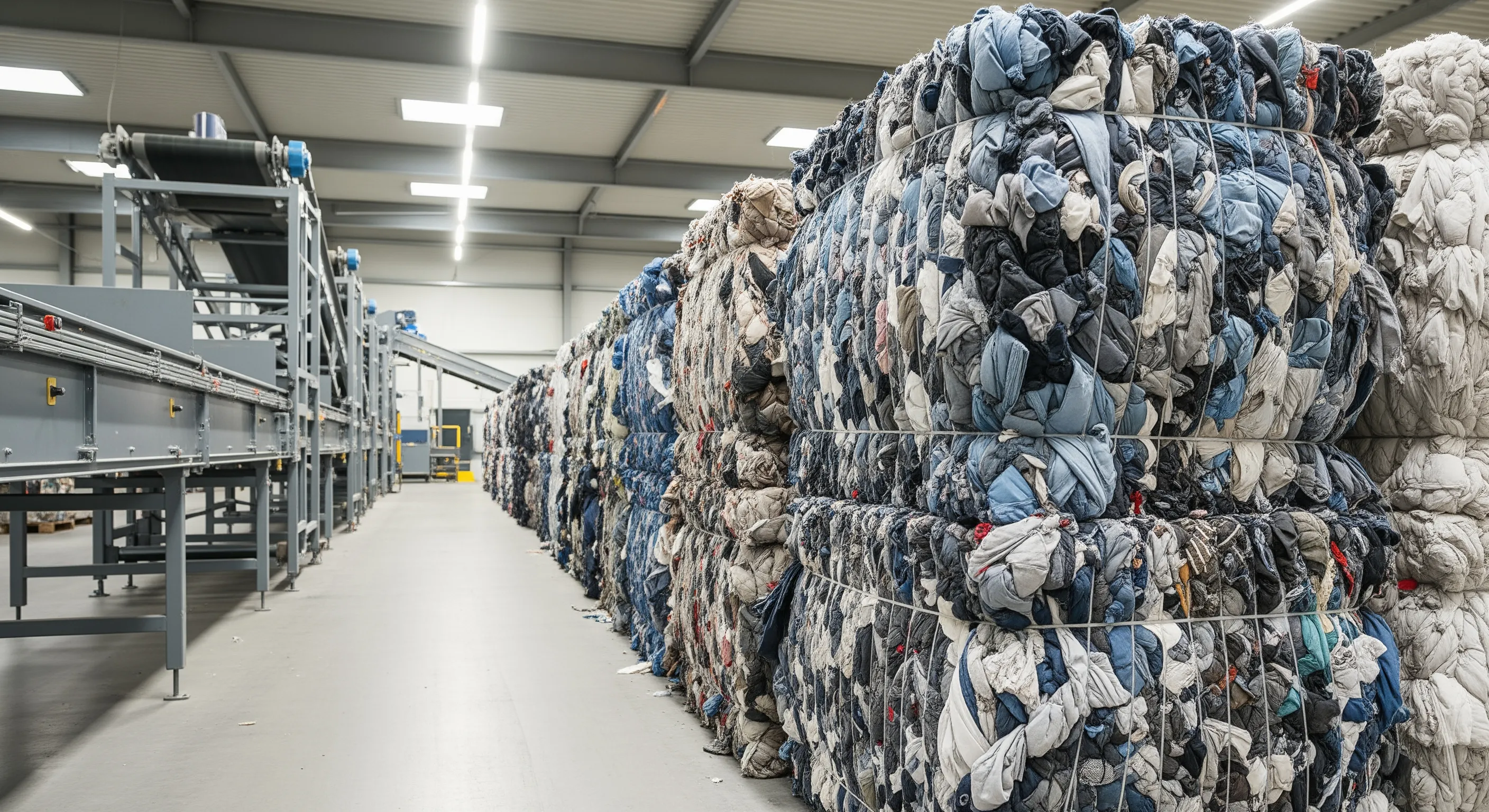
Pro tip: Keep abreast of market trends by subscribing to relevant industry reports to inform your sourcing decisions.
Key Sourcing Regions in Europe
Several regions in Europe are known for their robust supply of second-hand clothing. Italy has established itself as a key player, especially in logistics and sorting operations centered around areas like Caserta. The centralized location facilitates effective distribution of clothing across Europe, aided by established transport routes.
Additionally, countries such as Germany and the Netherlands are prominent sources of used clothing. These regions often feature established networks of suppliers that offer diverse options to trade buyers. Leveraging these sources ensures access to high-quality, graded clothing necessary for resale.
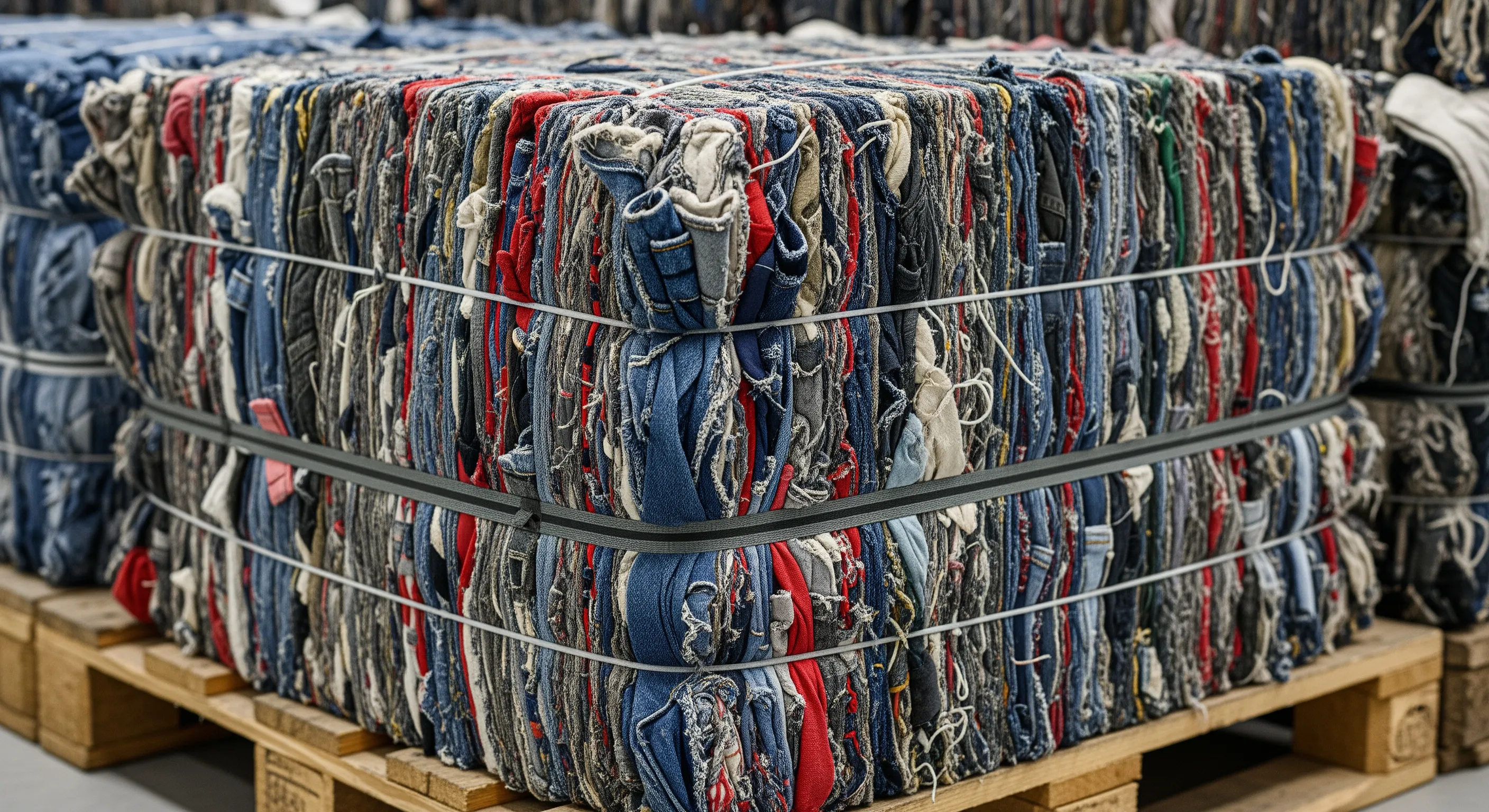
Pro tip: Build strong relationships with suppliers in key sourcing regions for better access to exclusive offers and insider insights.
Logistics and Supply Chain Efficiencies
Efficient logistics play a vital role in the wholesale second hand clothing sector. The strategic location of Italy allows for rapid dispatch and cross-border deliveries throughout Europe, minimizing delays and ensuring timely service for buyers. Understanding the logistics framework is crucial for businesses that want to optimize their supply chain.
Successful logistics also hinge on partnerships with reputable shipping companies experienced in handling bulk clothing orders. This not only ensures safe transit but can also minimize costs associated with shipping and freight.
Pro tip: Collaborate with your logistics partners to establish clear shipping timelines and reliable delivery channels.
The Role of Sorting and Grading
Sorting and grading of second-hand clothing are critical to ensuring quality and marketability. Reliable suppliers in Italy implement stringent grading processes to categorize clothing based on quality, style, and condition. Understanding these grading systems will help B2B buyers make informed purchasing decisions.
Aspects such as color, fabric type, and wear condition are typically factored into grading. Educating yourself on these categories can enhance your ability to select high-quality stock clothing for resale, ensuring customer satisfaction and repeat business.
Pro tip: Visit suppliers to evaluate their grading processes firsthand and to gauge the quality of stock available.
Risk Mitigation in Bulk Orders
When dealing with bulk orders, understanding the various risks involved is essential for trade buyers. Risks such as grading disputes, transit damage, or incomplete documentation can disrupt supply chains and impact profitability. Implementing clear strategies for risk management is crucial.
Maintaining transparency with suppliers about grading expectations can mitigate disputes. Additionally, diligent tracking of shipments helps avoid transit-related issues.
| Risk | Cause | Mitigation |
|---|---|---|
| Grading Disputes | Ambiguity in grading criteria | Establish clear grading descriptions |
| Transit Damage | Poor packaging | Utilize strong packing materials |
| Compliance Issues | Inconsistent documentation | Standardize paperwork across shipments |
| Payment Terms | Misunderstandings | Communicate terms clearly in contracts |
Pro tip: Create a risk assessment checklist to evaluate suppliers and logistics partners to mitigate potential disruptions.
Sustainable Sourcing Practices
As consumers increasingly prioritize sustainability, sourcing second-hand clothing responsibly becomes essential. Wholesalers can contribute to the circular economy by choosing suppliers who prioritize eco-friendly practices in their operations and materials.
By advocating for sustainable sourcing, businesses can not only reduce their ecological footprint but also appeal to a growing market of environmentally conscious consumers. This alignment with sustainability can lead to brand loyalty and customer retention.
Pro tip: Align your sourcing strategy with sustainability goals by evaluating suppliers on their operational practices and impact.
Get a B2B Quote for Italian Second-Hand and Stock Clothing
For trade buyers who need consistent bulk supply, clear grading and efficient EU delivery, explore Recycling Italy at recyclingitaly.com. To request a quote or schedule a warehouse visit near Caserta, contact the team here: Contact Us.
Frequently Asked Questions
What is the minimum order quantity for bulk second-hand clothing?
The typical minimum order quantity (MOQ) is around 1000 kg.
How can I ensure the quality of second-hand clothes?
Ensure to work with reputable suppliers who implement strict grading and sorting standards.
What are the benefits of sourcing second-hand clothing?
Sourcing second-hand clothing helps in promoting sustainability, offering unique products, and ensuring competitive pricing.
How can I mitigate risks when sourcing wholesale clothing?
Implement clear agreements with suppliers, maintain transparency, and regularly track shipments to minimize risks.