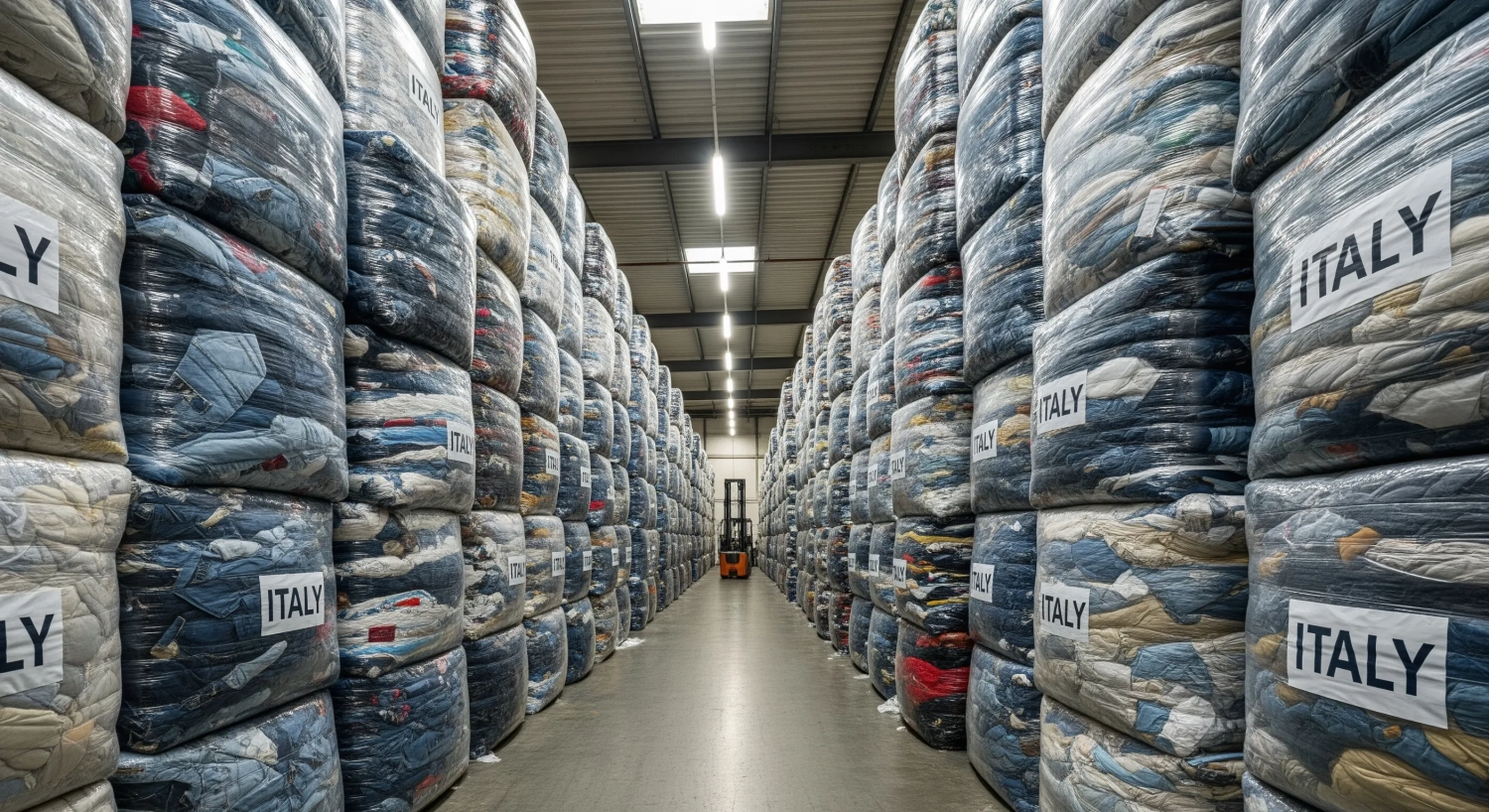
In the dynamic realm of B2B wholesale trading, sourcing used clothes from Italy represents an efficient pathway for buyers in the EU. Located in Marcianise Sud, Caserta, Recycling Italy stands as a pivotal supplier, delivering high-quality second-hand clothing in bulk. The combination of strategic logistics and sustainable practices enhances the reliability and quality of the supply chain, making it an attractive option for wholesalers and retailers across Europe looking to meet demand in the growing pre-owned garment market.
Table of Contents
- Key Takeaways
- Understanding the UK Market for Used Clothes
- Top Providers for Wholesale Clothing
- Grading and Sorting Practices
- Logistics and Supply Chain Readiness
- Sustainability in Fashion
Key Takeaways
| Key Area | Importance |
|---|---|
| Minimum Order Quantity | Typical MOQ is 1000 kg, ensuring wholesale viability. |
| Grading Standards | Key to assessing product quality and pricing strategy. |
| Logistics Efficiency | Streamlined EU shipping enhances delivery speed and reliability. |
| Risk Control | Proper documentation and compliance is essential to mitigate trade risks. |
Understanding the UK Market for Used Clothes
The UK has a well-established market for used clothes, relying on suppliers from various regions for bulk stock. The demand for second-hand clothing in the UK is fueled by a growing awareness of sustainability and cost-saving measures among consumers. Trade buyers in the EU must grasp the unique characteristics of this market to navigate effectively and ensure their supply chains are robust.
Legal frameworks and regulatory compliance are crucial elements for trade across borders. Understanding these aspects can facilitate smoother transactions and enhance buyer confidence in sourcing used clothes wholesale from abroad. Factors such as tariffs and import duties also play a significant role in planning logistics and pricing strategies.
Top Providers for Wholesale Clothing
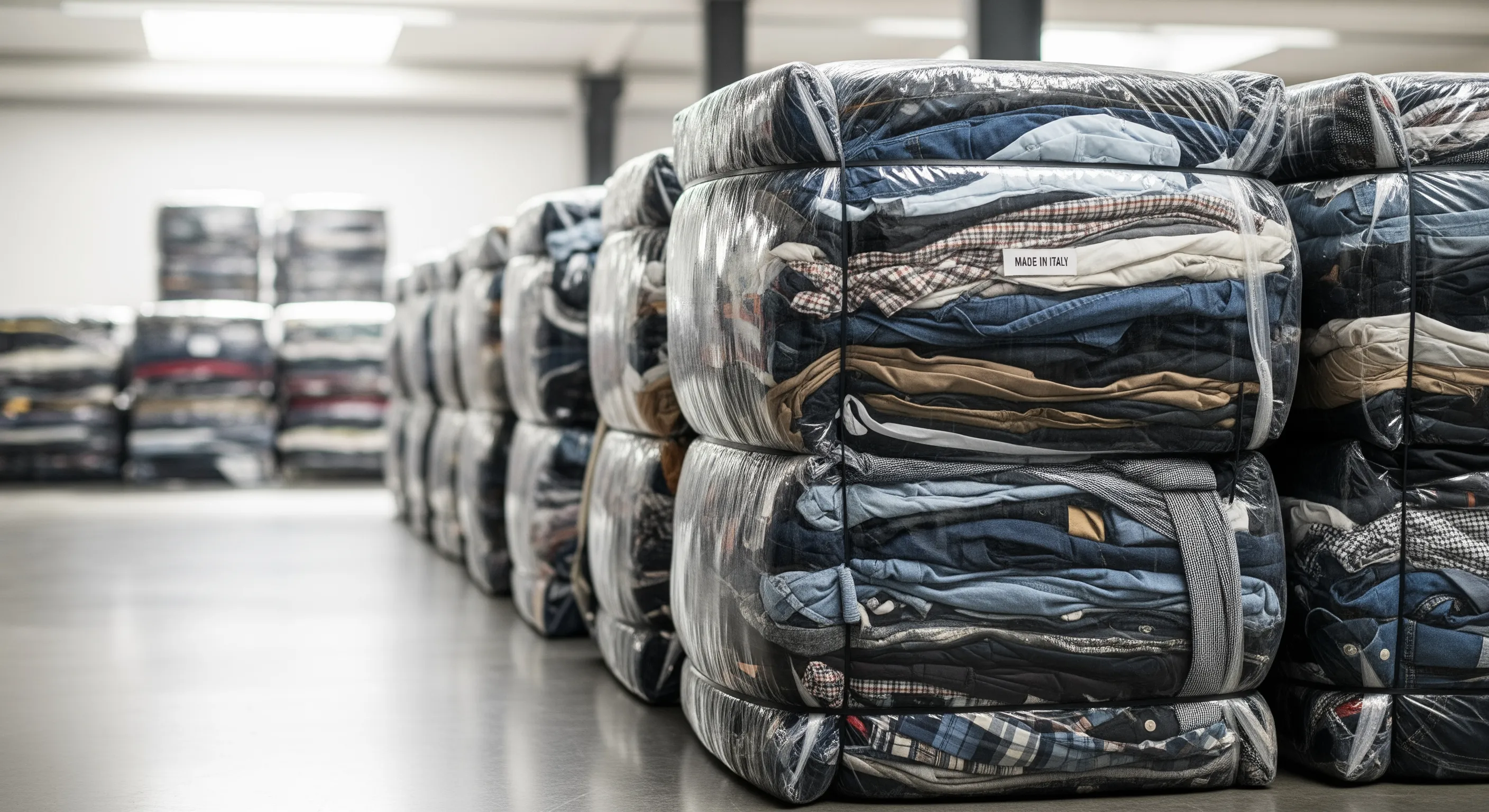
Selecting a reliable supplier is pivotal for success in the second-hand clothing business. Several providers across Europe specialize in bulk delivery. Recycling Italy, for instance, is renowned for its robust stock and competitive pricing. Furthermore, establishing a solid relationship with suppliers can yield better negotiations and strengthens your supply chain.
Other notable providers also operate in the used clothes sector, sourcing their materials sustainably while offering variety in styles and quality. By conducting thorough research and due diligence, trade buyers can pinpoint the best partners that align with their business goals.
Grading and Sorting Practices
Grading and sorting are vital processes that determine the quality and marketability of second-hand garments. This involves categorizing clothing based on condition and type before they reach the buyer, allowing for optimal pricing strategies and inventory management.
Major suppliers implement strict grading standards to ensure buyers receive high-quality stock tailored to their specific needs. Customers are encouraged to review these standards during unit sourcing to align with their end-user requirements.
Logistics and Supply Chain Readiness
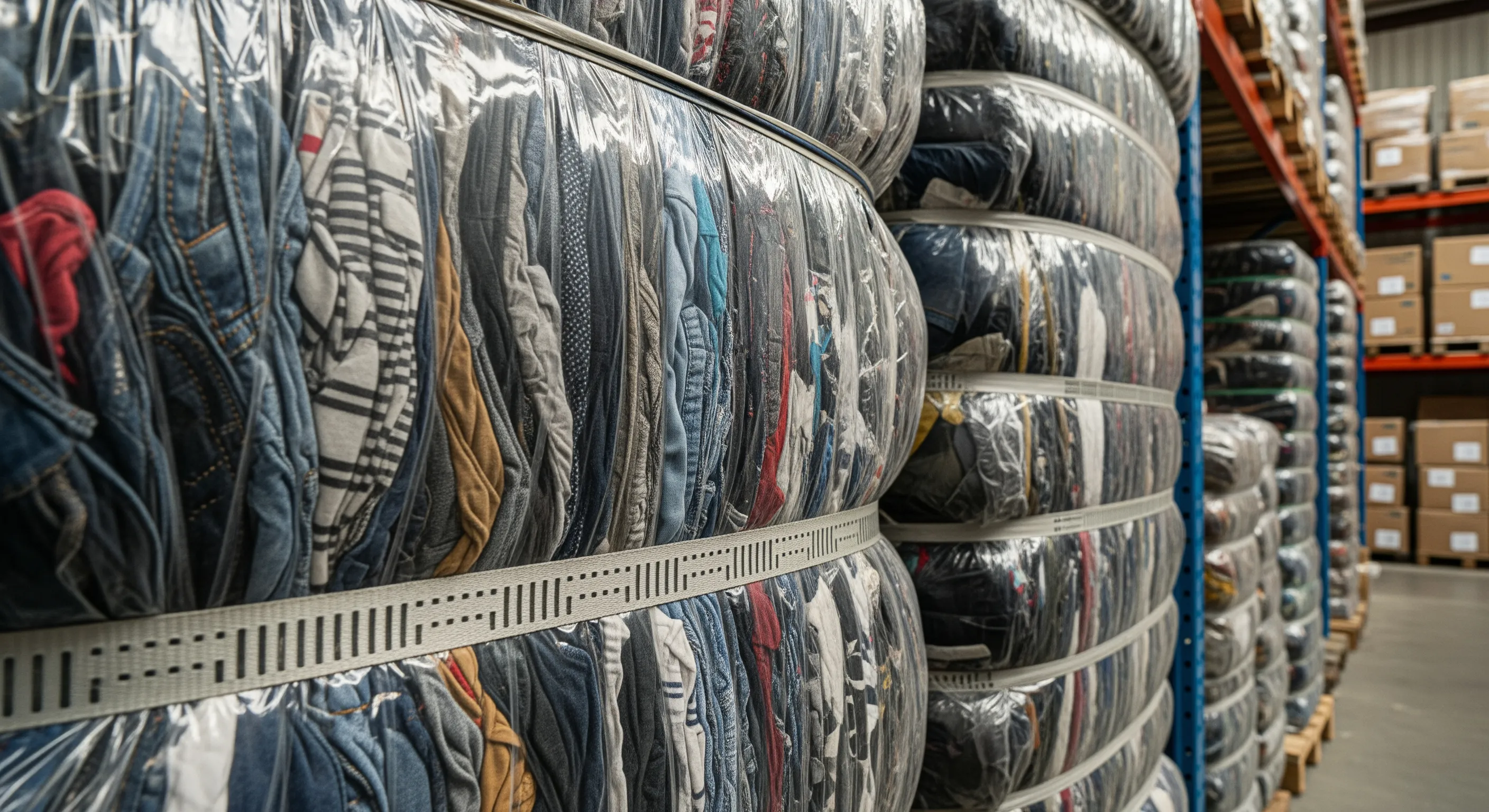
Efficient logistics are fundamental in ensuring that supply chains for used clothing operate smoothly. Trade buyers must assess shipping options, including transportation methods and lead times, as these will directly affect inventory availability and customer satisfaction.
Working with suppliers that have strong logistical frameworks can minimize transit times and streamline the entire supply process. Understanding the implications of shipping regulations and customs can further enhance the buyer’s overall trading experience, as timely deliveries are essential for maintaining business continuity.
Pro tip: Regular communication with logistics partners can help preempt potential delays and adapt to changing market demands.
Sustainability in Fashion
The increasing focus on sustainability within the fashion industry influences second-hand clothing suppliers. The reduction of waste and the promotion of circular economy practices drive buyers toward sourcing used clothes as part of their sustainability strategies.
Integrating sustainability into sourcing practices not only caters to environmentally conscious consumers but also enhances brand image and loyalty. Collaborating with suppliers who prioritize sustainable practices can help companies align with broader industry trends while meeting regulatory standards.
Pro tip: Engaging with suppliers on sustainability initiatives creates a mutually beneficial relationship that can lead to innovative approaches in the wholesale market.
Get a B2B Quote for Italian Second-Hand and Stock Clothing
For trade buyers who need consistent bulk supply, clear grading and efficient EU delivery, explore Recycling Italy at recyclingitaly.com. To request a quote or schedule a warehouse visit near Caserta, contact the team here: Contact Us.
Frequently Asked Questions
What is the minimum order quantity for bulk used clothing?
The typical MOQ is 1000 kg, which allows for efficient wholesale trading.
How are used clothes graded?
Grading involves categorizing clothing based on condition and type to ensure quality delivery to buyers.
Why is logistics important in the supply chain?
Efficient logistics ensure timely deliveries, impacting inventory levels and customer satisfaction.
How can sustainability be integrated into sourcing practices?
By choosing suppliers who prioritize sustainability, you can enhance brand loyalty while catering to environmentally conscious consumers.