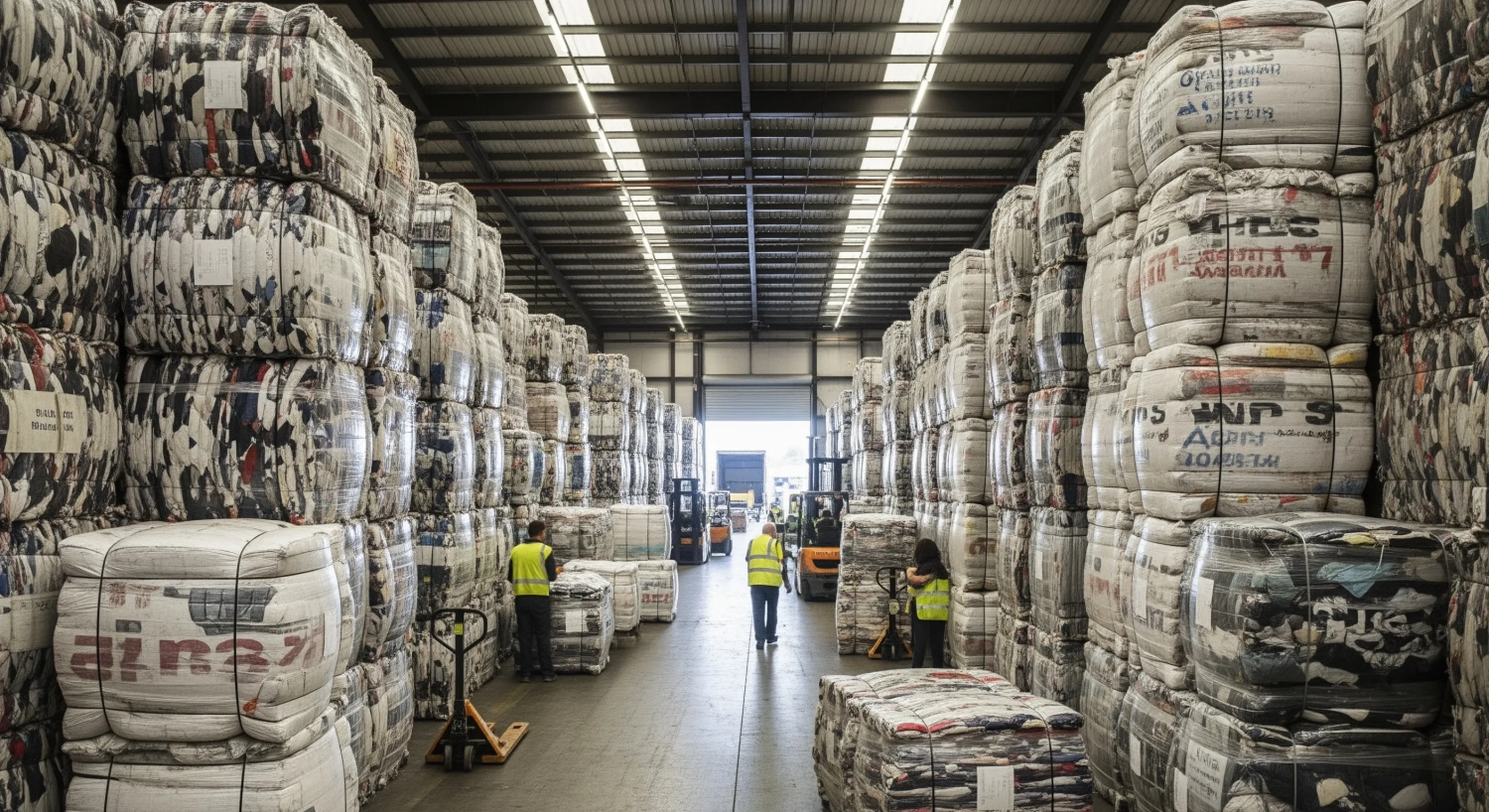
The second-hand clothing market in Germany presents a significant opportunity for B2B buyers in the EU. As a logistics hub in Southern Europe, the region around Caserta, Italy, acts as a pivotal point for importing and exporting bulk quantities of used apparel. With a growing emphasis on sustainability, trade buyers such as wholesalers and store owners can benefit from sourcing quality second-hand clothing that meets both market demand and environmental standards.
Table of Contents
- Understanding the Germany Second-Hand Clothing Market
- Key Players in the Wholesale Clothing Industry
- B2B Strategies for Successful Sourcing
- Logistics and Shipping EU Pallets
- Regulatory Environment in the EU
- Sustainability and the Circular Economy
Key Takeaways
| Aspect | Details |
|---|---|
| MOQ | Typically starts at 1000 kg for bulk orders. |
| Grading | Essential for ensuring quality; focus on reliable grading practices. |
| Logistics | Use of EU-standard containers for efficient cross-border transport. |
| Risk Control | Implement clear payment terms and contracts to mitigate disputes. |
Understanding the Germany Second-Hand Clothing Market
Germany's second-hand clothing market is vibrant and continues to expand, reflecting a significant cultural shift toward more sustainable fashion choices. B2B buyers focusing on second hand clothes wholesale in Germany can tap into a well-organized ecosystem of suppliers and distributors. This market is characterized by diverse options, catering to various retail sectors, including budget boutiques and upscale vintage shops.
The country has seen an increasing demand for used clothing, driven by sustainability initiatives and changing consumer attitudes. In fact, according to an academic research, the historical foundations of garment trades can shed light on current market practices.
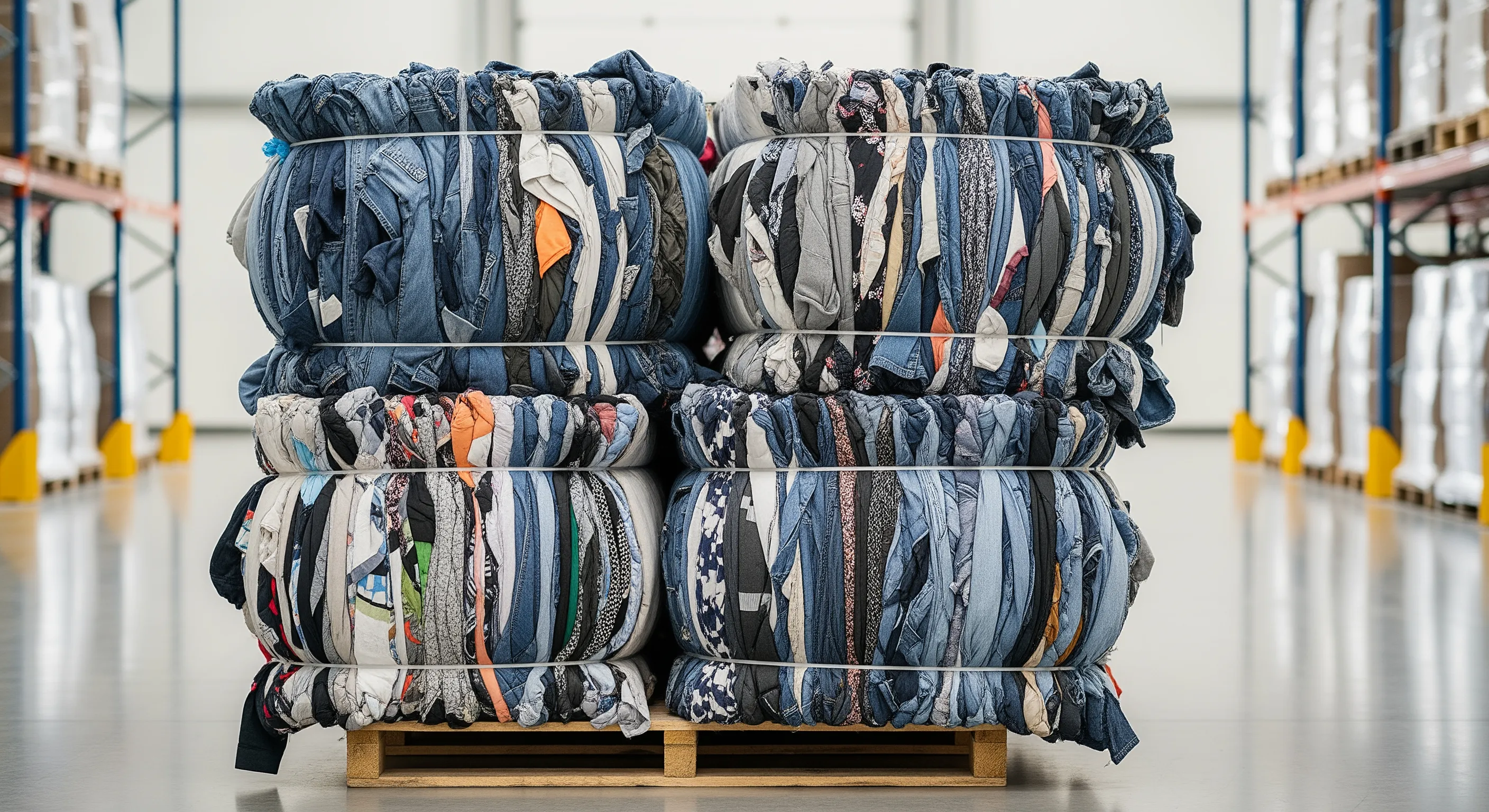
Pro tip: Establish connections with trusted suppliers early to ensure a steady flow of quality merchandise.
Key Players in the Wholesale Clothing Industry
In the context of Germany's second-hand clothing market, several key players stand out as leaders. These include prominent wholesale clothing suppliers who maintain strong networks across Europe. They not only provide second-hand apparel but also contribute to the broader EU supply chain by facilitating imports and exports effectively.
Trade buyers can enhance their sourcing strategies by collaborating with these established used apparel suppliers. Their expertise can streamline purchasing processes and ensure compliance with regional standards. Insights from international studies reveal how trade patterns shape the wholesale landscape.
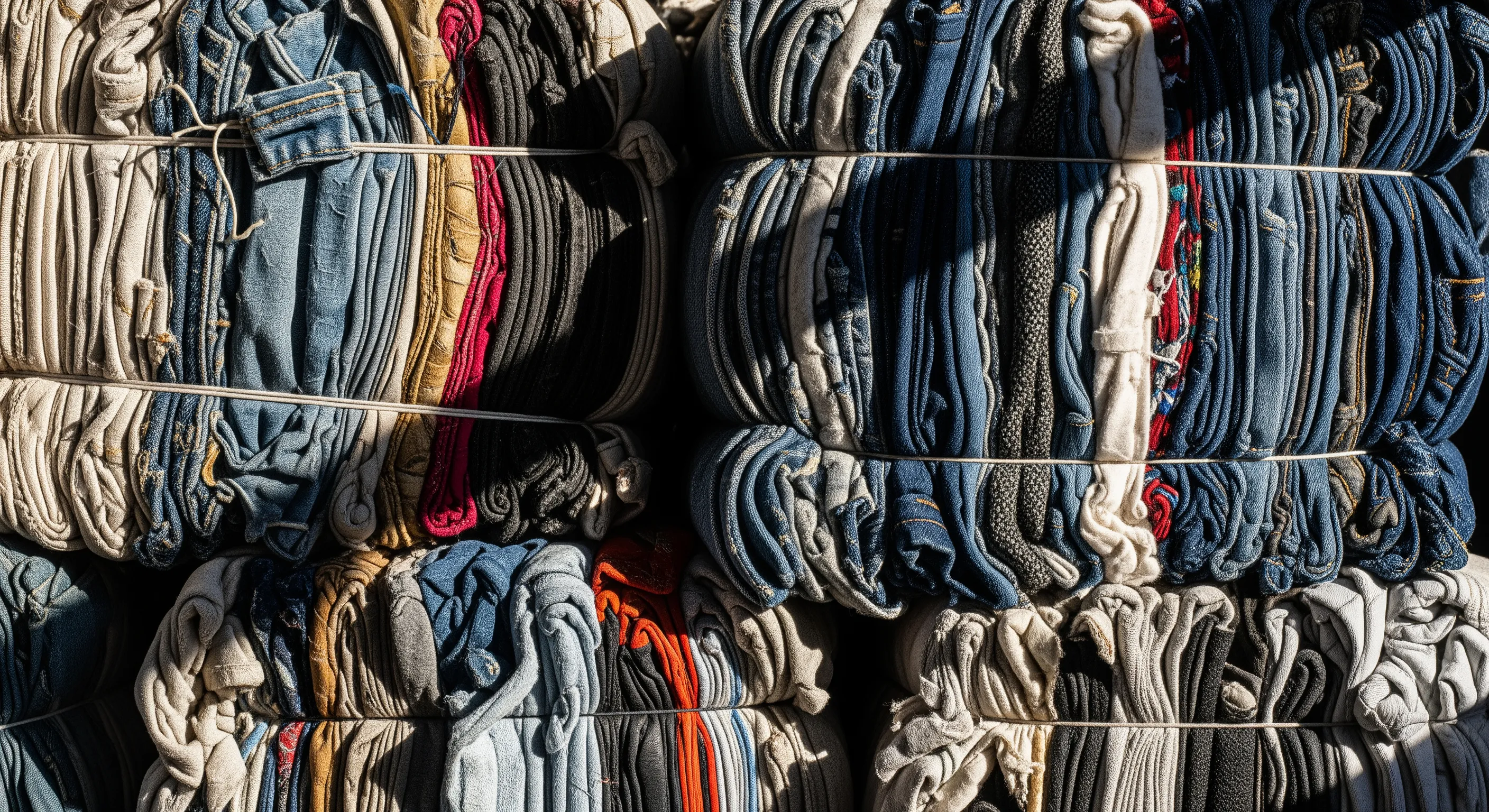
Pro tip: Attend trade fairs and industry expos to discover emerging suppliers and trends in the second-hand clothing market.
B2B Strategies for Successful Sourcing
A successful sourcing strategy is crucial for B2B buyers looking to purchase recycled fashion wholesale. It involves understanding market demands and tailoring offerings to meet those needs. Buyers can select from various grading options to ensure they receive products that fit their target market.
Moreover, embracing digital platforms can facilitate sourcing processes. Online marketplaces provide access to diverse inventories, enabling buyers to compare prices and quality effectively. Leveraging tips from the research on fashion rental models may also reveal valuable insights for B2B trade.
Pro tip: Always request product samples before making large orders to ensure quality and suitability.
Logistics and Shipping EU Pallets
Efficient logistics are vital when sourcing second-hand clothes in bulk. Given the cross-border nature of trade in the EU, understanding shipping logistics contributes to business success. Utilizing EU pallets can streamline transport and customs processes.
B2B buyers should familiarize themselves with customs regulations and sustainable shipping practices to navigate potential challenges effectively. According to recent data, the market dynamics have shifted significantly regarding used textiles exports.
Pro tip: Always check supplier logistics capabilities to avoid unnecessary delays.
Regulatory Environment in the EU
Understanding the regulatory landscape is essential for trade buyers in the second-hand clothing market. The EU has established various guidelines and standards to ensure that imports comply with health and safety regulations. Buyers must stay informed about the latest requirements and adhere to them.
Regulatory challenges can impact sourcing efforts. Hence, trade buyers should educate themselves about compliance aspects. The impact of these regulations on second-hand clothing markets is discussed in this EU report, providing critical insights into compliance procedures.
Pro tip: Regularly review regulatory updates to ensure compliance and avoid penalties.
Sustainability and the Circular Economy
The trend towards sustainability is changing how businesses operate within the fashion industry. The circular economy model emphasizes reusing textiles, which aligns with the current consumer demand for second-hand clothing. Trade buyers can harness this shift by positioning their brands as environmentally conscious.
The EU is actively promoting initiatives that support sustainability. Recent reports highlight that second-hand clothing plays a crucial role in achieving the circular economy objectives, embedded in the European Commission's findings.
Pro tip: Develop a marketing strategy that highlights sustainability efforts to attract conscious consumers.
Get a B2B Quote for Italian Second-Hand and Stock Clothing
For trade buyers who need consistent bulk supply, clear grading and efficient EU delivery, explore Recycling Italy at recyclingitaly.com. To request a quote or schedule a warehouse visit near Caserta, contact the team here: Contact Us.
Frequently Asked Questions
What is the minimum order quantity for bulk purchases?
The minimum order quantity for bulk purchases generally starts at 1000 kg.
How do I ensure product quality when sourcing second-hand clothing?
Request samples and work with established wholesalers to maintain quality standards.
Are there specific regulations for importing second-hand clothes in the EU?
Yes, there are various health and safety regulations that must be followed when importing second-hand clothing.
What role does sustainability play in the second-hand clothing market?
Sustainability is crucial as it drives demand for recycled fashion and aligns with circular economy principles.