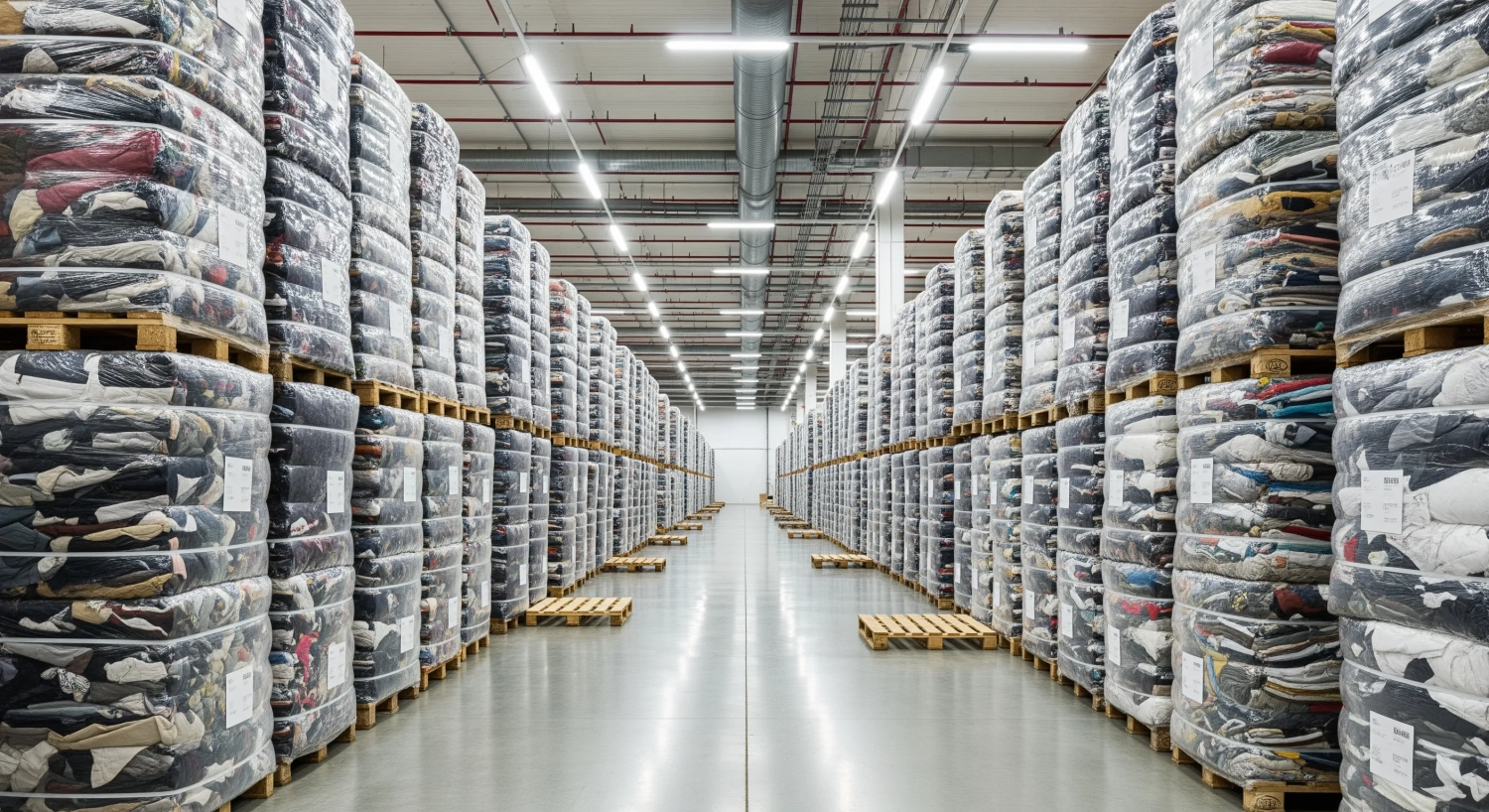
In the thriving market of second-hand clothing, B2B buyers in Italy have a golden opportunity to source high-quality ingrosso usato abbigliamento. Located in the logistics hub of Marcianise Sud, Caserta, Recycling Italy offers reliable options for bulk supply, ensuring trade buyers have access to a diverse range of apparel tailored to their needs. With a focus on sustainability and the circular economy, this sector is poised for growth, making it an attractive choice for wholesalers and retailers across Europe.
Table of Contents
- Key Takeaways
- What is Ingrosso Usato Abbigliamento?
- Why Choose Second-Hand Clothing?
- Assessing Quality in Used Clothing
- Shipping and Logistics Considerations
- Risk Mitigation in B2B Transactions
Key Takeaways
| Aspect | Details |
|---|---|
| Minimum Order Quantity (MOQ) | Typically 1000 kg or more depending on supplier. |
| Grading System | Assessing clothing quality is essential for minimizing losses. |
| Logistics Setup | Cross-border shipping facilities streamline delivery processes. |
| Risk Control | Establish clear payment terms to mitigate transaction risks. |
What is Ingrosso Usato Abbigliamento?
Ingrosso usato abbigliamento involves the wholesale trading of second-hand clothing, catering specifically to businesses rather than individual consumers. This model enables wholesalers, importers, and retailers to purchase bulk quantities at competitive rates. In Italy, this market has seen significant growth, driven by rising demand for sustainable fashion options.
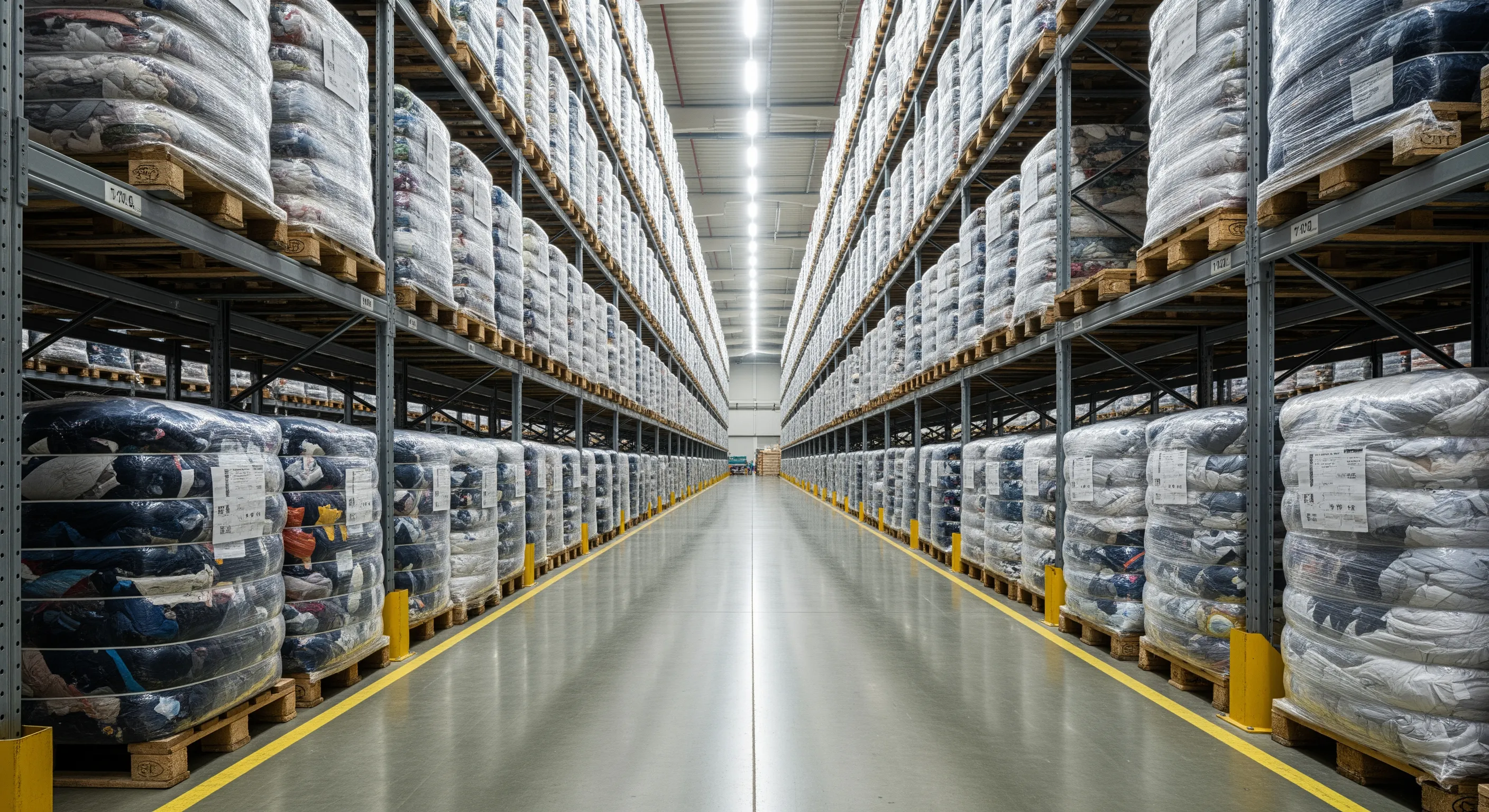
With an organized distribution network in and out of Marcianise Sud, businesses can leverage the efficiency of this hub to optimize their supply chain logistics across Europe. Engaging in this market not only fulfills customer demand but also supports environmental sustainability through the circular economy.
Pro tip: Ensure you understand local regulations on second-hand goods before importing.
Why Choose Second-Hand Clothing?
There are numerous advantages to sourcing second-hand clothing. Firstly, it often comes at a lower price point compared to new clothing, allowing businesses to maximize their margins. Secondly, as consumer awareness about sustainability rises, the demand for second-hand apparel continues to grow, making it an appealing option for inventory.
The European used clothing market is robust, with various suppliers offering diverse styles to meet customer preferences. According to market analysis, cities like Venice and Verona are emerging hotspots for quality wholesale clothing.
Pro tip: Establish relationships with multiple suppliers to diversify your offerings.
Assessing Quality in Used Clothing
Quality assessment is a critical component of the wholesale used clothing trade. Each piece must be examined for wear and tear, ensuring the clothing meets the standards set by retailers and customers alike. Grading systems are often put in place to classify items based on their condition, which helps in setting proper pricing strategies.
Additionally, transparency with buyers about quality is essential. Providing the right information enhances trust and can lead to repeat business. Checklists for quality control can minimize grading disputes and ensure a smooth transaction process.
Pro tip: Implement a standardized grading process to ensure consistency across batches.
Shipping and Logistics Considerations
Effective shipping logistics are vital for B2B transactions. With Italy's strategic location in Southern Europe, businesses can benefit from shorter transit times and lower shipping costs. Engaging reliable shipping partners for cross-border logistics ensures that goods reach buyers swiftly and efficiently.
Trade buyers must also be aware of customs regulations and documentation requirements, which can vary between EU countries. Proper documentation is essential for seamless operations and can prevent costly delays. According to EU logistics guidelines, companies must ensure compliance to facilitate quick movement of goods.
Pro tip: Work closely with logistics partners to streamline customs processes.
Risk Mitigation in B2B Transactions
Mitigating risks in B2B transactions is essential for protecting investments. Key areas of concern include payment terms, grading disputes, and potential damages during transit. Establishing clear agreements upfront can significantly reduce misunderstandings later.
A practical approach includes setting payment terms that trust both parties while holding suppliers accountable for quality. To manage grading disputes, create a clear grading system that can be mutually understood. Additionally, insuring goods during transit can protect against potential damage.
| Potential Risks | Causes | Mitigation Strategies |
|---|---|---|
| Grading Disputes | Inconsistent quality assessments | Standardized grading criteria |
| Transit Damage | Poor handling of goods | Insurance during transportation |
| Compliance Issues | Incomplete documentation | Thorough checklists for customs |
| Payment Risks | Late payments from buyers | Clear payment terms agreed in advance |
Get a B2B Quote for Italian Second-Hand and Stock Clothing
For trade buyers who need consistent bulk supply, clear grading and efficient EU delivery, explore Recycling Italy at recyclingitaly.com. To request a quote or schedule a warehouse visit near Caserta, contact the team here: Contact Us.
Frequently Asked Questions
What is the minimum order quantity for second-hand clothing?
The typical MOQ is around 1000 kg, tailored to the supplier's requirements.
How should I assess the quality of used clothing?
Implement a grading system that includes checks for wear and tear to ensure quality.
What are the logistics considerations for importing used clothing?
Understand customs regulations and work with efficient logistics partners.
What risks should I consider when purchasing used clothing?
Focus on grading disputes, transit damage, and compliance issues to mitigate risks.