Second Hand Used Clothes Wholesale: A Sustainable Choice
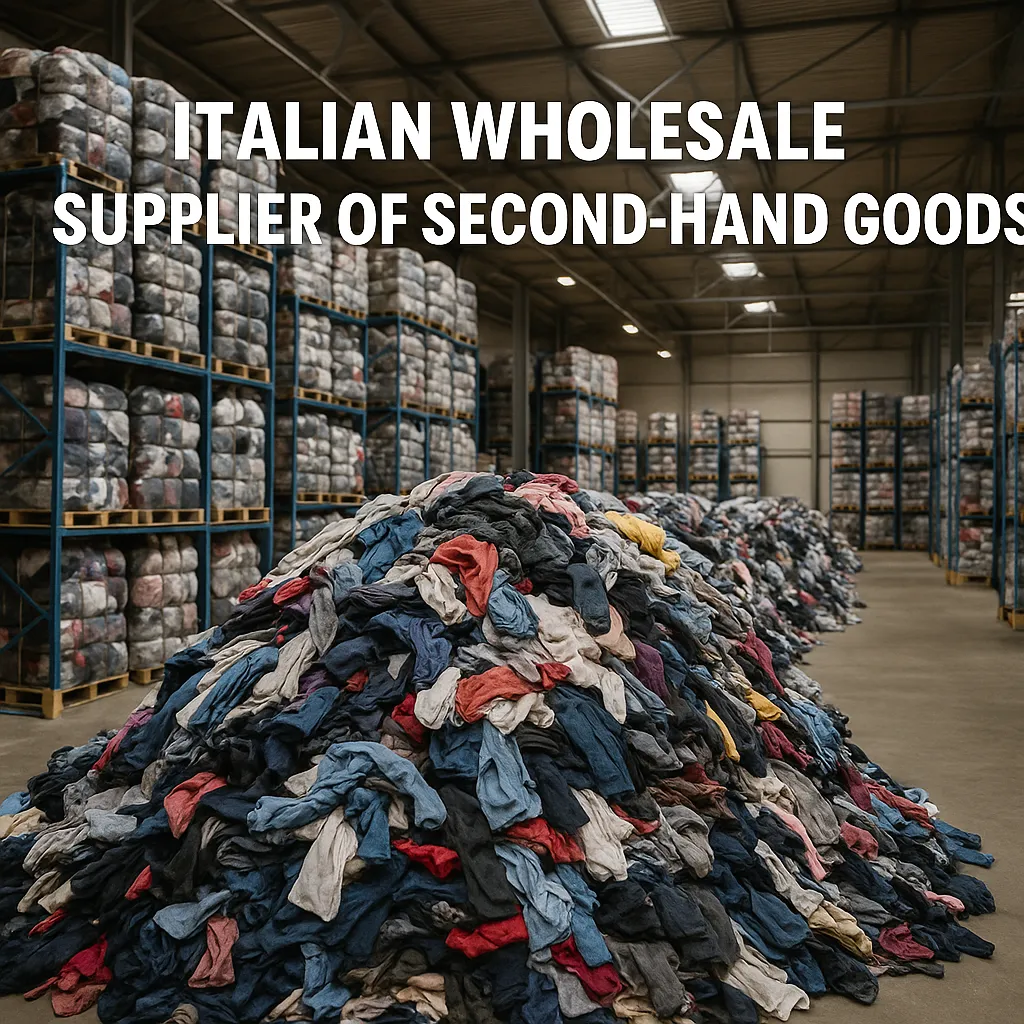
Second hand used clothes wholesale has emerged as a significant trend in the fashion industry, catering to both environmental consciousness and economic efficiency. As consumers become more aware of the impact of fast fashion, there is a growing demand for high-quality second-hand items. Wholesale suppliers play a crucial role in this marketplace, providing retailers with access to an extensive range of used clothing that meets the needs of diverse customers. By embracing second-hand clothing, businesses can not only enhance their product offerings but also contribute to sustainable practices that benefit both the planet and their bottom line.
The Benefits of Second Hand Used Clothes Wholesale
Choosing to source second hand used clothes wholesale offers numerous advantages for retailers and consumers alike. Firstly, it allows businesses to provide unique and varied clothing options that stand out in a saturated market. Second-hand items often come with rich histories and distinct styles that appeal to fashion-forward shoppers looking for individuality. Furthermore, wholesale purchasing typically reduces costs significantly compared to sourcing new inventory, allowing retailers to maintain healthier profit margins. This is especially advantageous for small businesses or those just starting, as they can stock their stores without incurring heavy expenses. Additionally, sourcing second-hand clothing supports sustainable practices by reducing waste and minimizing the demand for new production, thereby conserving valuable resources and energy.
Environmental Impact of Second Hand Clothing
One of the most compelling reasons to consider second hand used clothes wholesale is the positive environmental impact associated with it. The fashion industry is notorious for its high levels of waste and pollution, with millions of tons of clothing ending up in landfills each year. By opting for second-hand garments, retailers can play a pivotal role in reducing this environmental burden. The lifecycle of a garment extends significantly when it is reused, thereby decreasing the overall carbon footprint associated with the production of new clothing. In this way, businesses not only fulfill their corporate social responsibilities but also appeal to an increasingly eco-conscious consumer base that prioritizes sustainable shopping practices.
Quality and Variety in Wholesale Offers
When it comes to second-hand clothing, quality is often a key concern for retailers and consumers alike. Fortunately, many wholesale suppliers specialize in curating high-quality used clothing, ensuring that each piece meets specific standards before it is offered for sale. This focus on quality allows retailers to confidently stock their shelves with items that are not only stylish but also durable, providing excellent value for their customers. Moreover, the variety found in wholesale second-hand clothing is unmatched; retailers can access a wide array of brands, styles, and sizes, catering to a diverse clientele. This variety not only enhances the shopping experience for customers but also helps retailers to differentiate themselves in a competitive market. With the right wholesale partner, businesses can create a distinctive inventory that resonates with their target audience.
Building a Sustainable Business Model
Incorporating second hand used clothes wholesale into a retail business model is a strategic move towards sustainability. As consumers increasingly seek out environmentally friendly options, retailers who offer second-hand clothing can attract a loyal customer base that values sustainability. Additionally, by aligning their brand with eco-friendly practices, businesses can enhance their reputation and differentiate themselves from competitors who may not prioritize sustainability. Retailers can also leverage their commitment to sustainable fashion through marketing strategies, such as highlighting the environmental benefits of purchasing second-hand items. This approach not only drives sales but also fosters a sense of community among consumers who share similar values. Ultimately, building a business around second-hand clothing allows retailers to thrive in a market that increasingly values ethical consumption.
How to Source Second Hand Used Clothes Wholesale
Sourcing second hand used clothes wholesale requires a strategic approach to ensure quality and reliability. Retailers should start by researching reputable wholesale suppliers who specialize in second-hand clothing. It's essential to evaluate their offerings, pricing structures, and shipping policies to find a partner that aligns with their business goals. Many suppliers provide sample packs, allowing retailers to assess the quality and variety of clothing available before making a larger commitment. Additionally, building a relationship with suppliers can lead to better pricing and exclusive deals, making it easier for retailers to stock their shelves with desirable items. Attending trade shows and industry events can also provide valuable networking opportunities, helping retailers connect with potential suppliers and stay informed about trends in the second-hand clothing market.
Marketing Your Second Hand Clothing Business
Effective marketing is crucial for the success of any retail business, and this is especially true for those focused on second hand used clothes wholesale. Retailers should leverage social media platforms to showcase their unique inventory, using high-quality images and engaging content to attract potential customers. Additionally, storytelling can be a powerful marketing tool, allowing retailers to share the history of their items and the sustainability benefits of purchasing second-hand clothing. Collaborations with influencers or local fashion bloggers can also help increase visibility and credibility, driving more traffic to both physical and online stores. Implementing loyalty programs or promotions can incentivize repeat purchases, fostering long-term relationships with customers who appreciate the values of sustainability and unique fashion.
Challenges and Considerations
While the benefits of second hand used clothes wholesale are significant, retailers must also be aware of the challenges associated with this business model. Sourcing quality inventory consistently can be a hurdle, as the availability of second-hand items can fluctuate. Additionally, retailers must be prepared to manage inventory effectively, ensuring that they maintain a diverse selection of items that appeal to their customer base. Understanding customer preferences and trends is vital in this regard, as it allows businesses to curate their offerings accordingly. Furthermore, retailers need to establish clear pricing strategies that reflect the quality and uniqueness of their clothing while remaining competitive in the market. By addressing these challenges proactively, retailers can position themselves for success in the ever-evolving second-hand clothing landscape.
Customer Engagement in the Second Hand Market
Engaging customers is vital for the success of a retail business focused on second hand used clothes wholesale. Retailers should prioritize building relationships with their clientele, fostering a sense of community around their brand. This can be achieved through interactive social media campaigns, where customers are encouraged to share their second-hand finds and styling tips. Hosting events, such as clothing swaps or sustainability workshops, can also enhance customer engagement while promoting the values of reusing and recycling fashion. Additionally, retailers should actively seek feedback from their customers to understand their preferences and interests better, allowing for more tailored offerings. By creating a welcoming and inclusive shopping environment, businesses can cultivate a loyal customer base that not only supports their brand but also advocates for sustainable fashion practices in their communities.
FAQ
What is second hand used clothes wholesale?
Second hand used clothes wholesale refers to the bulk purchasing of pre-owned clothing items from suppliers for resale in retail outlets. This approach allows businesses to access a diverse range of high-quality garments at a lower cost than new clothing, making it a popular choice for retailers focused on sustainability and unique fashion offerings. By sourcing wholesale, retailers can also reduce their environmental impact and contribute to a circular economy.
How can I find reliable suppliers for second hand clothes?
Finding reliable suppliers for second hand clothes involves conducting thorough research. Start by exploring online directories and marketplaces that connect retailers with wholesalers. Attend trade shows and fashion expos to meet suppliers in person. Look for reviews and testimonials from other retailers to assess their reputation. Building relationships with suppliers through direct communication can also provide insights into their inventory quality and reliability.
What are the benefits of selling second hand clothing?
Selling second hand clothing offers numerous benefits, including reduced inventory costs, unique product offerings, and a positive environmental impact. Retailers can attract eco-conscious customers who prioritize sustainability and seek distinctive styles. Additionally, selling second-hand items can enhance a retailer's brand image, positioning them as responsible and socially aware businesses committed to reducing fashion waste.
Are second hand clothes of good quality?
Many second hand clothes can be of excellent quality, especially when sourced from reputable suppliers who specialize in curation. Retailers should ensure they partner with suppliers that prioritize quality control to provide garments that are both stylish and durable. Additionally, shoppers often appreciate the unique character and craftsmanship found in vintage and pre-owned items, making them desirable choices.
How can I market my second hand clothing business effectively?
Effective marketing of a second hand clothing business can include leveraging social media to showcase unique pieces and engage with customers. Utilizing storytelling in marketing campaigns can highlight the history and sustainability benefits of the clothing. Collaborations with influencers and hosting local events can also enhance visibility and community engagement, driving traffic to both online and physical stores.
What challenges do retailers face when selling second hand clothes?
Retailers selling second hand clothes may face challenges such as inconsistent inventory quality and fluctuations in availability. Effectively managing stock and understanding customer preferences are crucial for success. Additionally, retailers need to establish clear pricing strategies that reflect the uniqueness of their offerings while remaining competitive in the market.