Reliable Suppliers of Second Hand Clothes
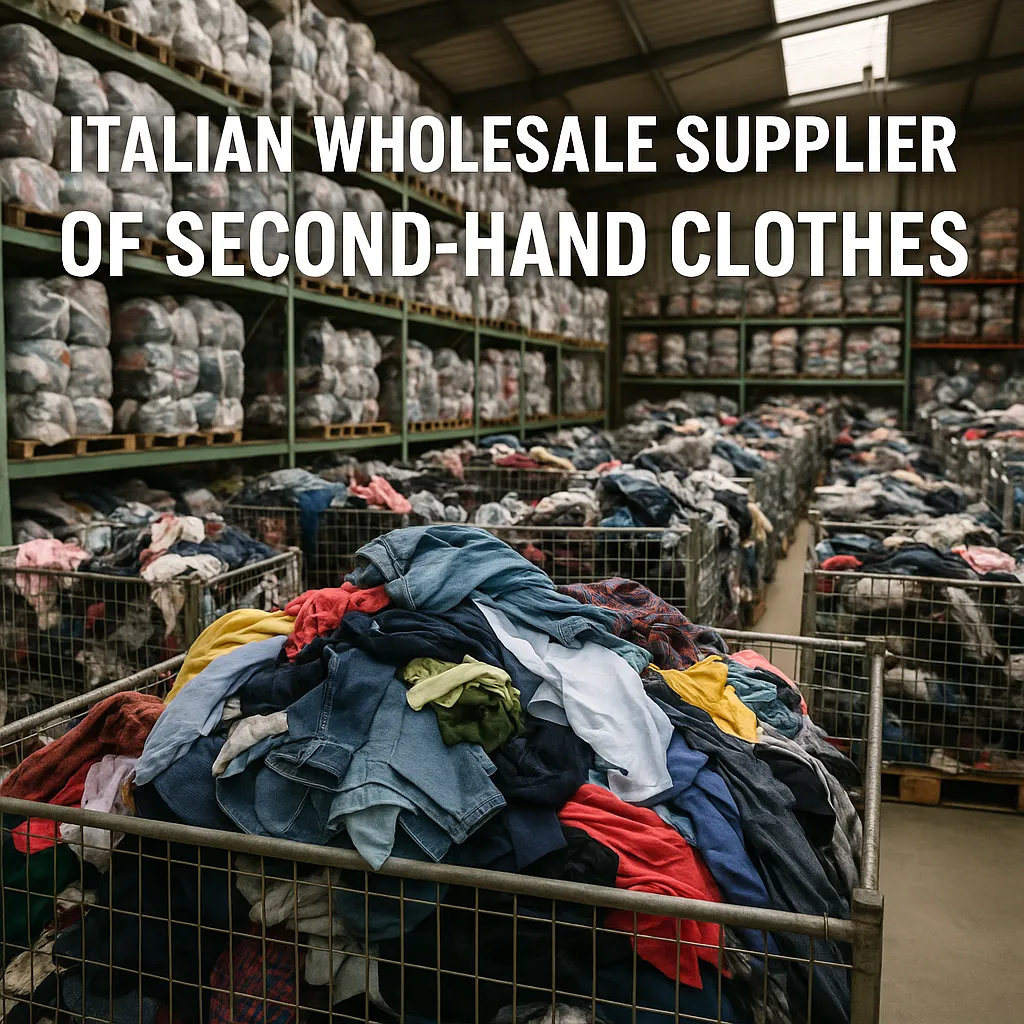
When seeking suppliers of second hand clothes, it's crucial to understand the broader implications of this industry. The demand for second hand clothing has surged in recent years, driven by a growing awareness of sustainability and ethical fashion. With the fast fashion industry facing scrutiny over its environmental impact, many consumers and businesses are turning towards second hand options as a viable alternative. This shift not only supports eco-friendly practices but also opens the door for unique fashion finds that can’t be found in traditional retail outlets. By sourcing from suppliers of second hand clothes, retailers can provide their customers with diverse, quality options while contributing to a circular economy that reduces waste and promotes sustainability.
The Importance of Sourcing from Trusted Suppliers
Choosing the right suppliers of second hand clothes can significantly impact a brand's reputation and sustainability efforts. Reliable suppliers ensure that the clothing is not only of good quality but also ethically sourced, adhering to fair labor practices. This is paramount in a market where consumers are increasingly scrutinizing the origins of their purchases. Working with reputable suppliers not only helps in maintaining quality control but also builds trust with customers who are becoming more environmentally conscious. Furthermore, these suppliers often provide detailed information about the items they offer, allowing retailers to make informed decisions. This can lead to better inventory management and a more curated shopping experience for consumers. By building strong relationships with trusted suppliers, businesses can enhance their offerings while supporting ethical practices.
Understanding the Supply Chain
The supply chain for second hand clothing can be complex, involving various stages from collection to distribution. Suppliers typically gather clothing through donations, unsold retail stocks, and recycling initiatives. Once collected, these garments are sorted, cleaned, and prepared for resale. Understanding this process is essential for retailers as it influences pricing, inventory, and marketing strategies. Retailers must also consider logistics, such as transportation and warehousing, which can affect costs and efficiency. Collaborating with suppliers who have a transparent supply chain can help retailers optimize these processes, ensuring that they can provide consumers with high-quality second hand clothing. Additionally, being informed about the supply chain can aid in marketing efforts, as storytelling about the origins of pieces can resonate with environmentally conscious customers.
Benefits of Second Hand Clothing
Incorporating second hand clothing into retail offerings provides numerous benefits beyond environmental sustainability. For consumers, it offers a unique opportunity to discover one-of-a-kind items that stand out from mass-produced fashion. The affordability of second hand clothing also makes it an attractive option for budget-conscious shoppers, allowing them to access quality products at a fraction of the cost of new items. For retailers, selling second hand clothing can enhance brand image by aligning with consumer values around sustainability and ethical practices. Furthermore, it can create a loyal customer base that appreciates the unique nature of second hand finds. As the market continues to evolve, embracing second hand clothing can be a strategic decision that differentiates retailers from competitors while promoting a more sustainable future.
Finding Reliable Suppliers
When searching for suppliers of second hand clothes, retailers should consider various factors. The first step is to conduct thorough research to identify potential suppliers who specialize in second hand clothing. This can involve attending trade shows, networking within the industry, and utilizing online platforms that connect retailers with suppliers. Once potential suppliers are identified, it's essential to evaluate their reputation and reliability. This can be done by seeking reviews, testimonials, and case studies from other retailers who have partnered with them. Additionally, visiting the supplier's facilities can provide valuable insights into their operations and quality control processes. Establishing a solid relationship with a supplier through clear communication and mutual understanding will foster a partnership that can lead to successful outcomes for both parties involved.
Challenges in the Second Hand Clothing Market
Despite the growing popularity of second hand clothing, this market is not without its challenges. One significant issue is the stigma that still surrounds second hand items, with some consumers perceiving them as inferior or dirty. Overcoming this perception requires strategic marketing efforts to highlight the benefits of second hand clothing, such as its affordability and sustainability. Additionally, suppliers must ensure that the clothing they provide is in good condition, as quality concerns can deter potential buyers. Another challenge is the variability in supply; demand for second hand clothes can fluctuate, leading to issues with inventory management. Retailers need to develop strategies to effectively manage their stock levels while ensuring a diverse range of products is available to meet consumer demand. Education plays a crucial role in addressing these challenges, as retailers can help consumers understand the value and benefits of purchasing second hand clothing.
Ethical Considerations in Sourcing
When working with suppliers of second hand clothes, ethical considerations should be at the forefront of any partnership. It's vital for retailers to ensure that their suppliers adhere to fair labor practices and environmental standards. This not only protects the workers involved in the supply chain but also aligns with the values of socially conscious consumers. Retailers should engage in open dialogue with suppliers about their practices and policies, seeking transparency throughout the sourcing process. Certifications and third-party audits can also serve as valuable tools for verifying the ethical standards of suppliers. By prioritizing ethical considerations, retailers can not only enhance their brand image but also contribute positively to the communities involved in the production and distribution of second hand clothing.
Future Trends in Second Hand Clothing
The future of the second hand clothing market looks promising, driven by changing consumer behaviors and advancements in technology. As sustainability becomes a key focus for consumers, the demand for second hand clothing is expected to continue growing. Retailers are increasingly investing in e-commerce platforms and online marketplaces to reach a broader audience, making it easier for consumers to access second hand items. Innovations in technology also enable better inventory management and more efficient supply chains, allowing suppliers to meet consumer demand effectively. Additionally, collaborations between brands and second hand suppliers are becoming more common, creating unique collections that appeal to eco-conscious shoppers. As the market evolves, staying ahead of these trends will be essential for retailers looking to capitalize on the opportunities that second hand clothing presents.
The Impact of Second Hand Clothing on Sustainability
Engaging with suppliers of second hand clothes has a profound impact on sustainability efforts, particularly in combating the fashion industry's environmental footprint. The fashion industry is notorious for its high levels of waste and resource consumption; however, second hand clothing offers a solution by extending the lifecycle of garments. By choosing to purchase second hand items, consumers and retailers alike reduce the demand for new production, thereby minimizing the use of resources such as water, energy, and raw materials. Additionally, the diversion of clothing from landfills is a critical aspect of sustainability, as textile waste is one of the fastest-growing waste streams globally. Retailers that embrace second hand clothing not only contribute to environmental preservation but also empower consumers to make more conscious purchasing decisions. This shift towards sustainability can foster a positive brand image, ultimately leading to increased customer loyalty and trust.
FAQ
What are suppliers of second hand clothes?
Suppliers of second hand clothes are entities that collect, process, and distribute pre-owned garments for resale. They play a crucial role in the fashion supply chain by ensuring that these items are cleaned, sorted, and ready for new consumers. Suppliers may source their inventory from various channels, including donations, thrift stores, and unsold stock from retailers. By working with these suppliers, businesses can offer their customers affordable, unique clothing options while promoting sustainable practices. The emergence of this market reflects a growing consumer preference for eco-friendly alternatives, making it essential for retailers to build strong relationships with reliable suppliers.
How can I find reliable suppliers of second hand clothes?
Finding reliable suppliers of second hand clothes involves conducting thorough research and networking within the industry. Start by exploring online platforms that connect retailers with suppliers, attending trade shows, or joining industry associations. Once you’ve identified potential suppliers, evaluate their reputation through customer reviews, testimonials, and case studies. Visiting their facilities can also provide insights into their operations and quality control processes. Establishing clear communication and transparency with suppliers will help foster a strong partnership, ensuring that you have a consistent source of quality second hand clothing.
What are the benefits of purchasing second hand clothing?
Purchasing second hand clothing offers numerous benefits, including affordability, uniqueness, and sustainability. Consumers can find one-of-a-kind items at a fraction of the cost of new clothing, making it an attractive option for budget-conscious shoppers. Additionally, buying second hand helps reduce waste by extending the lifecycle of garments, contributing positively to the environment. For retailers, offering second hand clothing can enhance brand image and attract eco-conscious consumers. As awareness around sustainability grows, purchasing second hand becomes a practical choice for those looking to make a positive impact on the planet.
Are there any challenges in the second hand clothing market?
Yes, the second hand clothing market faces several challenges, including stigma, quality concerns, and inventory management. Some consumers may perceive second hand items as inferior or dirty, which can hinder sales. Suppliers must ensure that the clothing they provide is in good condition to alleviate these concerns. Additionally, the variability in supply can lead to difficulties in inventory management, requiring retailers to develop effective strategies to meet consumer demand. Addressing these challenges through education and marketing can help improve perceptions and encourage consumers to embrace second hand clothing.
How does second hand clothing contribute to sustainability?
Second hand clothing contributes to sustainability by reducing the demand for new garment production, thereby minimizing resource consumption and waste generation. The fashion industry is a significant contributor to environmental degradation, but by purchasing pre-owned items, consumers help extend the lifecycle of clothing and divert it from landfills. This not only conserves resources like water and energy but also reduces the carbon footprint associated with manufacturing new garments. By supporting the second hand clothing market, consumers and retailers alike can play a vital role in fostering a more sustainable and eco-friendly fashion landscape.
For more information about our range of products or to learn about our social mission, visit our products page or our social mission section. If you have any questions or wish to connect, feel free to contact us.
Disclaimer: This article is for informational purposes only and should not be construed as professional advice. Always consult with a qualified professional for specific guidance.