Quality Used Wholesale Clothing in Bulk for Your Business
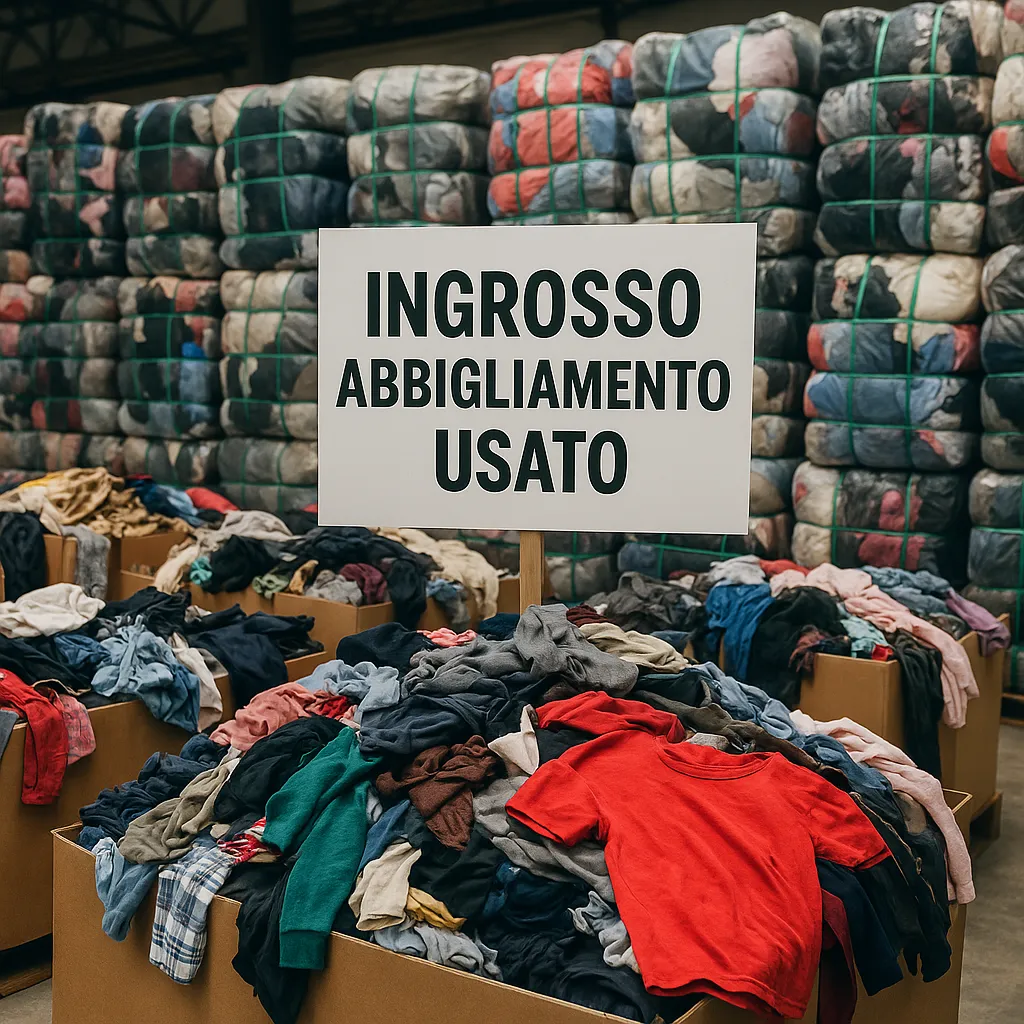
When it comes to sourcing apparel for your retail business, used wholesale clothing in bulk presents an incredible opportunity for affordability and sustainability. The fashion industry is notorious for its environmental impact, and opting for secondhand clothing not only helps mitigate this issue but also provides unique products that can attract a diverse customer base. By integrating used clothing into your inventory, you can cater to eco-conscious consumers while also enjoying the cost benefits associated with purchasing in bulk. This article will explore various aspects of sourcing secondhand clothing, its advantages, and how to successfully navigate this market.
Understanding the Market for Used Wholesale Clothing in Bulk
The market for used wholesale clothing in bulk continues to grow as more retailers recognize the importance of sustainability in fashion. Consumers are increasingly gravitating towards brands that prioritize eco-friendly practices, making it essential for businesses to adapt. Sourcing used clothing can provide a competitive edge by offering unique items that stand out from mass-produced alternatives. Additionally, the potential for significant profit margins exists as the cost of secondhand garments is often substantially lower than new clothing. This enables retailers to set prices that are still attractive to customers while maintaining healthy profit margins. Understanding the dynamics of this market is crucial as it allows businesses to make informed decisions about their inventory and marketing strategies.
Where to Source Used Wholesale Clothing
Finding reliable suppliers for used wholesale clothing in bulk is key to ensuring the quality and diversity of your inventory. Various channels exist for sourcing secondhand apparel, including liquidation sales, thrift store partnerships, and online marketplaces specializing in bulk sales of used clothing. Attending trade shows and industry expos can also be an effective way to connect with suppliers and discover new trends in secondhand fashion. It is essential to establish relationships with reputable suppliers who can provide consistent quality and timely deliveries. Additionally, consider the origin of the clothing you are sourcing; items from thrift stores often come with a rich history that can enhance their appeal to consumers seeking unique fashion statements.
Quality Control in Bulk Purchases
When purchasing used clothing in bulk, maintaining quality control is paramount to ensuring customer satisfaction. Before finalizing a bulk order, it's advisable to request samples or smaller quantities to assess the quality of the garments. Inspecting for signs of wear, checking for damages, and ensuring that items are clean and in sellable condition are crucial steps in this process. Furthermore, developing a clear return policy with your suppliers can protect your business from potential losses due to unsatisfactory products. By prioritizing quality control, retailers can enhance their brand reputation and foster customer loyalty, which is essential for long-term success in the used clothing market.
Marketing Your Used Wholesale Clothing
Marketing used wholesale clothing in bulk requires a unique approach that emphasizes sustainability and individuality. Highlighting the eco-friendly aspects of your offerings can resonate with consumers who are increasingly aware of the environmental impact of their purchasing decisions. Utilize social media platforms to showcase your unique finds, share stories behind specific garments, and highlight the benefits of choosing used clothing over fast fashion. Collaborating with influencers who align with your brand values can also extend your reach and attract new customers. Additionally, consider hosting events or pop-up shops where customers can experience your offerings in person, allowing them to appreciate the quality and uniqueness of the items you provide.
Building a Community Around Sustainability
Creating a community focused on sustainability can significantly boost your brand's visibility and encourage customer engagement. By fostering a dialogue around responsible fashion choices, you can build a loyal customer base that supports your mission. Consider creating content that educates consumers about the benefits of buying used clothing, such as reducing waste and supporting ethical fashion practices. Engaging with customers through social media, newsletters, and local events can help reinforce this community. Furthermore, highlighting your partnerships with charitable organizations or local initiatives can enhance your brand's image and appeal to socially conscious shoppers. A strong community can drive word-of-mouth marketing and create a network of loyal supporters.
Potential Challenges and Solutions
While there are numerous benefits to selling used wholesale clothing in bulk, it's important to recognize the challenges that may arise. One significant challenge is the unpredictability of inventory; the availability and quality of secondhand clothing can vary widely. To mitigate this risk, maintain strong relationships with multiple suppliers and continuously seek out new sourcing opportunities. Another challenge is consumer perceptions; some customers may be hesitant to purchase used clothing due to stigma. Educating your audience and promoting the value of secondhand fashion can help shift these perceptions over time. Creating captivating marketing campaigns that emphasize the uniqueness and sustainability of used clothing can also aid in overcoming these hurdles, ultimately leading to a successful business model.
Conclusion: Embrace the Future of Fashion
The future of fashion is undoubtedly leaning towards sustainability, and incorporating used wholesale clothing in bulk into your inventory is a powerful way to embrace this shift. By understanding the market dynamics, sourcing quality products, and effectively marketing your offerings, you can position your business for success in the growing secondhand apparel sector. As consumers continue to prioritize ethical and sustainable choices, your brand can become a leader in this transformative movement. Take the first step today by exploring the available options for sourcing used clothing, and watch as your business thrives while contributing to a more sustainable fashion industry.
FAQ
What is used wholesale clothing in bulk and why is it beneficial?
Used wholesale clothing in bulk refers to purchasing secondhand garments in large quantities, usually from wholesalers or suppliers that specialize in used apparel. This approach is beneficial for several reasons, including cost-effectiveness and environmental sustainability. Retailers can acquire unique items at significantly lower prices compared to new clothing, enabling them to offer competitive pricing to consumers while maintaining healthy profit margins. Additionally, sourcing used clothing reduces waste and promotes a circular economy, aligning with the growing consumer demand for sustainable fashion options.
How can I ensure the quality of used clothing in bulk?
Ensuring the quality of used clothing in bulk involves several steps. First, it's essential to establish relationships with reputable suppliers known for their quality standards. Requesting samples or smaller quantities before committing to larger orders allows you to assess the condition of the garments. Additionally, implementing a thorough inspection process upon receipt of the bulk order can help identify any defective items, ensuring that customers receive only the best quality products. Developing clear quality control guidelines and return policies with your suppliers can further safeguard your business.
Where can I find reliable suppliers for used wholesale clothing?
Reliable suppliers for used wholesale clothing can be found through various channels. Liquidation sales, thrift store partnerships, and online marketplaces specializing in secondhand apparel are excellent resources. Attending industry trade shows and expos can also facilitate connections with potential suppliers. Building relationships with local thrift stores and charitable organizations can prove beneficial, as they often have access to high-quality secondhand clothing. Utilizing online directories and forums dedicated to the fashion industry can further expand your sourcing options.
What marketing strategies work best for selling used clothing?
Effective marketing strategies for selling used clothing should emphasize sustainability and uniqueness. Utilize social media platforms to showcase your products, share customer testimonials, and highlight the environmental benefits of choosing secondhand fashion. Collaborating with influencers who align with your brand values can amplify your reach and attract new customers. Hosting events or pop-up shops can provide a hands-on experience for customers, allowing them to engage with your brand. Additionally, creating educational content about the benefits of buying used clothing can help shift consumer perceptions and drive sales.
Are there any challenges associated with selling used wholesale clothing?
Yes, there are several challenges associated with selling used wholesale clothing, such as unpredictability in inventory and potential consumer stigma around secondhand items. To address these challenges, maintain strong relationships with multiple suppliers to ensure a diverse and consistent inventory. Educating your audience about the value of secondhand clothing can help mitigate stigma and encourage purchases. Additionally, implementing effective marketing campaigns that emphasize the uniqueness and sustainability of your products can help overcome these hurdles and position your brand for success.