Second Hand Branded Clothes Wholesale for B2B Buyers
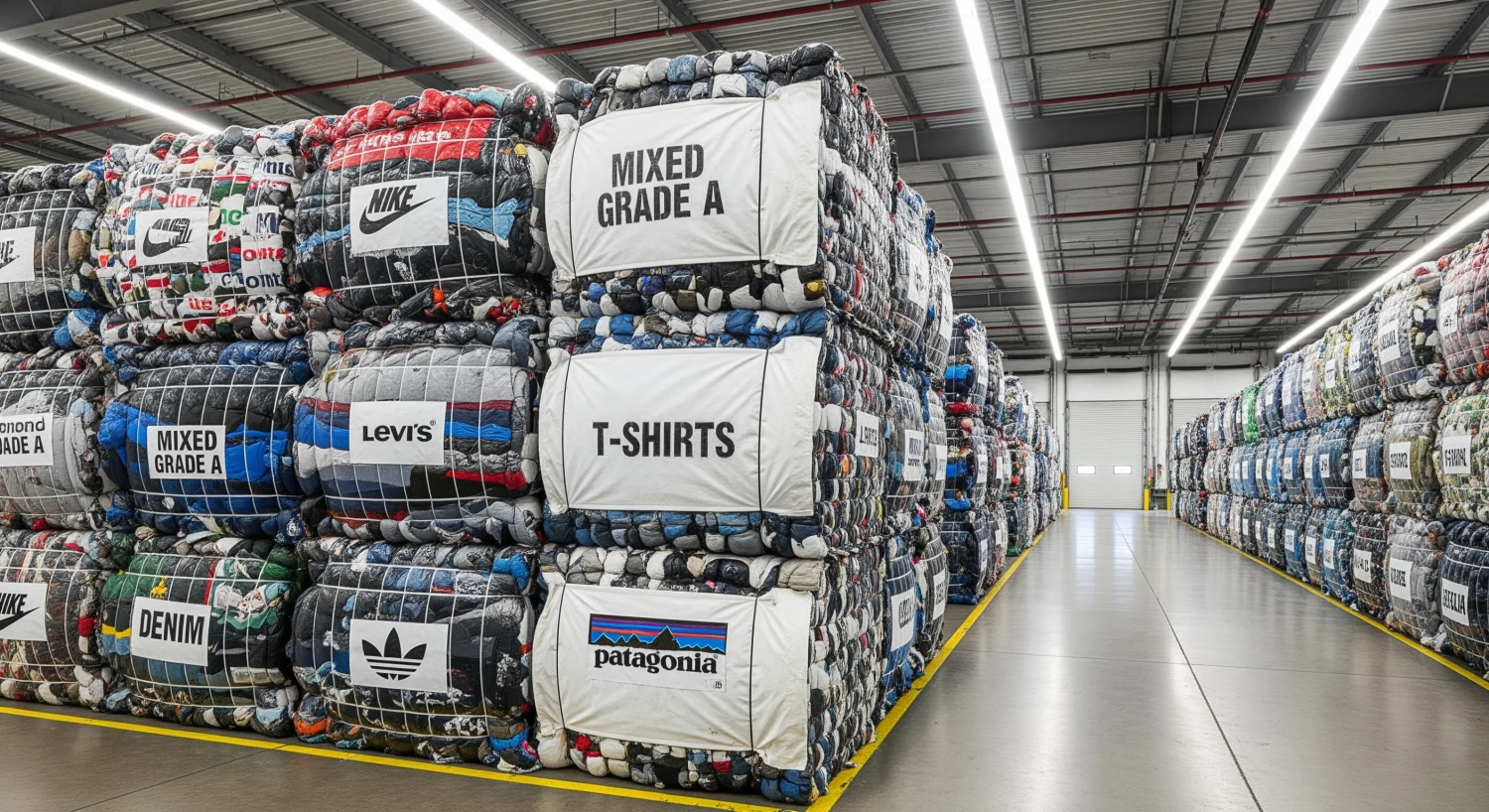
In the heart of Italy, specifically Marcianise Sud in Caserta, a logistic hub thrives for business-to-business (B2B) transactions centered around second-hand branded clothing. Our offerings are designed to meet the demands of wholesalers, exporters, and retail chains seeking quality stock clothing. With minimum order quantities (MOQs) starting at 1000 kg, our services cater specifically to trade buyers looking for reliable bulk suppliers in Europe. Recycling Italy stands at the forefront of this supply chain, offering efficient logistics and a sustainable approach to fashion.
Table of Contents
- Understanding B2B Wholesale Clothing
- Importance of Sorting and Grading
- Impact of Circular Economy in Fashion
- Sourcing Quality Branded Clothes
- Mitigating Risks in Wholesale Trade
- Setting Up for Sustained Supply
Key Takeaways
| Aspect | Details |
|---|---|
| MOQ | 1000 kg for bulk orders tailored to trade buyers. |
| Sorting | Thorough grading into categories enhances resale value. |
| Logistics | Efficient cross-border delivery across Europe ensuring timely and safe transport. |
| Margins | Clear pricing structures help maintain healthy profit margins. |
Understanding B2B Wholesale Clothing
Wholesale clothing businesses play a crucial role in the retail ecosystem, particularly in the European market. The second-hand clothing sector has seen significant growth, with over 248,000 tonnes exported in 2022 alone according to trade reports. Understanding how to navigate the complexities of B2B transactions can empower trade buyers to optimize their sourcing strategies.
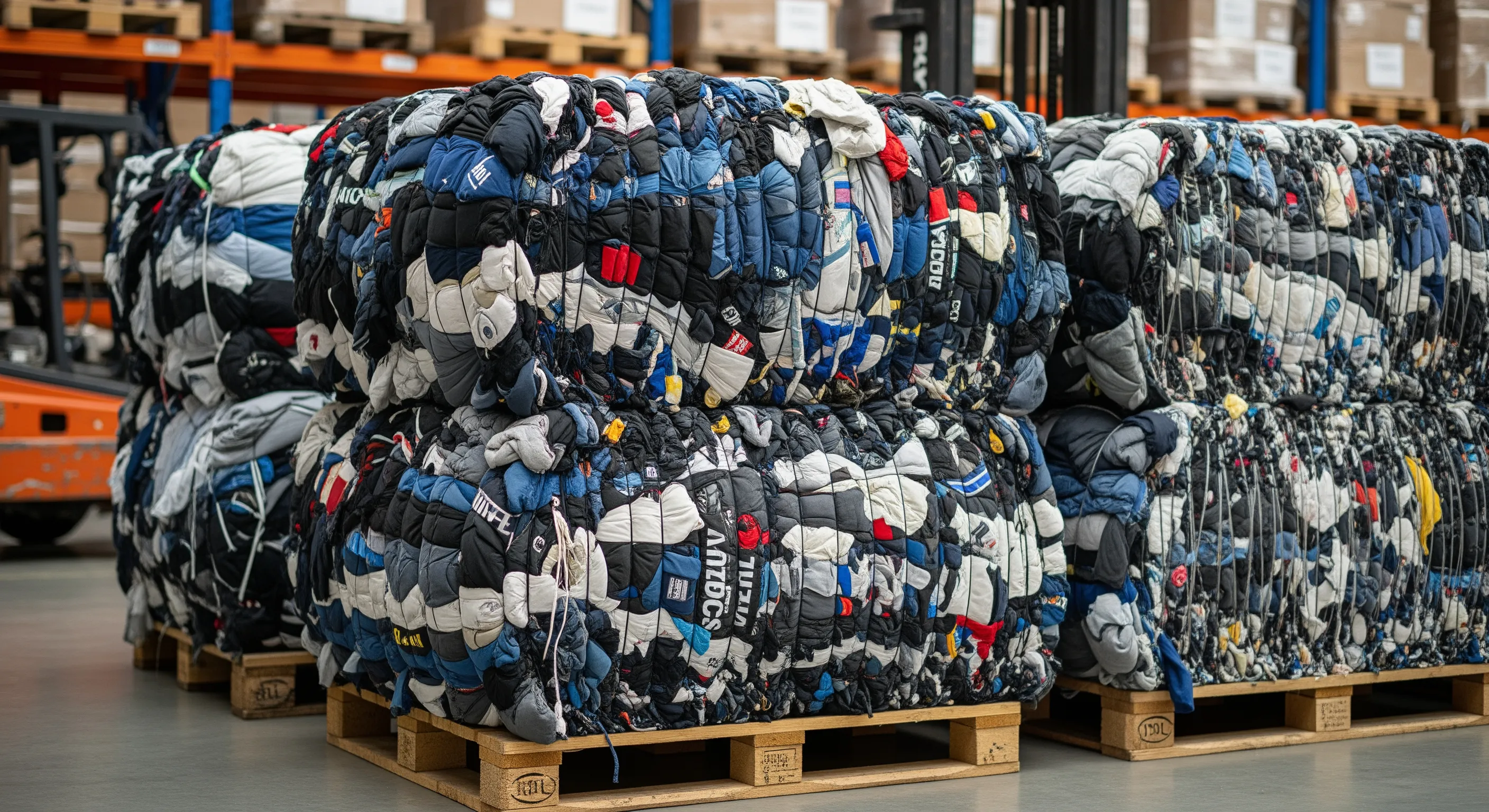
In essence, B2B wholesale clothing hinges on direct relationships and a trusted supplier network. This is imperative for ensuring product quality and managing inventory effectively. The demand for second-hand branded apparel is driving suppliers to offer curated selections that meet retailers' specifications.
Pro tip: Establish clear communication with suppliers to avoid discrepancies in order fulfillment.
Importance of Sorting and Grading
Efficient sorting and grading of second-hand clothes are vital for maximizing value. Garments are sorted based on various categories, which enhances their resale potential. Studies indicate that sorted clothing yields better market responses, influencing retail pricing strategies.
This process involves categorizing items according to type, style, size, and condition. The meticulous approach to grading can reduce returns and improve customer satisfaction, which is vital in the B2B realm.
Pro tip: Utilize technology for efficient sorting systems that accelerate the processing time.
Impact of Circular Economy in Fashion
The circular economy is reshaping how the fashion industry operates, with a focus on sustainability. Emphasizing the reuse and repurposing of clothing leads to a reduction in waste and promotes environmentally friendly practices. As noted in current industry reports, this economic model contributes significantly to reducing CO2 emissions.
The embrace of a circular economy not only aligns with ethical responsibilities but is also becoming a consumer preference. Retailers who prioritize sustainable practices often find increased customer loyalty and brand value.
Pro tip: Familiarize yourself with local regulations that support sustainable practices in the fashion industry.
Sourcing Quality Branded Clothes
When sourcing second-hand branded clothes, it is essential to partner with reliable suppliers. This establishes confidence in the quality of products being sold. Notably, the use of expert grading impacts the overall profitability of these transactions.
By utilizing established networks and conducting thorough due diligence, B2B buyers can access premium stock. Not only does this enhance the business's market positioning, but it also attracts discerning customers looking for high-quality used designer clothes.
Pro tip: Keep a checklist of quality indicators when assessing potential suppliers for second-hand clothes.
Mitigating Risks in Wholesale Trade
Engaging in wholesale trade comes with inherent risks, including disputes over grading and potential transit damage. B2B transactions require sound protocols to minimize these risks. Establishing clear payment terms and solid contracts can help in managing expectations and protecting investments.
| Risk | Cause | Mitigation |
|---|---|---|
| Grading Disputes | Lack of clarity in grading standards | Implement standardized grading guidelines |
| Transit Damage | Poor packaging techniques | Invest in high-quality packaging |
| Compliance/Docs | Missing documentation for customs | Maintain an organized document flow |
| Payment Terms | Vague terms leading to misunderstandings | Define clear payment schedules |
Pro tip: Regularly review and update your risk management strategies.
Setting Up for Sustained Supply
To ensure long-term success in the second-hand clothing trade, establishing reliable supply chains is essential. Trade buyers must focus on building relationships with multiple suppliers. This diversification reduces dependency on a single source and enhances stability.
Incorporating logistics solutions that streamline order fulfillment can significantly impact efficiency. It is crucial to remain adaptable to changing market conditions and consumer needs.
Pro tip: Conduct regular market analyses to stay ahead of trends and consumer preferences.
Get a B2B Quote for Italian Second-Hand and Stock Clothing
For trade buyers who need consistent bulk supply, clear grading and efficient EU delivery, explore Recycling Italy at recyclingitaly.com. To request a quote or schedule a warehouse visit near Caserta, contact the team here: Contact Us.
Frequently Asked Questions
What is the minimum order quantity for bulk second-hand clothing?
The minimum order quantity is 1000 kg for trade purchases.
How does sorting affect the resale value?
Sorting enhances the resale value by categorizing items, making them more appealing to retailers.
What risks are associated with wholesale clothing trade?
Risks include grading disputes, transit damage, and documentation lapses.
How can I contact Recycling Italy for a quote?
You can contact Recycling Italy through their website to request a quote or schedule a visit.