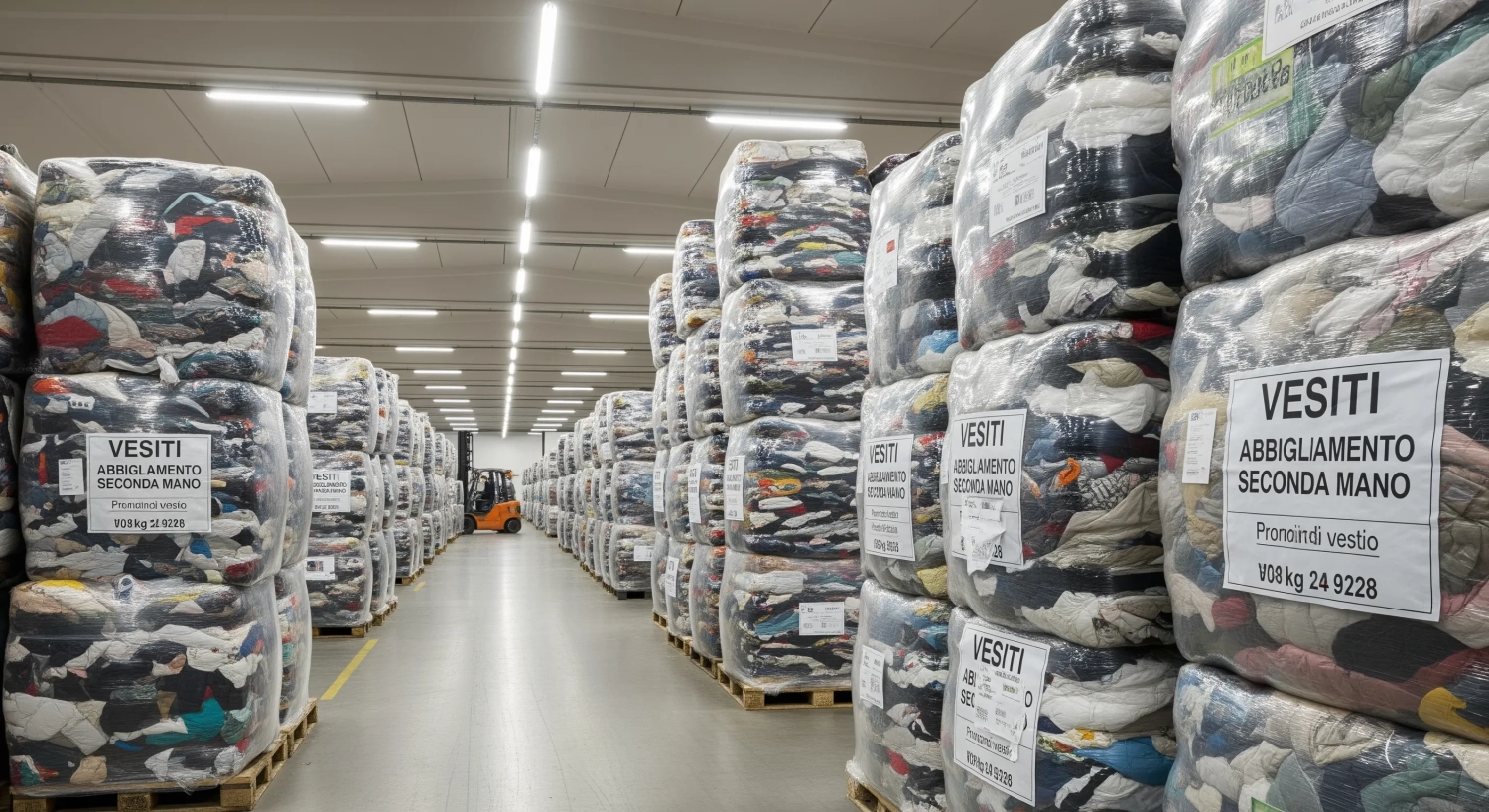
For trade buyers in Europe, sourcing second-hand clothing is essential to ensure inventory diversity and sustainability. Located in the heart of Caserta, Italy, Recycling Italy serves as a hub for B2B suppliers, facilitating seamless logistics across the EU. With an emphasis on circular economy practices and robust grading protocols, businesses can procure high-quality second-hand clothing. Our offerings include bulk stock ready for export, ensuring efficient supply chain management for wholesalers, exporters, and local retailers seeking cost-effective inventory solutions.
Table of Contents
- Understanding the EU Second Hand Clothing Market
- Benefits of Sourcing Second Hand Clothes
- Grading and Sorting Classifications
- Logistics and Customs Considerations
- Risk Management in B2B Transactions
- Sustainability and the Circular Economy
Key Takeaways
| Key Factor | Implication for Trade Buyers |
|---|---|
| Minimum Order Quantity (MOQ) | Establish clear MOQ guidelines to maintain profitability and manage inventory effectively. |
| Grading Standards | Implement strict grading standards to ensure quality and reduce customer returns. |
| Logistics Efficiency | Optimize transportation routes for timely delivery and lower costs. |
| Risk Control Strategies | Adopt practices like payment terms and credit checks to mitigate risks associated with bulk transactions. |
Understanding the EU Second Hand Clothing Market
The EU second-hand clothing market represents a dynamic sector, driven by rising consumer demand for sustainable fashion alternatives. In recent years, the emphasis on eco-friendly practices has spurred businesses to consider sourcing from established suppliers. According to industry insights, the market continues to expand as more European countries adapt to circular economy principles, promoting reuse and recycling.
This growth translates into ample opportunities for wholesalers and exporters. By positioning oneself as a reputable supplier in this sector, businesses can tap into a network of trade buyers looking for quality second-hand clothing. Establishing a strong presence in this market allows businesses to maintain competitiveness while meeting ethical consumer demands.
Benefits of Sourcing Second Hand Clothes
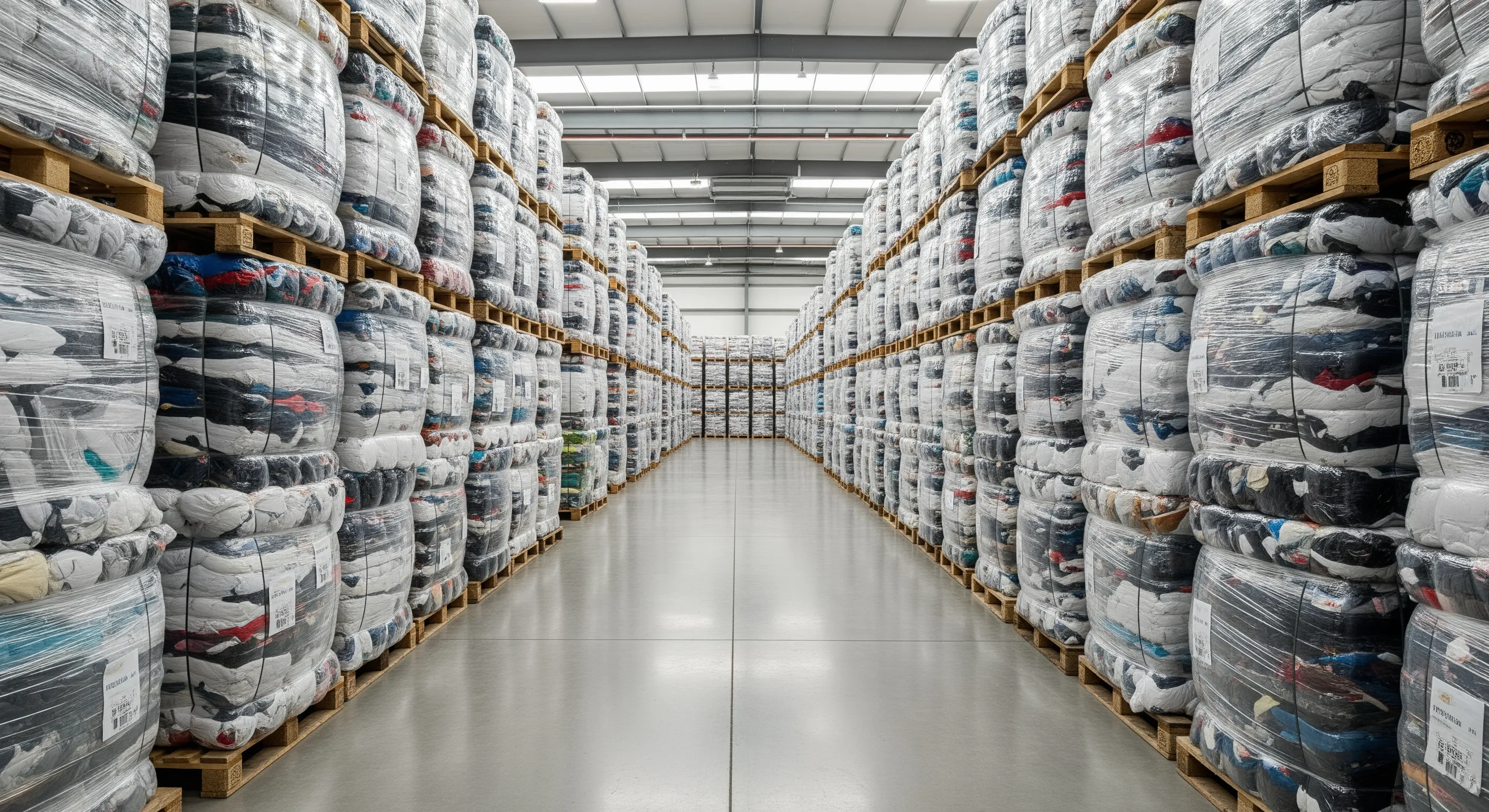
Engaging with second-hand clothing provides numerous advantages for trade buyers. Cost savings is among the most immediate benefits; sourcing bulk second-hand items often yields significant discounts compared to retail pricing. This allows businesses to offer competitive pricing to their customers, enhancing market competitiveness.
Furthermore, the sustainability factor associated with second-hand clothing helps brands enhance their image within the marketplace. As consumers become more environmentally conscious, aligning business practices with sustainability trends not only increases customer loyalty but also attracts new clientele who prioritize ethical shopping.
Grading and Sorting Classifications
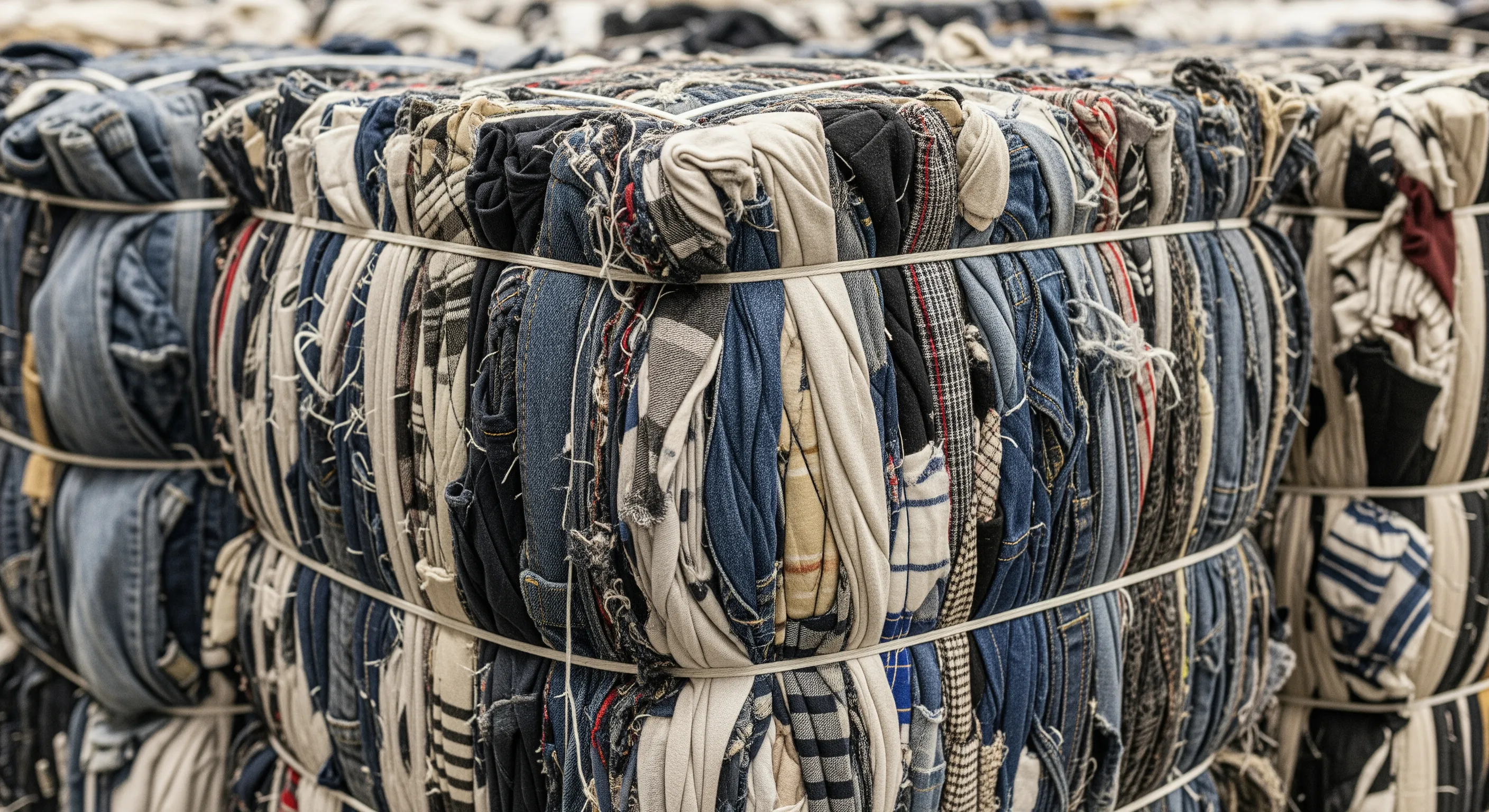
Understanding grading classifications is crucial for trade buyers. The quality and condition of second-hand clothing can significantly impact resale value and customer satisfaction. Typically, clothing is classified into various grades (A, B, C), each representing the quality level and pricing strategy. Wholesale partners should be transparent about their grading policies to facilitate informed purchasing decisions.
Proper sorting ensures that the items meet buyer specifications, reducing returns due to dissatisfaction with quality. Establishing a reliable grading system not only builds trust with clients but also streamlines the purchasing process.
Logistics and Customs Considerations
Logistics play a pivotal role in the success of second-hand clothing transactions. Ensuring that shipments are compliant with EU customs regulations can save businesses time and money. Proper documentation is essential, and trade buyers must be aware of tariffs, duties, and any import restrictions that may apply.
Working with reliable logistics partners can enhance shipping efficiency. This ensures timely delivery of goods while minimizing transit delays. A strategic logistics plan that accounts for potential customs delays can significantly enhance the buyer’s experience and overall satisfaction.
Risk Management in B2B Transactions
Risk management is a key component of B2B transactions in the second-hand clothing market. Trade buyers are advised to implement measures that mitigate potential disputes related to grading or product quality. Establishing clear contracts that outline payment terms, delivery timelines, and grading expectations can reduce misunderstandings.
Moreover, adopting insurance policies can further protect businesses from potential financial losses during transit. Risk assessment should be an ongoing process, ensuring that buyers remain aware of market changes and challenges that could affect their operations.
| Risk | Cause | Mitigation |
|---|---|---|
| Grading Disputes | Ambiguous terms or poor communication | Clear contracts and grading policies |
| Transit Damage | Improper handling or packaging | Professional shipping services and insurance |
| Compliance Issues | Lack of awareness regarding customs requirements | Thorough research on regulations |
| Payment Delays | Poor credit assessment | Establish secure payment methods and terms |
Sustainability and the Circular Economy
The circular economy paradigm significantly influences the second-hand clothing market, promoting sustainable practices among wholesalers. By engaging in the resale of second-hand clothing, businesses contribute to reducing landfill waste and carbon footprints.
Furthermore, as consumers increasingly prioritize sustainability, it becomes essential for brands to align their practices with these values. This not only enhances brand loyalty but also sets the stage for a more responsible approach to fashion consumption across Europe.
Get a B2B Quote for Italian Second-Hand and Stock Clothing
For trade buyers who need consistent bulk supply, clear grading and efficient EU delivery, explore Recycling Italy at recyclingitaly.com. To request a quote or schedule a warehouse visit near Caserta, contact the team here: Contact Us.
Frequently Asked Questions
What are the benefits of sourcing second-hand clothing?
Sourcing second-hand clothing provides cost savings, aligns business practices with sustainability, and enhances brand image.
How should I manage logistics for second-hand clothing shipments?
Work with reliable logistics partners, ensure all customs documentation is appropriate, and create a contingency plan for potential delays.
What grading standards should I implement?
Use clear classifications (A, B, C) to define quality levels and ensure customer satisfaction.
What risks should I be aware of in B2B transactions?
Grading disputes, transit damage, compliance issues, and payment delays are common risks to manage.