Explore Branded Second Hand Clothes Wholesale
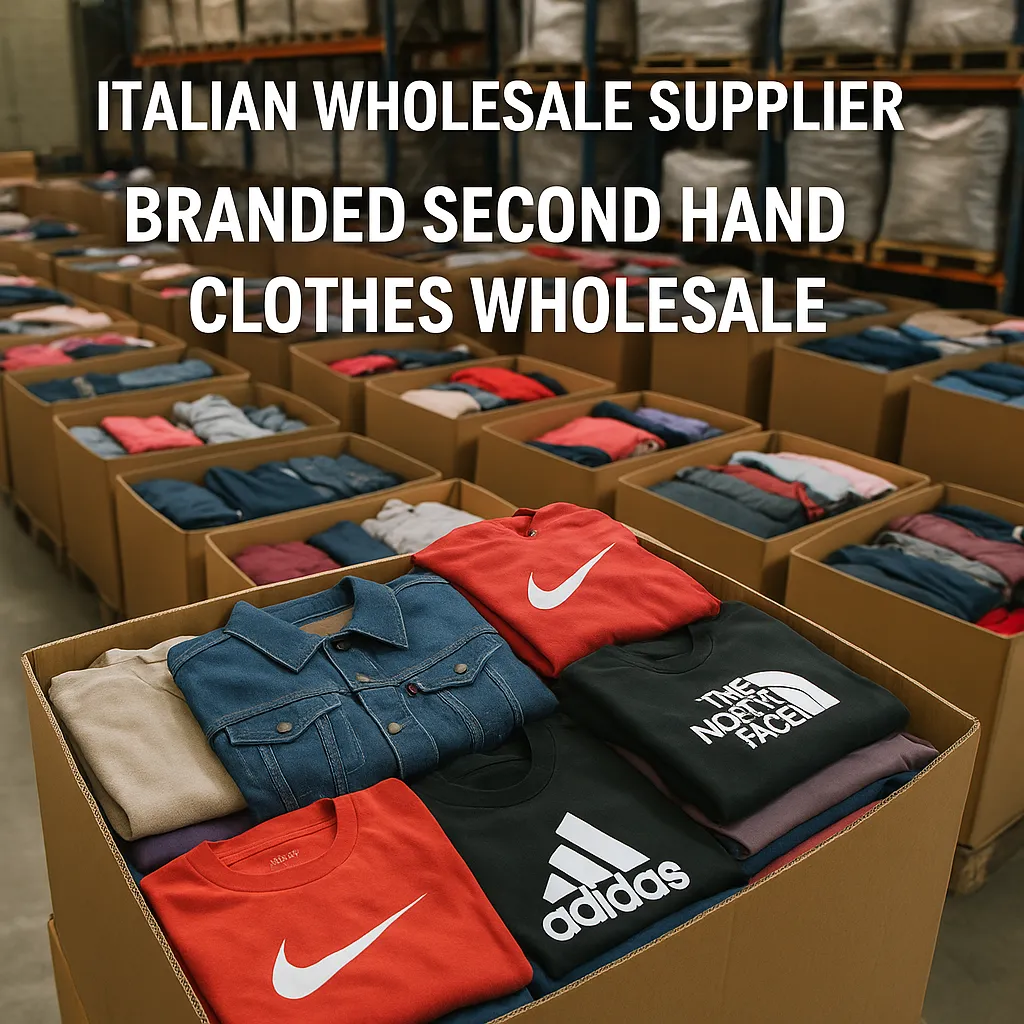
Branded second hand clothes wholesale offers an incredible opportunity for retailers to stock high-quality, fashionable items at a fraction of the retail price. This growing market is not only beneficial for business but also aligns with sustainable practices that consumers increasingly value. By choosing to sell second hand clothing, retailers can cater to a conscious audience that prioritizes eco-friendly choices while still enjoying the prestige associated with branded apparel. The appeal of branded items paired with the affordability of second-hand clothing creates a unique niche that can significantly enhance a retailer's inventory while promoting a sustainable shopping culture.
Understanding the Market for Second Hand Clothing
The market for second hand clothing has experienced a substantial transformation in recent years, shifting from a niche segment to a mainstream option. Driven by a combination of economic factors and a growing awareness of environmental issues, consumers are increasingly opting for pre-owned items. Retailers who engage in branded second hand clothes wholesale can tap into this trend, capitalizing on the demand for unique and affordable fashion. Not only does this practice help reduce waste and lower carbon footprints, but it also allows consumers to access high-end brands that may otherwise be out of reach. The challenge lies in sourcing quality items that meet consumer expectations, but with the right partnerships, retailers can build a diverse inventory that attracts a wide customer base.
Benefits of Buying Branded Second Hand Clothes Wholesale
One of the primary advantages of purchasing branded second hand clothes wholesale is the significant cost savings involved. Retailers can acquire high-quality items at much lower prices compared to new products, allowing for better profit margins. Furthermore, the uniqueness of second hand clothing means that retailers can offer exclusive products that stand out in a crowded marketplace. This differentiation is essential for attracting consumers who are looking for something special rather than mass-produced items. Additionally, sourcing from wholesalers often means access to a wider variety of styles and sizes, which can enhance the overall shopping experience for customers. Supporting sustainable practices is another key benefit, as retailers can market themselves as environmentally conscious businesses, appealing to the growing demographic that prioritizes sustainability.
How to Source Quality Branded Second Hand Clothes
Finding reputable suppliers for branded second hand clothes wholesale is crucial for retailers looking to maintain quality and customer satisfaction. Start by researching wholesalers that specialize in second hand clothing and have a proven track record in the industry. Look for suppliers that provide detailed descriptions and images of their items, as this transparency can help ensure the quality of the stock. Consider attending trade shows or industry events where wholesalers showcase their products, as these venues often provide an excellent opportunity for direct communication and negotiation. Additionally, online platforms and marketplaces specializing in second hand goods can be valuable resources. Establishing a relationship with multiple suppliers can also help diversify your inventory and mitigate risks associated with relying on a single source.
Marketing Strategies for Branded Second Hand Clothes
Marketing branded second hand clothes effectively requires a tailored approach that highlights the unique aspects of these items. Utilize social media platforms to showcase your inventory, focusing on high-quality images and engaging storytelling that emphasizes the sustainability and affordability of your products. Consider collaborating with influencers who resonate with your target audience, as their endorsements can significantly boost your brand visibility. Email marketing campaigns can also be an effective tool for reaching existing customers, offering exclusive promotions or previews of new arrivals. In-store events that feature styling sessions with second hand pieces can attract foot traffic while educating customers on how to incorporate these items into their wardrobes. Highlighting the environmental benefits of choosing second hand clothing can further enhance your marketing efforts, appealing to a growing consumer base that values sustainability.
Building a Loyal Customer Base
To cultivate a loyal customer base in the branded second hand clothes wholesale market, retailers must prioritize customer engagement and satisfaction. Offering exceptional customer service and creating a welcoming shopping environment can greatly enhance the in-store experience. Consider implementing a loyalty program that rewards repeat customers, encouraging them to return for future purchases. Additionally, soliciting feedback and actively responding to customer inquiries can foster a sense of community and connection. Engaging with customers through social media and email newsletters can keep them informed about new arrivals, promotions, and sustainability efforts. Building a brand that resonates with consumers on both a personal and ethical level is key to achieving long-term loyalty in this competitive market.
Leveraging Online Sales Channels
In today's digital age, leveraging online sales channels is essential for retailers specializing in branded second hand clothes wholesale. Establishing a user-friendly e-commerce website allows businesses to reach a wider audience beyond their local market. Optimize your online store with high-quality images and detailed product descriptions that showcase the unique features of each item. Consider utilizing online marketplaces and social media platforms to expand your reach, as many consumers turn to these channels for their shopping needs. Implementing effective SEO strategies will enhance your online visibility, attracting potential customers searching for branded second hand clothing. Offering flexible shipping options and easy return policies can also improve customer satisfaction and encourage online purchases.
FAQ
What are the benefits of buying branded second hand clothes wholesale?
The benefits of buying branded second hand clothes wholesale are manifold. Retailers enjoy significant cost savings, allowing them to offer competitively priced products while maintaining healthy profit margins. This model also provides access to unique and exclusive items that can set a store apart from competitors, appealing to consumers looking for special finds. Additionally, the sustainability aspect of selling second hand clothing attracts a growing demographic that values eco-friendly shopping. Retailers can capitalize on this trend, enhancing their brand image as environmentally conscious businesses. With the right sourcing strategies, they can build a diverse inventory that meets the needs of various customer segments.
How can I effectively market second hand clothing?
Effectively marketing second hand clothing involves highlighting its unique benefits, such as affordability and sustainability. Utilize social media to share high-quality images and engaging stories about your products. Collaborations with influencers can enhance visibility and credibility. Email marketing can keep your existing customer base informed about new arrivals and promotions. In-store events can also attract customers and provide styling tips. Emphasizing the eco-friendly aspect of second hand clothing in your marketing efforts can further appeal to consumers who prioritize sustainable choices, enhancing your brand's appeal.
Where can I source quality second hand clothes?
To source quality second hand clothes, start by researching reputable wholesalers who specialize in this market. Attend trade shows or industry events to connect directly with suppliers. Online platforms that focus on second hand goods can also be valuable resources. Look for wholesalers who provide detailed product descriptions and images, ensuring transparency about the quality of their offerings. Building relationships with multiple suppliers can help diversify your inventory, reducing risks associated with relying on a single source. This approach can lead to a more robust selection of items that appeal to various customer demographics.
What should I consider when starting a second hand clothing business?
When starting a second hand clothing business, consider factors such as your target market, sourcing strategies, and marketing techniques. Research your competition to identify gaps in the market that you can fill. Sourcing quality branded second hand clothes is essential for maintaining customer satisfaction. Develop a marketing plan that emphasizes your unique selling points, such as affordability and sustainability. Establishing an online presence through a user-friendly e-commerce site and active social media accounts can help reach a wider audience. Additionally, providing exceptional customer service and engaging with your community can foster loyalty and encourage repeat business.
How can I build a loyal customer base for my store?
Building a loyal customer base requires a focus on customer engagement and satisfaction. Offering exceptional customer service is crucial, as is creating an inviting atmosphere in your store. Implementing a loyalty program can encourage repeat purchases, rewarding customers for their loyalty. Actively soliciting feedback and responding to inquiries helps establish a connection with your audience. Engaging customers through social media and email newsletters keeps them informed about new arrivals and promotions. By creating a brand that resonates with your audience on both personal and ethical levels, you can foster long-term loyalty and repeat business.