Discover Second Hand Shoes in Bulk for Your Business
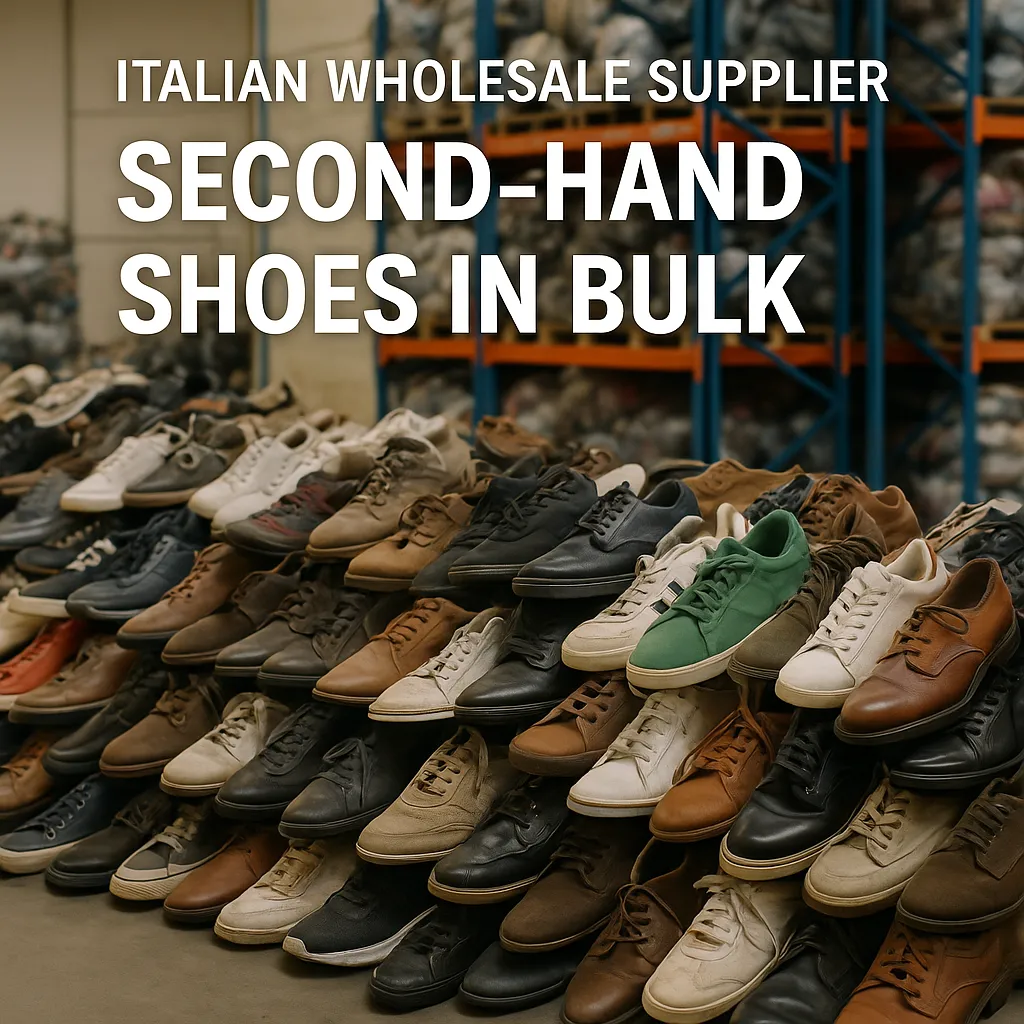
When it comes to sourcing quality footwear, buying second hand shoes in bulk can be an incredibly smart choice for both retailers and individual buyers. Not only does it provide access to a diverse range of styles and brands, but it also aligns with sustainable shopping practices. The increasing popularity of thrift shopping and the demand for eco-friendly products make second hand shoes a lucrative market for entrepreneurs and resellers. Bulk purchases not only ensure better pricing but also offer the opportunity to curate a unique inventory that can attract a wide variety of customers. As sustainability becomes essential in today’s marketplace, exploring the world of second hand shoes can not only provide financial benefits but also contribute to a more environmentally conscious lifestyle.
The Benefits of Buying Second Hand Shoes in Bulk
Purchasing second hand shoes in bulk comes with numerous advantages that can significantly impact your business. First and foremost, cost efficiency is a major benefit; buying in bulk typically reduces the per-unit price, allowing retailers to maximize their profit margins. Additionally, the variety available in bulk orders means that businesses can offer a wider selection to their customers. This diversity can include everything from vintage styles to contemporary designs, catering to different consumer tastes and preferences. Furthermore, buying bulk second hand shoes can help businesses maintain a steady inventory, which is crucial for meeting customer demand without frequent reordering. As the market for sustainable fashion continues to grow, retailers who offer second hand footwear can position themselves as environmentally friendly and socially responsible, appealing to a growing demographic of conscious consumers. This aligns perfectly with the increasing trend of sustainability in retail, emphasizing the importance of making eco-friendly choices.
How to Source Quality Second Hand Shoes in Bulk
Sourcing quality second hand shoes in bulk requires strategic planning and reliable partnerships. One of the most effective methods is to connect with reputable wholesalers who specialize in second hand products. Many wholesalers offer a wide variety of shoes, often sorted by type, size, or brand, making it easier for retailers to find exactly what they need. Attending trade shows and industry expos can also provide valuable networking opportunities with suppliers and manufacturers. Additionally, online platforms dedicated to wholesale second hand goods have emerged, allowing businesses to browse and purchase inventory from the comfort of their own offices. Conducting thorough research and due diligence on suppliers is essential; looking for customer reviews and testimonials can help ensure that the quality of shoes meets expectations. Moreover, establishing a solid relationship with suppliers can lead to better pricing deals and priority access to new inventory, which can be crucial in staying ahead in a competitive market.
Understanding the Market for Second Hand Shoes
The market for second hand shoes has been steadily growing, driven by several key factors. Firstly, the rise of environmentally conscious consumers has led to increased demand for sustainable fashion choices, including second hand footwear. Shoppers are becoming more aware of the environmental impact of fast fashion and are seeking alternatives that reduce waste. Additionally, the economic benefits associated with buying second hand are appealing; consumers can access high-quality brands at a fraction of the retail price, making it an attractive option for budget-conscious shoppers. Retailers are also benefiting from this trend, as they can tap into a unique market segment that values quality and sustainability. Furthermore, social media platforms have played a significant role in popularizing second hand shopping, with influencers and brands promoting vintage styles and thrift finds. This visibility has made second hand shoes a fashionable choice, further propelling their popularity among diverse consumer demographics. Understanding these market dynamics is crucial for businesses looking to succeed in this evolving landscape.
Marketing Strategies for Second Hand Shoes
Implementing effective marketing strategies for second hand shoes in bulk can set your business apart in a competitive marketplace. Firstly, leveraging social media platforms is essential; showcasing unique inventory through visually appealing content can capture the attention of potential buyers. Engaging storytelling about the history of each pair of shoes can create emotional connections with customers, enhancing their shopping experience. Collaborating with influencers or fashion bloggers who advocate for sustainable living can also broaden your reach and introduce your products to new audiences. Additionally, optimizing your online presence with SEO strategies is crucial; using targeted keywords like "second hand shoes in bulk" can help improve visibility in search engine results. Email marketing campaigns can keep your customers informed about new arrivals, special deals, and sustainability initiatives, fostering loyalty and repeat business. Hosting events or pop-up shops that focus on sustainable fashion can also help generate buzz and attract customers interested in eco-friendly products. By utilizing a combination of these strategies, businesses can effectively market their second hand shoes and drive sales.
Building a Brand Around Sustainability
Building a brand around sustainability in the second hand shoe market can resonate deeply with consumers who value ethical and eco-conscious shopping. Transparency is key; sharing your sourcing practices and the journey of the shoes can enhance consumer trust and loyalty. Highlighting the positive environmental impact of choosing second hand footwear over new products can further strengthen your brand’s message. Creating a strong visual identity that reflects sustainable values can also set your business apart; consider using eco-friendly packaging and branding materials. Engaging with your community through social initiatives, such as donating a portion of sales to environmental causes, can solidify your brand's commitment to sustainability. Additionally, fostering a community around your brand through social media and engaging content can create a loyal customer base that shares your values. By clearly communicating your sustainability mission and demonstrating genuine commitment to eco-friendly practices, you can attract a dedicated audience that supports your business and its goals.
Conclusion
In conclusion, the potential of second hand shoes in bulk presents exciting opportunities for retailers and consumers alike. The growing demand for sustainable fashion choices, combined with cost efficiency and diverse inventory options, makes this market segment increasingly appealing. By carefully sourcing quality products, understanding consumer trends, and implementing effective marketing strategies, businesses can thrive in this evolving landscape. Additionally, building a brand centered around sustainability will resonate with a growing demographic of eco-conscious shoppers. As the trend towards sustainable living continues to gain momentum, investing in second hand footwear not only presents a lucrative business opportunity but also contributes to a more responsible and environmentally friendly approach to fashion. Take the first step towards transforming your inventory by exploring the range of second hand shoes available in bulk today.
| Brand | Size | Condition | Price | Quantity |
|---|---|---|---|---|
| Nike | 10 | Good | $30 | 100 |
| Adidas | 9 | Fair | $25 | 150 |
| Puma | 11 | Very Good | $35 | 80 |
| Reebok | 8 | Acceptable | $20 | 200 |
| Converse | 7 | Good | $15 | 120 |
To learn more about our range of products, visit our products page. For inquiries, feel free to contact us.
FAQ
What are the benefits of buying second hand shoes in bulk?
The benefits of buying second hand shoes in bulk include cost savings, a diverse selection of styles, and a sustainable approach to fashion. Businesses can enjoy lower per-unit prices when purchasing in bulk, allowing for higher profit margins. Additionally, bulk purchases often provide access to a wider variety of sizes and brands, catering to a broader customer base. This not only helps retailers maintain a consistent inventory but also aligns with the growing trend of sustainable shopping, appealing to environmentally conscious consumers. By embracing bulk purchasing, businesses can capitalize on the demand for second hand shoes while promoting eco-friendly practices.
How can I ensure the quality of second hand shoes?
Ensuring the quality of second hand shoes involves sourcing from reputable wholesalers and conducting thorough inspections before purchase. Look for suppliers who specialize in second hand goods and have a strong track record of quality. It’s beneficial to request samples or photographs of the shoes to assess their condition before committing to a bulk order. Additionally, developing relationships with reliable suppliers can lead to better quality assurance and access to higher-grade products. Regularly communicating with suppliers about your quality standards will also help ensure that the shoes meet your expectations.
What types of second hand shoes are most popular?
Popular types of second hand shoes often include athletic sneakers, casual footwear, and vintage styles. Athletic shoes from well-known brands like Nike and Adidas are in high demand due to their popularity and brand recognition. Casual shoes, such as loafers and sandals, also attract buyers looking for comfortable everyday options. Vintage and retro styles have seen a resurgence in popularity, appealing to consumers interested in unique fashion statements. Understanding current fashion trends and customer preferences is essential for retailers to curate an appealing inventory that resonates with their target audience.
How should I price second hand shoes?
Pricing second hand shoes involves considering factors such as brand, condition, and market demand. Begin by researching similar products in the market to establish a competitive pricing strategy. Take into account the original retail price and adjust it based on the shoe's condition—whether it's new, gently used, or shows signs of wear. Additionally, consider your target audience and their willingness to pay for certain brands or styles. Offering discounts for bulk purchases or loyalty programs can also incentivize customers to buy more, ultimately increasing sales while maintaining profitability.
How can I market second hand shoes effectively?
Effective marketing of second hand shoes can be achieved through a combination of social media engagement, influencer partnerships, and creative content. Utilize platforms like Instagram and Facebook to showcase your inventory with high-quality images and engaging descriptions. Collaborating with influencers who promote sustainable fashion can help broaden your reach and attract a dedicated audience. Additionally, creating content that tells the story behind each pair of shoes can help foster emotional connections with customers. Consider offering promotions, hosting events, or using email marketing campaigns to keep customers informed and engaged with your brand.
Disclaimer: The information provided in this article is for educational purposes only and should not be considered professional advice. Please consult a qualified expert for specific guidance related to your business needs.