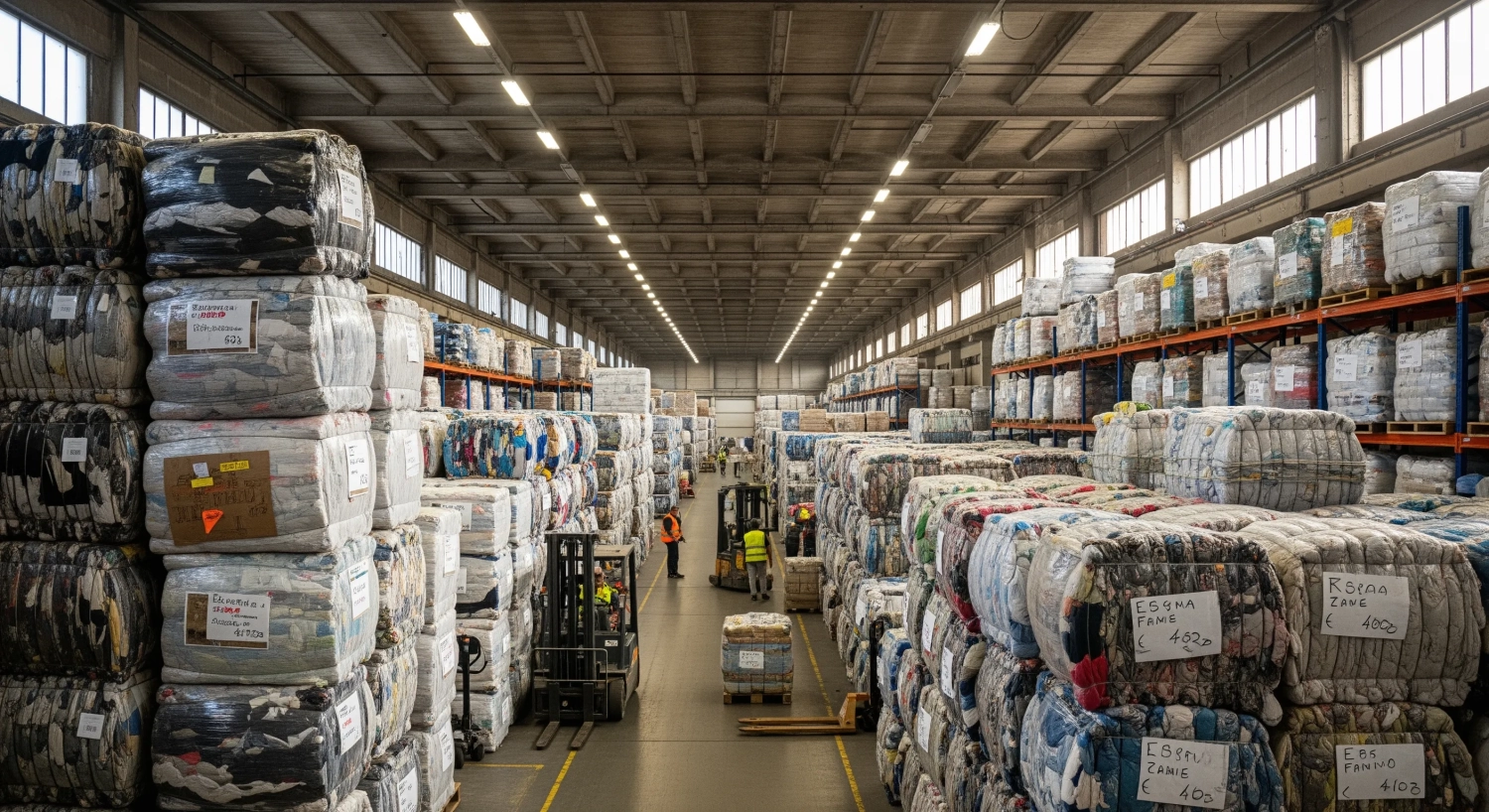
As a B2B buyer seeking reliable suppliers for second-hand clothing in Italy, you’ll find Marcianise Sud, Caserta, a strategic logistics hub. Our focus on wholesale second-hand apparel emphasizes quality products, efficient shipping across Europe, and compliance with EU regulations. By opting for sustainable fashion choices, companies can meet growing consumer demand for eco-friendly products. Here, we explore the intricacies of sourcing bulk second-hand clothing and how a dedicated approach aids trade buyers.
Table of Contents
- What is Second Hand Clothing Wholesale?
- Benefits of Sourcing in Italy
- Understanding Grading and Sorting
- The Logistics of Bulk Purchases
- Risk Mitigation in Bulk Clothing Trade
- The Sustainability Aspect
Key Takeaways
| Aspect | Details |
|---|---|
| MOQ | Typically 1000 kg or more for trade order. |
| Grading | Important for ensuring product quality and categorization. |
| Logistics | Cross-border delivery capabilities for efficient shipping. |
| Margins | Discounted prices aid in better profit margins for retailers. |
What is Second Hand Clothing Wholesale?
Second-hand clothing wholesale involves sourcing and distributing bulk quantities of used apparel, which has become increasingly popular in recent years due to its cost-effectiveness and positive environmental impact. This model not only supports the circular economy but also offers significant financial benefits to businesses who engage in this market.
In Italy, the second-hand clothing wholesale sector is thriving, aided by the country’s extensive logistics systems and seasoned suppliers. Firms can capitalize on this opportunity by collaborating with established wholesale used clothing suppliers, ensuring adherence to quality and sustainability standards.
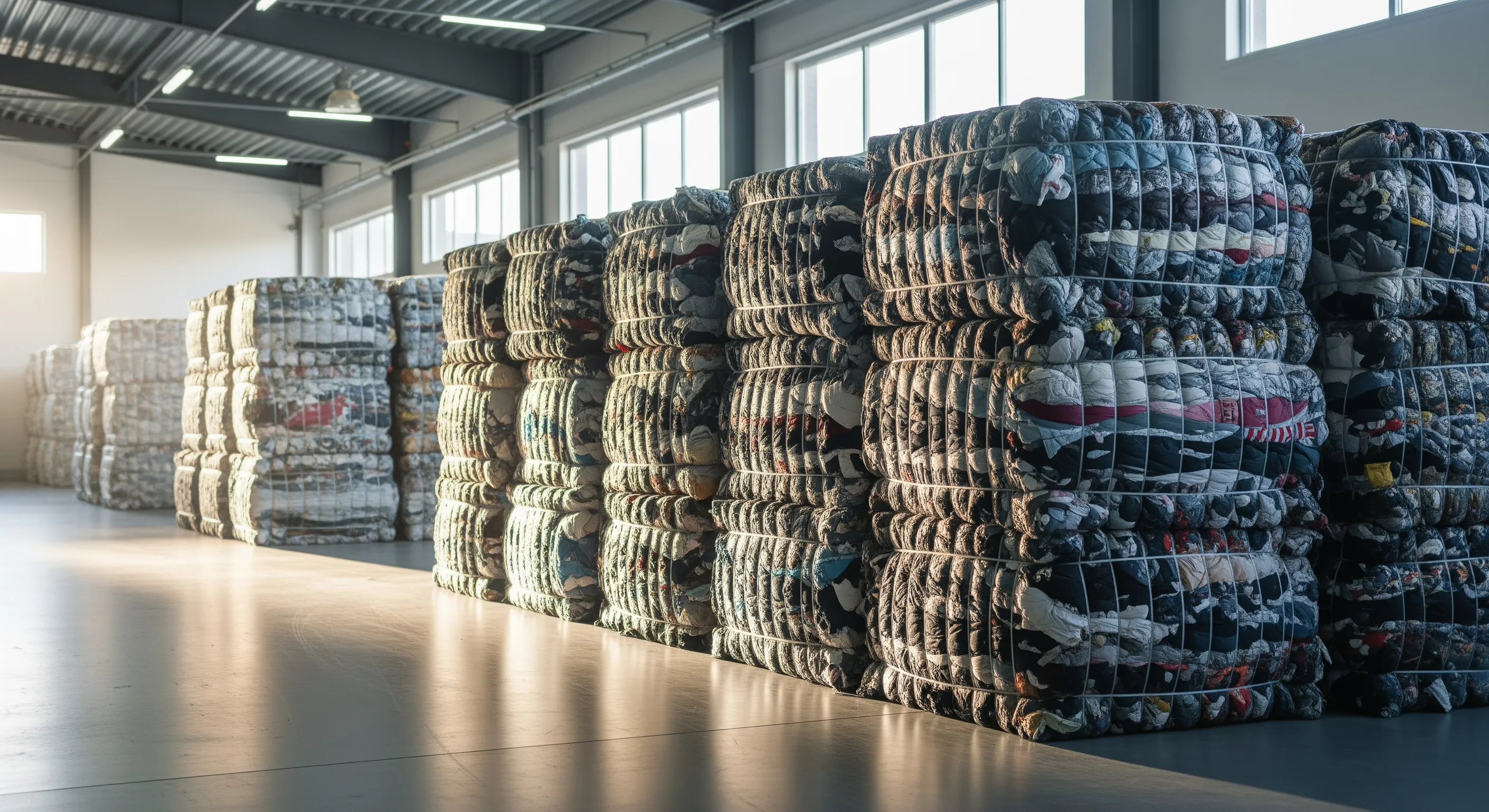
Pro tip: Partnering with local Italian suppliers facilitates smoother logistics and supply chain management.
Benefits of Sourcing in Italy
Italy’s geographical position in Southern Europe serves as an advantage for B2B operations. With its sophisticated transport networks, businesses can efficiently manage stock clothing distributions across various destinations in Europe. Furthermore, the quality of Italian textiles allows wholesalers to offer superior products to their customers.
Moreover, working with trustworthy local partners ensures that product grading meets EU regulations, thus minimizing the risk of compliance issues during import and export processes.
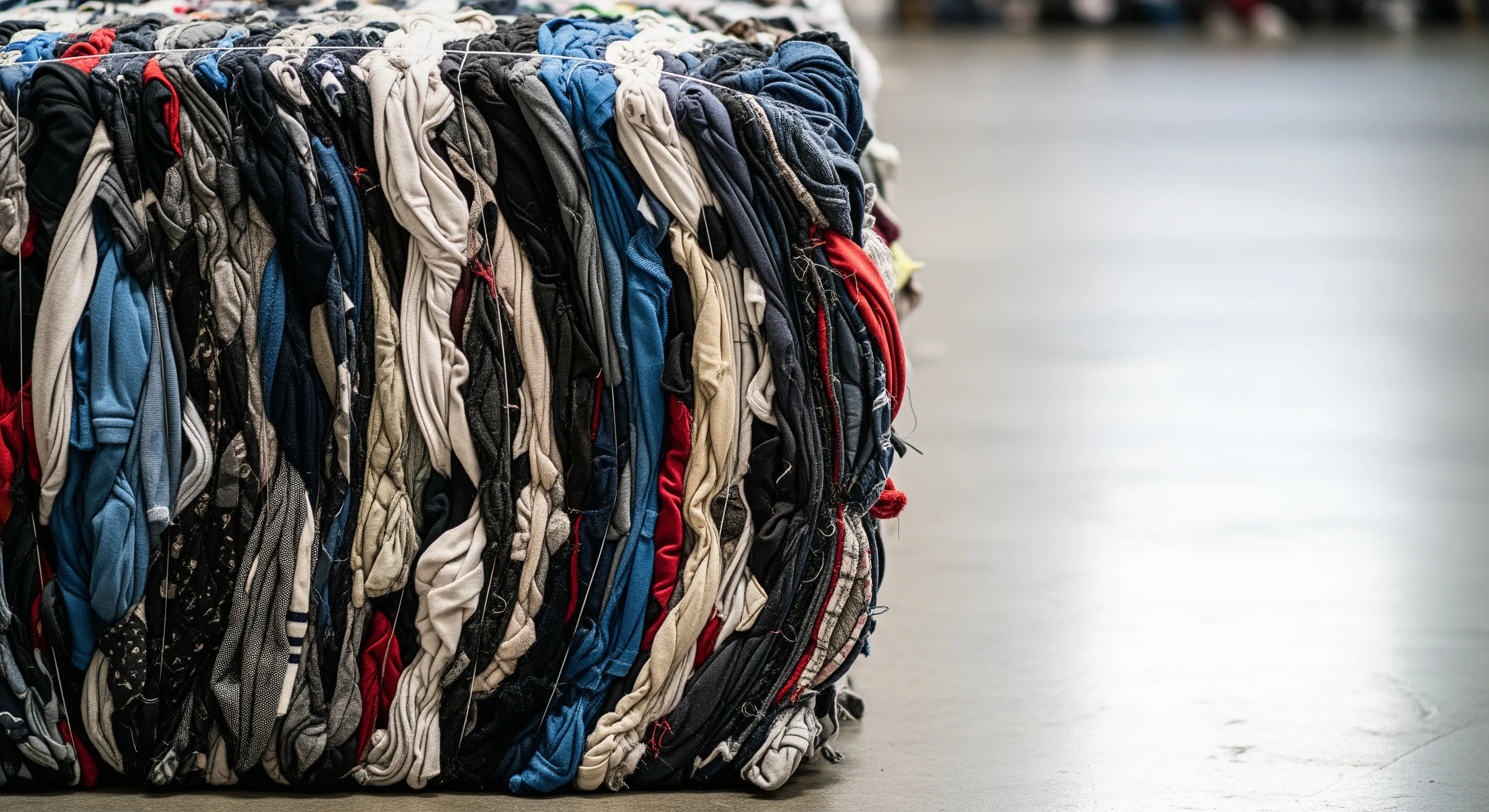
Pro tip: Evaluating supplier certifications is essential to maintaining product quality and sustainable practices.
Understanding Grading and Sorting
Grading and sorting are critical processes in the second-hand clothing market. Proper grading allows wholesalers to determine which items can be sold at premium prices and which should be disposed of or recycled. Typically, products are classified based on quality and usability, directly affecting the pricing model.
Trade buyers must ensure that the grading reflects the market's demand. By engaging with reputable suppliers who follow strict sorting protocols, businesses can enhance their inventory quality while promoting sustainability.
Pro tip: Regular audits of grading protocols can enhance quality assurance and customer satisfaction.
The Logistics of Bulk Purchases
Efficient logistics is vital for successful bulk purchases in the clothing sector. With the majority of suppliers located in strategic hubs, trade buyers can expect timely deliveries and streamlined operations. Additionally, understanding customs regulations within the EU is crucial for seamless transportation across borders.
The comprehensive network available in Italy ensures that shipping is cost-effective, contributing to lower overall expenses for businesses. Each shipment can be planned for optimal load capacity, maximizing value from each transport operation.
Pro tip: Building a reliable logistics partnership can significantly reduce shipping-related challenges.
Risk Mitigation in Bulk Clothing Trade
| Practical Risk | Cause | Mitigation |
|---|---|---|
| Grading Disputes | Differing quality expectations | Clear grading agreements |
| Transit Damage | Pallet shifts during shipping | Proper packaging techniques |
| Compliance & Documentation | Regulatory issues | Regular document checks |
| Payment Terms | Lack of clarity | Agreed-upon contracts |
Pro tip: Implementing clear communication with suppliers minimizes misunderstandings.
The Sustainability Aspect
The growing emphasis on sustainable fashion has allowed second-hand clothing to emerge as a viable alternative for many consumers. By sourcing second-hand apparel in bulk, businesses can position themselves as champions of sustainability while appealing to eco-conscious customers.
Moreover, engaging in sustainable practices contributes to a more resilient supply chain, paving the way for long-term partnerships and market stability. Companies looking to thrive in this segment must keep sustainability at the forefront of their business models.
Pro tip: Regular engagement with stakeholders about sustainability initiatives strengthens brand reputation.
Get a B2B Quote for Italian Second-Hand and Stock Clothing
For trade buyers who need consistent bulk supply, clear grading and efficient EU delivery, explore Recycling Italy at recyclingitaly.com. To request a quote or schedule a warehouse visit near Caserta, contact the team here: Contact Us.
Frequently Asked Questions
What should we consider when sourcing second-hand clothing?
Quality, supplier reliability, and logistics efficiency are key aspects to consider when sourcing second-hand clothing.
How do we ensure quality in bulk purchases?
By partnering with reputable suppliers who maintain strict grading and sorting protocols.
What are the benefits of bulk purchasing?
Bulk purchasing can lead to significant cost savings, improved margins, and lower logistical expenses.
How important is sustainability in the clothing trade?
Sustainability is increasingly important as consumer preferences shift towards eco-friendly products.