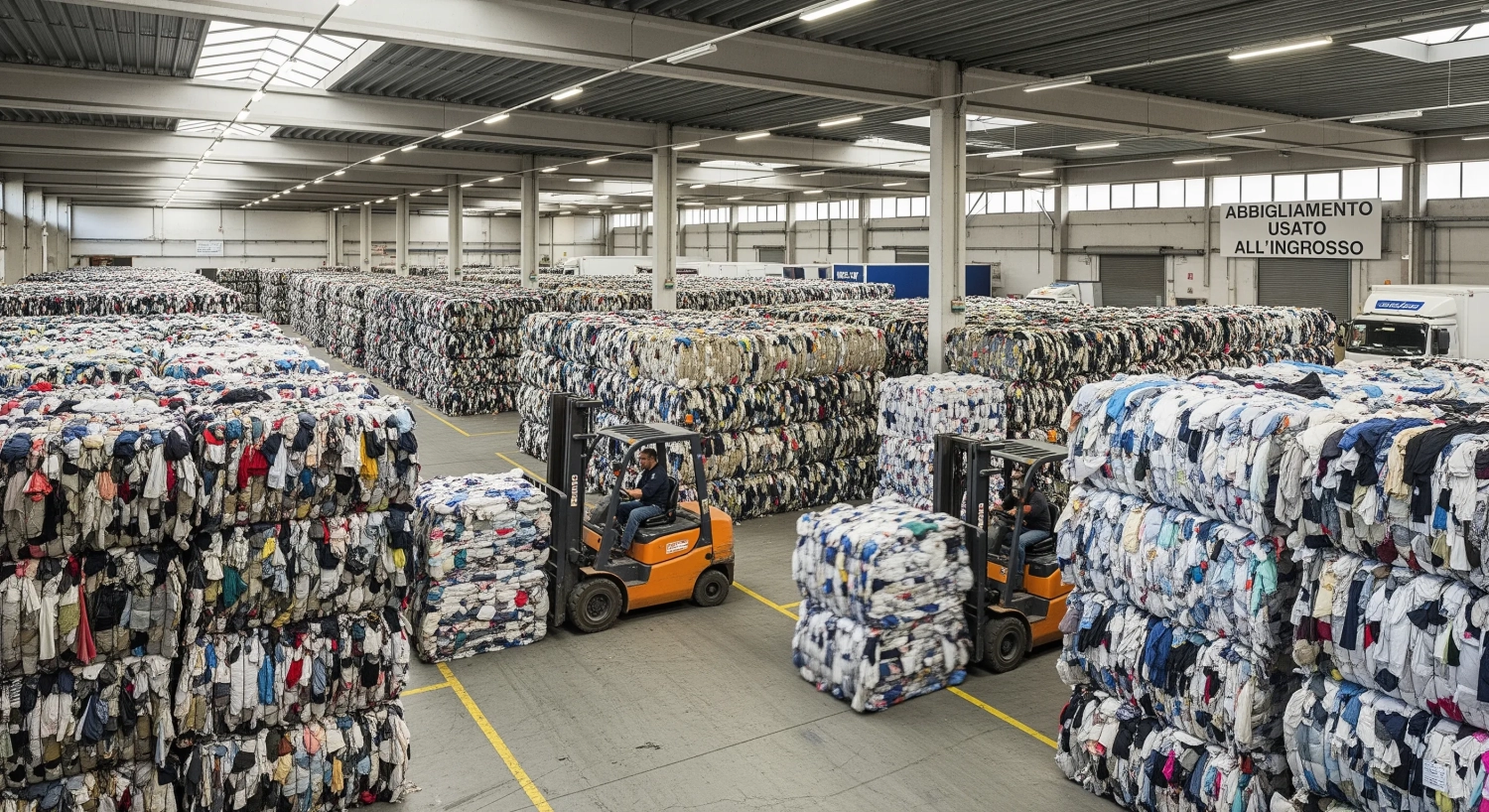
Italy serves as a vital hub for wholesale second-hand clothing, particularly in regions like Marcianise Sud, Caserta. This location benefits from a strategic logistical network that caters to B2B buyers across Europe. Wholesalers and store owners can find high-quality bulk stock from credible suppliers, fostering sustainable fashion practices and contributing to the circular economy. Partnering with Recycling Italy ensures a reliable source for bulk used clothes, facilitating seamless trade operations for businesses aiming to meet consumer demand responsibly.
Table of Contents
- Key Takeaways
- Importance of Sustainable Fashion
- Bulk Used Clothing Sourcing
- Grading and Sorting Process
- Logistics and Supply Chain Readiness
- Building Trust with Suppliers
Key Takeaways
| Aspect | Description |
|---|---|
| MOQ | Minimum Order Quantity typically starts at 1000 kg. |
| Grading | Proper classification of clothing is essential for quality assurance. |
| Logistics | Leveraging EU shipping networks ensures efficient delivery. |
| Risk Control | Develop pragmatic strategies for issues like payment terms and transit damage. |
Importance of Sustainable Fashion
Sustainable fashion is gaining momentum across Europe, and second-hand clothing plays a pivotal role in this regard. By sourcing second-hand clothes wholesale in Italy, businesses can provide eco-friendly options that appeal to environmentally-conscious consumers. This shift not only enhances brand reputation but also promotes circular economy practices, which are essential for reducing waste and conserving resources.
The growing awareness of sustainability among consumers necessitates that B2B suppliers adopt practices that align with these values. According to recent studies, the increasing demand for sustainable products is significant, urging suppliers to invest in greener supply chain solutions.
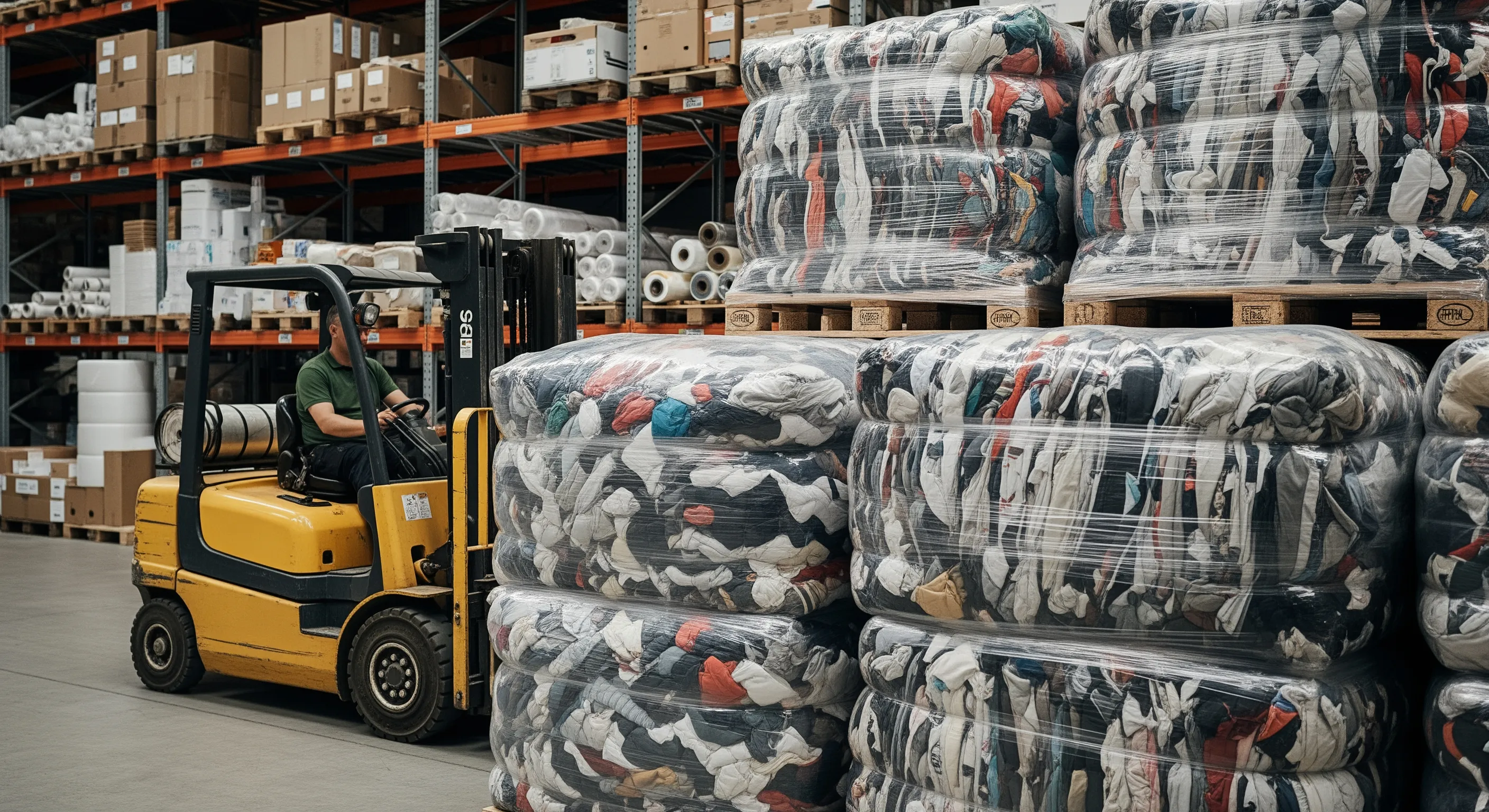
Pro tip: Monitor market trends in sustainable fashion to align your offerings with consumer preferences.
Bulk Used Clothing Sourcing
When sourcing second-hand clothes wholesale in Italy, wholesalers should consider the importance of partnering with established suppliers. By working with reputable bulk used clothing suppliers, buyers can ensure that they receive quality stock that meets their standards.
Additionally, understanding the grading system used for second-hand clothing is essential for making informed purchasing decisions. Grading typically categorizes clothing based on condition and brand recognition, which directly impacts resale value and shopper appeal.
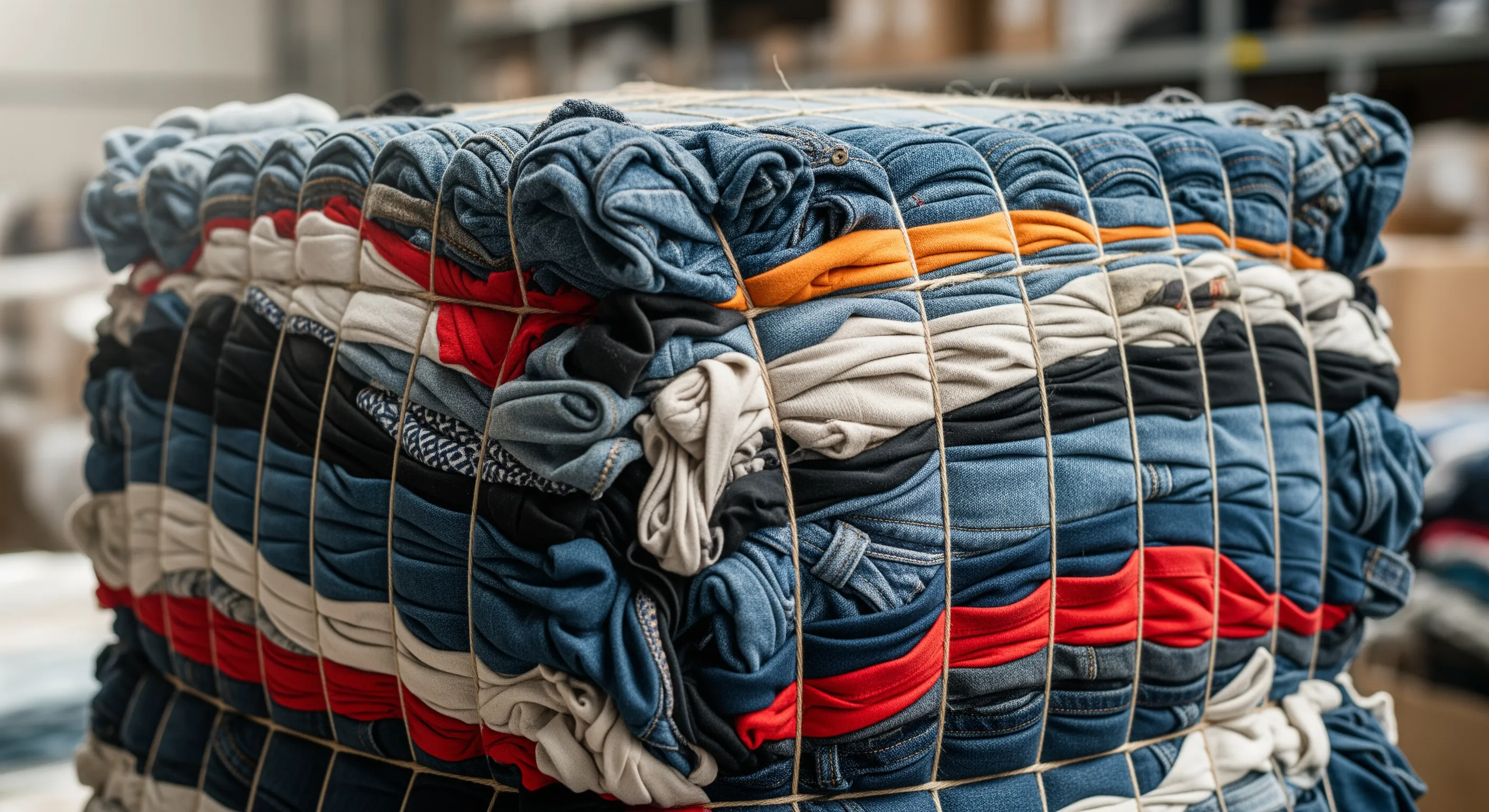
Pro tip: Request samples from suppliers to assess quality before placing bulk orders.
Grading and Sorting Process
The grading and sorting of second-hand clothing are critical steps in the wholesale process. By adhering to strict grading criteria, suppliers can offer buyers a clearer understanding of the quality they can expect. This process involves careful inspection and categorization into various grades, allowing buyers to choose stock that suits their market needs.
Furthermore, implementing a systematic sorting process can enhance operational efficiency and minimize discrepancies in orders. An effective sorting protocol is essential to reduce waste and ensure that only quality items reach the market.
Pro tip: Regularly update your grading criteria to reflect changing market demands.
Logistics and Supply Chain Readiness
Logistics play a vital role in the bulk trade of second-hand clothing. Cleverly navigating the EU shipping landscape can significantly reduce lead times, making it easier for wholesalers to stock items when demand peaks. Suppliers often utilize warehouses in strategic locations to facilitate quick shipments.
Preparation in terms of documentation and compliance is also essential, as cross-border shipping comes with its regulatory challenges. Businesses must be equipped to handle customs efficiently to avoid delays and ensure smooth transactions.
Pro tip: Develop a checklist to streamline logistics operations before shipping.
Building Trust with Suppliers
Developing a solid rapport with second-hand clothing suppliers is crucial for long-term success. Clear communication and mutual understanding can minimize risks associated with grading disputes and payment terms. Trust allows for a more agile partnership, making it easier to adapt to changes in market conditions or supply chain disruptions.
Participating in regular audits or warehouse visits can further solidify relationships, ensuring transparency in operations and reinforcing confidence in product quality.
Pro tip: Create open lines of communication to foster ongoing collaboration with your suppliers.
Get a B2B Quote for Italian Second-Hand and Stock Clothing
For trade buyers who need consistent bulk supply, clear grading and efficient EU delivery, explore Recycling Italy at recyclingitaly.com. To request a quote or schedule a warehouse visit near Caserta, contact the team here: Contact Us.
Frequently Asked Questions
What is the minimum order quantity (MOQ) for second-hand clothing?
The minimum order quantity typically starts at 1000 kg.
How do I ensure the quality of bulk used clothing?
Request samples and assess grading systems from suppliers.
What are the benefits of sourcing second-hand clothing sustainably?
Sourcing second-hand clothing contributes to environmental conservation and can enhance your brand image.
How can I build trust with my suppliers?
Open communication and regular audits can foster trust and ensure transparency in relationships.