Discover Second Hand Clothes Wholesale Europe for Eco-Friendly Choices
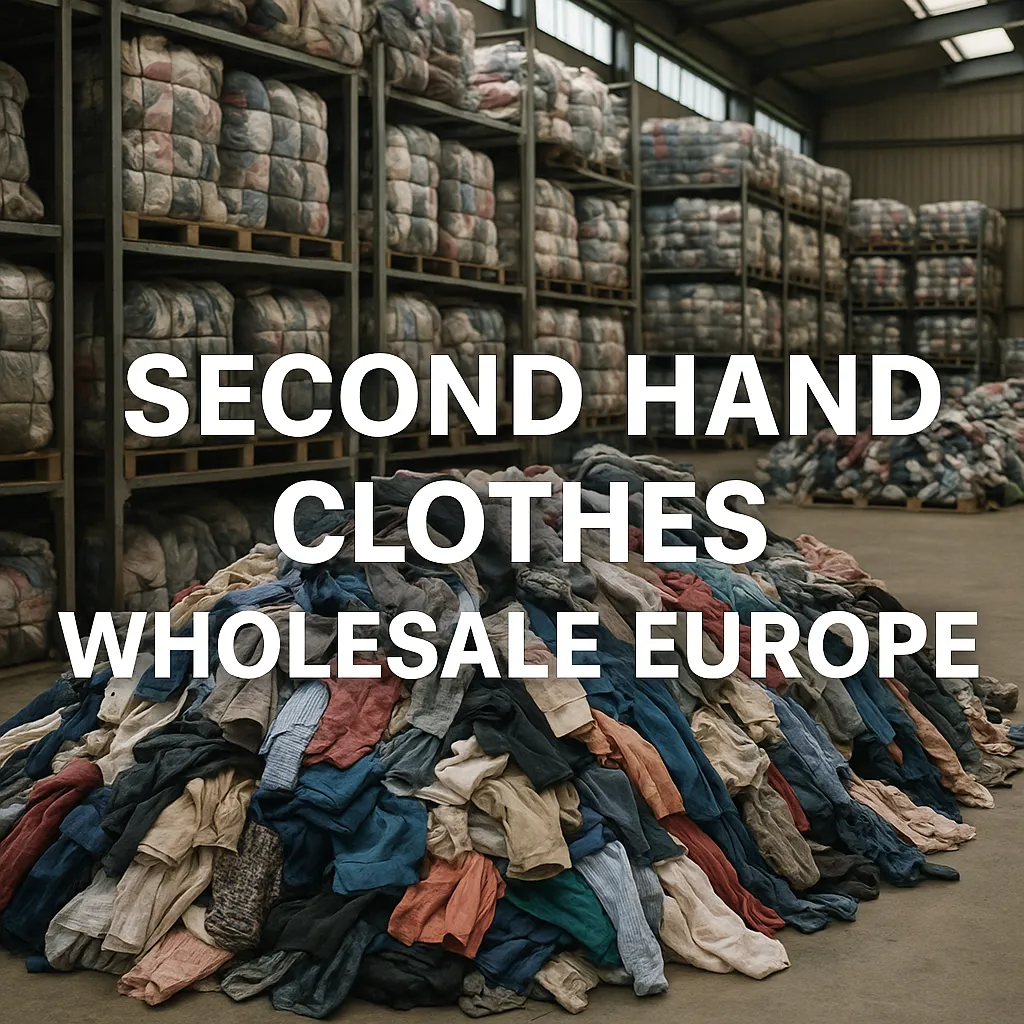
Second hand clothes wholesale Europe is becoming increasingly popular due to the growing awareness surrounding sustainable fashion. As consumers seek eco-friendly alternatives to fast fashion, the demand for pre-owned clothing is on the rise. Not only does this trend support the environment by reducing waste, but it also offers a unique opportunity for businesses to tap into a diverse market. By sourcing second hand clothes wholesale, retailers can provide their customers with high-quality garments at affordable prices while contributing to sustainable practices. The appeal of these garments lies not only in their affordability but also in their unique character, which often reflects personal stories and individual styles. This article will delve into the advantages of sourcing second hand clothing, the best practices for wholesale purchasing, and the market potential across Europe.
The Benefits of Sourcing Second Hand Clothes Wholesale
Sourcing second hand clothes wholesale provides numerous benefits that extend beyond mere cost savings. For businesses, purchasing wholesale second hand clothing allows for lower overhead costs, which can translate to more competitive pricing for consumers. This is particularly important in today’s economic climate, where many individuals are looking to save money while still enjoying fashion. Furthermore, the environmental benefits cannot be understated; by choosing second hand clothes, retailers can reduce their carbon footprint significantly. The fashion industry is one of the largest contributors to pollution, and opting for pre-owned garments helps mitigate this impact. Additionally, there is a vibrant market for unique vintage pieces that simply cannot be found in mainstream retail outlets. This uniqueness often attracts a dedicated customer base, eager for one-of-a-kind items. Moreover, by embracing the second hand clothing trend, businesses can position themselves as socially responsible entities, appealing to the growing demographic that prioritizes sustainable practices when making purchasing decisions.
Understanding the European Market for Second Hand Clothes
The European market for second hand clothes is rapidly evolving. Various countries have established robust infrastructures for the collection and distribution of second hand items, making it easier for businesses to source quality stock. Countries like Germany, the UK, and France are leading the way in terms of both supply and demand for second hand clothing. The rise of online platforms has further facilitated this market, allowing retailers to reach a wider audience and simplifying the logistics of wholesale purchasing. By leveraging these platforms, businesses can easily connect with suppliers across various European countries, ensuring a steady flow of unique and high-quality garments. In addition, a growing consumer consciousness regarding ethical fashion choices is driving demand for second hand clothing. As more individuals become aware of the environmental impact of their purchases, they are increasingly turning to second hand options as a viable alternative. This shift in consumer behavior presents a significant opportunity for retailers to expand their offerings and cater to this conscientious market segment.
Best Practices for Purchasing Second Hand Clothes Wholesale
When engaging in second hand clothes wholesale, it is crucial to adopt best practices that ensure the quality and sustainability of the products sourced. First and foremost, retailers should establish strong relationships with reputable suppliers who prioritize ethical sourcing. This not only guarantees the integrity of the clothing but also aligns with the values of eco-conscious consumers. Furthermore, businesses should conduct thorough inspections of the garments before making a purchase, as quality is paramount in maintaining customer satisfaction. It is also advisable to stay informed about current trends and consumer preferences, as this knowledge will assist in curating a desirable inventory. Another effective strategy is to diversify the product range by incorporating various styles, sizes, and eras, appealing to a broader audience. By doing so, retailers can enhance their market reach and increase sales potential. Additionally, effective marketing strategies highlighting the unique stories behind second hand pieces can create a stronger emotional connection with consumers, fostering brand loyalty and encouraging repeat business.
The Future of Second Hand Clothing in Europe
The future of second hand clothing in Europe appears promising, as both consumers and businesses increasingly recognize the importance of sustainable fashion. As environmental concerns continue to rise, the demand for second hand clothes wholesale is projected to grow significantly. Innovations within the industry, such as improved logistics, digital platforms, and greater transparency in sourcing, are likely to enhance the overall experience for both retailers and consumers. Moreover, the European Union is implementing policies aimed at reducing textile waste, which will further promote the use of second hand garments. Retailers who adapt to these changes and prioritize sustainability will find themselves at the forefront of this evolving market. By fostering a culture of reuse and recycling, the second hand clothing industry has the potential to reshape consumer habits and redefine fashion as a whole. This transition not only benefits the environment but also offers financial opportunities for businesses willing to embrace the shift towards a more sustainable future.
How to Market Second Hand Clothes Wholesale Effectively
Marketing second hand clothes wholesale requires a strategic approach that resonates with eco-aware consumers. One effective tactic is to leverage social media platforms to showcase unique pieces and tell their stories. Engaging content that highlights the environmental benefits of purchasing second hand clothing can attract a dedicated following. Additionally, collaborating with influencers who align with sustainable fashion values can amplify your reach and credibility. Hosting events or pop-up shops that offer a tactile experience with the clothing can also generate interest and excitement among potential customers. Furthermore, informative blog posts and articles, such as those found on our blog, can educate consumers on the importance of sustainable practices and encourage them to make mindful purchasing decisions. By creating a narrative around the brand that emphasizes sustainability and uniqueness, retailers can effectively differentiate themselves in a crowded market, building a loyal customer base that shares their values.
Building a Community Around Second Hand Fashion
Creating a community around second hand fashion can significantly enhance customer loyalty and engagement. By establishing platforms for discussion and sharing experiences, brands can foster a sense of belonging among their customers. This could be achieved through social media groups, newsletters, or dedicated events that promote second hand clothing and sustainable practices. Encouraging customers to share their own stories about second hand finds can create a vibrant community atmosphere, where individuals feel connected through shared values and interests. Additionally, providing incentives for customers to participate in these communities, such as discounts for sharing their purchases or hosting clothing swaps, can further encourage engagement. Building a brand around community not only enhances customer relationships but also strengthens the overall narrative of sustainability, making it a core aspect of the business model.
Challenges and Solutions in the Second Hand Clothing Market
While the second hand clothing market holds immense potential, it is not without its challenges. One significant issue retailers face is the perception of quality associated with second hand items. To combat this, businesses must prioritize quality control and transparency, ensuring that the garments they offer meet high standards. Additionally, educating consumers about the benefits of second hand clothing can help shift perceptions and encourage purchases. Another challenge is the logistics of sourcing and distributing second hand clothes. Retailers need to develop efficient processes for inventory management and distribution to maintain profitability. Utilizing technology, such as inventory management systems and e-commerce platforms, can streamline these processes and improve overall efficiency. Furthermore, addressing the seasonal nature of fashion trends is crucial. By staying informed about changing trends and consumer preferences, retailers can adapt their offerings accordingly, ensuring they remain relevant in the marketplace. Through proactive strategies, businesses can navigate the complexities of the second hand clothing market and thrive.
Integrating Sustainability into Business Practices
Integrating sustainability into business practices is essential for retailers in the second hand clothing market. Beyond simply offering second hand items, businesses can adopt eco-friendly packaging, reduce waste in their operations, and support local communities. For instance, implementing a take-back program where customers can return old clothing for recycling or resale can foster a culture of sustainability and encourage repeat business. Additionally, retailers should consider partnering with organizations that promote environmental initiatives, aligning their brand with broader movements for change. By communicating these efforts transparently to consumers, businesses can strengthen their commitment to sustainability and enhance their brand image. Ultimately, integrating sustainable practices not only benefits the environment but also resonates with the values of today’s consumers, driving loyalty and fostering a positive brand perception.
How to Source Quality Second Hand Clothes Wholesale
Sourcing quality second hand clothes wholesale involves several key strategies aimed at ensuring the garments meet customer expectations. First, businesses should establish connections with reputable suppliers known for their commitment to quality and ethical sourcing practices. This may involve attending trade shows, networking events, or joining industry-specific organizations. Additionally, it is crucial to conduct thorough inspections of the clothing before making purchases. This includes checking for any damages, stains, or signs of excessive wear. Retailers should also consider the demand for specific styles and sizes in their target market, ensuring they curate an appealing inventory. Another effective approach is to diversify sourcing channels, such as working with charities, thrift stores, and online platforms specializing in second hand goods. By diversifying suppliers, businesses can reduce risk and enhance the uniqueness of their offerings. Furthermore, maintaining clear communication with suppliers about quality standards and expectations can facilitate a smoother sourcing process and ensure consistent quality in the garments acquired.
Evaluating the Economic Impact of Second Hand Clothing
The economic impact of second hand clothing is significant, both on a local and global scale. By engaging in the second hand clothing market, businesses can contribute to the circular economy, which emphasizes the value of reusing resources and reducing waste. This economic model not only generates revenue for retailers but also creates job opportunities within local communities. Moreover, the second hand clothing market encourages innovation, as businesses seek creative solutions to source, market, and sell their products. Additionally, by offering affordable options, retailers can cater to a broader demographic, making fashion accessible to individuals who may be priced out of traditional retail. The economic benefits extend beyond mere sales; by promoting sustainable practices, businesses can enhance their brand reputation and attract eco-conscious consumers, ultimately driving long-term profitability. In this way, the second hand clothing market not only serves as a viable business opportunity but also plays a critical role in fostering sustainable economic growth.
Leveraging Technology in the Second Hand Clothing Sector
In today's fast-paced digital landscape, leveraging technology is essential for success in the second hand clothing sector. Online platforms and e-commerce websites provide retailers with a broader reach, allowing them to connect with consumers across different geographic locations. Utilizing data analytics can help businesses understand consumer behavior, preferences, and trends, enabling them to optimize their inventory and marketing strategies effectively. Additionally, mobile applications that facilitate easy browsing and purchasing can enhance the customer experience. Social media platforms also play a pivotal role in marketing second hand clothing, as they enable retailers to showcase unique pieces, engage with consumers, and build a community around sustainable fashion. Furthermore, adopting inventory management systems can streamline operations, ensuring that businesses maintain optimal stock levels while minimizing waste. As technology continues to evolve, those who adapt and integrate these tools into their business models will be better positioned to thrive in the competitive second hand clothing market.
Conclusion and Call to Action
In conclusion, the second hand clothes wholesale Europe market presents a wealth of opportunities for retailers willing to embrace sustainability and innovation. By understanding the benefits, challenges, and best practices associated with sourcing and marketing second hand clothing, businesses can position themselves effectively in this growing industry. As consumers become increasingly aware of the environmental impact of their purchasing decisions, the demand for quality second hand garments is set to rise. Retailers who prioritize ethical sourcing, quality control, and community engagement will not only thrive but also contribute positively to the broader movement towards sustainable fashion. To explore our collection of quality second hand clothing, visit our products page, and join us in making a difference in the fashion industry.
FAQ
What are the benefits of second hand clothes wholesale Europe?
The benefits of sourcing second hand clothes wholesale Europe include cost savings, environmental sustainability, and access to unique pieces. Retailers can offer competitive prices while reducing their carbon footprint, appealing to eco-conscious consumers. Additionally, the diverse range of available garments allows businesses to differentiate themselves in a crowded market. This unique inventory not only attracts customers but also fosters customer loyalty, as many individuals appreciate the stories and individuality associated with second hand items.
How can I find suppliers of second hand clothes in Europe?
Finding suppliers of second hand clothes in Europe can be achieved through various channels. Attending trade shows and industry events can provide valuable networking opportunities. Online platforms dedicated to wholesale second hand clothing also offer a wide range of suppliers. Additionally, reaching out to charities and thrift stores can lead to potential partnerships, as they often have surplus inventory. Conducting thorough research and building relationships with reputable suppliers is key to ensuring quality and sustainability.
What qualities should I look for in second hand clothing suppliers?
When evaluating second hand clothing suppliers, it is essential to consider their reputation, quality standards, and ethical sourcing practices. Look for suppliers who prioritize quality control and transparency in their operations. Additionally, it's beneficial to choose suppliers who align with your brand values, particularly regarding sustainability. Assessing their inventory turnover and customer feedback can also provide insights into their reliability and the quality of their products.
How can I effectively market second hand clothing?
Effectively marketing second hand clothing involves leveraging social media, creating engaging content, and building a community around sustainable fashion. Highlighting unique pieces and their stories can create emotional connections with consumers. Collaborating with influencers who promote sustainable practices can further enhance your visibility. Hosting events and engaging with customers through newsletters or blogs can also foster loyalty and encourage repeat business.
What challenges do retailers face in the second hand clothing market?
Retailers in the second hand clothing market may encounter challenges such as quality perception, sourcing logistics, and changing fashion trends. To address these issues, businesses can prioritize quality control, establish transparent sourcing practices, and stay informed about consumer preferences. Adapting to seasonal trends and diversifying inventory can also help mitigate risks and enhance market relevance.
Can second hand clothing be as profitable as new clothing?
Yes, second hand clothing can be as profitable as new clothing, especially when businesses implement effective sourcing and marketing strategies. Retailers who prioritize quality and sustainability can attract a dedicated customer base willing to pay for unique, eco-friendly garments. Additionally, the lower cost of sourcing second hand clothing allows for competitive pricing while maintaining healthy profit margins. By tapping into the growing demand for sustainable fashion, businesses can thrive in this evolving market.