Affordable Second Hand Clothing Wholesale for Everyone
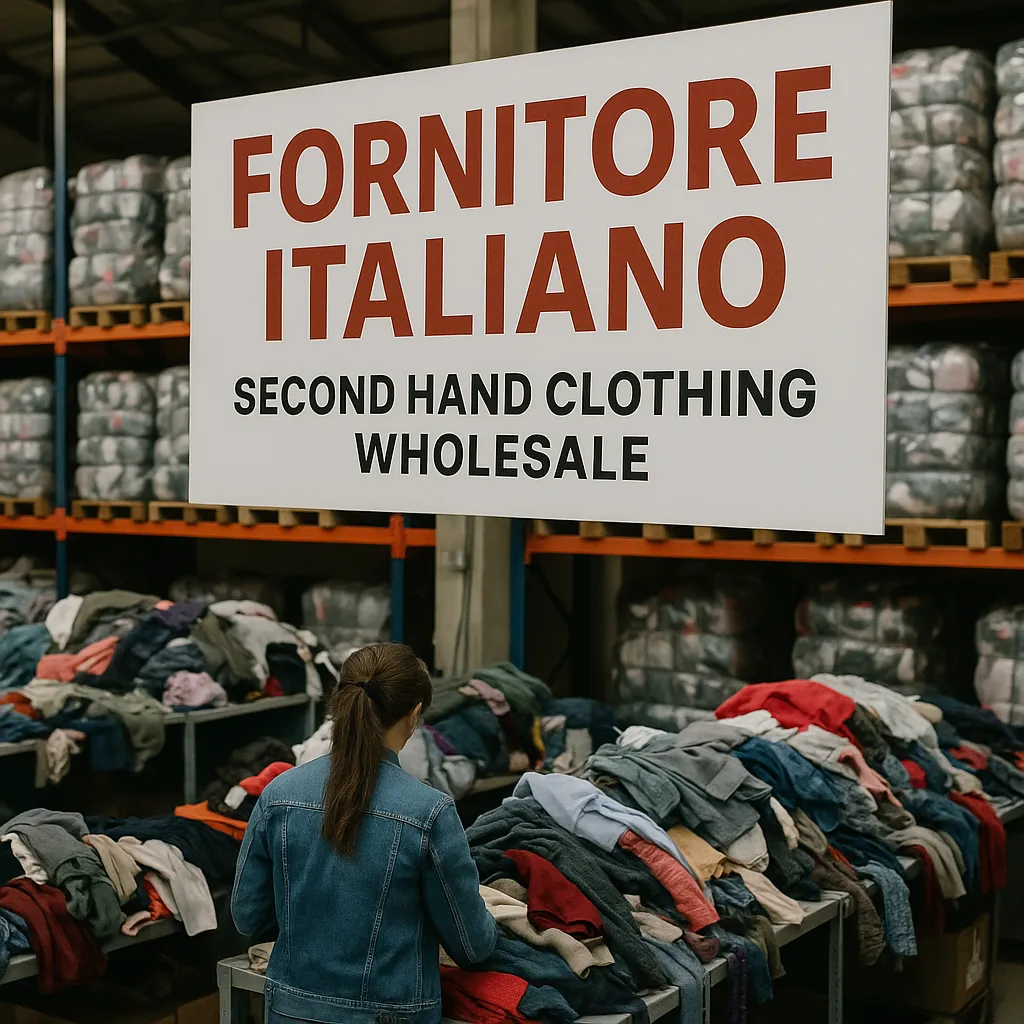
The world of fashion is constantly evolving, and the trend of second hand clothing wholesale has emerged as a popular choice among savvy consumers and businesses alike. With a growing awareness of sustainability and ethical consumption, many are turning to second hand clothing as a viable option for both personal wardrobes and commercial needs. This approach not only reduces waste but also promotes a circular economy, making it an attractive option for those looking to make a positive impact while saving money. The second hand clothing wholesale market offers a plethora of options, ranging from vintage treasures to contemporary styles at a fraction of the retail price.
Benefits of Second Hand Clothing Wholesale
Choosing second hand clothing wholesale comes with numerous benefits that extend beyond mere economic savings. Firstly, purchasing wholesale allows businesses to access quality garments at significantly reduced prices, making it an ideal choice for boutique owners or online resellers who aim to offer unique pieces without breaking the bank. This not only enhances profit margins but also allows for a diverse inventory that can attract a wider customer base. Moreover, the environmental benefits are substantial, as opting for second hand clothing helps mitigate the impact of textile waste and reduces the demand for new fabric production, which is often resource-intensive. As consumers become increasingly eco-conscious, retailers that embrace second hand clothing wholesale are likely to see a surge in demand, aligning their business practices with the values of their customers. Additionally, the thrill of the hunt for unique pieces adds an element of excitement to shopping, making it a more engaging experience for consumers.
Market Trends and Consumer Preferences
The landscape of consumer preferences has shifted dramatically in recent years, with a significant rise in the popularity of thrifted and second hand items. Not only do consumers seek affordability, but they also desire uniqueness and authenticity in their clothing choices. This trend is particularly prevalent among younger generations, such as Millennials and Gen Z, who prioritize sustainability and ethical practices in their purchasing decisions. As a result, businesses that offer second hand clothing wholesale are well-positioned to capitalize on this trend. They can curate collections that resonate with these values, ensuring they remain relevant in a competitive market. Additionally, the rise of social media has amplified this trend, with platforms like Instagram and TikTok showcasing second hand finds, effectively creating a community around sustainable fashion. As more influencers and everyday consumers share their thrifted outfits, the demand for second hand clothing continues to grow, making wholesale options an enticing avenue for retailers looking to expand their reach.
Quality Assurance in Wholesale Second Hand Clothing
One of the primary concerns among retailers considering second hand clothing wholesale is the quality of the garments. It's essential to partner with reputable suppliers that prioritize quality assurance in their sourcing processes. Many wholesalers specialize in grading their clothing based on quality, ensuring that only the best items reach the market. This meticulous grading system allows retailers to confidently offer their customers high-quality second hand items that meet their expectations. Furthermore, transparency in the sourcing process is crucial, as consumers are increasingly interested in where their clothing comes from and how it has been handled. By providing detailed information about the origins and conditions of the garments, businesses can build trust with their customers and enhance their brand reputation. Retailers should also consider offering return policies or satisfaction guarantees to further instill confidence in their clientele, encouraging them to explore the unique offerings available through wholesale channels.
How to Start a Second Hand Clothing Wholesale Business
Starting a second hand clothing wholesale business can be an exciting venture for entrepreneurs looking to make a mark in the fashion industry. The first step is to conduct thorough market research to identify potential niches and target audiences. Understanding consumer preferences and trends is vital in curating a collection that appeals to buyers. Once you have a clear vision, sourcing quality second hand clothing from reliable suppliers is crucial. You may choose to work with local thrift stores, charity organizations, or specialized wholesale distributors that focus on second hand garments. Establishing strong relationships with these suppliers can lead to better pricing and exclusive access to unique items. Additionally, creating a compelling online presence is essential for reaching a broader audience. An engaging website, combined with effective social media marketing, can significantly boost visibility and sales. Lastly, consider participating in local markets or events to showcase your collection and connect with potential customers, fostering a community around your brand.
Second Hand Clothing Wholesale: A Sustainable Choice
The shift towards sustainable fashion is more than just a trend; it represents a fundamental change in how consumers and businesses approach clothing consumption. By choosing second hand clothing wholesale, both retailers and consumers can contribute to a more sustainable future. The fashion industry is notorious for its environmental impact, with fast fashion contributing to significant waste and pollution. Embracing second hand options helps mitigate this issue by extending the lifecycle of garments and reducing the demand for new production. Consumers are becoming increasingly aware of the importance of making eco-friendly choices, and businesses that align with these values are likely to thrive. Additionally, many second hand items carry a story, adding sentimental value that new clothing often lacks. This connection to the past can enhance the appeal of second hand clothing, making it a thoughtful choice for conscious consumers. As the sustainable fashion movement continues to gain momentum, the potential for second hand clothing wholesale to drive positive change becomes increasingly clear.
Building a Brand Around Second Hand Clothing
Establishing a brand that specializes in second hand clothing wholesale requires a clear identity that resonates with your target audience. Authenticity is key; consumers are drawn to brands that reflect their values and lifestyle choices. Consider your brand's mission and how it aligns with the principles of sustainability, quality, and individuality. Crafting a compelling narrative around your brand can help you connect with your audience on a deeper level. Highlighting your commitment to ethical sourcing and environmental responsibility can enhance your brand image and attract like-minded customers. Moreover, leveraging social media can create a community around your brand, encouraging customers to share their purchases and experiences. Engaging with your audience through storytelling can foster loyalty, turning one-time buyers into repeat customers. Lastly, consider collaborating with influencers or other brands that share your values, amplifying your message and reaching a broader audience. Building a strong brand in the second hand clothing wholesale market is not just about selling clothes; it's about creating a movement that champions sustainability and conscious consumption.
Challenges in the Second Hand Clothing Wholesale Market
While the second hand clothing wholesale market presents numerous opportunities, it is not without its challenges. One significant hurdle is the perception of quality and desirability associated with second hand items. Overcoming this stigma requires effective marketing strategies that emphasize the value of pre-owned clothing, showcasing their uniqueness and sustainability. Additionally, competition in the market can be fierce, with many retailers vying for the same consumer base. Establishing a strong brand presence and offering exceptional customer service can help differentiate your business from competitors. Furthermore, logistics can pose challenges, particularly in terms of inventory management and shipping. Implementing efficient systems to track stock levels and streamline order fulfillment is essential for maintaining a smooth operation. Lastly, staying attuned to market trends and consumer preferences is crucial for success in this dynamic landscape. By continuously adapting your offerings and marketing strategies, you can navigate the challenges of the second hand clothing wholesale market effectively.
Future of Second Hand Clothing Wholesale
The future of second hand clothing wholesale looks promising as the movement towards sustainability continues to gain momentum. As consumers become more educated about the environmental impact of fast fashion, the demand for sustainable alternatives is likely to rise. This shift presents a significant opportunity for businesses in the second hand clothing wholesale sector to thrive. Innovations in technology, such as online marketplaces that facilitate buying and selling pre-loved items, are also set to revolutionize the industry. These platforms provide greater access to second hand clothing and allow for a more seamless shopping experience. Moreover, collaborations between brands and sustainability initiatives can further enhance the appeal of second hand options. As more retailers embrace circular fashion principles, the second hand clothing wholesale market is poised for growth. With a commitment to quality, sustainability, and authenticity, businesses can position themselves at the forefront of this evolving industry, shaping the future of fashion for generations to come.
Conclusion: Embrace Second Hand Clothing Wholesale Today
In conclusion, the second hand clothing wholesale market offers a unique opportunity for retailers and consumers alike to embrace sustainability while enjoying economic benefits. The advantages of choosing second hand are manifold, from promoting environmental responsibility to providing access to quality garments at affordable prices. As consumer preferences shift towards ethical and sustainable practices, businesses that prioritize second hand clothing wholesale will likely see increased demand and loyalty from their customers. The future of fashion is undoubtedly intertwined with the principles of sustainability, and by participating in this movement, we can collectively contribute to a healthier planet. Whether you're a retailer looking to diversify your inventory or a consumer seeking unique pieces, the world of second hand clothing wholesale is ripe for exploration. Start your journey today by visiting our product offerings and join the movement towards sustainable fashion.
FAQ
What is second hand clothing wholesale?
Second hand clothing wholesale refers to the bulk purchasing of pre-owned garments intended for resale, typically at a reduced cost compared to new clothing. This model enables retailers to offer unique and affordable options while promoting sustainability. Businesses can source a diverse array of styles and brands, appealing to a wide customer base. In addition to financial benefits, this approach supports environmental initiatives by reducing textile waste and encouraging a circular economy. As consumers increasingly prioritize sustainability, second hand clothing wholesale becomes a viable and responsible option for both retailers and shoppers.
How can I find reliable suppliers for second hand clothing wholesale?
Finding reliable suppliers for second hand clothing wholesale involves researching reputable wholesalers and distributors known for quality garments. Start by exploring online directories and industry forums where established suppliers are listed. Attending trade shows or fashion expos can also provide valuable networking opportunities to connect directly with potential suppliers. It's crucial to evaluate their sourcing practices, quality control measures, and customer reviews to ensure they align with your business values. Establishing strong relationships with suppliers can lead to better pricing and exclusive access to unique inventory, enhancing your offerings.
What are the benefits of buying second hand clothing wholesale?
Buying second hand clothing wholesale offers numerous benefits, including cost savings, unique inventory, and environmental sustainability. Retailers can access quality garments at significantly lower prices, allowing for higher profit margins. Additionally, the variety of styles available in the second hand market adds uniqueness to retail offerings, attracting diverse customers. From an environmental perspective, purchasing wholesale second hand clothing contributes to reducing textile waste and promotes a circular economy, aligning with the growing consumer demand for sustainable practices. Overall, this approach not only supports businesses financially but also positively impacts the planet.
Is second hand clothing wholesale a good business opportunity?
Yes, second hand clothing wholesale presents a lucrative business opportunity, especially in the current market climate that increasingly values sustainability. With rising consumer awareness regarding the environmental impact of fast fashion, many shoppers are seeking out eco-friendly alternatives, which second hand clothing provides. Establishing a wholesale business in this sector allows entrepreneurs to tap into a growing demand for affordable and unique garments while contributing to a more sustainable fashion ecosystem. By curating quality collections and effectively marketing to target audiences, businesses can thrive in this evolving landscape.
How does second hand clothing contribute to sustainability?
Second hand clothing plays a crucial role in promoting sustainability by extending the lifecycle of garments and reducing the demand for new production. This practice helps combat the environmental issues associated with fast fashion, such as excessive waste, pollution, and resource depletion. By choosing pre-owned clothing, consumers can actively participate in a circular economy, where materials are reused rather than discarded. Additionally, supporting businesses that focus on second hand clothing wholesale reinforces the importance of ethical consumption and encourages responsible practices within the fashion industry. This collective effort can lead to a more sustainable future.
What types of clothing can I find in second hand clothing wholesale?
Second hand clothing wholesale offers a diverse range of garments, including vintage, contemporary, and seasonal styles. Retailers can find everything from casual wear and formal attire to accessories and footwear. Many wholesalers specialize in curating collections that reflect current fashion trends, ensuring that buyers have access to desirable items. Additionally, the variety available allows retailers to cater to different customer preferences and demographics. By sourcing from reputable suppliers, businesses can provide high-quality second hand clothing that meets the expectations of their clientele while promoting sustainable fashion choices.