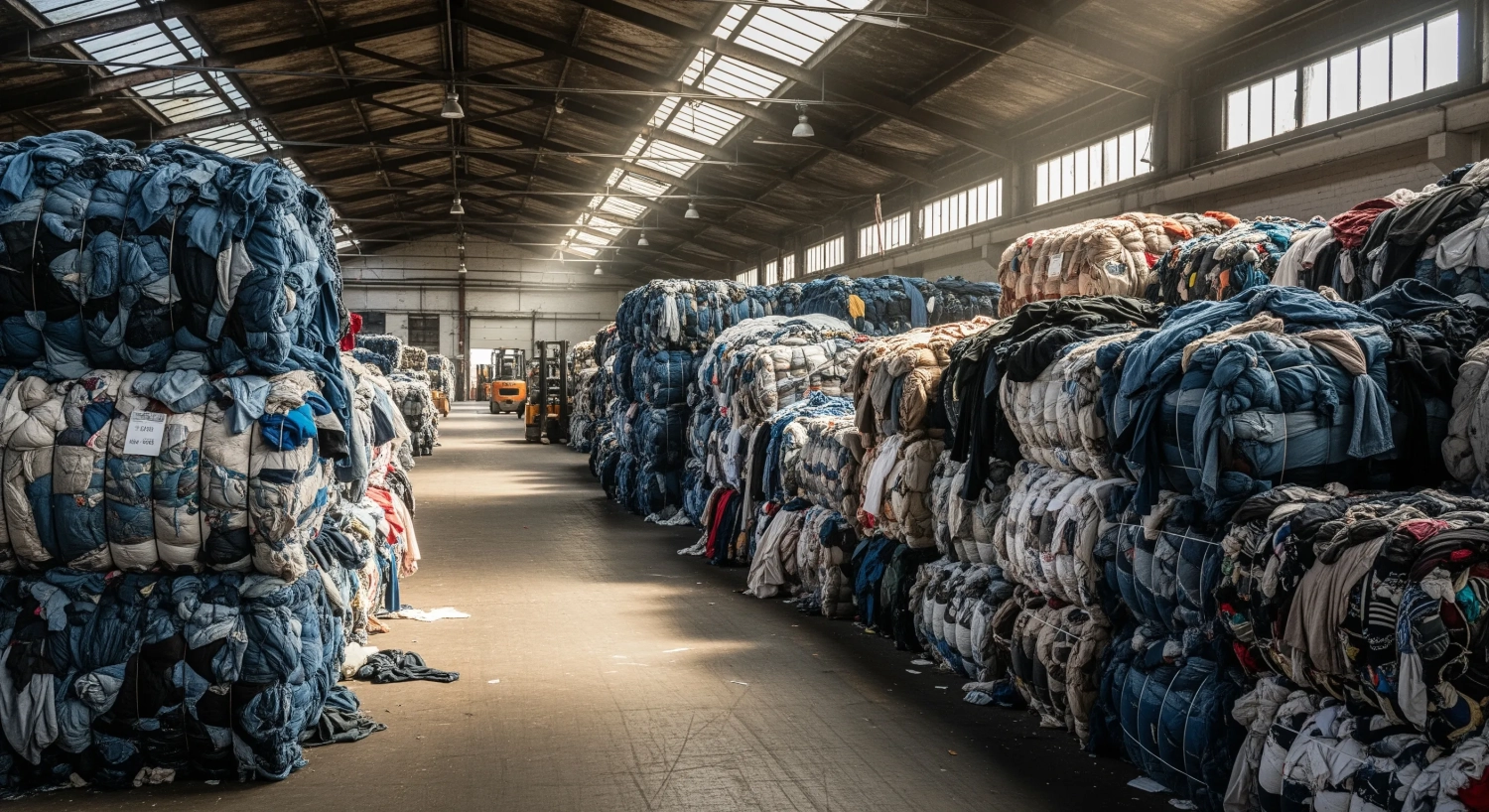
In the ever-evolving world of fashion retail, sourcing quality second-hand clothes is paramount for B2B buyers in Germany and across Europe. With a logistics hub strategically located in Marcianise Sud, Caserta, Recycling Italy offers a robust supply chain ready to cater to wholesalers and store owners seeking bulk second-hand and stock clothing. Our extensive experience ensures that trade buyers receive top-grade apparel while supporting the circular economy through sustainable practices.
Table of Contents
- Key Takeaways
- Second Hand Clothing Market Insights
- Quality Grading and Sorting Practices
- Exporting Second Hand Clothing to Germany
- Logistics and Transport Solutions
- Risk Management in B2B Clothing Wholesale
Key Takeaways
| Aspect | Details |
|---|---|
| MOQ | Typically 1000 kg for bulk orders. |
| Grading & Sorting | Rigorous standards ensure quality second-hand stock. |
| Logistics | Efficient delivery options across Europe. |
| Risk Control | Transparent terms and compliance documentation. |
Second Hand Clothing Market Insights
The demand for second hand clothes in Germany wholesale reflects a growing trend towards sustainability. As consumers continue to seek eco-friendly choices, B2B buyers are in a prime position to capitalize on this shift. Understanding local market trends and consumer preferences helps refine product offerings to meet the specific demands of German retailers.
Data from industry reports highlights that the second-hand apparel market in Europe is on the rise, driven by both economic considerations and a desire for sustainable practices. German businesses are increasingly sourcing from EU suppliers to ensure quality and compliance with local regulations.
Pro tip: Keep an eye on emerging trends in consumer choices to adapt stock accordingly.
Quality Grading and Sorting Practices
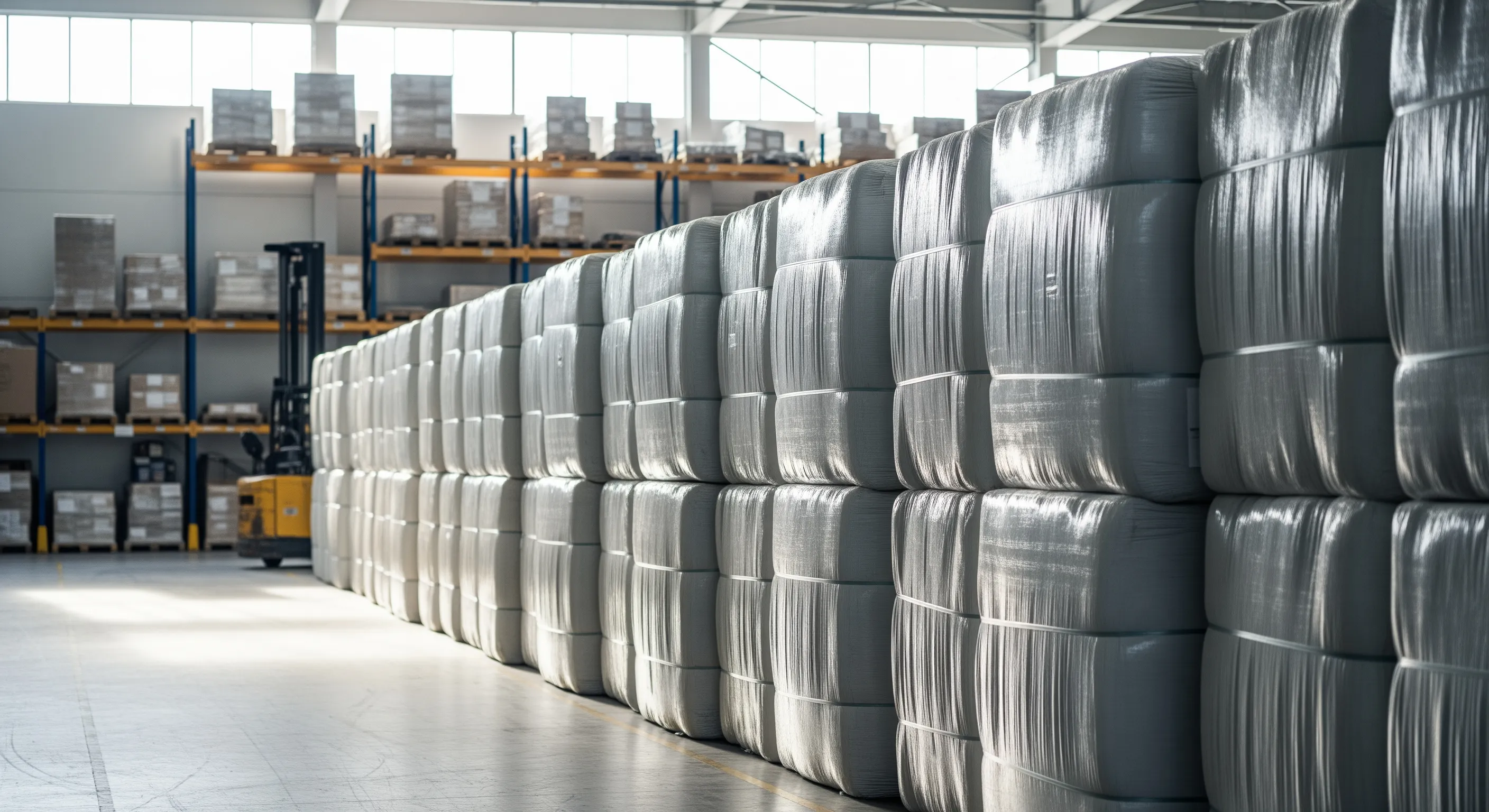
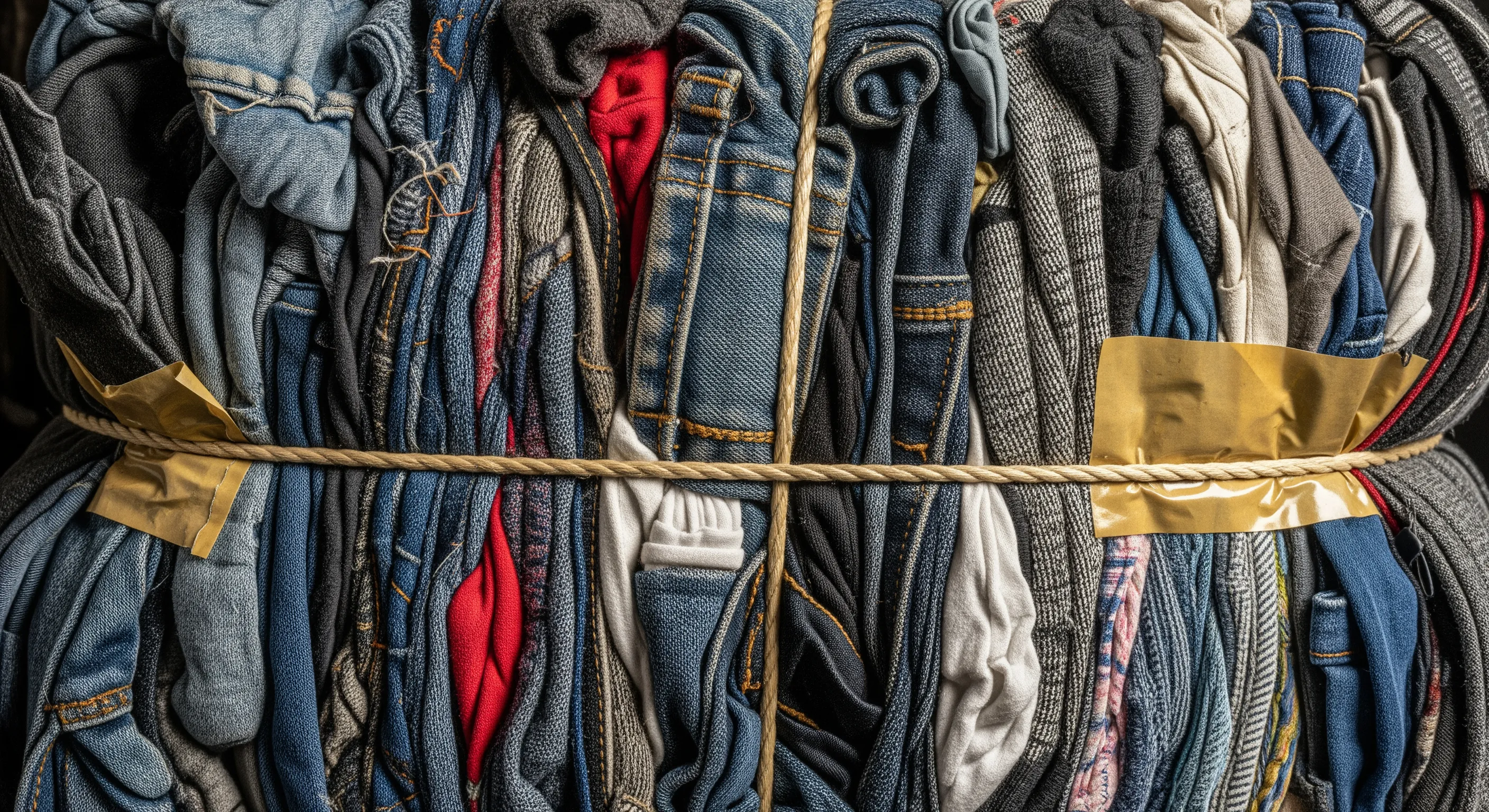
Effective grading and sorting are at the core of successful wholesale operations. At Recycling Italy, we utilize a detailed grading system to ensure that our clients receive high-quality bulk second hand clothing. The sorting process separates garments into various categories, identifying items for reselling, recycling, or repurposing.
This not only enhances the quality of stock but also supports the circular economy, promoting sustainable practices within the industry. According to EU sustainability guidelines, compliance with such practices is becoming increasingly important for wholesalers.
Pro tip: Regularly review your grading criteria to stay aligned with market expectations.
Exporting Second Hand Clothing to Germany
Exporting used clothes to Germany requires adherence to specific documentation and compliance standards. As a prominent hub, Germany demands that all imports meet strict regulations concerning quality and sustainability. Understanding these regulations is vital for being a successful exporter.
Utilizing logistics partners familiar with cross-border shipping can streamline this process. Having the right paperwork and transport solutions reduces potential delays and risks associated with logistics, particularly when referring to customs clearance processes.
Pro tip: Invest in reliable logistics partnerships to ensure a smooth export process.
Logistics and Transport Solutions
Effective logistics solutions are key for wholesalers dealing in bulk second-hand clothing. With strategic access to Caserta’s logistics network, Cycling Italy ensures that goods are transported efficiently throughout Europe.
Implementing advanced tracking systems and efficient route planning minimizes delivery times and enhances overall customer satisfaction. Utilizing industry benchmarks for logistics can help to streamline operations further.
Pro tip: Regularly assess your logistics processes to identify areas for improvement.
Risk Management in B2B Clothing Wholesale
Risk management is essential in the wholesale clothing sector. Factors such as grading disputes, transit damage, and compliance issues need to be diligently managed. Understanding potential risks enables buyers to establish effective strategies for mitigation.
| Practical Risk | Cause | Mitigation |
|---|---|---|
| Grading Disputes | Inconsistent quality checks | Regular training for staff |
| Transit Damage | Improper handling during shipping | Secure packaging standards |
| Compliance/Docs | Incomplete paperwork | Thorough documentation review |
| Payment Terms | Poor contract clarity | Clear written agreements |
Pro tip: Establish clear protocols to manage potential risks effectively.
Get a B2B Quote for Italian Second-Hand and Stock Clothing
For trade buyers who need consistent bulk supply, clear grading and efficient EU delivery, explore Recycling Italy at recyclingitaly.com. To request a quote or schedule a warehouse visit near Caserta, contact the team here: Contact Us.
Frequently Asked Questions
What is the minimum order quantity for wholesale second-hand clothing?
The minimum order quantity is typically 1000 kg for bulk orders.
How is the quality of second-hand clothing ensured?
Quality is ensured through a rigorous grading and sorting process.
What logistics solutions are available for transporting goods?
We offer efficient logistics solutions with tracking systems for timely deliveries across Europe.
How can potential risks be managed in the B2B sector?
Establishing clear protocols and regular training mitigates risks in the wholesale process.