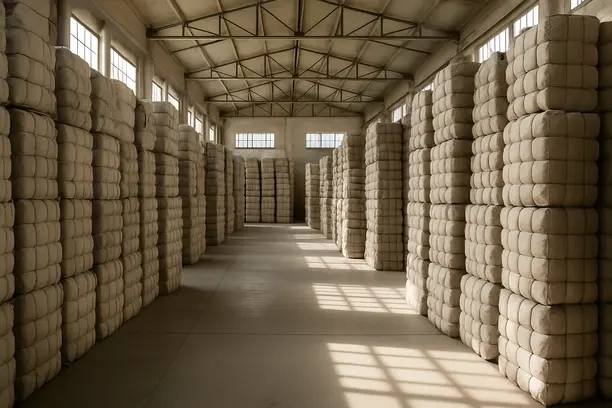
As a trusted supplier based in the logistics hub of Caserta, Italy, Recycling Italy specializes in B2B wholesale trade for second-hand clothing. Our dedication to meeting the needs of wholesalers, exporters, and importers across Europe ensures that you receive high-quality products in bulk at competitive prices. With our extensive network and experience, you can depend on us for reliable supply and support in navigating the complexities of European trade.
Table of Contents
- Key Takeaways
- Current Market Trends in Used Clothing
- Sustainability and Ethical Considerations
- Importance of Quality Grading
- Logistics and Delivery Considerations
- Mitigating Risks in Bulk Trade
Key Takeaways
| Aspect | Details |
|---|---|
| MOQ | Typically, orders start at 1000 kg to optimize shipping and handling. |
| Grading | Quality grading ensures only the best items reach your market, affecting resale profitability. |
| Logistics | Caserta serves as a logistics hub, facilitating efficient EU shipping and customs processes. |
| Risk Control | Clear terms and conditions help mitigate payment and compliance risks in transactions. |
Current Market Trends in Used Clothing
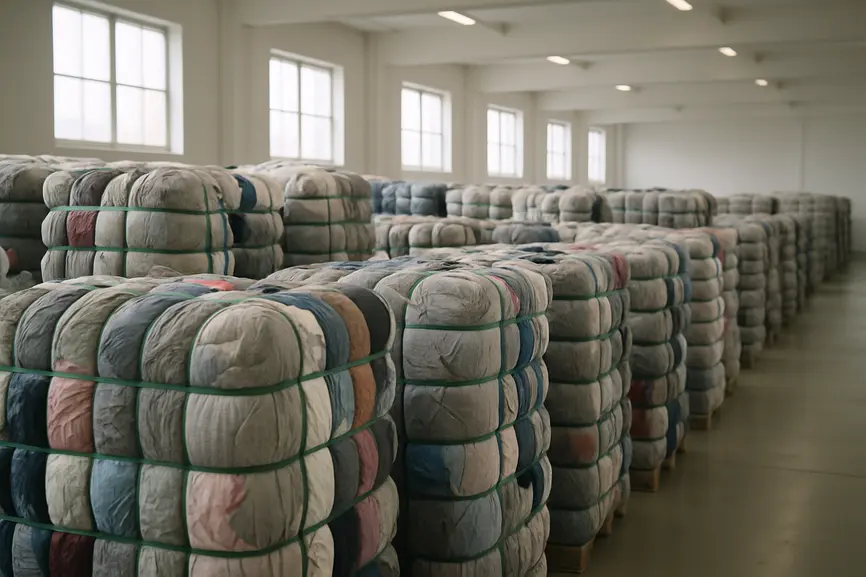
Global demand for used clothing is on the rise, driven by consumers' growing awareness of sustainability and ethical fashion. European markets, in particular, are witnessing a significant shift in consumer behavior towards second-hand apparel. According to an academic study, the international second-hand clothing trade is a crucial component of the circular economy, supporting sustainability initiatives.
This transition not only provides eco-friendly options for consumers but also creates a lucrative avenue for wholesalers targeting a market seeking affordability and quality. It is essential for B2B suppliers to stay updated on these market dynamics to remain competitive.
Pro tip: Monitor market trends regularly to identify emerging demands, especially among younger consumers.
Sustainability and Ethical Considerations
As awareness of the ethical implications of fast fashion rises, sustainability in the textile industry has become a focal point. A comprehensive analysis in Design and Sustainability indicates that brands investing in sustainable practices gain a competitive edge.
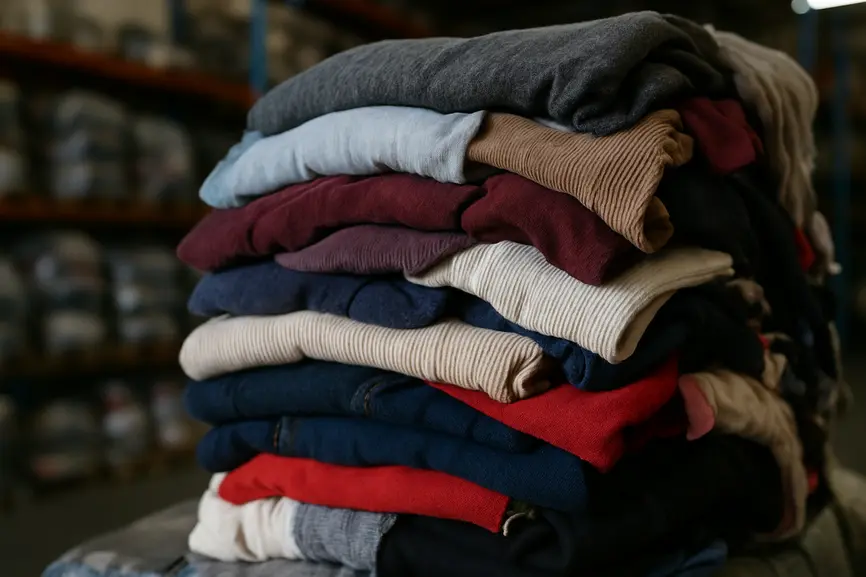
Not only does selling second-hand clothing mitigate waste and resource use, but it also aligns with consumer values. Companies that emphasize sustainability in their marketing strategies often witness heightened brand loyalty and customer trust, making it a prudent approach for B2B wholesalers.
Pro tip: Highlight the sustainability aspect of your offerings in marketing to attract eco-conscious buyers.
Importance of Quality Grading
Quality grading is paramount in the wholesale clothing trade, affecting resale margins significantly. Prioritizing a rigorous grading system allows wholesalers to categorize clothes effectively, ensuring that only high-quality items reach retailers and consumers. Grading impacts stock turnover and profitability in the second-hand market.
Research published in academic literature emphasizes the importance of consumer perception of quality, reinforcing the necessity of a strict grading process to maintain brand reputation and competitiveness.
Pro tip: Collaborate with experienced graders to enhance the quality assessment process and improve customer satisfaction.
Logistics and Delivery Considerations
Effective logistics is essential for timely delivery and customer satisfaction. The geographical advantage of Caserta maximizes efficiency in distribution across Europe, with nearby ports and transportation networks streamlining logistics operations. Buyers should prioritize suppliers who can demonstrate a robust logistical framework for handling bulk orders.
The EU's regulatory environment supports seamless cross-border trade, with resources like the EU exports report providing crucial insights into the trends within the sector.
Pro tip: Establish clear communication channels with your supplier to ensure smooth logistics operations.
Mitigating Risks in Bulk Trade
Engaging in bulk trade involves inherent risks, including grading disputes, payment compliance, and damage during transit. Suppliers should implement clear terms and conditions to address these risks effectively. Utilizing data from the Office for National Statistics can guide suppliers in understanding market dynamics and setting realistic expectations around turnover.
Understanding the implications of logistics, such as damage during transit or compliance issues, can lead to better planning and reduced risks overall.
Pro tip: Regularly review your risk management strategies to adapt to ongoing market changes.
Get a B2B Quote for Italian Second-Hand and Stock Clothing
For trade buyers who need consistent bulk supply, clear grading and efficient EU delivery, explore Recycling Italy at recyclingitaly.com. To request a quote or schedule a warehouse visit near Caserta, contact the team here: Contact Us.
Frequently Asked Questions
What is MOQ for bulk orders?
The typical MOQ is around 1000 kg, designed to optimize logistics and handling.
How do you ensure quality in your stock?
We implement rigorous quality grading processes to ensure only the best items are supplied.
What logistics services do you provide?
We offer streamlined logistics operations from our hub in Caserta, ensuring timely delivery across Europe.
How can I mitigate risks in bulk clothing transactions?
Establish clear terms and conditions and maintain open communication with your supplier.