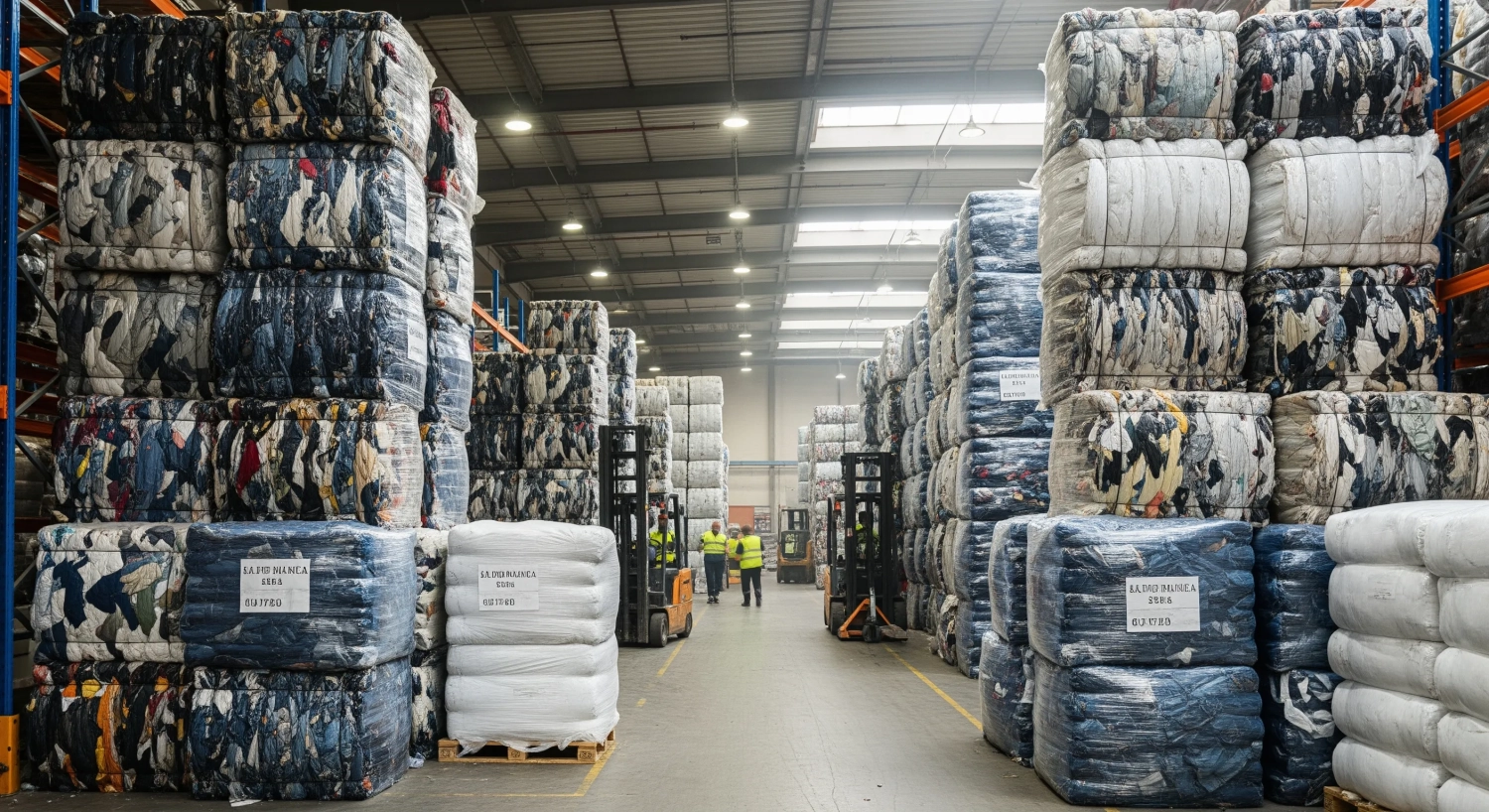
Wholesale second-hand clothing has become a crucial part of the European market, offering sustainable options for businesses across the continent. Based in Caserta, Italy, Recycling Italy serves as a reliable hub for bulk orders of used clothing. With an increasing demand for sustainable fashion, trade buyers are turning towards trusted suppliers in Italy to meet their requirements efficiently, taking advantage of the logistics infrastructure in Southern Europe for prompt delivery, streamlined customs processes, and optimal supply chain solutions.
Table of Contents
- Key Takeaways
- Understanding the Second-Hand Clothing Market
- Benefits of Sourcing from Italy
- Compliance and Regulations
- Risk Mitigation in Bulk Buying
- Future Trends in Sustainable Fashion
Key Takeaways
| Aspect | Details |
|---|---|
| Minimum Order Quantity (MOQ) | Typically starts at 1000 kg, catering to bulk orders. |
| Grading and Sorting | Strictly implemented to ensure quality and marketability of stock. |
| Logistics | All processes tailored for efficient EU delivery, leveraging regional strengths. |
| Margins and Pricing | Competitive pricing strategies to maintain cost-effectiveness while ensuring quality. |
Understanding the Second-Hand Clothing Market
The second-hand clothing market in Europe is experiencing significant evolution, driven by both economic and environmental factors. Recent data highlighted that in 2019, net imports of second-hand clothes accounted for 92% of net clothing imports in the EU, indicating a robust demand for recycled fashion. This trend reflects a growing sustainability awareness among consumers and a shift towards circular economy practices.
However, the demand for second-hand clothing is not uniform across Europe. According to a report, the demand is particularly low for lower-quality grades, with a preference for high-quality clothing. Only premium quality items are viable for local markets, making it essential for buyers to work closely with trusted suppliers who maintain high grading standards.
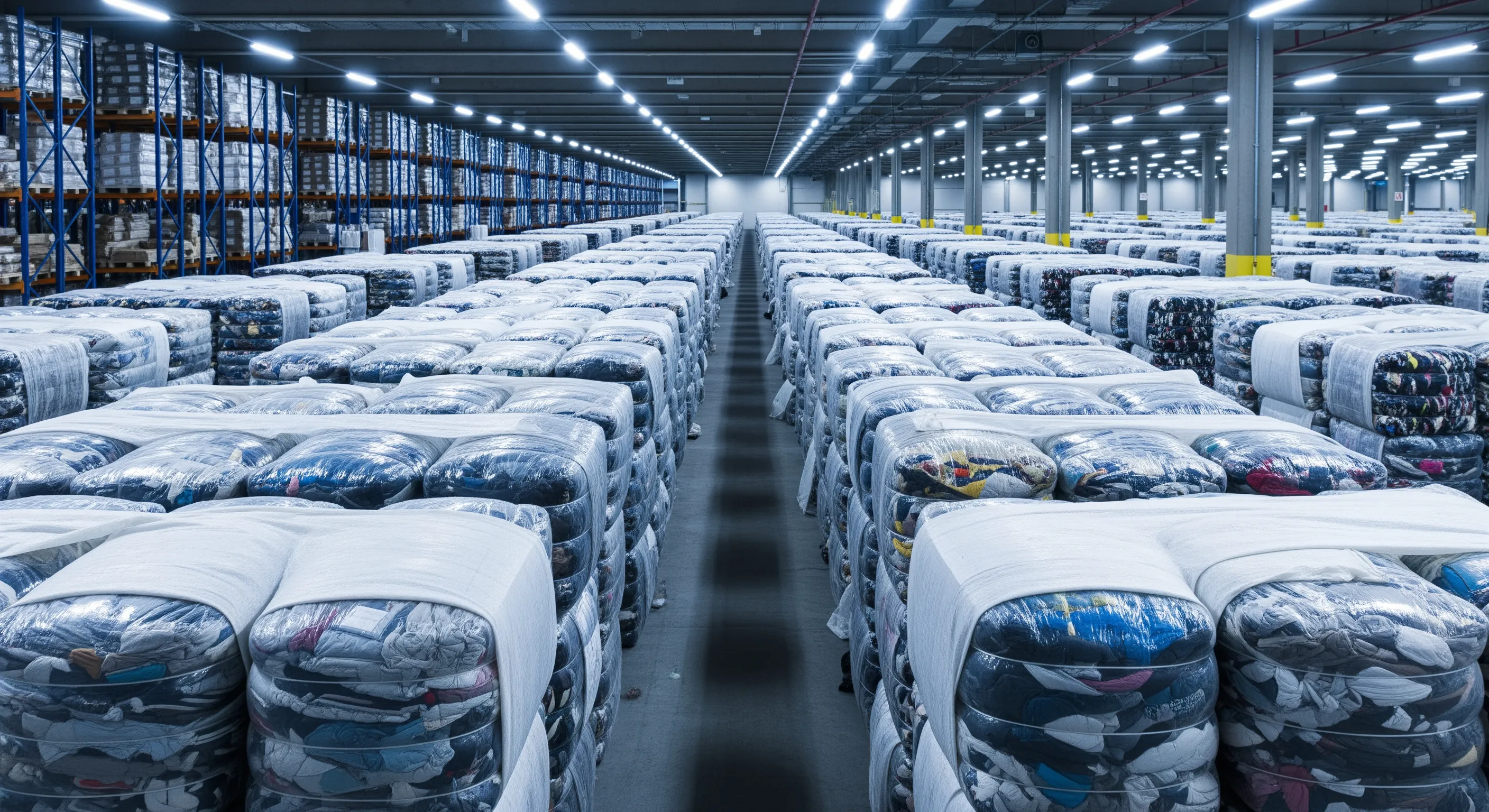
Pro tip: Always verify the grading criteria and quality assurance processes of your suppliers to ensure product marketability.
Benefits of Sourcing from Italy
Italy serves as a prime location for sourcing second-hand clothing due to its central position in Europe and established logistics networks. The country has a rich tradition in textiles, making it a reliable source for quality second-hand garments. Moreover, Italian suppliers like Recycling Italy are committed to sustainability, offering bulk options that are environmentally friendly.
Working with Italian suppliers also allows trade buyers to minimize lead times while benefiting from direct access to the Mediterranean shipping routes. This geographic advantage significantly eases the shipping and handling process, ensuring compliance with EU regulations for imports.
Pro tip: Engage with suppliers who provide detailed logistics solutions and can assist with customs documentation for smoother operations.
Compliance and Regulations
Compliance in the second-hand clothing sector is pivotal, particularly with the increasing scrutiny around sustainability and recycling. EU regulations mandate strict adherence to waste management protocols, making it essential for businesses to ensure that their suppliers are compliant with industry standards.
With the rise of the circular economy, it's vital that businesses stay informed about evolving regulations regarding the import and sale of second-hand textiles. The European Commission has outlined numerous strategies to promote circularity, which include ensuring transparency in supply chains. Engaging with compliant suppliers is a key step towards successfully navigating these regulations. According to the latest impact assessment report, this aspect will continue to grow in importance.
Pro tip: Regularly update your knowledge on compliance requirements to safeguard your business from potential legal issues.
Risk Mitigation in Bulk Buying
When engaging in bulk buying of second-hand clothing, understanding the associated risks is critical. Factors such as grading disputes and transit damage can affect the success of your purchases. Implementing robust risk mitigation strategies can safeguard your investment.
For instance, ensure thorough grading controls and clear terms of payment and delivery with suppliers to minimize the possibility of disputes. Establishing reliable channels of communication fosters transparency and helps in addressing any concerns proactively.
| Potential Risk | Cause | Mitigation Strategy |
|---|---|---|
| Grading Disputes | Inconsistent quality among bales | Implement strict grading and sorting measures |
| Transit Damage | Poor handling during shipping | Engage reputable logistics partners with insurance coverage |
| Compliance Issues | Lack of documentation | Work with compliant suppliers and maintain records |
| Payment Terms | Missing clarity in agreement | Define clear payment terms before transactions |
Pro tip: Establish a comprehensive supplier evaluation process to continuously assess risk factors in your supply chain.
Future Trends in Sustainable Fashion
The future of sustainable fashion looks promising as more businesses acknowledge the importance of eco-friendly practices. Projections indicate that sustainable fashion will significantly grow and that the demand for second-hand clothing will continue to rise.
As highlighted in the latest EU report, the shift toward sustainable manufacturing and consumption in textiles is essential as over 70% of fashion products consumed in the EU are imported. This emphasizes the need for sustainable sourcing practices throughout the supply chain.
Pro tip: Stay abreast of emerging trends in sustainability to ensure your business adapts to the evolving market demands.
Get a B2B Quote for Italian Second-Hand and Stock Clothing
For trade buyers who need consistent bulk supply, clear grading and efficient EU delivery, explore Recycling Italy at recyclingitaly.com. To request a quote or schedule a warehouse visit near Caserta, contact the team here: Contact Us.
Frequently Asked Questions
What is the minimum order quantity for wholesale second-hand clothing?
The minimum order quantity typically starts at 1000 kg.
How can I ensure the quality of second-hand clothing?
Ensure your supplier implements strict grading and sorting measures.
What shipping options are available for bulk orders?
Suppliers usually offer various logistics solutions, including container shipments.
How can I stay compliant with EU regulations?
Engage with compliant suppliers and keep abreast of evolving regulations.