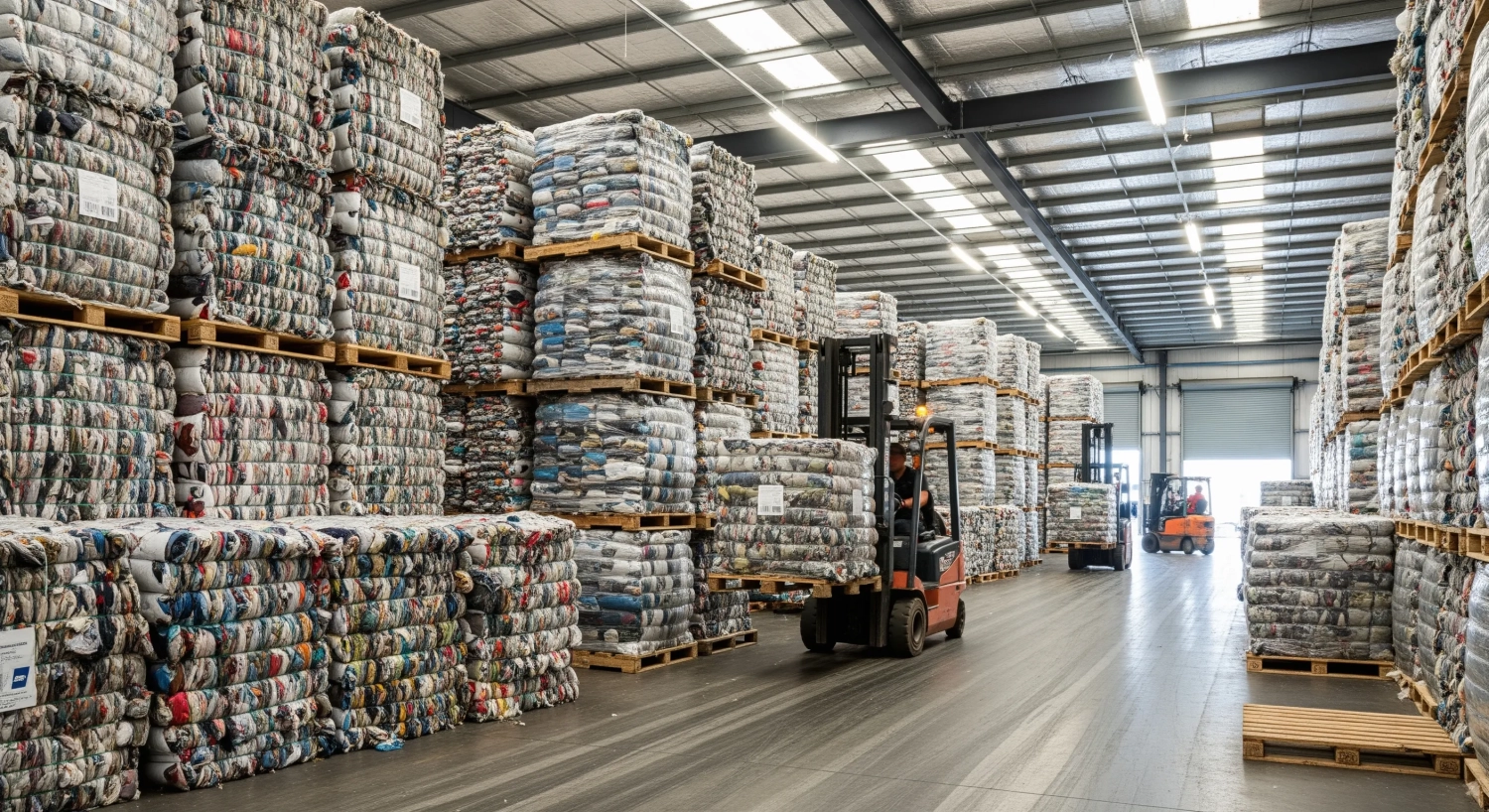
In the evolving landscape of second-hand clothing, understanding the wholesale market in the USA is crucial for trade buyers seeking reliable bulk supplies. As Marcianise Sud, near Caserta, grows as a logistics hub in Southern Europe, access to quality used clothing from the USA can enhance inventory options for wholesalers across Europe. Engaging with a B2B supplier that maintains strict grading and sorting practices ensures consistency and high standards in the products offered. This guide aims to assist businesses in navigating the used clothing wholesale market from the USA.
Table of Contents
- Understanding the Market
- Key Sourcing Strategies
- Commercial Operations Overview
- Logistics and Customs
- Impact on Sustainability
- Risk Management
Key Takeaways
| Aspect | Details |
|---|---|
| Minimum Order Quantity (MOQ) | Typically, 1000 kg for bulk orders. |
| Grading Standards | Strict grading ensures quality within bulk shipments. |
| Logistics | Cross-border delivery from USA to Italy is streamlined via established routes. |
| Risk Control | Clear documentation and compliance monitoring reduce potential disputes. |
Understanding the Market
The used clothing wholesale market in the USA is characterized by its large-scale operations and diverse product offerings. Major suppliers focus on sourcing quality second-hand clothing, ensuring that wholesalers receive high-grade products suitable for retail. According to an industry dataset, the international second-hand clothing trade plays a vital role in both supply and sustainability.
The demand for second-hand clothing continues to grow, driven by consumer awareness and preference for sustainable practices. Importers and wholesalers are increasingly looking to capitalize on this trend by sourcing from the USA, where brands and styles vary significantly.
Key Sourcing Strategies
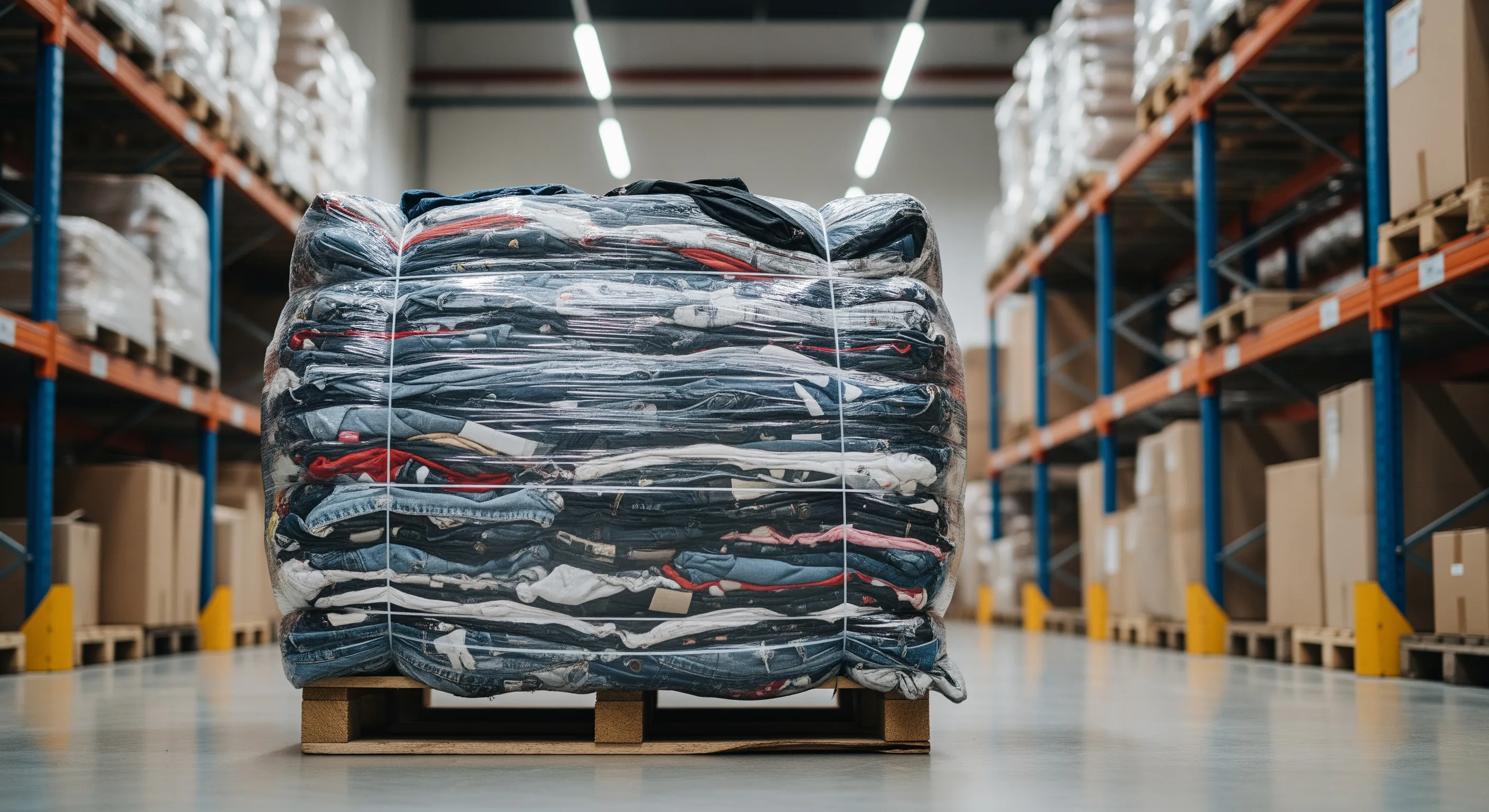
For businesses focused on minimizing costs while maximizing quality, strategic sourcing from different U.S. regions can yield significant benefits. Establishing relationships with reliable suppliers is essential for ensuring consistent quality and compliance with EU market standards. As noted in research from the fashion industry, suppliers that invest in sustainability practices tend to achieve better market performance.
Understanding seasonal trends in the USA can also help in effectively timing purchases and maximizing sales upon importation into Europe.
Commercial Operations Overview
The operational aspect of importing used clothing involves a complex understanding of the market dynamics. Commercial used apparel collection operations provide insights into optimal promotional efforts and profitability; thus, trade buyers should analyze how suppliers maximize their collection processes.
Efficient commercial operations ensure timely processing and shipping of orders, minimizing lead times and improving the business cycle for wholesalers.
Logistics and Customs
Efficient logistics management ensures that orders arrive on time, complying with local customs regulations. Understanding the various taxes and duties applicable when importing to the EU from the USA is crucial to maintaining profitability. The World Bank Document provides insights into historical trends in clothing imports that can aid in forecasting costs.
Additionally, having a robust supply chain with established freight partners can enhance the speed and reliability of shipping operations.
Impact on Sustainability
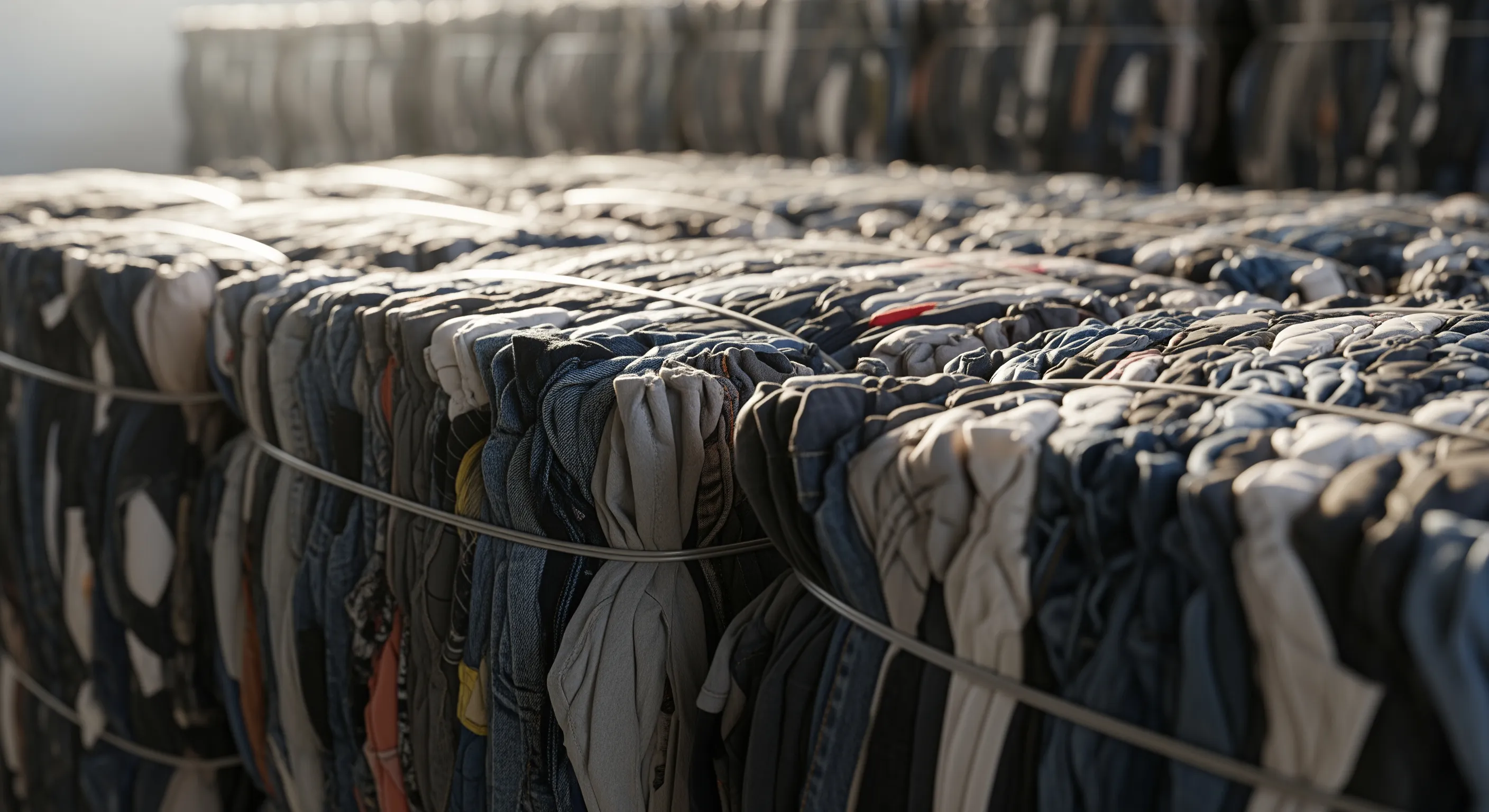
The increasing focus on sustainability in the fashion sector has shifted attention toward the benefits of second-hand clothing. The GreenCCircuit report highlights the positive impact that second-hand clothing imports can have on reducing waste and promoting a circular economy.
Sourcing used clothing contributes not only to environmental benefits but also fosters a sense of community responsibility among wholesalers prioritizing sustainable practices.
Risk Management
| Practical Risk | Cause | Mitigation |
|---|---|---|
| Grading Disputes | Inconsistent quality assessments | Establish clear grading criteria upfront. |
| Transit Damage | Poor handling during shipment | Use reliable logistics partners and ensure proper packaging. |
| Compliance/Documentation | Regulatory misunderstandings | Thoroughly check import regulations before shipments. |
| Payment Terms | Delayed transactions | Implement secure payment methods and clear terms. |
Get a B2B Quote for Italian Second-Hand and Stock Clothing
For trade buyers who need consistent bulk supply, clear grading and efficient EU delivery, explore Recycling Italy at recyclingitaly.com. To request a quote or schedule a warehouse visit near Caserta, contact the team here: Contact Us.
Frequently Asked Questions
What are the benefits of sourcing used clothing from the USA?
Sourcing used clothing from the USA offers access to diverse styles and high-quality apparel, making it advantageous for European retailers.
How can I verify a supplier's credibility?
Research and request references, and ensure they comply with sustainability and quality standards.
What are the typical shipping times for imported used clothing?
Shipping times can vary, but typically range from two to four weeks, depending on logistics partners and customs clearance.
Is there a risk of unsold inventory?
Yes, proper market analysis can mitigate this risk by ensuring alignment with demand trends.