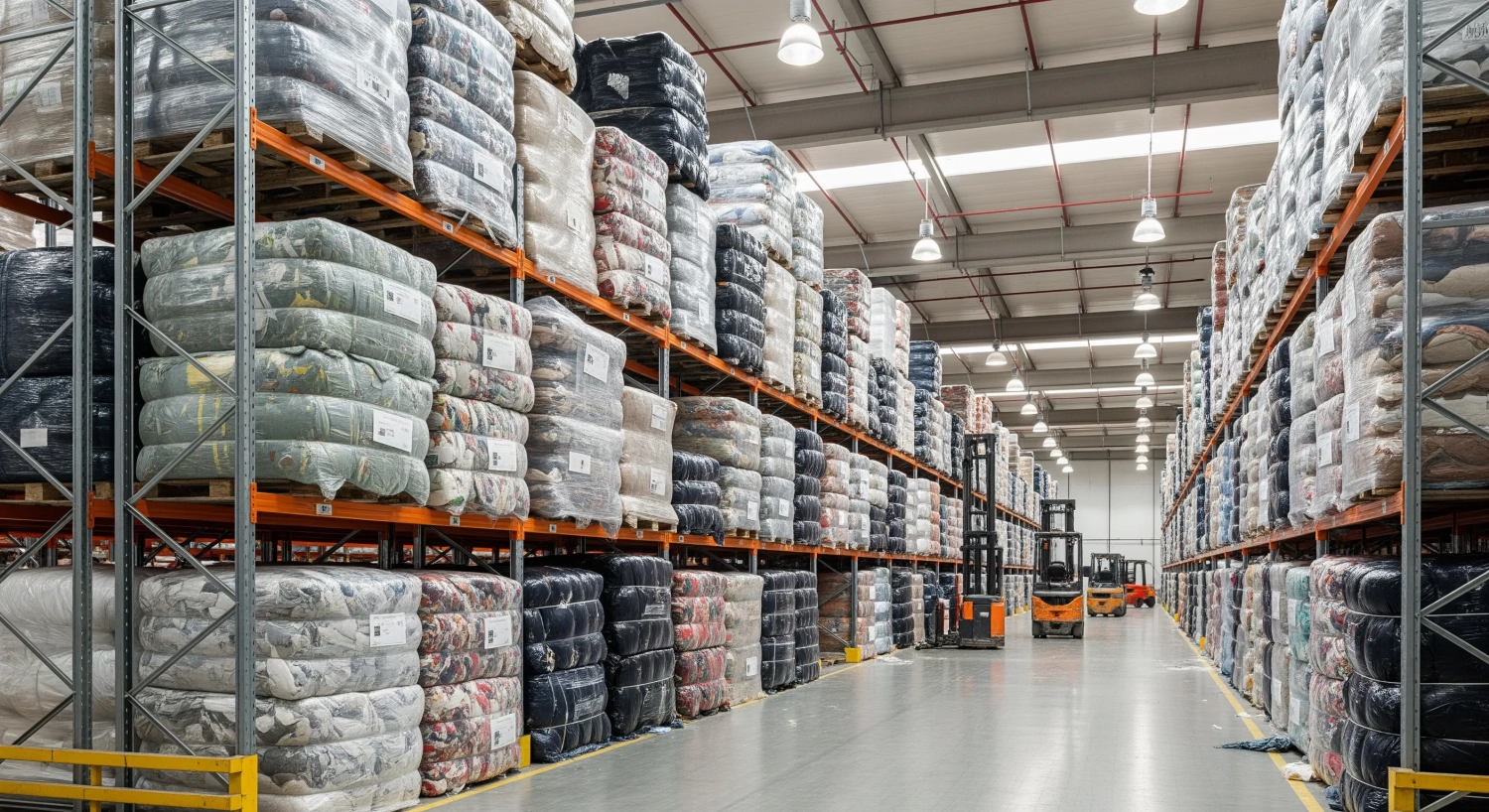
As a leading wholesale supplier, Recycling Italy stands as a strategic hub in the heart of the Southern European apparel market. Located in Marcianise Sud, Caserta, we provide trade buyers across Europe with high-quality second-hand clothing options. Our offerings include bulk purchases designed for wholesalers and importers, ensuring a seamless supply chain experience. The continual rise of sustainable fashion drives the demand for our products, making us a trustworthy partner in the realm of second-hand garments.
Table of Contents
- What is Ingrosso Abbigliamento Usato?
- Advantages of Wholesale Second-Hand Clothing
- Importance of Circular Economy in Fashion
- How to Select Reliable Suppliers
- Risk Management in Clothing Wholesale
- Best Practices for Import and Export
What is Ingrosso Abbigliamento Usato?
Ingrosso abbigliamento usato refers to the wholesale trade of second-hand clothing, a sector that has gained significant importance in recent years. This market caters to various businesses, including retailers and exporters, offering them access to diverse clothing options. The second-hand clothing market thrives on sustainability principles, enabling businesses to meet consumer demand while promoting eco-friendly practices.
In Milan, various suppliers offer vast assortments of high-quality garments. By leveraging local resources and networks, these suppliers ensure that trade buyers receive competitive pricing and reliable products. The business model of wholesale second-hand clothing supports a circular economy where quality garments are reused, minimizing environmental impact.
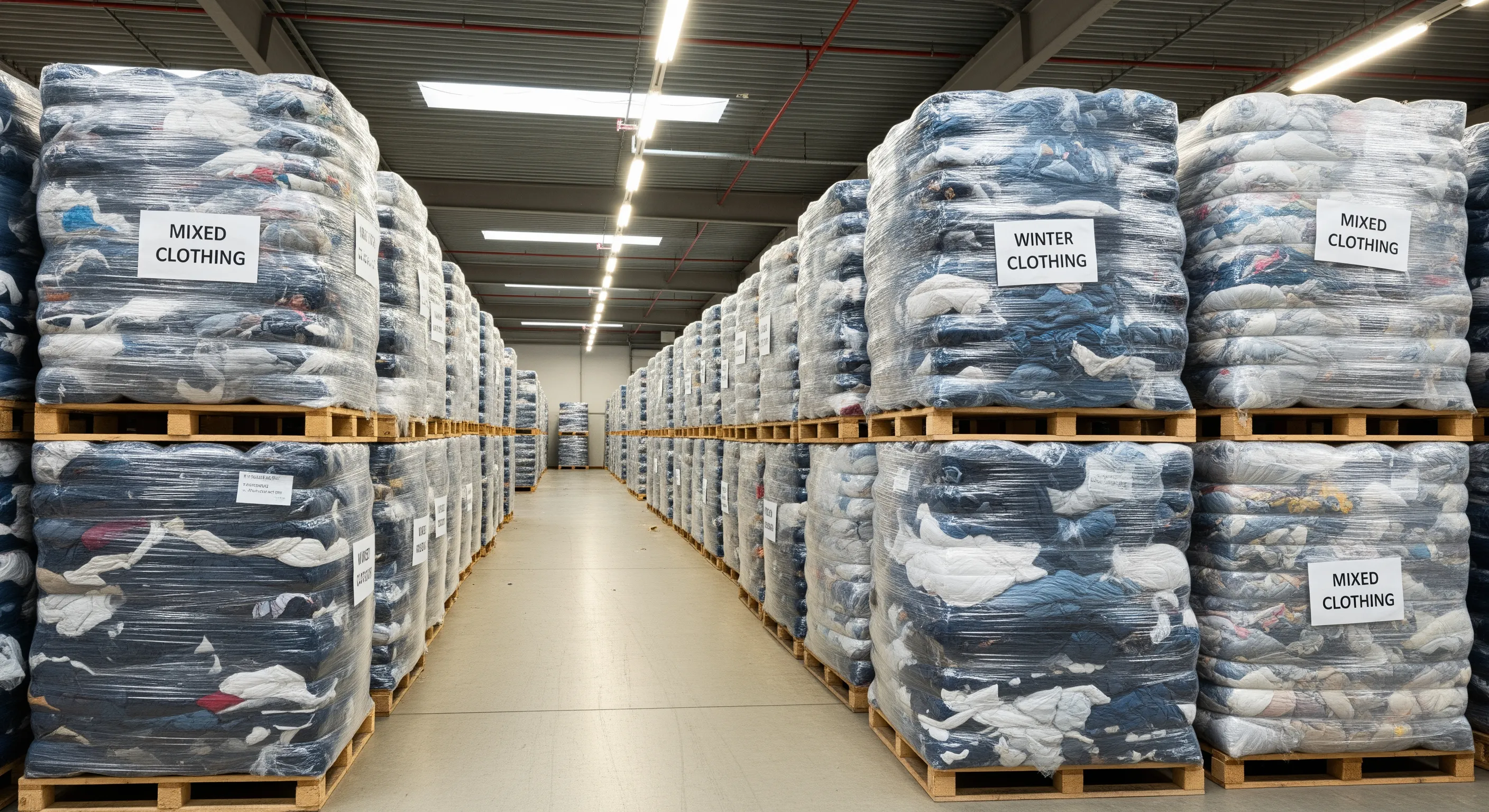
Pro tip: When seeking ingrosso abbigliamento usato opportunities, look for suppliers that perform rigorous quality checks and offer detailed product descriptions to enhance your purchasing decisions.
Advantages of Wholesale Second-Hand Clothing
Purchasing wholesale second-hand clothing offers numerous advantages for trade buyers. First and foremost is cost efficiency, as sourcing bulk amounts typically results in significant savings compared to new clothing purchases. This model not only improves profit margins but also provides retailers with unique product assortments that can attract more customers.
Additionally, wholesalers benefit from the environmentally friendly nature of second-hand clothing. Businesses can market their offerings as sustainable options, appealing to the growing consumer base that prioritizes eco-conscious choices in fashion. This positioning can enhance brand loyalty and customer trust, fostering long-term relationships.
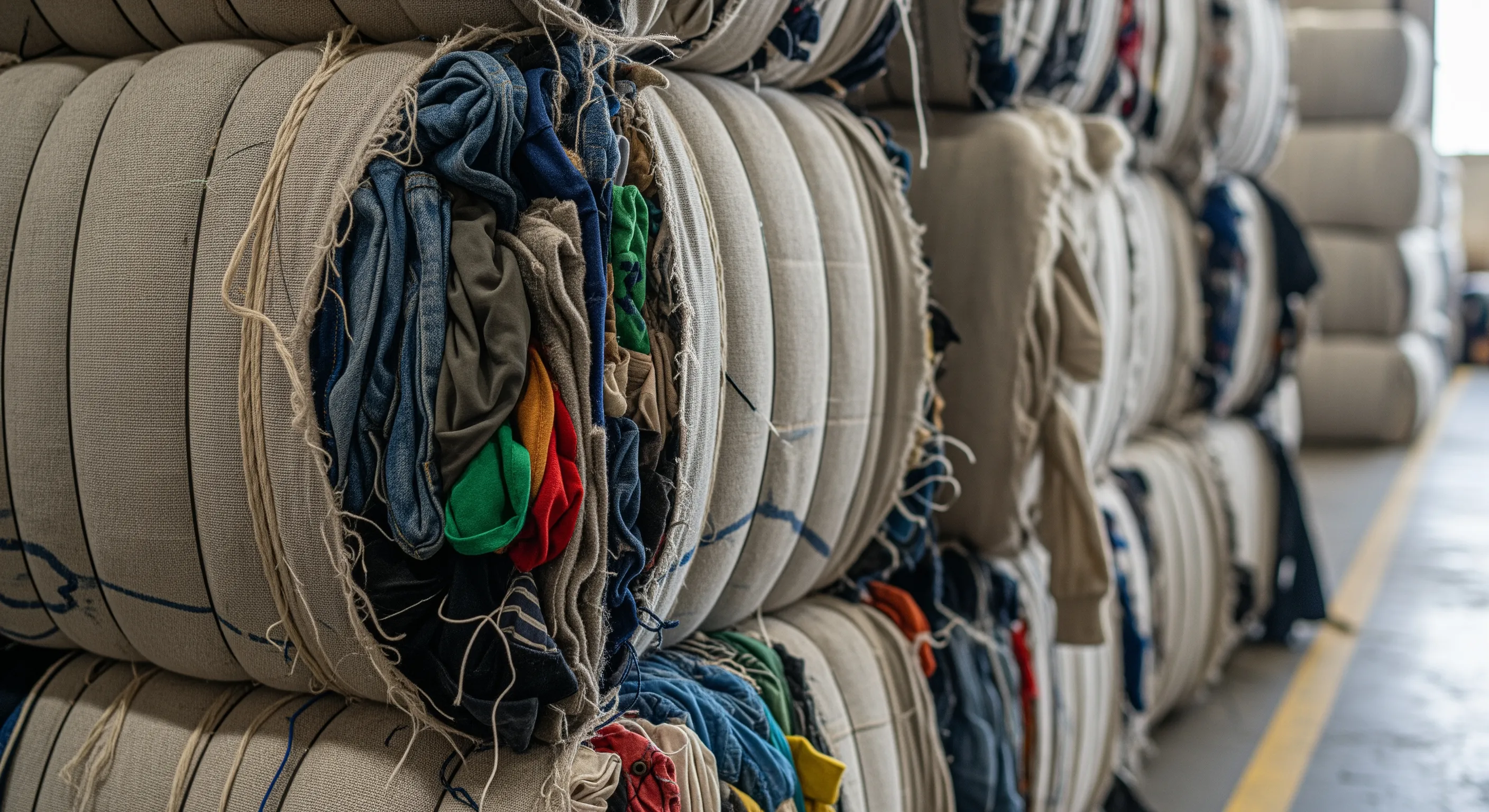
Pro tip: Consider creating marketing campaigns highlighting the eco-friendly aspects of second-hand clothing to engage environmentally conscious consumers.
Importance of Circular Economy in Fashion
The circular economy is a crucial concept that underpins the wholesale second-hand clothing market. According to recent studies, employing circular approaches helps reduce waste and promotes the prolonged use of resources. This economic model transforms the consumer behavior concerning clothing, focusing on reuse, repair, and recycling.
Implementing circular principles not only strengthens brand positioning but also benefits wholesalers and retailers by fostering a sustainable framework within the supply chain. Companies can improve their public image and attract a customer base that values sustainability when they participate in circular fashion initiatives.
Pro tip: Engaging in local recycling initiatives can further enhance your connection with the community and promote the importance of sustainability in fashion.
How to Select Reliable Suppliers
Selecting reliable suppliers is fundamental to the success of any business in the ingrosso abbigliamento usato sector. It is recommended that trade buyers conduct thorough due diligence on potential partners. Begin by exploring their reputation, quality assurances, and product range. Engaging with suppliers who provide transparent grading systems and efficient logistics solutions can mitigate risk.
Moreover, attending trade fairs can offer valuable insights into the suppliers' offerings and quality. Networking at these events will provide opportunities to ask questions and clarify any concerns regarding product sourcing.
Pro tip: Establishing long-term relationships with trusted suppliers can lead to favorable terms and better product access.
Risk Management in Clothing Wholesale
Effective risk management is crucial in the wholesale clothing sector. Trade buyers must be aware of factors such as grading discrepancies and transit damage, which can impede business operations. Implementing standard procedures for quality control and maintaining clear documentation throughout the supply chain can minimize these risks.
Furthermore, EU regulations play a vital role in ensuring compliance and accountability in the wholesale clothing market. Understanding and adhering to these stipulations not only fortifies business integrity but protects goods during transit.
| Risk | Cause | Mitigation |
|---|---|---|
| Grading disputes | Inconsistencies in product quality | Regular quality assessments |
| Transit damage | Poor packaging | Adopting robust packaging solutions |
| Compliance/docs | Lack of adherence to regulations | Stay updated on EU regulations |
| Payment terms | Delayed payments | Establish clear agreements |
Best Practices for Import and Export
Understanding import and export regulations is imperative for wholesalers in the second-hand clothing market. Ensuring compliance with customs and documentation is essential for smooth operations. Engaging legal counsel can help businesses navigate complex import-export laws and grant insight into changes in regulations.
By developing a comprehensive logistics strategy, wholesale buyers can significantly improve their operational efficiency. Leveraging the expertise of logistics providers can facilitate the movement of goods across borders, ensuring timely delivery and minimizing potential challenges.
Pro tip: Regular training on compliance and logistics best practices for your team can improve overall operational reliability.
Get a B2B Quote for Italian Second-Hand and Stock Clothing
For trade buyers who need consistent bulk supply, clear grading and efficient EU delivery, explore Recycling Italy at recyclingitaly.com. To request a quote or schedule a warehouse visit near Caserta, contact the team here: Contact Us.
Frequently Asked Questions
What types of clothing can be found in ingrosso abbigliamento usato?
You can find a wide variety of clothing, including casual wear, formal attire, and more, all sourced from different suppliers.
What is the minimum order quantity for wholesale purchases?
The typical minimum order quantity is around 1000 kg for bulk orders.
How do I ensure I am buying quality second-hand clothing?
Look for suppliers who offer a transparent grading system and have robust quality control processes in place.
What should I know about international shipping for second-hand clothing?
Understanding customs regulations and ensuring proper documentation is critical for a seamless shipping process.