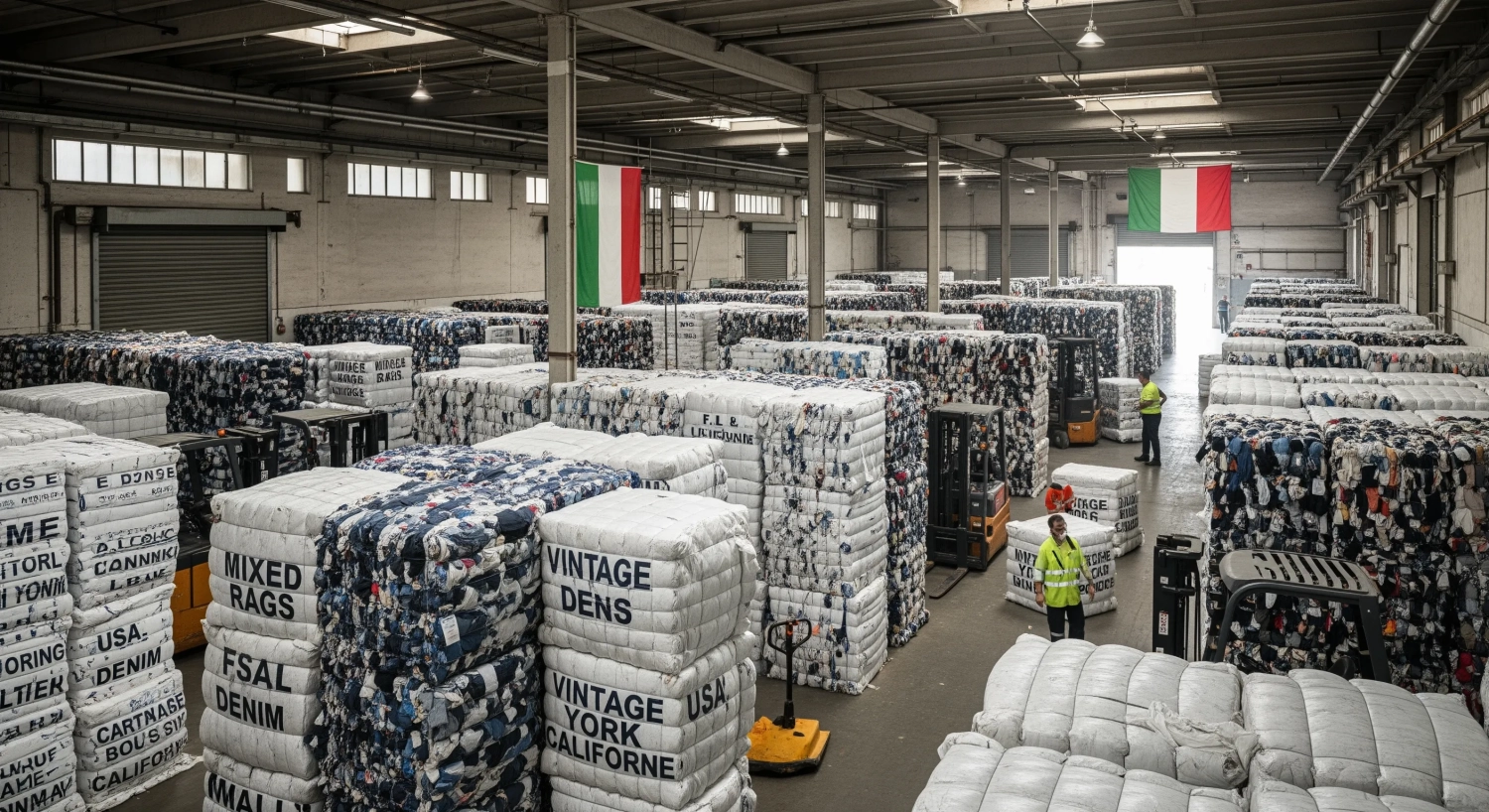
Wholesale used clothing bales from the USA offer an incredible opportunity for B2B buyers looking to expand their inventory sustainably. Operating from Marcianise Sud, Caserta, Italy, Recycling Italy is ideally positioned in a logistics hub to connect with trade buyers across Europe. Our expertise in sourcing and grading second-hand clothing ensures that you receive quality stock while supporting the circular economy. Partner with trusted suppliers to meet your bulk clothing needs efficiently and responsibly.
Table of Contents
- Understanding Used Clothing Bales
- Sourcing Options in the USA
- The Role of Grading in B2B Trade
- Circular Economy and Sustainability
- Risk Management in Used Clothing Trade
- Finding Reliable Suppliers
Key Takeaways
| Aspect | Details |
|---|---|
| MOQ | Typically starts at 1000 kg for bulk orders. |
| Grading | Ensures quality control and maximizes resale value. |
| Logistics | Efficient EU delivery and customs documentation support. |
| Risk Control | Implementing robust processes to mitigate grading disputes. |
Understanding Used Clothing Bales
Used clothing bales are compressed and bundled garments that are shipped for resale or repurposing. They typically contain various items, including worn clothing, which are sorted for different markets. Understanding the composition of these bales is crucial for B2B buyers to ensure they meet specific market demands. The European used clothing market has a unique grading system that influences the quality and pricing of these bales, often impacting profitability.
According to an industry study, the trade of used clothing significantly contributes to sustainability efforts by reducing textile waste. Buyers should familiarize themselves with the grading terms commonly used in this trade to make informed purchasing decisions.
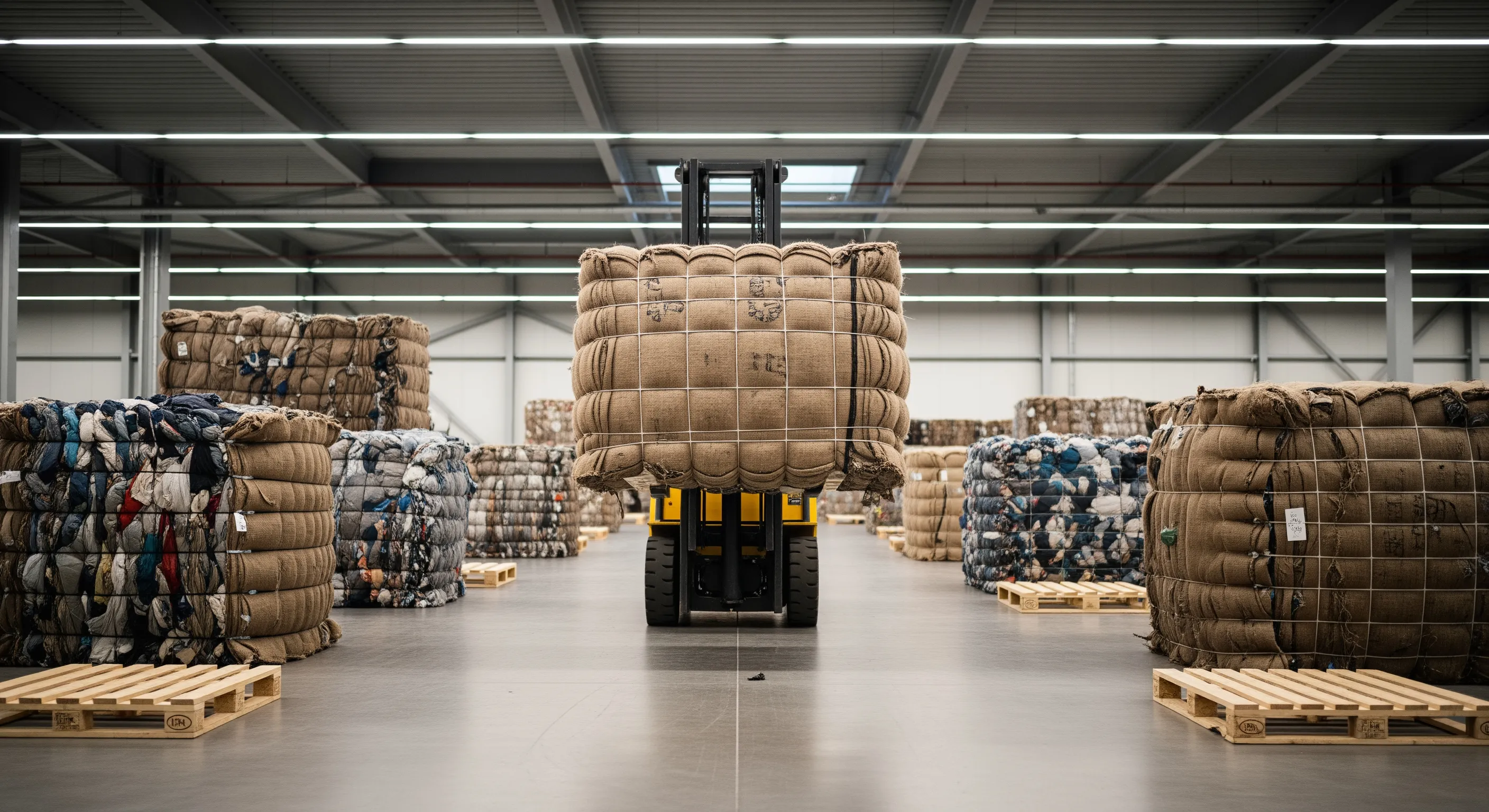
Pro tip: Assess the grading system of suppliers to ensure quality meets your resale standards.
Sourcing Options in the USA
The USA is a leading exporter of used clothing. Many wholesalers in the USA specialize in supplying bulk bales to international markets, making the USA a viable source for B2B buyers. Understanding where to find these wholesalers can provide a competitive advantage in acquiring diverse clothing stock tailored to various consumer preferences.
Buyers should be cautious about the quality and ethics behind sourcing. Research into suppliers is essential, considering reports such as global trade statistics which highlight the importance of ethical sourcing practices.
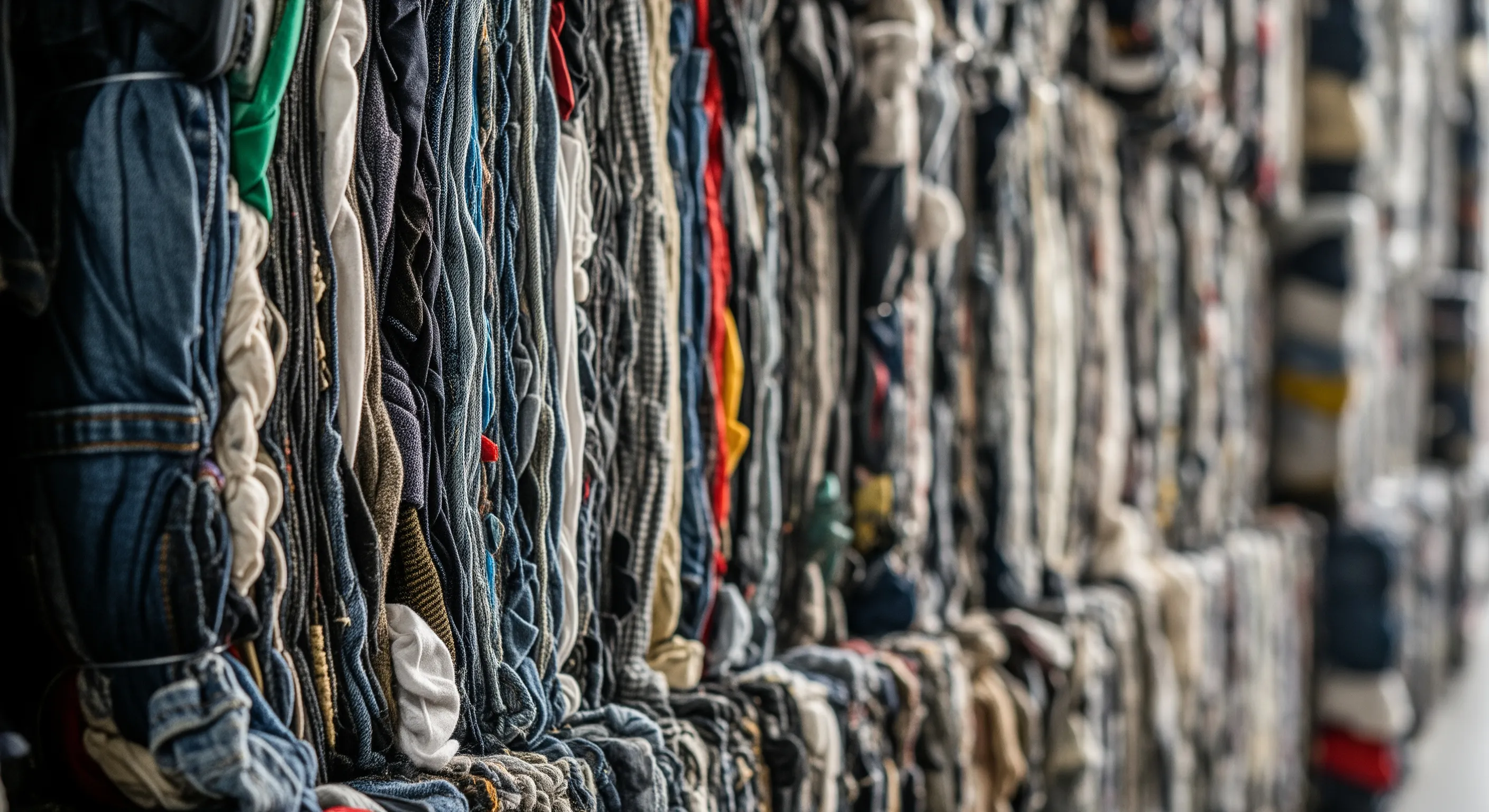
Pro tip: Establish relationships with reliable American suppliers to ensure high-quality sourcing.
The Role of Grading in B2B Trade
Grading plays a pivotal role in the B2B used clothing trade. It involves sorting clothing based on quality, style, and condition, which directly influences resale value. Various grading systems exist across different markets, and understanding these can facilitate easier sales processes for wholesalers.
As outlined in an analysis of importing used clothing, grading impacts inventory turnover and consumer satisfaction. B2B buyers must ensure they communicate their specific needs clearly to suppliers to obtain the desired grade level. Research suggests that understanding grading improves relationships between buyers and suppliers, ultimately benefiting both parties.
Pro tip: Prioritize buyers with transparency in their grading processes.
Circular Economy and Sustainability
The circular economy significantly influences the used clothing market, turning waste into valuable resources. By choosing to import used clothing bales, businesses support sustainable practices that minimize environmental impact.
Industry research indicates that engaging in the second-hand clothing sector can contribute to a decrease in fast fashion's environmental footprint. According to technical reports from the European Commission, the transition towards sustainability in textiles involves transforming waste into reuse and recycling processes.
Pro tip: Highlight the sustainability aspect of your inventory to attract eco-conscious buyers.
Risk Management in Used Clothing Trade
Effective risk management is crucial in the used clothing trade to mitigate potential losses. Key areas to address include logistics issues, grading disputes, and compliance with international trade regulations. Understanding these risks can enhance operations and ensure compliance.
Buyers need to have clear agreements in place regarding the quality and quantity of the bales being ordered. Insights from a study on used clothing trade underscore the importance of risk management in maintaining supplier relationships and ensuring reliability. Furthermore, resources like reports on used textiles destinations can provide valuable information for risk evaluation.
Pro tip: Develop a solid framework for risk evaluation in your supply chain operations.
Finding Reliable Suppliers
Finding trustworthy suppliers is vital for successful B2B transactions in the wholesale clothing trade. Reliable suppliers will offer consistent quality, clear grading practices, and adherence to delivery schedules.
Utilizing platforms that aggregate supplier ratings and reviews can help identify reputable businesses in the used clothing market. Engage with sources that provide transparency about their operations, and consult resources such as project findings on sorting for circularity to evaluate potential suppliers systematically.
Pro tip: Network with industry peers to find recommendations for reliable suppliers.
Get a B2B Quote for Italian Second-Hand and Stock Clothing
For trade buyers who need consistent bulk supply, clear grading and efficient EU delivery, explore Recycling Italy at recyclingitaly.com. To request a quote or schedule a warehouse visit near Caserta, contact the team here: Contact Us.
Frequently Asked Questions
What are used clothing bales?
Used clothing bales are compressed bundles of second-hand garments intended for resale or repurposing.
How are used clothing bales graded?
Grading involves sorting garments based on their condition, quality, and type, affecting pricing and resale potential.
Why is risk management important in this trade?
To mitigate potential losses from logistics issues, grading disputes, and compliance challenges.
How can I find reliable suppliers?
Networking within the industry and reviewing supplier ratings on various platforms can assist in finding trusted wholesalers.