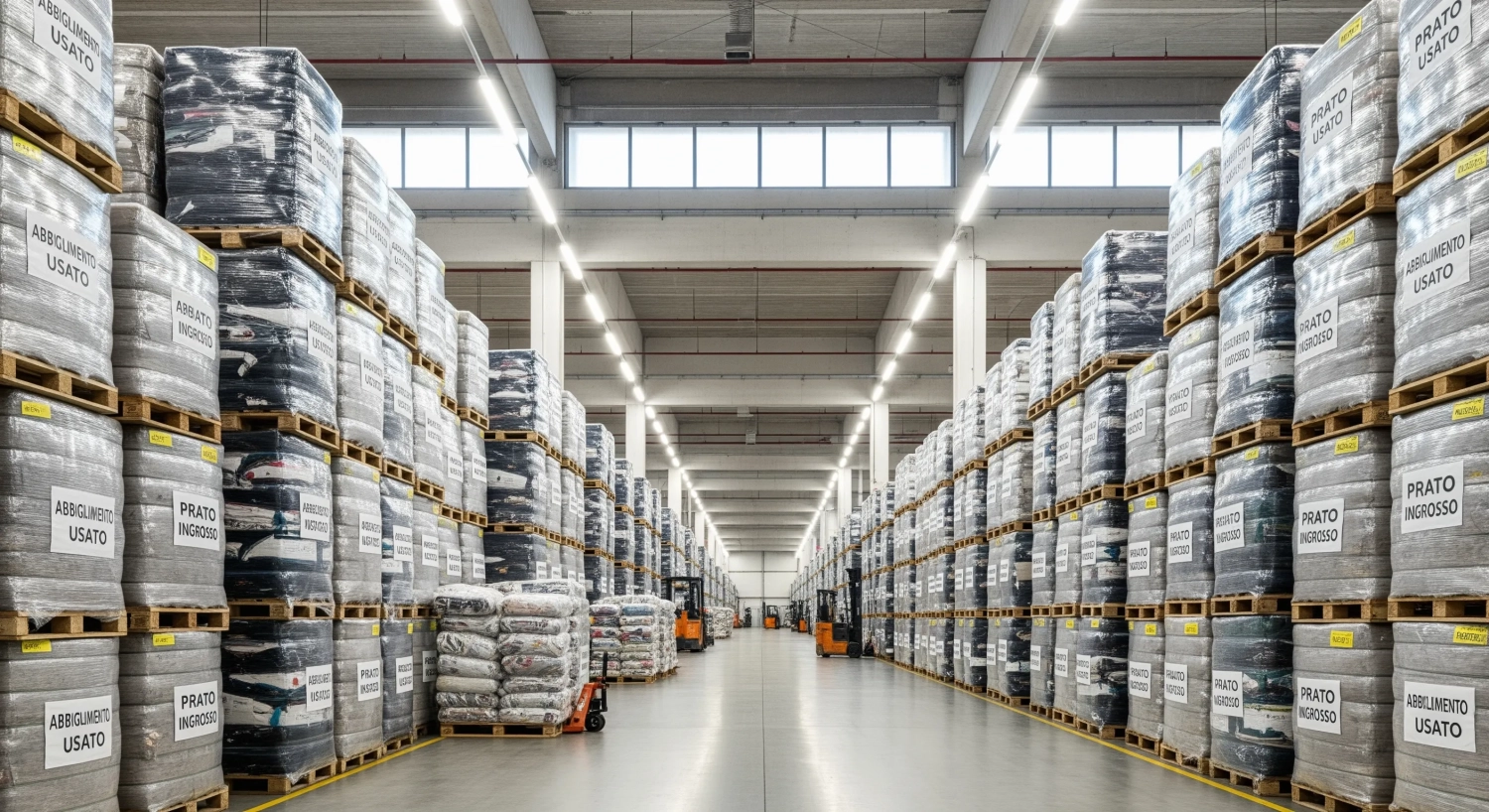
As the European market continues to evolve, the demand for quality second-hand clothing is on the rise, especially in countries like Italy. Located in Marcianise Sud, Caserta, Recycling Italy serves as a strategic hub for B2B wholesale suppliers aiming to tap into the bulk second-hand clothing market. Offering a range of products suitable for wholesalers, exporters, and store owners, this region is poised to meet the diverse needs of trade buyers across Europe.
Table of Contents
- Market Trends in Second-Hand Clothing
- The Importance of Quality and Sorting
- Logistics and Delivery in Europe
- Stock Clothing Options
- Mitigating Risks in Wholesale Purchasing
- Sustainability and the Circular Economy
Key Takeaways
| Key Factor | Description |
|---|---|
| Minimum Order Quantity (MOQ) | Typically 1000 kg when purchasing bulk second-hand clothes. |
| Grading System | Quality is assessed through rigorous grading protocols, ensuring reliability. |
| Logistics Ease | Strategically located for efficient delivery within the EU, facilitating smooth transactions. |
| Risk Control | Clear documentation and quality assurance help mitigate potential purchasing risks. |
Market Trends in Second-Hand Clothing
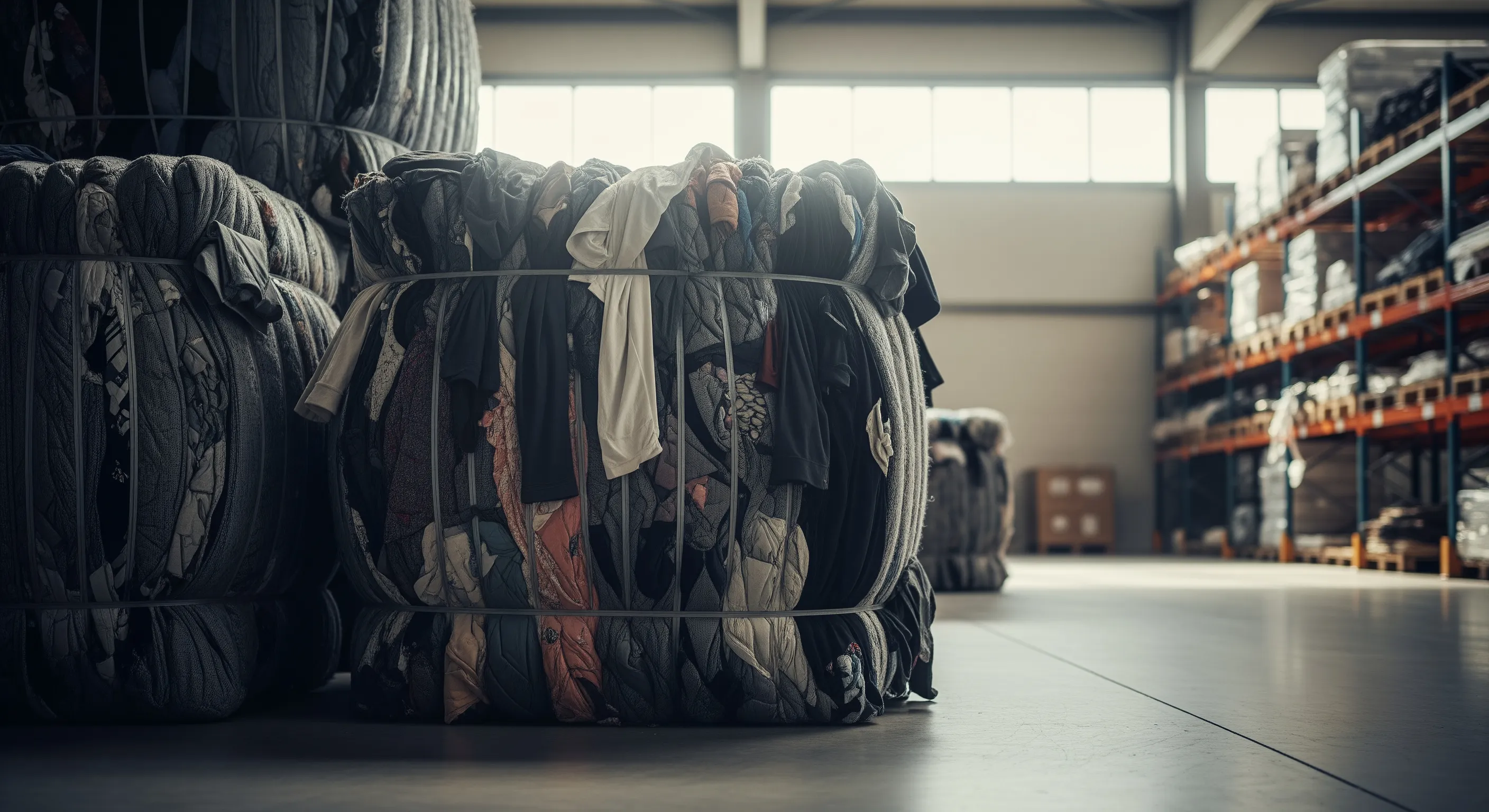
The second-hand clothing market in Europe is witnessing significant growth. Increasing consumer awareness about sustainability and ethical fashion choices is driving demand for second-hand garments. According to a recent study, Italian textile districts excel in providing diverse clothing options through specialized firms.
The abbigliamento usato prato ingrosso sector is particularly known for its quality and variety. With numerous small firms contributing to the fabric production process, these areas create a robust supply chain, meeting the needs of wholesalers and export businesses alike.
Pro tip: Staying updated on market trends can help wholesalers capitalize on shifts in consumer demand.
The Importance of Quality and Sorting
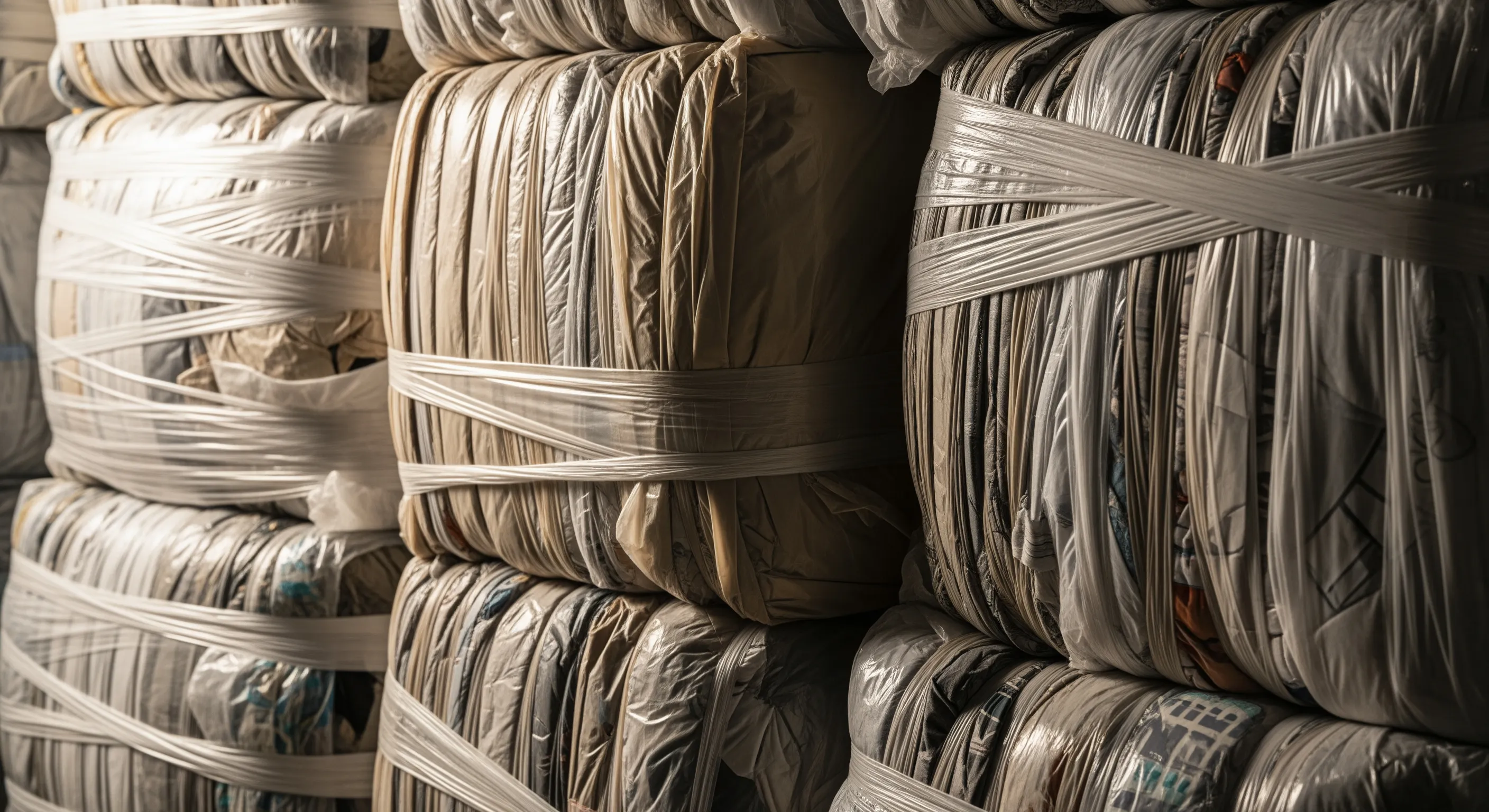
Quality assurance is vital when dealing with bulk second-hand clothes. A structured grading system ensures that only the best quality garments reach the buyers. This practice helps maintain trust and satisfaction among clients, which is essential for repeat business. By following stringent sorting protocols, suppliers can better align with customer expectations, ultimately enhancing their reputation in the market.
Additionally, thorough sorting allows suppliers to categorize products effectively, making it easier for wholesalers to choose based on their specific needs. A reliable supplier will offer transparency regarding the grading process, building confidence within the supply chain.
Pro tip: Regular field visits to assess the quality of stock can mitigate potential disputes over grading.
Logistics and Delivery in Europe
Efficient logistics and streamlined delivery processes are critical in the B2B clothing market. Caserta's strategic location serves as a logistical hub that enables timely distribution across Europe. Businesses can benefit from various shipping options that cater to their specific needs, whether they require cross-border delivery or customs documentation.
Moreover, understanding the intricacies of EU regulations and customs processes can prevent delays and ensure that transactions go smoothly. Suppliers that prioritize logistics awareness often find themselves with a competitive edge in delivering quality second-hand clothing.
Pro tip: Establish partnerships with reliable logistics companies to optimize shipping efficiency.
Stock Clothing Options
Stock clothing provides an excellent opportunity for wholesalers seeking ready-to-sell inventory without the complexities of individual sourcing. Suppliers often offer tailored stock lots that cater to varied market demands, providing flexibility for retailers. This approach simplifies the purchasing process and allows businesses to focus on sales rather than stock management.
Furthermore, having a comprehensive catalog of available stock options ensures that wholesalers can quickly adapt to market trends and consumer preferences. Reliable suppliers maintain a consistent flow of quality stock, which is pivotal for maintaining a competitive advantage.
Pro tip: Regularly review your inventory and stock options to make informed purchasing decisions.
Mitigating Risks in Wholesale Purchasing
While engaging in wholesale purchasing, it is crucial to mitigate potential risks associated with transactions. Issues such as grading disputes, payment terms, and product compliance can pose significant challenges. Proper documentation and clear communication can aid in minimizing risks and ensuring transparent dealings.
Creating a detailed contract specifying payment terms, delivery schedules, and grading standards can provide clarity and protection for both parties. Understanding the risks associated with transit damage and compliance requirements also aids in navigating the complexities of wholesale purchasing.
| Practical Risk | Cause | Mitigation |
|---|---|---|
| Grading Disputes | Subjective assessments of quality | Implement strict grading protocols |
| Transit Damage | Poor packaging | Use robust packaging solutions |
| Compliance/Documents | Incomplete shipping documents | Prioritize proper documentation |
| Payment Terms | Unclear contract terms | Clarify terms in writing |
Pro tip: Build strong relationships with suppliers and clients for easier negotiation and risk management.
Sustainability and the Circular Economy
The importance of sustainability in the fashion industry cannot be overstated. As consumers become more environmentally conscious, the demand for second-hand clothing reflects a shift towards a circular economy. Suppliers that embrace sustainability practices can effectively cater to this rising demand while contributing positively to the environment.
By supporting a circular economy, businesses help reduce waste and promote the repurposing of garments. Adopting practices that align with sustainable development goals can not only enhance brand image but also lead to increased customer loyalty.
Pro tip: Communicate your sustainability efforts to your clients to strengthen your brand's reputation.
Get a B2B Quote for Italian Second-Hand and Stock Clothing
For trade buyers who need consistent bulk supply, clear grading and efficient EU delivery, explore Recycling Italy at recyclingitaly.com. To request a quote or schedule a warehouse visit near Caserta, contact the team here: Contact Us.
Frequently Asked Questions
What is abbigliamento usato prato ingrosso?
Abbigliamento usato prato ingrosso refers to wholesale second-hand clothing, primarily offered to B2B buyers.
What are the typical order quantities?
The minimum order quantity is typically around 1000 kg.
How do you ensure product quality?
Rigorously implemented grading systems ensure only high-quality items are sold.
Is there a sustainable aspect to this market?
Yes, the second-hand clothing market supports sustainability and promotes a circular economy.