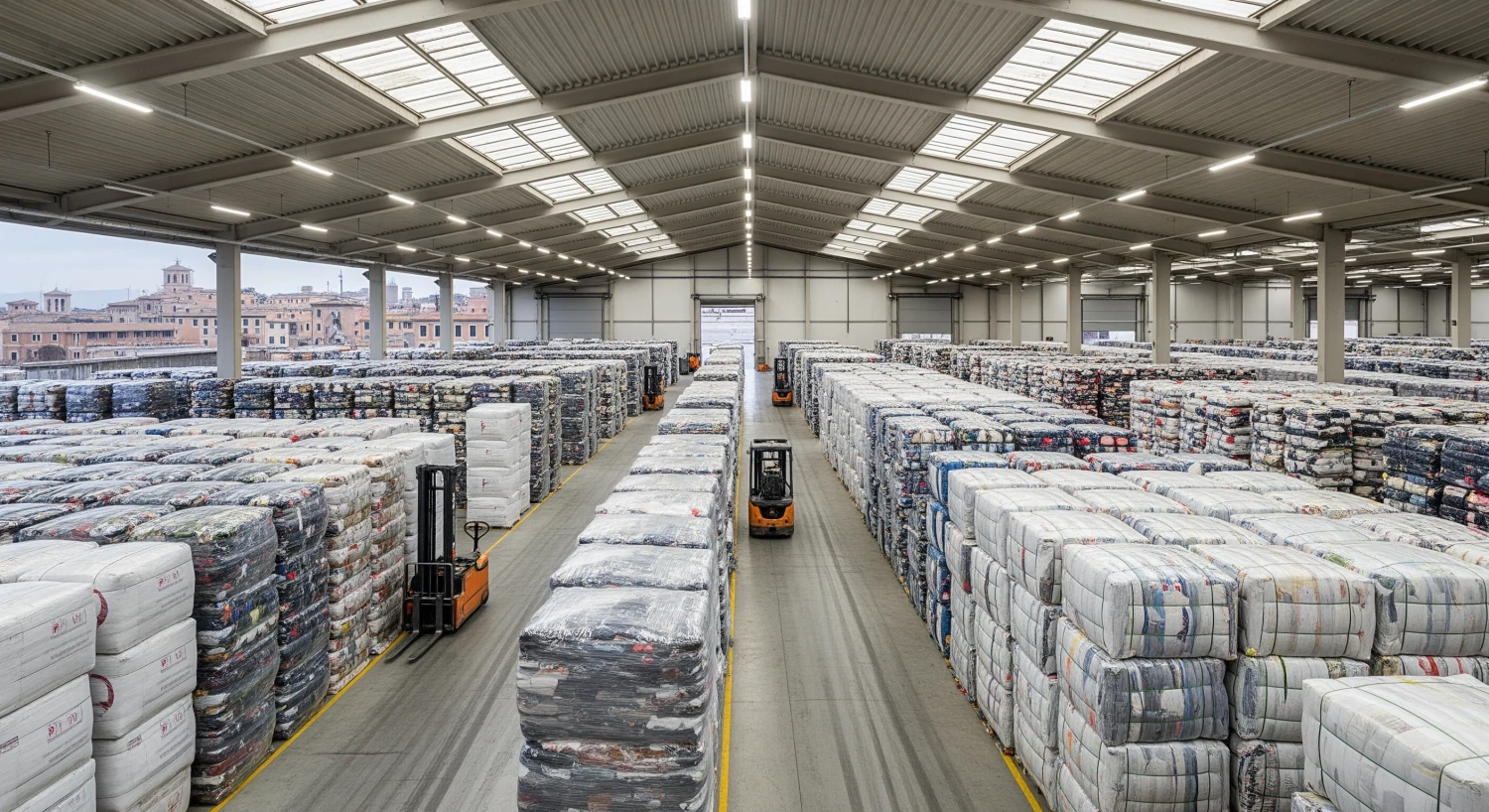
Wholesale second-hand clothing is increasingly becoming a vital resource for trade buyers across Europe, particularly in the bustling market of Rome. As a prominent distribution hub in Southern Italy, Rome enables buyers to access high-quality bulk supplies efficiently. With a minimum order quantity (MOQ) of 1000 kg, Recycling Italy specializes in providing reliable B2B solutions tailored to varied business needs. The focus on sustainable practices and the circular economy makes second-hand clothing an attractive option for wholesalers looking to enhance their offerings.
Table of Contents
- Understanding the Wholesale Market in Rome
- Quality and Sorting Processes
- Benefits of Second-Hand Clothing
- Logistics and Distribution
- Risk Mitigation in Bulk Buying
- Sourcing from Recycling Italy
Key Takeaways
| Aspect | Details |
|---|---|
| Minimum Order Quantity (MOQ) | 1000 kg is required for wholesale orders. |
| Grading and Sorting | Rigorous sorting is essential for maintaining quality standards. |
| Logistics | Efficient distribution channels are crucial for timely deliveries. |
| Risk Control | Implementing reliable payment terms minimizes transaction risks. |
Understanding the Wholesale Market in Rome
The wholesale clothing market in Rome is thriving due to its strategic location and access to various trade networks across Europe. Suppliers in this region provide a vital link in the supply chain, ensuring that second-hand clothing is readily available for retailers and distributors. Establishing relationships with providers in this market can help buyers gain insights into industry trends and stock availability.
Wholesale clients benefit from Italy's reputation for quality garments, which combined with the increasing demand for sustainable fashion, elevates the significance of second-hand clothing. Clients can ensure their businesses remain competitive by investing in high-quality stock from reputable suppliers.
Quality and Sorting Processes
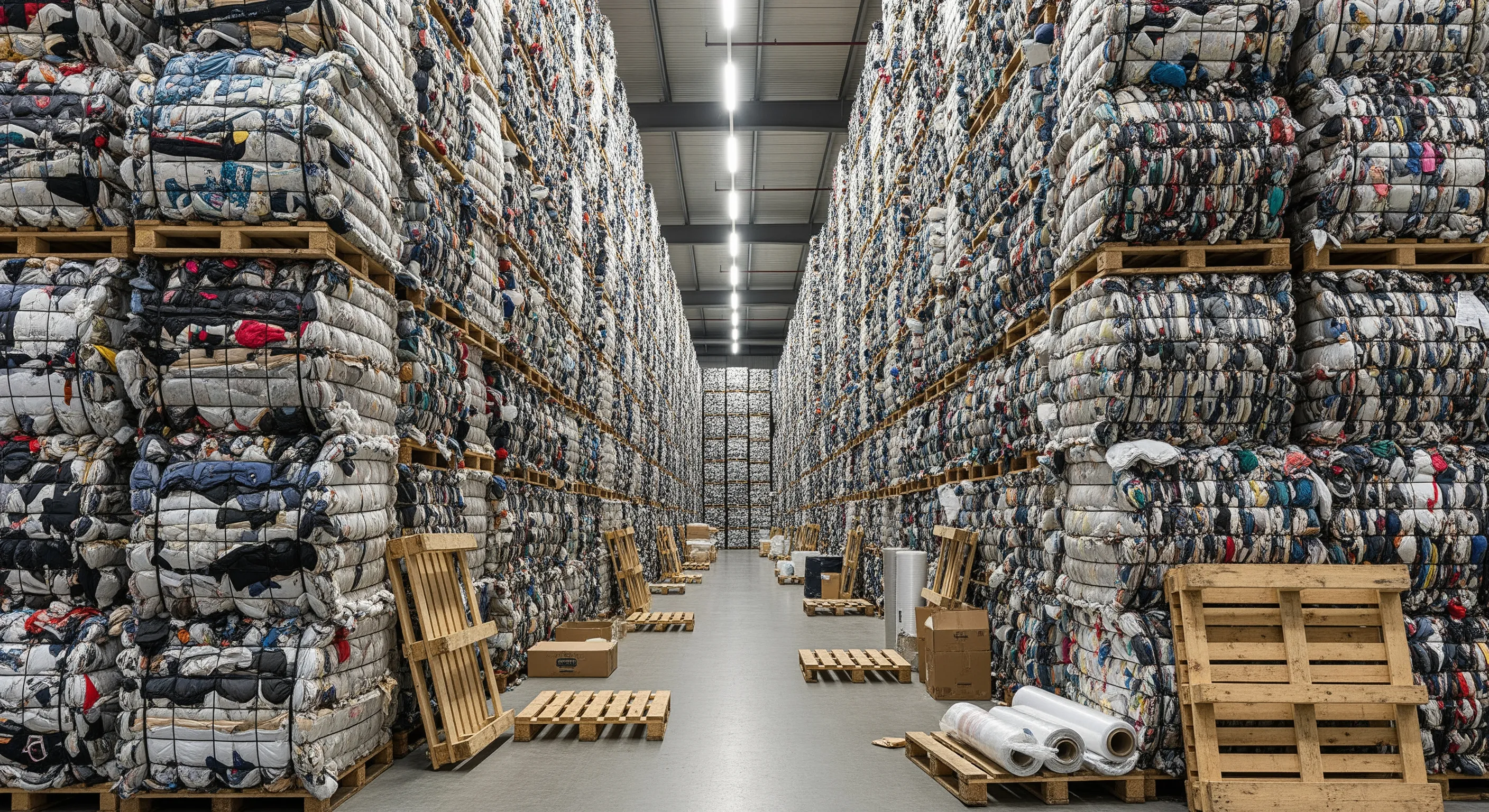
To guarantee quality in second-hand garments, it is crucial to implement effective sorting processes. This includes assessing the condition of each item, classifying by brand, type, or season, and conducting thorough inspections to weed out unsellable items. Suppliers that prioritize quality control can provide bulk lots that meet buyer expectations.
Regular audits and transparent grading systems help maintain standards and build trust with trade buyers. Utilizing detailed reports of sorted stock enables businesses to make informed decisions, reducing the risk of returns and complaints.
Benefits of Second-Hand Clothing
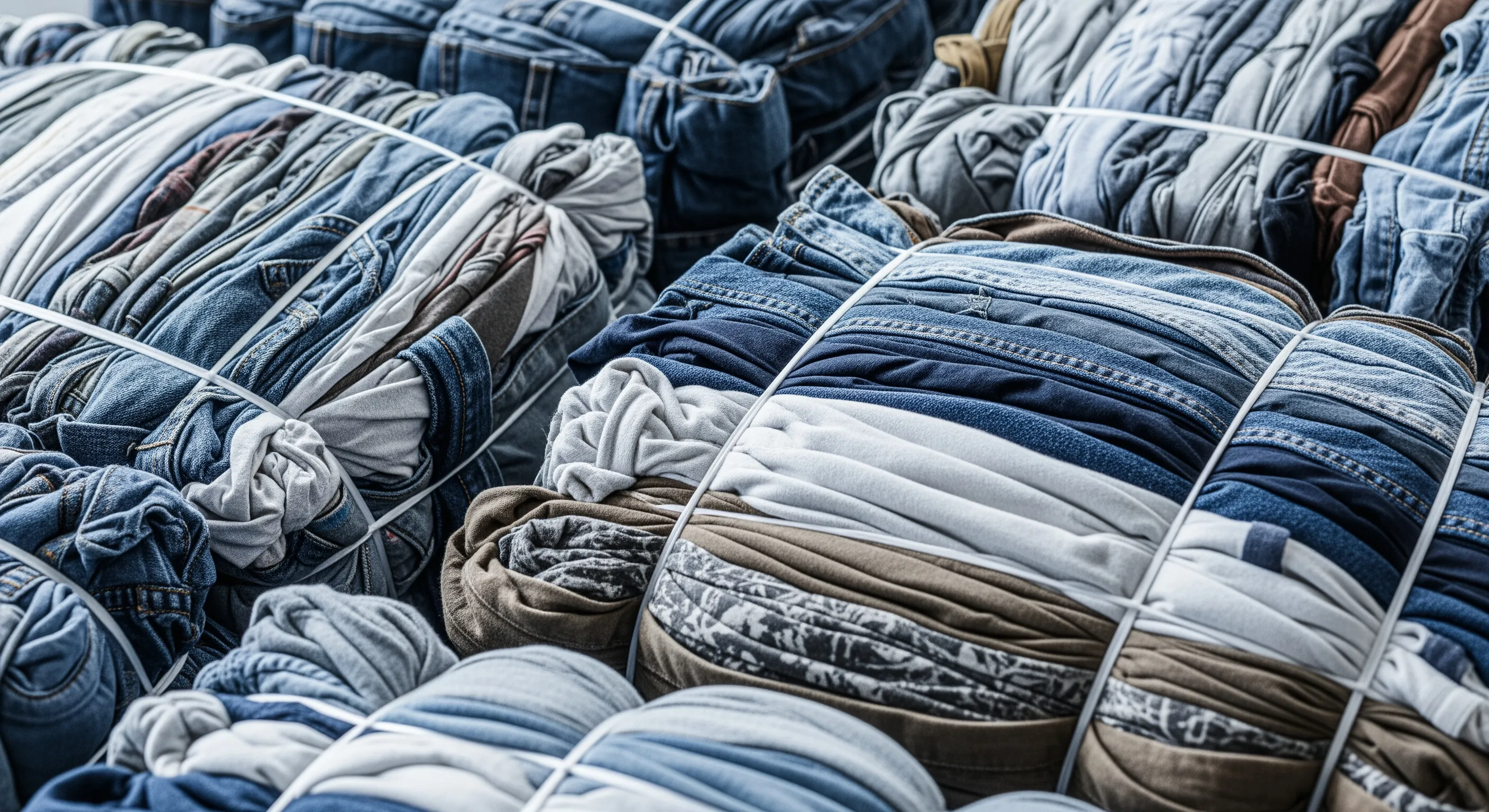
The popularity of second-hand clothing is growing significantly among consumers who appreciate both sustainability and cost-effectiveness. Wholesalers can capitalize on this trend by offering a diverse range of high-quality used items that appeal to eco-conscious customers. Retailers can benefit from attractive margins while playing a role in promoting circular fashion.
Furthermore, sourcing second-hand clothing often results in unique products that differentiate stores from competitors. In addition to appealing price points, this inventory strategy meets the rising demand for sustainable and ethical fashion choices in retail.
Pro tip: Understand the local market dynamics and consumer preferences to tailor your offerings effectively.
Logistics and Distribution
Efficient logistics and distribution systems are fundamental to the success of wholesale operations. Trade buyers need a reliable supply chain that can handle bulk shipments across Europe. Leveraging local infrastructures, such as the well-connected ports in Southern Italy, can expedite delivery times and reduce shipping costs.
Moreover, understanding customs regulations and ensuring all documentation is complete are critical for smooth operations. Trade buyers should work closely with suppliers like Recycling Italy, who have extensive experience navigating the intricacies of logistics in the wholesale fashion market.
Risk Mitigation in Bulk Buying
Bulk buyers face certain risks, including quality discrepancies and payment issues. To mitigate these risks, it is crucial to establish clear agreements regarding stock specifications and grading criteria.
Additional strategies include adopting secure payment methods and considering insurance for valuable shipments. Building long-term relationships with trusted suppliers can also provide an added layer of security against potential problems.
| Risk | Cause | Mitigation |
|---|---|---|
| Grading Disputes | Inconsistent quality assessments | Clearly defined grading standards |
| Transit Damage | Poor packaging or handling | Use of durable packing materials |
| Compliance/Docs | Missing paperwork | Thorough document checks before shipping |
| Payment Terms | Unclear contract terms | Use of secure payment channels |
Sourcing from Recycling Italy
Recycling Italy stands out as a reputable supplier of second-hand clothing based in Marcianise Sud, near Caserta. Focused on B2B relationships, they provide extensive stock suitable for retailers and wholesalers across Europe. With a clear emphasis on quality and sustainability, they are adept at navigating the European supply chain challenges.
By collaborating with a trusted partner like Recycling Italy, buyers can ensure they receive consistent quality and a reliable supply of clothing. Engaging with this supplier offers a strategic advantage in the competitive wholesale market.
Pro tip: Regularly review supplier performance to ensure alignment with your quality and delivery expectations.
Get a B2B Quote for Italian Second-Hand and Stock Clothing
For trade buyers who need consistent bulk supply, clear grading and efficient EU delivery, explore Recycling Italy at recyclingitaly.com. To request a quote or schedule a warehouse visit near Caserta, contact the team here: Contact Us.
Frequently Asked Questions
What are the minimum order quantities for second-hand clothing?
The minimum order quantity typically starts at 1000 kg for wholesale transactions.
How does Recycling Italy ensure product quality?
Recycling Italy implements rigorous grading and sorting processes to maintain high quality standards.
What logistics support does Recycling Italy offer?
The company provides comprehensive logistics support to ensure timely deliveries across Europe.
Can I visit the warehouse before purchasing?
Yes, buyers are encouraged to schedule a warehouse visit to inspect stock before finalizing their orders.